Respite for family caregivers in Highgate: care options

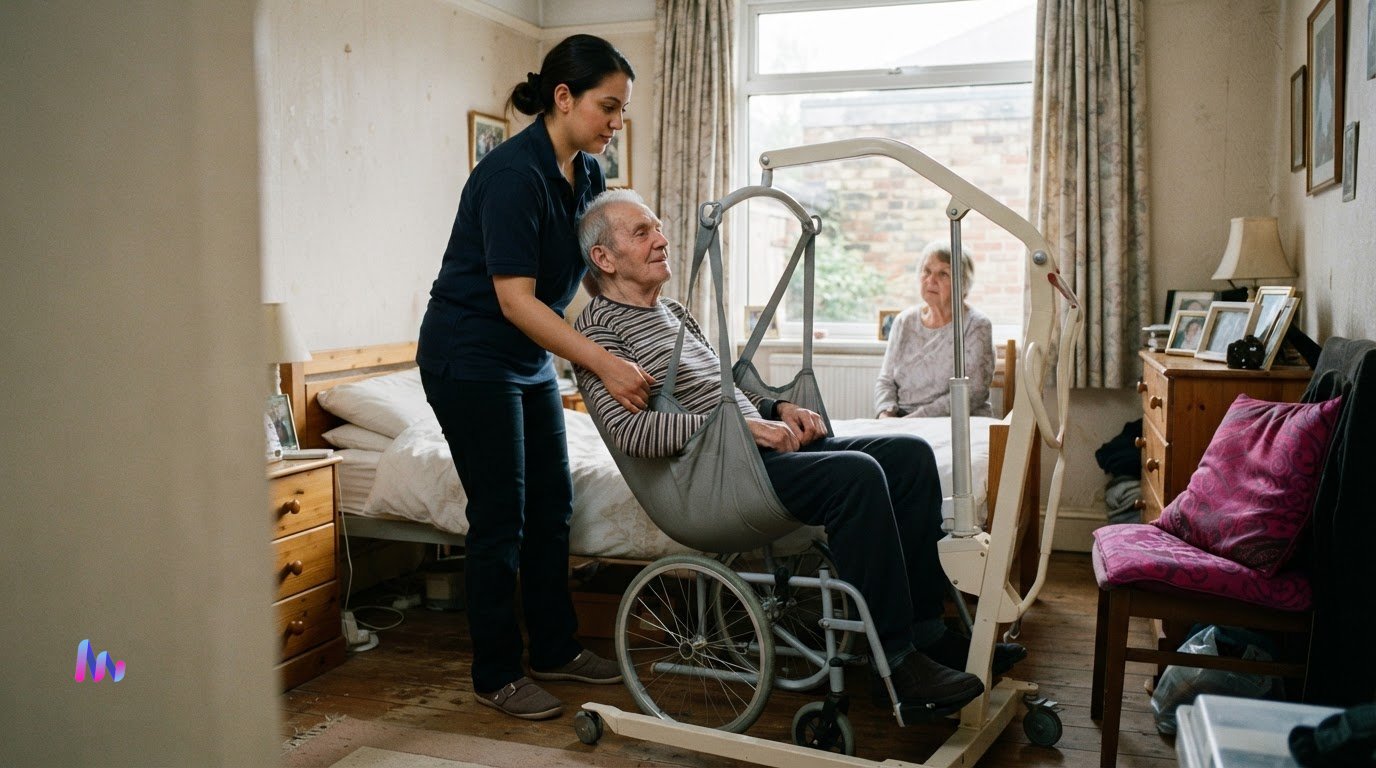
A break in care doesn't have to mean leaving home. Respite for family caregivers in Highgate gives the person receiving care support while their family carer takes time to rest, attend appointments or manage other responsibilities. It can be arranged for a few hours or for several weeks, depending on the support needed.
It’s understandable to need a break and still worry about whether your loved one will feel safe and settled. Respite care can be provided at home or during a short stay elsewhere. The right option depends on the person’s needs, preferences and usual routine.
This guide explains what respite care can include and compares home support with residential, day-centre and hospital options. It also covers what to consider when planning a break, so you can make a clearer decision that works for both of you.
Table of Contents
What is respite care?
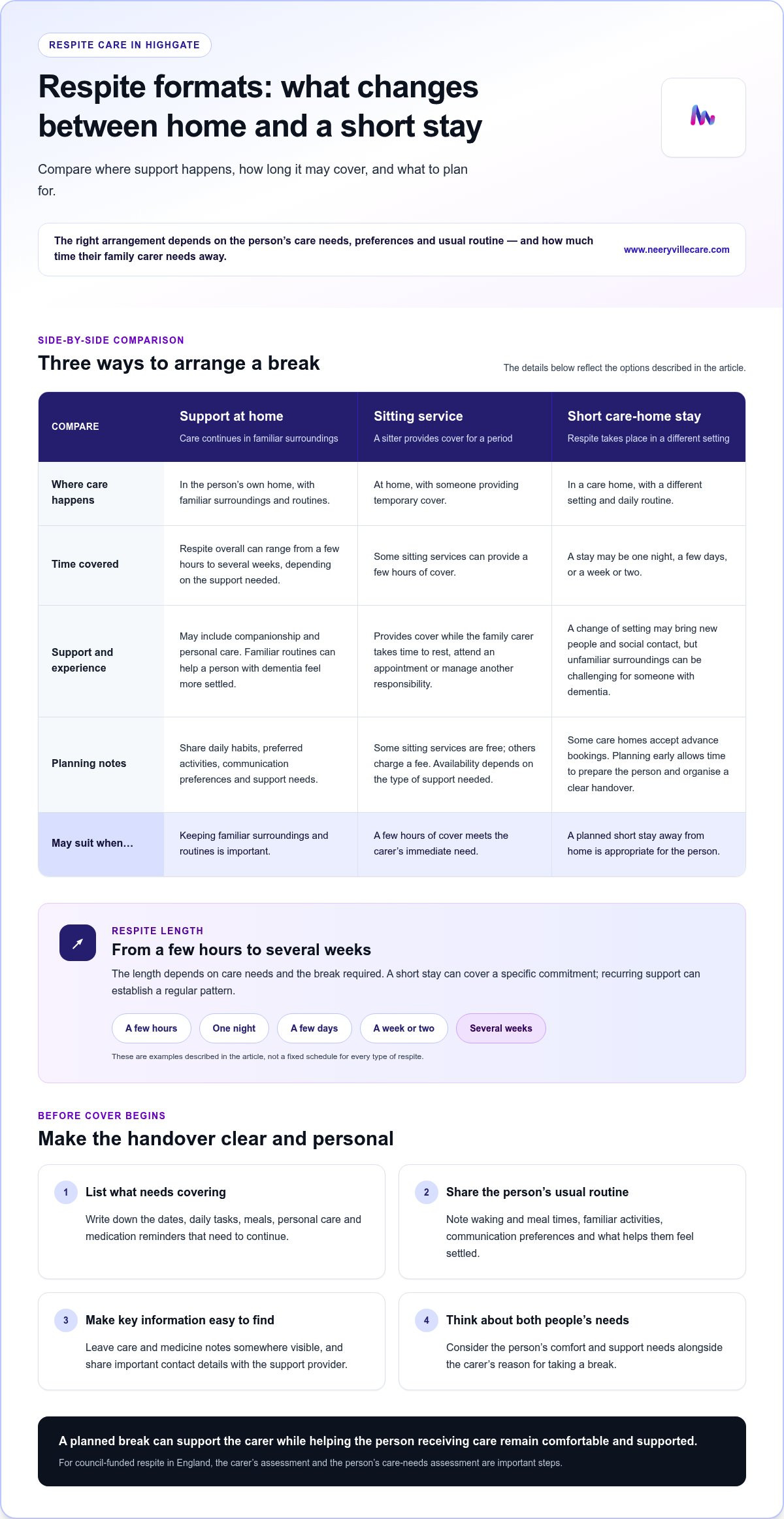
Respite care gives a family caregiver time away while someone else supports the person receiving care. In Highgate and Haringey, options include care at home, a sitting service or a short care-home stay.
Support may last from a few hours to several weeks. The best arrangement depends on the person’s care needs and familiar routines, as well as how much time their caregiver needs away.
Benefits for carers and care recipients
A planned break can give caregivers time to rest, attend appointments or see family and friends. For the person receiving care, it can bring companionship, activities and new social contact. Consider whether the arrangement supports their dignity and comfort while covering practical needs such as meals, personal care and medication reminders.
For someone living with dementia, familiar surroundings and predictable routines can make a respite arrangement feel less unsettling. Share details about preferred activities, communication, daily habits and support needs with the person taking over care. At home, dementia respite care may include companionship and personal care; a short care-home stay offers a different setting and routine. Dementia care at home is one option for maintaining support in familiar surroundings.
Council-funded respite eligibility
In England, councils fund respite for people assessed as eligible. A caregiver seeking council support should request a carer’s assessment, and the person receiving care should have an assessment of their care needs. The council may arrange eligible support, or it may be organised through a personal budget or direct payment.
If you live in Highgate, contact the adult social care team responsible for the person’s home address. Explain the support they need and how caring affects you. The assessments help identify care needs and whether council-arranged respite may be appropriate.
Respite may also be paid for privately, from income or savings, or with benefits such as Attendance Allowance. Some sitting services are free, while others charge a fee. The available options depend on the assessment outcome and the type of support needed.
Young carers and caregivers of disabled children can consider respite at home, help from family or friends, and sitting services offered by some charities or carers’ organisations. These may provide a few hours of cover. When seeking an assessment, explain the child’s support needs and the caregiver’s circumstances so the proposed break can reflect the child’s care and routine.
Short-term stays for older people and people living with dementia
A short stay can provide cover when a family caregiver needs time away from daily responsibilities. Planning around the person’s usual routine, support needs and preferred setting can make the arrangement easier to manage.
Flexible respite stay lengths
Respite may last one night, a few days or a week or two, depending on the person’s care needs and the break required. A short stay may cover a specific commitment, while recurring support can establish a regular pattern. Consider which support must continue, including meals, personal care and medication reminders.
If the person has dementia, talk through the proposed stay before it begins. A clear handover should cover their usual waking and meal times, familiar activities, communication preferences and what helps them feel settled. Leave emergency notes about care and medicines somewhere easy to see.
Some care homes accept advance respite bookings, which can help families plan a holiday or other commitment. Start planning early and explain the person’s needs, routines and the dates when cover is required. This allows time for a suitable handover and for preparing the person for a different setting.
Cover for holidays and commitments
Short-term care can cover a family caregiver’s holiday, appointment or time with relatives. First, list the dates and daily tasks that need covering. Then share the person’s care notes, medication routine and important contacts with the support provider. A specific plan is easier to follow than a general request for help.
Long-term caregiving can affect a caregiver’s health and wellbeing, particularly when it is difficult to balance care with paid work or family responsibilities. Respite can make time for an appointment, a work commitment or time with children. These are practical needs, not signs of caring less.
For the person receiving care, a short stay may mean meeting new people or spending time in a different setting. This can be a welcome change, although unfamiliar surroundings or routines may be challenging for someone with dementia. Share details about meaningful activities and comforting habits, and discuss how to include them during the stay.
In Highgate, plan respite around both the caregiver’s commitments and the person’s needs. Write down the dates, daily care tasks and key handover details. This clarifies what the temporary arrangement needs to provide.
Changes of routine and social interaction
Respite can offer more than a pause for family caregivers. For the person receiving support, it may bring a change of scenery, a different daily rhythm and opportunities to meet others. In Highgate, consider whether those changes are likely to feel enjoyable and manageable for them.
New company can offer a welcome connection. A conversation over lunch, a shared activity or time with a volunteer can bring interaction beyond the usual household. Meeting people through respite may also help ease feelings of being a burden, guilt or frustration. The person’s interests and comfort matter: a familiar topic or favourite pastime can make conversation easier.
A change of setting need not mean losing every familiar cue. Before respite begins, note the person’s preferences, such as when they like breakfast, how they spend a quiet afternoon or which room feels most comfortable. Share these details with the person providing support. Familiar routines and surroundings can be especially important for someone with dementia, so explain what helps them feel at ease.
Where possible, introduce the support gradually. For example, arrange for the person providing care to meet the recipient at home before a longer period of support. Use the visit to introduce names, show where everyday items are kept and discuss communication preferences. A calm, straightforward handover gives everyone a clearer start.
Respite can also help a family caregiver reconnect with their own life. A planned break might allow time to see friends, attend appointments or manage household responsibilities without rushing. A regular weekly visit, such as one every Wednesday afternoon, can create a predictable pattern. Agree the timing around the recipient’s routine and the caregiver’s commitments.
Notice how the person responds after each arrangement. Do they mention a conversation, seem comfortable with an activity or appear unsettled by a particular change? Their responses can help shape future plans. If a busy group setting feels tiring, a quieter visit at home may suit them better. If they enjoy company, shared activities may be a welcome change.
Involve the person in decisions wherever possible. Offer clear choices, such as a familiar activity or a short outing, and listen to their response. For family caregivers in Highgate, this makes planning a shared process rather than a sudden handover. Thoughtful steps can help respite feel like supported time, not a disruption imposed on the person receiving care.
Preventing social isolation and burnout
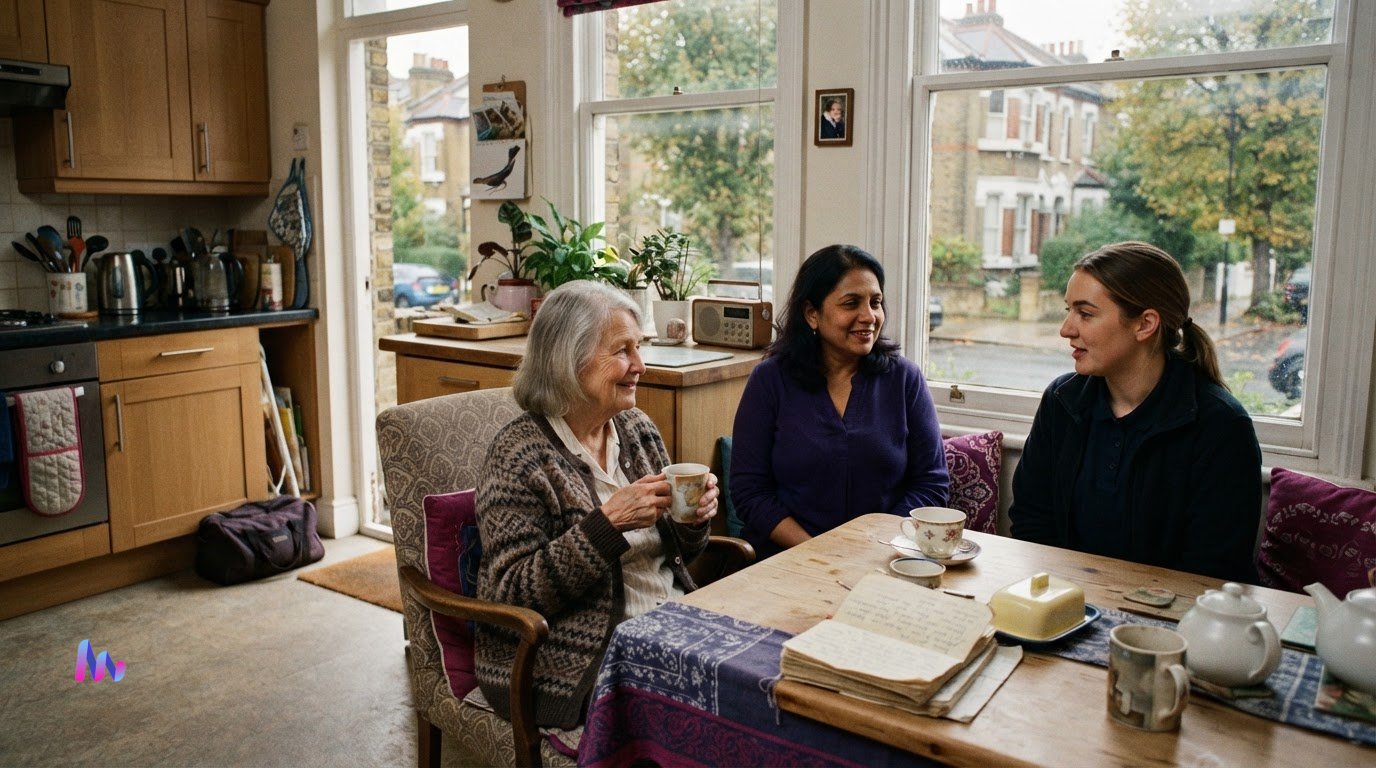
Caring can gradually narrow a person’s week to appointments, household tasks and supervision. A caregiver might notice cancelled plans with friends, poor sleep or growing frustration. These changes deserve attention, not blame. List what has become difficult, such as leaving the house or finding time to rest, and use it to identify useful support.
Ongoing stress, lack of sleep and little physical activity can affect caregivers’ health. Depression, anxiety and anger can also arise during demanding periods of care. If you feel increasingly isolated or exhausted, speak with someone you trust and describe the pressure plainly. A GP can discuss health concerns, while a carer’s assessment can identify how caring affects your daily life.
Build respite into the routine before every task feels urgent. A regular weekly visit, for example, could give a caregiver time to exercise, attend an appointment or meet a friend. Add it to a shared calendar and note which care tasks need covering. A predictable arrangement can help protect personal time and maintain social connections.
Consider what the person receiving care enjoys, too. A social visit, shared meal or activity can break up a quiet day and offer conversation beyond the usual household. The best option reflects the person’s interests and energy. A familiar board game, music or walk in a nearby green space may feel more comfortable than an unfamiliar group activity.
Respite services can provide practical cover while caregivers rest or reconnect with others. Depending on the person’s needs, support may include companionship, help with meals or personal care. Before arranging care, list the tasks that are hardest to manage and when support would make the biggest difference. This keeps the discussion focused on everyday pressures.
Look for early warning signs in the weekly routine. If a caregiver regularly misses meals, sleeps poorly or withdraws from friends, review the support plan rather than waiting for a crisis. Where possible, share responsibilities with relatives and agree on specific tasks, such as shopping or taking the person to an appointment. Clear requests make practical help easier to arrange.
For family caregivers in Highgate, a manageable plan can combine regular respite with small social goals. Start by protecting time for rest, a conversation with a friend or an activity outside the home. Review how the arrangement feels for both people, then adjust the timing or type of support. Consistent care can help make caregiving sustainable without leaving one person to carry every responsibility.
Comparing home, residential, day-centre and hospital respite
The right setting depends on the family member’s care needs, comfort and preferred routine. Compare how each option affects daily life, social contact and the practical handover, rather than choosing by setting alone.
Home respite keeps the person in familiar surroundings while someone else provides support. It may suit someone who finds change unsettling or needs help with everyday tasks at home. Consider what the visit must cover, such as companionship, personal care, meals or medication reminders, and share clear notes about routines.
Residential respite means a temporary stay in a care home. It can offer a change of setting and opportunities to meet others, while giving the family caregiver time away. Ask whether the person’s daily preferences and care needs can be accommodated. Some care homes accept advance bookings, which can help families plan.
Day-centre respite offers daytime activities and social interaction without an overnight stay. A centre may offer singing, games, arts and crafts, or services such as foot care and assisted bathing. Transport is often available, though it may involve a charge. Consider whether the journey, schedule and group environment suit the person receiving care.
Hospital care is distinct from a home, care home or day centre. Clarify the purpose of the stay and how the person’s support needs will be communicated. If a family member is in hospital, respite for their caregiver may depend on the support needed during that period and the arrangements for discharge.
For someone with dementia, familiar surroundings may feel more comfortable, while a new setting can offer different people and activities. Weigh the person’s response to change against the caregiver’s need for a reliable break. Share routines, communication preferences and practical care details before any temporary arrangement begins.
Compare care options by asking: does the setting meet the person’s daily needs, preserve their dignity and offer an appropriate level of social contact? Can the family caregiver take the required break with essential tasks covered? A short written plan can make the differences easier to discuss with relatives and care professionals.
For respite for family caregivers in Highgate, home support may suit families who prioritise familiar surroundings, while a care home may better suit a planned temporary stay. Day centres offer daytime activities, and hospital care has a different purpose. Choose an arrangement that fits the individual’s needs and the break being planned.
NeeryVille Care: Live-in Care
NeeryVille Care supports families in Highgate with care at home when daily caregiving leaves little room to rest. Live-in care provides personalised support in familiar surroundings, while dementia care, domiciliary care and end-of-life care address different needs.
This option may suit a person who needs ongoing help at home and prefers familiar surroundings to a temporary stay elsewhere. As a CQC-regulated home care provider, NeeryVille Care can discuss how live-in care in Highgate could fit the person’s routines and support needs.
For a calm conversation about care at home, contact NeeryVille Care.
Take the next step towards a more manageable care plan
Choosing respite for family caregivers in Highgate is also a chance to consider what could make everyday life more sustainable. Start with one clear priority: time away, tasks that need covering or the surroundings where your family member feels most at ease.
Write down the person’s usual routine, important preferences and support needs. Then discuss these details with relatives and the care team involved. A shared plan helps everyone understand what the break should provide and how to make the transition feel more settled.
You don’t need every detail worked out before starting the conversation. A calm discussion can help identify a suitable next step for your family’s circumstances.
Taking time to plan support is a caring step for both of you. Move forward one conversation at a time.
Frequently Asked Questions
What respite care services are available for family caregivers in Highgate, London?
Options include support at home, sitting services, daytime activities and temporary care-home stays. Home support can cover companionship, personal care, meal preparation or medication reminders, while a sitting service can provide a few hours of cover. For respite for family caregivers in Highgate, match the arrangement to the person’s daily support needs and the caregiver’s reason for taking a break.
Which local organisations offer respite care for carers in Highgate and nearby boroughs?
For council-arranged support, start with the adult social care team responsible for the person’s home address. Highgate addresses may fall under Haringey or Camden, depending on where the person lives. Charities and carers’ organisations may also provide information about local sitting services. Carers UK and the Alzheimer’s Society offer guidance for caregivers, including those supporting someone with dementia.
What types of respite are available, including sitting services, day care, and short breaks?
Respite may involve a volunteer or support worker sitting with someone for a few hours, a day-centre visit or a short care-home stay. Day centres can offer social activities such as games or arts and crafts. A break may last one night, a few days or a longer planned period. Consider whether the person needs support with meals, personal care or medication during the arrangement.
How can family caregivers in Highgate get a respite care needs assessment from the local council?
Ask the adult social care team for a carer’s assessment and an assessment of the person’s care needs. Explain the tasks you provide, how caring affects your wellbeing and what cover would help, such as support during appointments or overnight. Note the person’s daily needs and any changes in their care. The assessments help the council consider eligibility and suitable support, including a personal budget or direct payment.
How can carers arrange emergency or short-notice respite care in Highgate?
Contact the relevant council adult social care team and explain what has changed, what care is needed and when cover is required. Provide clear details about medicines, mobility, meals and key contacts. Keep emergency care notes somewhere easy to find. For private short-notice support, contact a home-care service directly and describe the tasks and timing needed. Don’t assume a particular arrangement can start immediately.
What respite support is available for caregivers of people with dementia in Highgate?
Support can include companionship or personal care at home, sitting services, daytime activities and short residential stays. Prepare a concise handover with the person’s usual routine, preferred name, communication style, familiar activities and anything that causes distress. Include practical details, such as where everyday items are kept. A consistent, person-centred plan helps caregivers provide support that feels familiar and respectful to their relative.