Post-stroke care at home in Highgate with tailored support

Yes, some people can be cared for at home after a stroke, provided their needs can be supported safely there. Post-stroke care at home in Highgate can be tailored around daily routines and changing abilities, alongside wider healthcare and rehabilitation support.
It’s understandable to wonder whether home is the right place to recover after a stroke. Familiar surroundings and routines can feel reassuring, but the support each person needs varies and may change during recovery. There is no single timetable or care plan that suits everyone.
This guide explains what post-stroke care at home can involve, how an assessment informs a personal care plan, and how support can fit around rehabilitation, personal care, meals, medication routines and appointments. It also covers when tailored home support may help, so you can consider the next steps with greater clarity.
Table of Contents
Benefits of familiar surroundings and one-to-one support
Yes, stroke survivors can receive care at home when the support suits their needs and the home environment is appropriate. Familiar rooms, belongings and routines can make daily activities easier to navigate. One-to-one support can be shaped around the person’s pace, communication and preferences. For families considering post-stroke care at home in Highgate, an assessment can help identify what support would be useful.
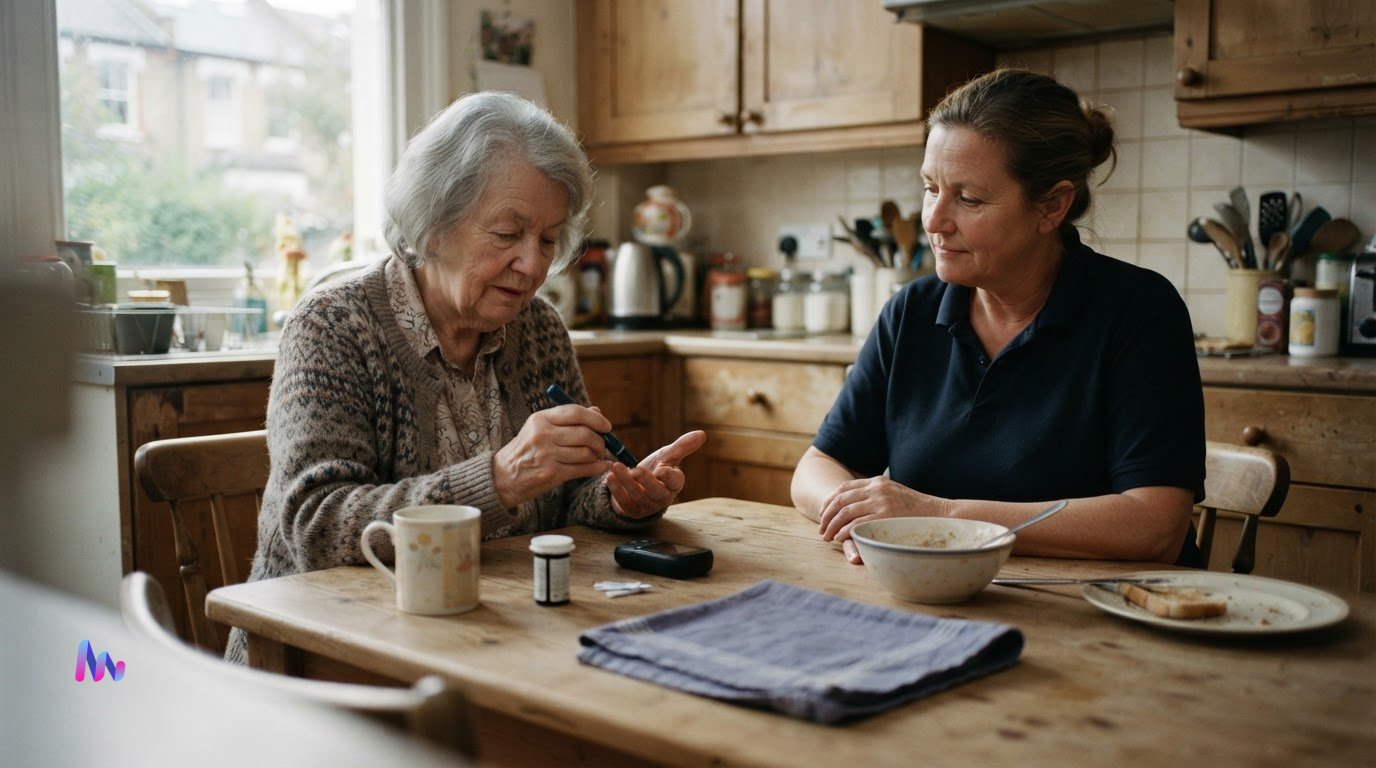
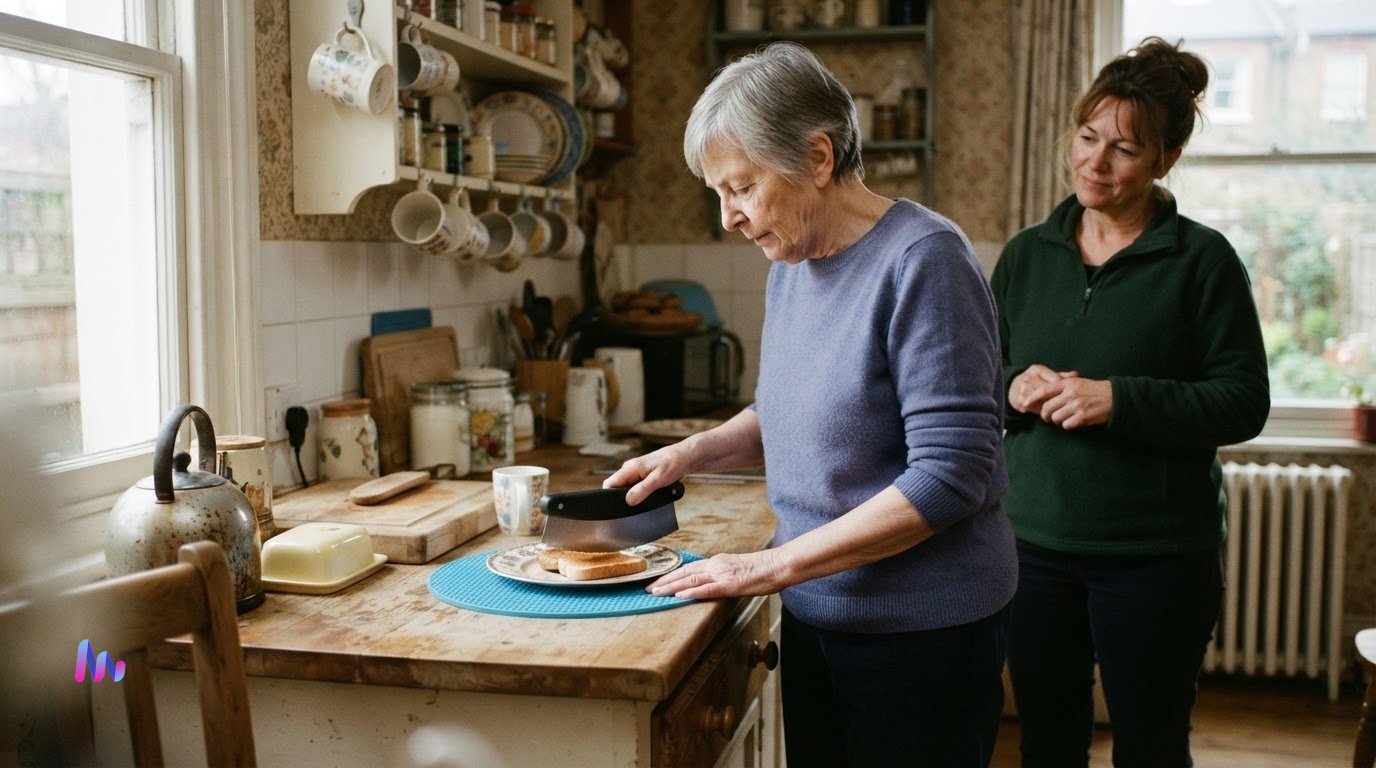
Home support can include washing, dressing, meals, mobility around the home and medication routines. For example, a carer can help someone prepare breakfast while encouraging them to do the steps they can manage. If speech or understanding has changed, allowing time and using clear, simple prompts can support communication. Care should follow the person’s rehabilitation plan, not replace clinical care.
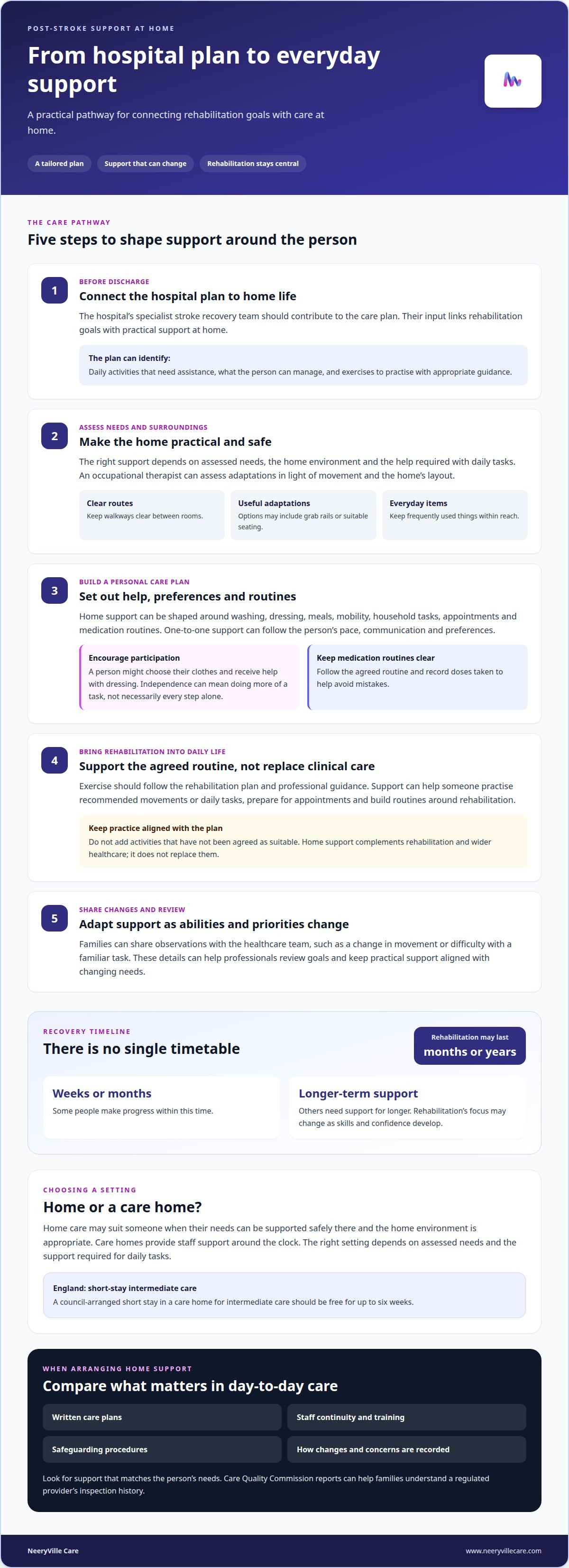
Accommodation options include recovering at home or receiving support in a care home. Care homes provide staff support 24 hours a day. In England, a council-arranged short stay in a care home for intermediate care should be free for up to six weeks. The right setting depends on assessed needs, the home environment and the support required for daily tasks.
In Highgate, look for domiciliary agencies that explicitly provide stroke aftercare. Compare written care plans, staff continuity, training, safeguarding procedures and how changes or concerns are recorded. The Care Quality Commission’s reports can help families understand a regulated provider’s inspection history. No agency names are listed here; focus on providers whose stated support matches the person’s needs.
Ask how care workers are prepared to support mobility, communication, personal care and medication routines. Stroke-specific experience and relevant training matter, alongside respectful communication and clear records. The CQC’s safeguarding information explains how concerns about safety should be handled; safeguarding in care is also central to thoughtful support.
Equipment and home adaptations depend on the person’s movement and the layout of their home. An occupational therapist can assess practical changes, such as grab rails, a clear route between rooms or suitable seating. Keep walkways clear and frequently used items within reach to reduce trip hazards. Follow the agreed medication routine and record doses taken to help avoid mistakes.
NHS or local authority funding may contribute to support, depending on the person’s needs and circumstances. NeeryVille Care can help families explore NHS Continuing Healthcare and local authority support. Family carers can also arrange respite care for planned help at home while they take a break. The length and type of support depend on the person’s needs.
Can stroke patients be cared for at home?
Yes, home care can suit someone after a stroke when their needs can be supported in that setting. Practical help at home can complement rehabilitation and the person’s wider healthcare support.
Rehabilitation after hospital discharge
Before discharge, the hospital’s specialist stroke recovery team should contribute to the care plan. This connects rehabilitation goals with support at home, rather than treating them as separate tasks. For example, the plan can identify which daily activities need assistance and which exercises the person should practise with appropriate guidance.
At home, support can help someone follow the agreed routine and notice changes in what they can manage. Recovery timelines vary: some people make progress within weeks or months, while others need longer-term support. Rehabilitation can last months or years, and its focus may change as someone relearns skills and builds confidence.
Exercise and regaining independence
Exercise should follow the person’s rehabilitation plan and guidance from their professional team. A routine might include practising a movement or daily task already recommended by a therapist. The aim is to support progress without adding activities that have not been agreed as suitable. Consistent, appropriately supported practice can connect rehabilitation goals with everyday life.
Independence can mean doing more of a task, not necessarily completing every step alone. For example, a person might choose their clothes and receive help with dressing. A care plan can specify the assistance needed and how it should adapt as abilities change. This helps carers encourage participation while respecting the person’s comfort and dignity.
Practical support matters too. A care worker can help someone follow agreed exercise routines, prepare for appointments or manage daily activities around rehabilitation. Families can share observations with the healthcare team, such as a change in movement or difficulty completing a familiar task. These details give professionals useful context when reviewing goals.
Stroke recovery may involve physical, cognitive and emotional rehabilitation, depending on the person’s needs. Someone who finds planning a meal difficult, for example, may need different support from someone practising safe movement around the home. A care plan can reflect these distinct goals and be reviewed as progress, abilities and priorities change.
Home support should complement, not replace, healthcare and rehabilitation. The hospital team’s plan provides a starting point; continuing support can help make its practical steps part of everyday routines. Families considering support with aftercare at home can discuss how daily assistance might fit around the person’s rehabilitation goals.
Care assessments and bespoke care plans
A useful assessment turns broad concerns into clear, practical support. For stroke aftercare, the hospital’s specialist stroke recovery team should contribute to the care plan. Their input connects rehabilitation goals with daily assistance at home. The plan can then describe what the person can do independently, where they need help and which routines matter most.
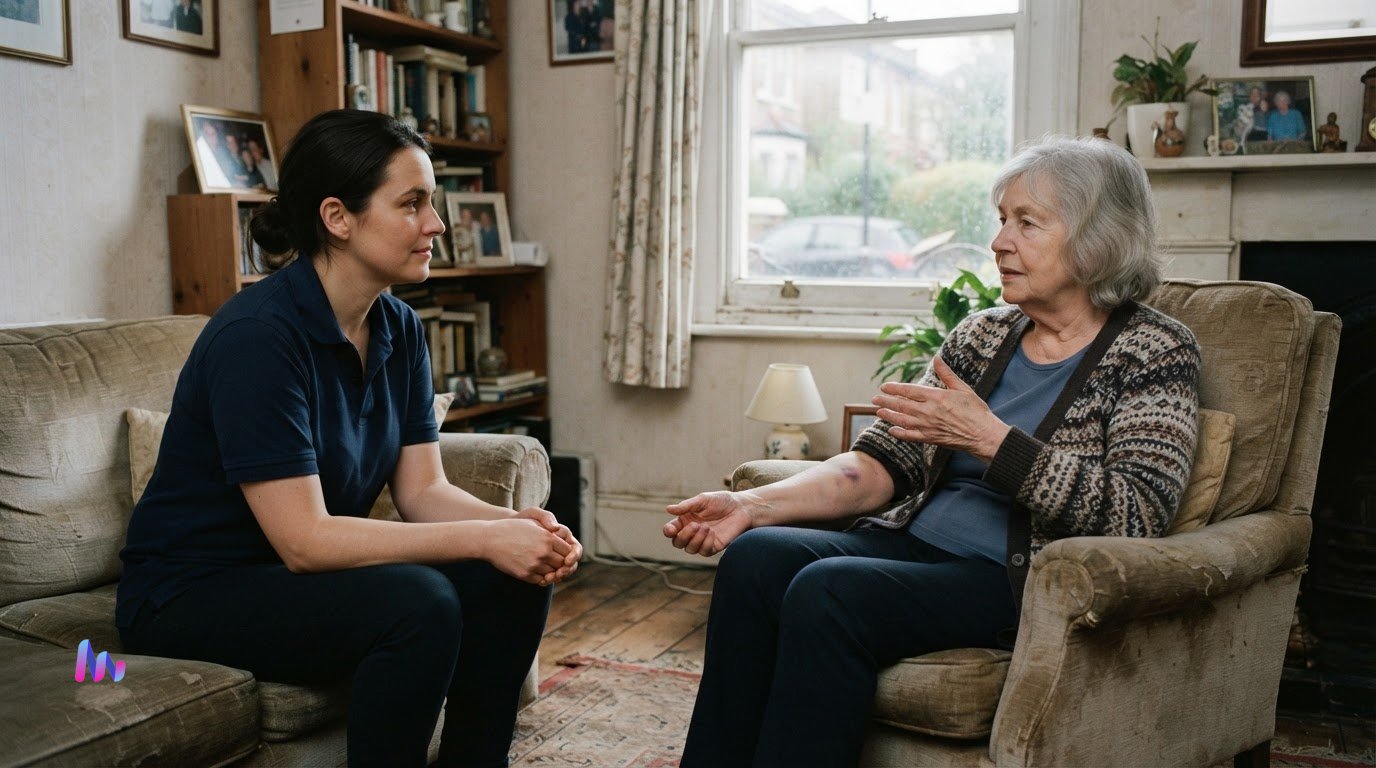
Start by considering an ordinary day. Note how the person manages getting up, washing, dressing, preparing food and moving between rooms. Include communication preferences, such as allowing time to answer or using short instructions. These details show how support can protect dignity while helping the person take part in familiar tasks.
The assessment should also consider the home environment and the person’s priorities. A narrow route to the bathroom, difficulty reaching kitchen cupboards or fatigue while dressing may affect how a task is approached. Record practical adjustments and the type of assistance needed. The aim is to identify where support can make daily life easier, not to assume what someone cannot do.
A personalised plan turns observations into specific actions. It might state that the person prefers a wash in the morning, needs help preparing lunch or follows exercises set by their rehabilitation team. Clear instructions help carers provide consistent support. They also make it easier to notice when a task becomes simpler, more difficult or needs a different approach.
Daily routines: describe preferred times and the steps where assistance is welcome.
Communication: note helpful prompts, pace and ways to support understanding.
Mobility: record the support needed for particular movements around the home.
Medication: set out the agreed routine and who is responsible for each task.
Personal goals: include skills the person wants to practise in everyday activities.
Review the plan when needs or abilities change. If someone begins managing more of dressing independently, for instance, support can focus on the remaining steps. A family member’s observations can help identify this change, while the specialist team’s rehabilitation goals remain an important reference. This keeps the plan centred on the person, rather than a fixed list of tasks.
Home care can support daily living and agreed routines, but it does not replace rehabilitation or nursing input from healthcare professionals. The plan should make responsibilities clear, especially when a need involves clinical judgement. Bringing together the person’s preferences, practical needs and professional guidance gives carers and family a shared, individual plan to follow.
In a UK financial assessment, each person is assumed to own 50% of shared assets such as savings or shares. For a care home financial assessment, a relative aged 60 or over, or a relative under 60 who is eligible to claim disability benefits, may affect whether the home is disregarded. A care home choice should suit assessed needs, have a place available and agree the support to be provided with the local authority.
Coordination with GPs and care agencies
After a stroke, home support works best when carers understand the person’s agreed rehabilitation goals. The hospital stroke team, GP and care provider may each contribute relevant information. Clear communication helps keep daily assistance aligned with the person’s current needs. For example, a carer can support a routine set by the rehabilitation team without changing its clinical instructions.
Start coordination with a clear, shared care plan. It can identify the main contact, the person’s communication preferences and the tasks carers provide. With the person’s consent, relevant information can be shared with those involved in their care. This gives the GP or rehabilitation professional useful context, such as whether a daily activity has become harder or easier.
Specific observations are most useful. Instead of saying someone seems “different”, a carer might record that the person now needs more help standing from a particular chair. Note what happened, when it occurred and what support was needed. These details help family members raise a clear concern with the relevant professional.
Changes in physical ability can affect several routines at once. Someone who finds walking to the kitchen harder may also need a different approach to meals or getting ready for an appointment. Carers can follow the existing plan, share factual observations and avoid introducing new exercises or clinical advice. The rehabilitation team remains responsible for guidance on rehabilitation goals.
For practical coordination, agree how updates will reach the right person. This could mean keeping a written record for family members and sharing relevant observations with the GP or rehabilitation contact. Clarify who arranges appointments, who helps the person attend and who follows up afterwards. A consistent process matters, especially when several carers support different visits.
Share relevant changes: describe the activity affected and the assistance required.
Keep instructions clear: use the current care plan and note who provided updates.
Raise concerns promptly: direct health questions to the appropriate healthcare professional.
Review practical support: discuss whether daily tasks still match the person’s progress.
Families can ask NeeryVille Care how carers communicate observations and keep information organised. The process should explain how information is shared, without suggesting care staff make clinical decisions. When everyone understands their role, the GP and rehabilitation professionals can focus on health guidance, while carers provide practical support in line with the agreed plan. This joined-up approach keeps the person’s priorities at the centre.
Personalised stroke aftercare at home
After hospital discharge, aftercare should reflect how the stroke affects the person’s everyday life. One person may need help with washing and dressing, while another needs support preparing meals or attending appointments. A compassionate approach listens to preferences, protects privacy and gives the person time to participate. The key is to tailor support to actual needs, not impose a standard routine.
Personal care, household tasks, meals, appointments and medication routines can all form part of home aftercare. The balance depends on the person’s abilities and priorities. For example, someone who can choose clothes but struggles to dress may need help only with that part of the routine. This keeps support focused, helps preserve confidence and avoids taking over tasks the person can still manage.
Rehabilitation can include physical, cognitive and emotional support, depending on individual needs. Home care should fit around the therapy and guidance provided by the person’s healthcare team. A carer might help someone prepare for an appointment or follow an agreed daily routine, while leaving clinical decisions and therapy instructions to the relevant professionals. This distinction connects practical support with recovery without replacing treatment.
Personal care: agree what help is wanted with washing, dressing and daily routines.
Meals: adapt preparation support to the person’s abilities and preferences.
Appointments: plan practical assistance around scheduled healthcare visits.
Medication routines: follow the agreed instructions and record support consistently.
Recovery follows no single timetable. Some people make significant progress within weeks or months, while others need longer-term support. Rehabilitation for many stroke survivors can last months or years, and the help needed may change as skills develop. A flexible plan can reflect new goals, such as moving from full assistance to help with selected steps.
Small, specific observations can guide adjustments. If preparing a simple meal becomes easier, support might shift towards tasks that remain difficult. If fatigue makes an evening routine harder, the care plan can record where help is most useful. Family observations and updates from the healthcare team help keep support grounded in the person’s current abilities, rather than assumptions about progress.
Personalised aftercare is more than a list of visits or tasks. It connects practical help with therapy goals, personal preferences and the person’s changing confidence. For one person, success may mean taking part in dressing; for another, it may mean having enough support to attend an appointment. Clear, compassionate assistance makes these individual priorities part of everyday care.
NeeryVille Care
NeeryVille Care can help families explore whether tailored support at home would suit someone after a stroke. Its domiciliary care in Highgate offers flexible visits shaped around individual needs, such as assistance with daily living and familiar routines. As a CQC-regulated provider, NeeryVille Care offers a practical next step when managing aftercare alone feels difficult or the person needs more help following hospital discharge.
Support should complement the person’s healthcare and rehabilitation plan, focusing on their preferences, dignity and changing abilities. A care assessment can clarify what daily assistance would help and how home support could fit into family life.
Contact NeeryVille Care to discuss post-stroke support at home in Highgate.
Choose a next step that feels manageable
Recovery at home is personal, and the next step does not have to resolve every concern at once. Begin by focusing on what the person wants to keep doing, where daily life feels hardest and what help could preserve their dignity. Naming one practical priority can make planning more manageable for the person and their family.
For families considering post-stroke care at home in Highgate, NeeryVille Care can discuss support shaped around the person’s wishes and household routine. Services include domiciliary care, live-in care and dementia care. The same carer provides every visit or each day of live-in support, helping create continuity. An assessment can help you describe what matters most, from daily assistance to more consistent support at home.
You don’t need every detail worked out before taking the next step. Start with the concern that matters most today, then consider the options calmly together.
Frequently Asked Questions
Can you support rehab after discharge from Whittington or Royal Free Hospital?
Yes, home care can help someone follow everyday routines after discharge from Whittington Hospital or Royal Free Hospital. Support can be planned around discharge information and rehabilitation goals, such as getting ready for an appointment or maintaining a familiar daily routine. Care workers provide practical assistance, not hospital-based treatment. Clinical rehabilitation remains the responsibility of the relevant health professionals.
What does post-stroke care at home include?
Post-stroke home care can include practical help with personal care, meal preparation, medication routines and household tasks. The support depends on what the person needs help with. For example, someone may want help dressing before breakfast but prefer to eat independently. Families can describe these preferences during an assessment so the agreed support reflects the person’s day, rather than applying the same routine to everyone.
What post-stroke care services are available at home in Highgate, London?
In Highgate, NeeryVille Care provides post-stroke care at home through domiciliary and live-in care. Domiciliary care means planned visits for agreed daily tasks, with the same carer for every visit. Live-in care provides one-to-one support from a carer living in the home, with the same carer each day. The right arrangement depends on the person’s needs, preferred routines and level of support required. Care can include personal assistance and help after hospital discharge.
How do I arrange a needs assessment and care plan after a stroke in Highgate?
Contact NeeryVille Care to arrange an initial care assessment and discuss support at home. Explain which daily tasks are difficult, what the person manages independently, and any relevant discharge or rehabilitation instructions. The assessment can inform a personalised care plan, including the type of support and visit schedule. NeeryVille Care can also help families explore funding options, including NHS Continuing Healthcare and local authority support.
What rehabilitation and therapy can be provided at home after a stroke?
At home, carers can support practical routines that complement rehabilitation goals set by the person’s healthcare team. They can help someone prepare for an appointment or follow an agreed daily routine. Physical, cognitive and emotional rehabilitation needs vary, so therapy plans should come from relevant health professionals. Home care can support day-to-day living alongside rehabilitation, while clinical treatment is generally handled separately.
What qualifications and training should a stroke home care worker have?
Look for stroke-specific experience and relevant training in supporting mobility, communication, personal care and medication routines.