Live-in care in Kensington: costs, support and arranging care

Care doesn’t have to mean leaving home. Live-in care in Kensington means a carer lives in the person’s home and provides personalised help with daily routines, companionship and support as needs change. It can offer a familiar, one-to-one alternative for someone who needs more help than occasional visits can provide.
It’s understandable to want clear answers before making such a personal decision. This guide explains what live-in care in Kensington can involve, how quickly care can be arranged, what affects the cost and which conditions a carer can support. It also compares care at home with a care home, helping you consider what may suit your family.
Table of Contents
What is live in care?
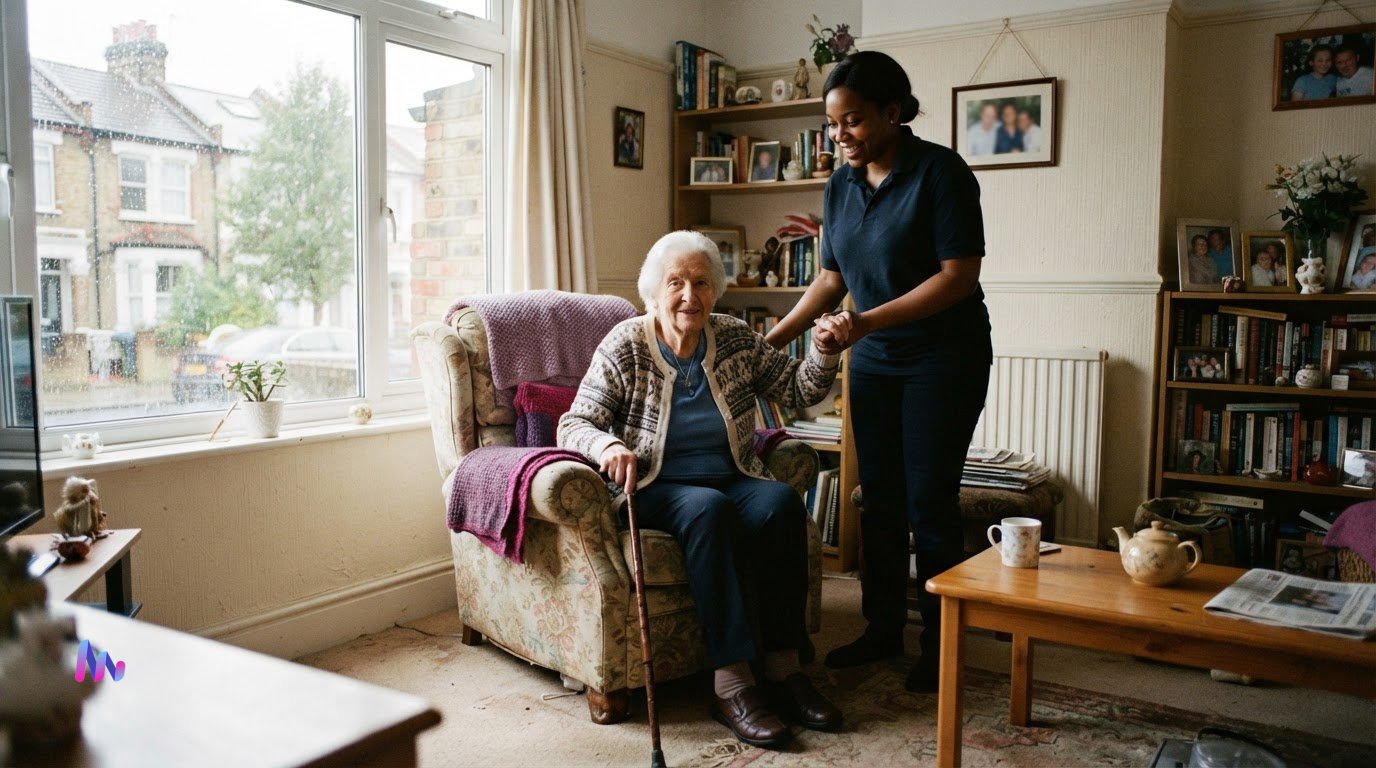
Live-in care in Kensington means a carer lives in the person’s home and provides agreed, one-to-one support around daily life. Support can include personal care, medication support, help with mobility, meals and light housekeeping, shaped around the person’s routines and preferences.
For families in Kensington and Chelsea, the key question is which tasks would make life at home safer and more manageable. Assessing everyday needs helps turn that question into a practical care plan.
Personalised Daily Support
A personalised care plan sets out the support a person needs, the routines they want to keep and how they prefer assistance to be given. For example, it can record when someone likes to get dressed, what help they need moving between rooms and how medication support fits their usual day.
Consider which tasks need hands-on help and which the person can still do independently. This helps keep support respectful and avoids taking over familiar activities unnecessarily.
What does live-in care in Kensington include? Support can cover personal care, medication support, mobility assistance and practical help at home, according to the person’s needs and agreed plan. The aim is to support daily life while respecting the individual’s choices.
Personal Assistance and Housekeeping
Personal care may include support with washing, bathing, dressing or using the toilet. The person’s comfort and privacy matter, so families should discuss how they want help offered, including whether they prefer prompts or direct assistance with a task.
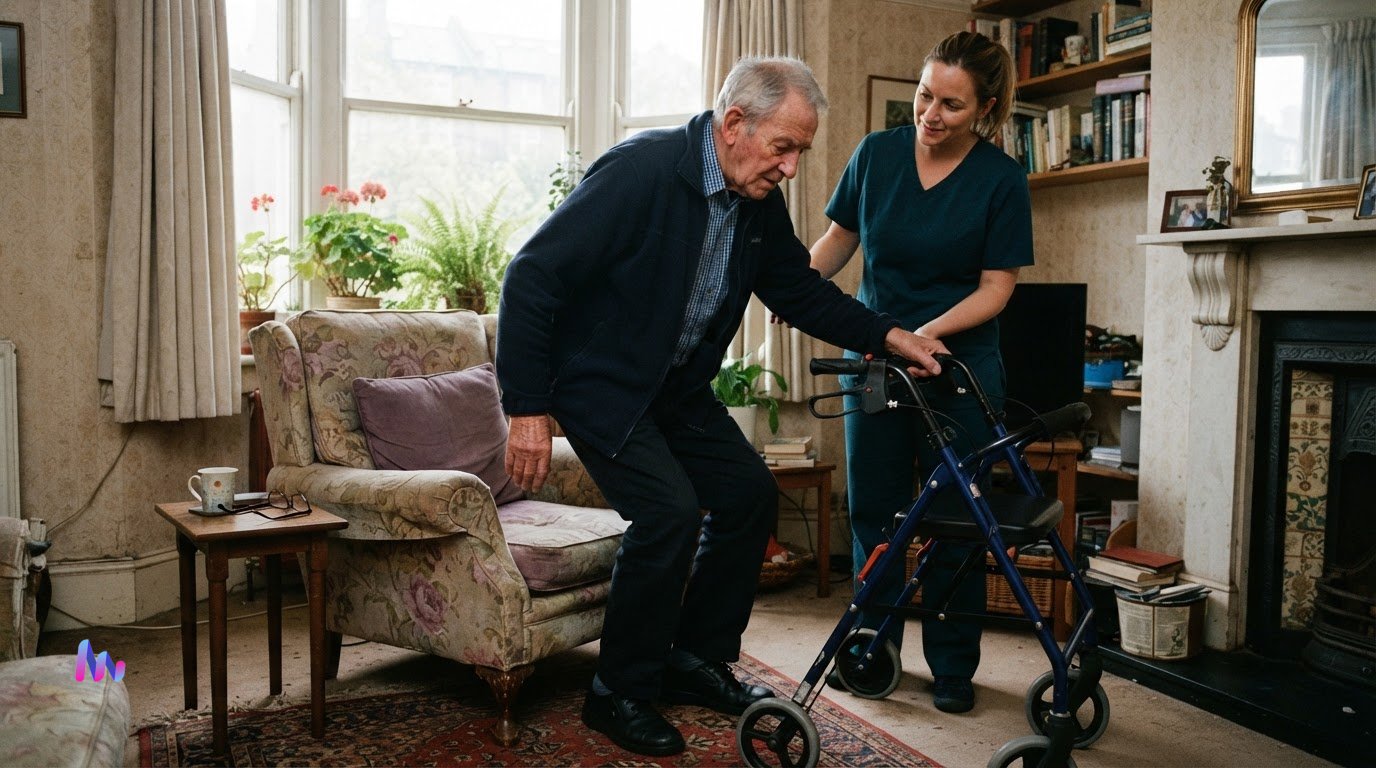
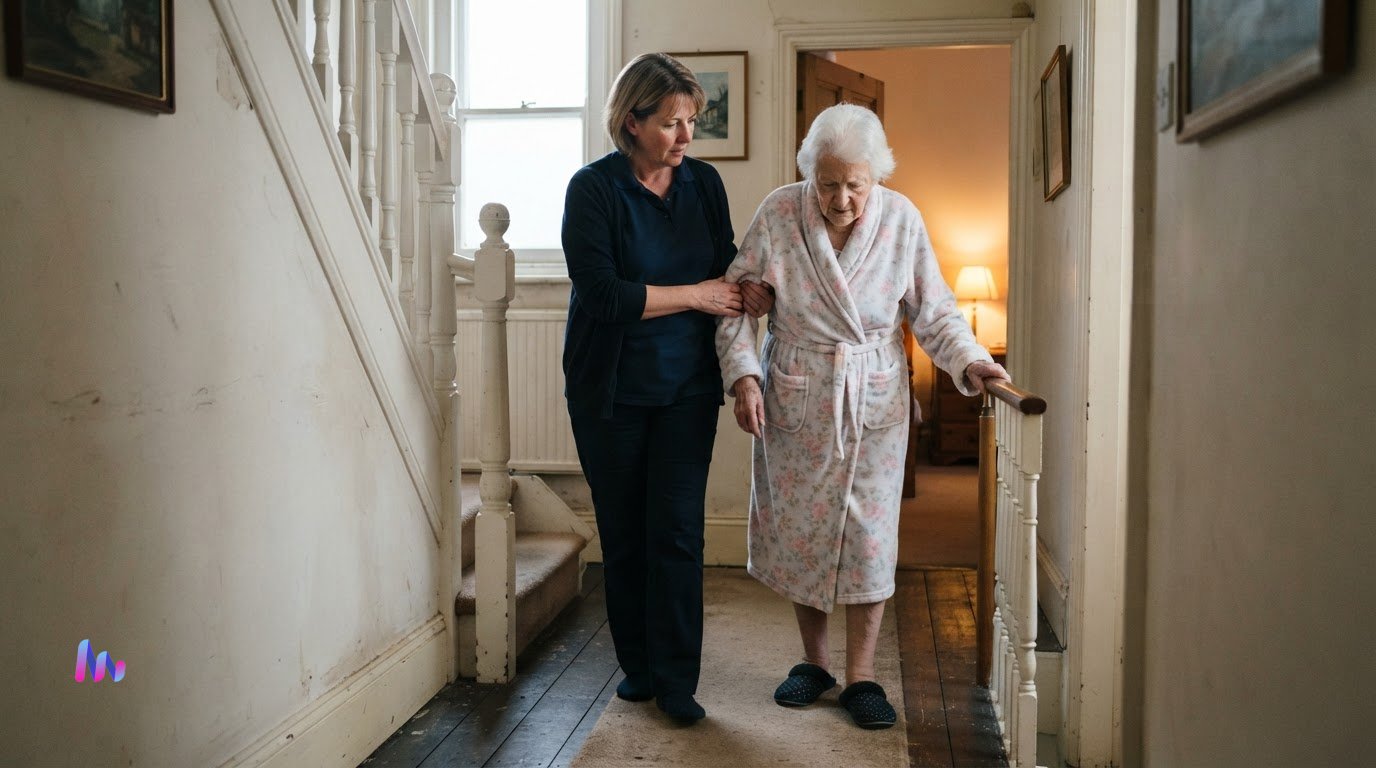
Medication support can help someone follow their established routine, while mobility assistance can make moving around the home easier. For example, the plan can describe the help needed to get from a bedroom to the kitchen, rather than treating mobility as a general need.
Light housekeeping can cover everyday tasks such as keeping frequently used areas tidy. Agreeing which household tasks matter most helps define practical support and set clear expectations.
Independence and Suitability at Home
Live-in support can help someone stay among familiar belongings and continue preferred routines. Walk through the home together to consider access between rooms, the bathroom, stairs and the places used for meals or rest.
How do I assess whether a home is suitable for live-in care? Look at the person’s mobility and daily tasks alongside the home’s layout, available space and practical arrangements for a carer to stay. For a local overview, see live-in care in Kensington.
There are also practical considerations. Sharing a home can reduce privacy, and a layout that makes movement difficult may need adjustments. Live-in care may not suit someone whose needs require continuous clinical monitoring. Discussing these points openly helps families judge whether the arrangement fits the person and household.
How quickly can care be arranged in Kensington and Chelsea?
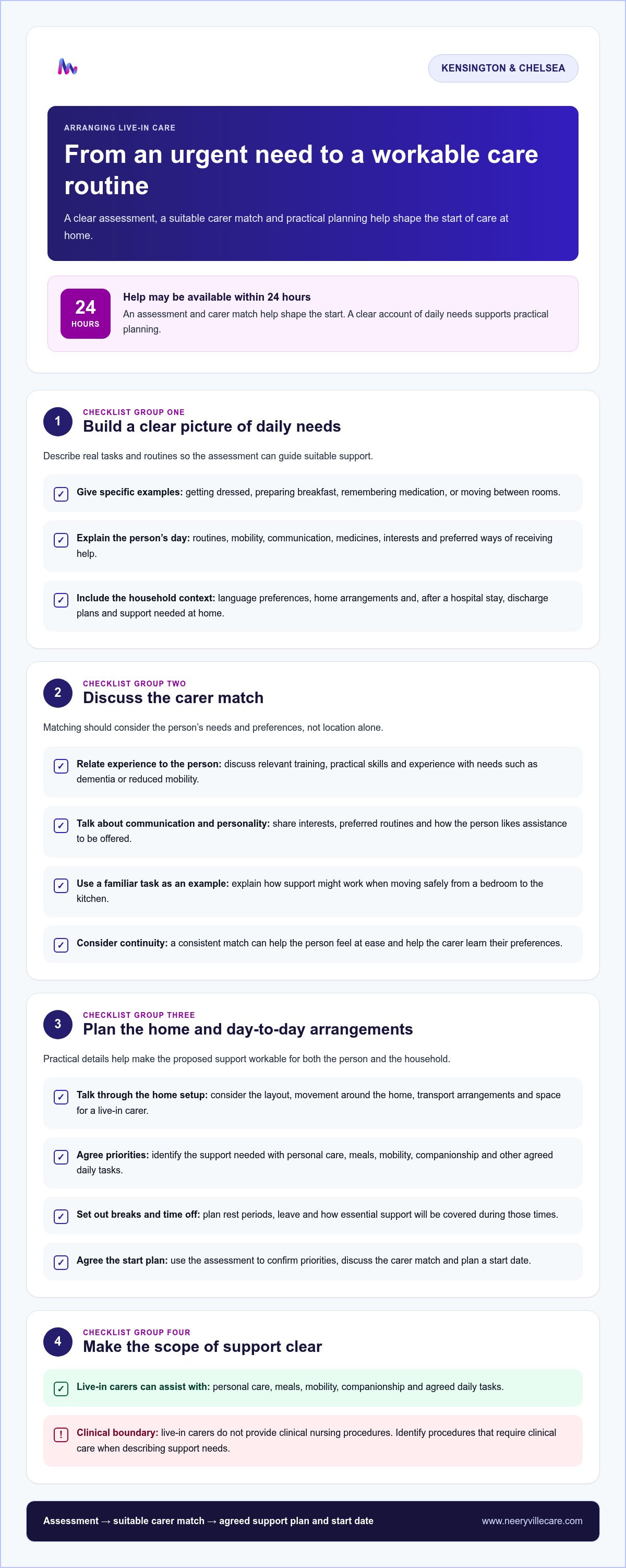
In Kensington, families can get help within 24 hours, with an assessment and carer match shaping the start. A clear account of daily needs helps identify suitable support and the practical arrangements required.
Care Needs Assessment and Carer Matching
A care assessment builds a picture of the person’s routines, mobility, communication and support needs. Describe specific tasks, such as getting dressed, preparing breakfast or remembering medication, rather than relying on broad labels. These details help guide a carer match based on relevant experience, practical skills and personality.
Explain preferred routines, interests, language and household arrangements, too. For example, someone who values a quiet morning may feel more comfortable with a carer who respects that routine. The assessment should distinguish everyday tasks a carer can support from clinical procedures that require clinical care.
Finding and Selecting a Local Carer
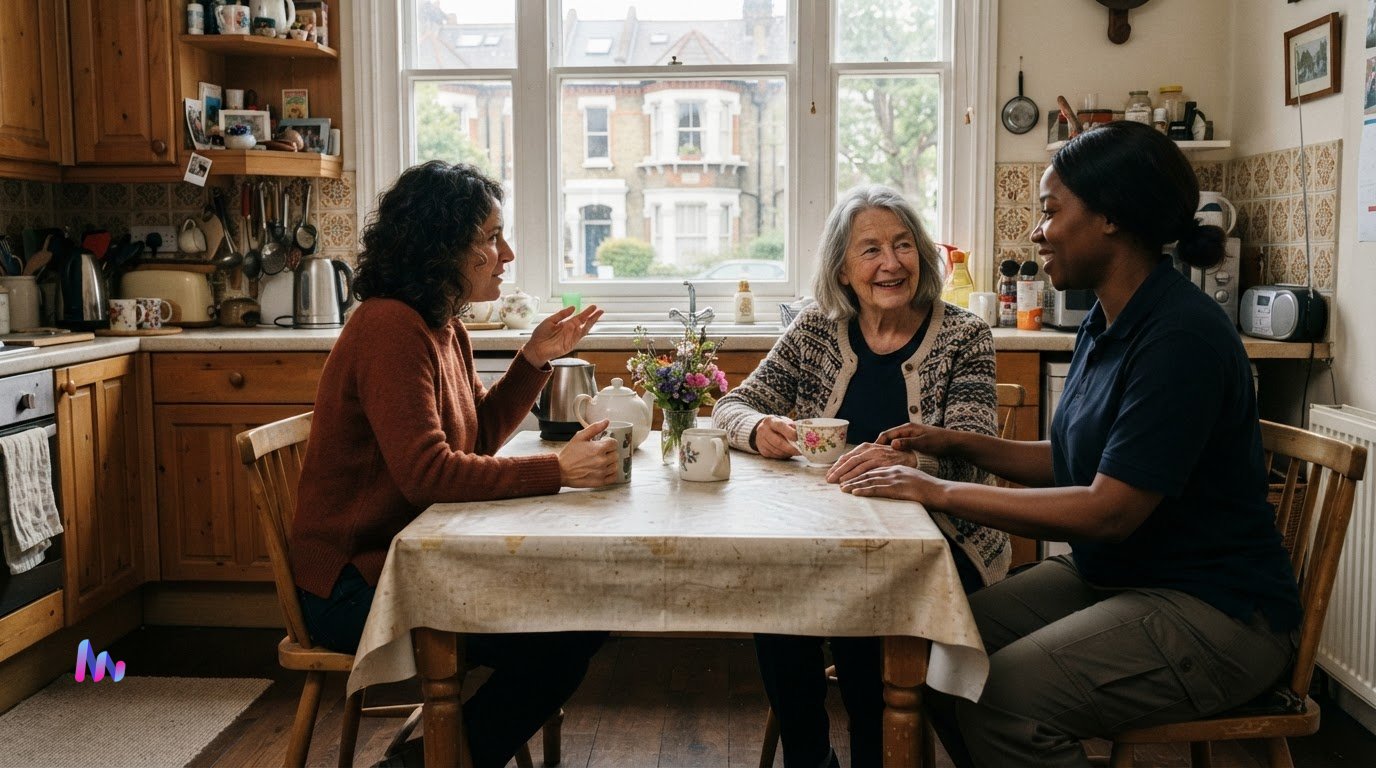
For care in Kensington and Chelsea, matching should consider more than location. Relevant training, experience with the person’s needs and communication style all matter. Discuss how the carer would support a familiar task, such as moving safely from a bedroom to the kitchen.
Continuity matters, too. A consistent match can help a person feel at ease and let the carer learn their preferences. London households should also consider practical details, including the home layout, transport arrangements and space for a live-in carer.
To organise care, gather a concise account of current needs, daily routines, medicines and important preferences. Then use the assessment to agree priorities, discuss the suitable carer match and plan a start date. If care follows a hospital stay, include discharge plans and the support needed at home.
Live-in carers can assist with personal care, meals, mobility, companionship and agreed daily tasks. They do not provide clinical nursing procedures. Make this distinction clear when describing care needs, so the plan focuses on appropriate support.
What happens when a live-in carer needs breaks or time off? The care plan should set out rest periods, planned leave and how essential support will be covered during those times. Discuss the household’s routines and support needs so arrangements account for meals, medication prompts and assistance with moving around.
A carer’s experience should relate to the person’s needs, such as dementia or reduced mobility. A useful matching discussion covers practical examples, communication preferences and how the person likes help to be offered. These details can make the transition clearer for the person and their family.
For local context, the Kensington live-in care service explains how support at home can be arranged. A thoughtful assessment, relevant carer match and planned cover help families move from an urgent concern to a workable care routine.
Care costs and budget transparency
Live-in care costs depend on the person’s support needs and the practical arrangements at home. A clear assessment helps families understand what a quote covers before planning a budget.
How is live-in care funded, including local council support in Kensington and Chelsea? Families can ask Kensington and Chelsea Council about an assessment and whether support may apply. Families can contact their local council to ask about available support.
Care Costs and Assessment
The cost of live-in care is given after a quote request and depends on the individual case. Factors include the level of personal assistance, medication support, mobility needs, companionship and the daily care routine.
An assessment clarifies those needs. Someone who needs help with washing, dressing and moving around the home may need a different support plan from someone who mainly needs companionship and medication support. The personalised quote reflects the agreed care arrangements.
Ask for a clear breakdown of what the proposed care covers, including how support is organised and what happens if needs change. Families can compare the plan with the assessment: if help with bathing or mobility was identified, those tasks should be addressed explicitly. This makes it easier to understand the relationship between the care plan and the quoted cost.
Budget Planning and Funding
For budgeting, list the support required across a typical day, then note any differences between weekdays and weekends. Include practical needs such as getting ready, medication support and companionship, alongside any changes expected after a hospital discharge.
You can explore possible funding through NHS Continuing Healthcare or local authority support. NeeryVille Care can help families explore these options at no extra cost. Keep the person’s care needs and household circumstances in mind when discussing how funding might relate to the care plan.
Write down the daily tasks that require support.
Include changes in mobility, medication routines or companionship needs.
Compare the proposed care plan with the quote, task by task.
Care costs are easier to plan when the assessment, care plan and quote describe the same support. Discuss priorities such as comfort, companionship and independence at home alongside practical assistance. A written record also helps families revisit the plan if routines or support needs change.
What conditions can live-in carers support?
Live-in care can support people with dementia, Alzheimer’s, reduced mobility, Parkinson’s disease, multiple sclerosis, cancer and needs related to ageing. The diagnosis matters, but so do its effects on daily life, such as needing reminders, help washing or assistance moving around the home.
Dementia and condition-specific support
Across the UK, 850,000 people are living with dementia. Support at home can focus on familiar routines, companionship, personal care and medication prompts. For example, a carer might help someone prepare for the day in the same order each morning, using familiar cues and respecting their choices.
Condition-specific care should reflect how each person is affected. Someone with Parkinson’s may need practical help with daily activities, while a person with multiple sclerosis may need support that changes with fatigue or mobility. Families in Kensington and Chelsea can describe these differences during assessment instead of relying on a diagnosis alone.
Complex needs and specialist support
Complex needs may involve several kinds of assistance at once. For example, someone recovering after a stroke might need help with washing, dressing, meal preparation and moving safely around the home. A written plan can set out each task, the person’s preferences and any changes the family has noticed.
Medication support can help someone follow an established routine, but carers do not provide clinical nursing procedures. If a person needs clinical procedures or monitoring, those requirements call for clinical care alongside any suitable home support. This distinction helps families understand what home care can involve.
End-of-life needs at home
End-of-life care can include companionship, personal care and practical help that allows someone to remain at home, if that suits their circumstances. A carer may assist with washing, offer a calm presence and help maintain everyday comfort. Families can explain important wishes and routines when discussing care.
Care workers and healthcare professionals have different roles. A carer can provide agreed daily assistance, while clinical needs require appropriate clinical input. Making that distinction early helps families understand the support plan and who is responsible for each part of care.
When discussing care in Kensington and Chelsea, describe an ordinary day and what changes during more difficult periods. Note tasks such as showering, mobility support, medication prompts or reassurance when routines are disrupted. These examples help shape personalised support more clearly than broad terms such as “specialist”.
Discuss how the care plan will respond if needs change, such as after a fall or a change in memory. Consider a regulated provider’s quality through the practical support described, rather than relying on claims such as “outstanding” care. Clear roles, respectful communication and a plan matched to the person matter most.
Live-in care as an alternative to a care home
Live-in care provides support in a person’s own home, while a care home offers support in a shared residential setting. Other options include visiting care, overnight care and respite care. The right arrangement depends on daily needs and personal preferences.
Care at Home and Daily Routines
At home, support can fit around familiar routines, such as breakfast in the kitchen or an evening walk. A care plan can set out how help fits around meals, personal care and rest, while respecting the person’s own choices.
Care arrangements can cover 24 hours a day, 7 days a week, 365 days a year, with rest and cover planned as part of the arrangement. Families should consider what happens overnight, when the person needs help, and how the carer’s breaks are covered.
Benefits of Care at Home
Staying at home can preserve familiar surroundings, household routines and contact with neighbours. Someone might continue listening to the radio in their favourite chair or having lunch at their usual table, with support adapted to those routines.
9 out of 10 older people would prefer care in their own home. 97% of people receiving care at home say it has improved their quality of life. These figures describe reported preferences and experiences, not a guarantee of what any individual will experience.
A care home offers a residential setting with support organised around shared services and routines. It may suit someone whose needs are difficult to manage safely at home, or who prefers living alongside other residents. Consider the person’s wishes, support needs and household circumstances together.
Home care can also mean scheduled visits rather than a live-in arrangement. Visiting Care and Hourly Care may suit someone who needs help with specific tasks, such as washing in the morning or preparing an evening meal. Overnight care can suit needs that arise mainly at night; respite care can provide temporary support for a family carer.
Compare options by mapping a typical day, including when help is needed and when the person is comfortable alone. Someone who manages daytime routines but needs assistance overnight may need a different plan from someone requiring help throughout the day.
For people living with dementia, 85% would want to stay in their own home if diagnosed. Familiar surroundings may matter, but the home’s layout, care needs and available support still shape whether that option is workable. Discussing these factors helps families weigh home care against a residential setting without assuming one choice suits everyone.
Consider how each arrangement supports privacy, companionship, daily activities and family involvement. A written comparison can note what help is available at home, what a residential setting provides, and whether visiting, overnight or respite care could address particular needs.
NeeryVille Care: Live-in Care
NeeryVille Care provides live-in care for people who need personalised support while remaining at home. If your family is considering care in Kensington, discuss the person’s everyday needs, preferred routines and the help that could make life at home more manageable.
Support can include dementia care, domiciliary care or end-of-life care, depending on the person’s circumstances. NeeryVille Care is a CQC-regulated home care provider offering agreed support shaped around the individual. Share practical details, such as help with daily routines or changes after a hospital stay, to start a focused conversation about suitable care.
Contact NeeryVille Care to discuss care at home and the next steps for your family.
Choose a next step that feels manageable
Deciding on live-in care in Kensington is personal, and families may need time to discuss what feels right. Start by asking the person receiving support what matters most to them, then note the routines they want to keep and where assistance would make daily life easier.
Bring those priorities into a conversation with NeeryVille Care. Discuss whether live-in care, dementia care or domiciliary care suits the person’s circumstances, and explain what you hope support will help them continue doing. You do not need to have every detail settled before starting the conversation.
Taking one considered step can make a difficult decision clearer. Your family can move forward at a pace that respects the person’s wishes and dignity.
Thoughtful planning and the right support can help create a more settled path.
Frequently Asked Questions
What is expected of a live-in carer in Kensington?
A live-in carer provides agreed practical and personal support in the person’s home, following their care plan. This can include help with washing and dressing, meal preparation, companionship and medication support. For example, the plan might set out how the carer supports a morning routine while encouraging the person to do what they can independently. A carer’s support may not include clinical procedures, so clarify which tasks are covered in the care plan.
How much does live-in care cost in Kensington per week?
The weekly cost is based on the person’s needs and the agreed care arrangements. Factors include the type and level of daily assistance, mobility support, medication routines and whether dementia care is needed. A personalised quote is provided before any agreement, so families can see the cost for the support being arranged. Consider the full care plan alongside the quote when budgeting.
Which live-in care agencies serve Kensington, London?
NeeryVille Care serves Kensington with live-in care and is a CQC-regulated managed home care provider, not an introductory agency. Its carers are directly employed and supervised by the provider. Families looking for care in Kensington can discuss the person’s circumstances and whether a home-based plan is suitable. This gives the conversation a local focus, including the routines and practical needs of the household.
How do I choose a live-in care provider in Kensington?
Start by matching the care plan to the person’s day-to-day needs, then consider how the carer’s experience and approach fit their preferences. For example, someone living with dementia may benefit from familiar routines and calm communication. NeeryVille Care provides the same carer for each live-in arrangement, supporting continuity. Also consider how the plan sets out duties, rest arrangements and what happens if needs change.
What qualifications and checks should a live-in carer have in the UK?
The relevant skills depend on the person’s support needs. A carer supporting someone with dementia, for example, needs experience and training suited to that role, alongside clear guidance in the care plan. NeeryVille Care directly employs and supervises its carers as a CQC-regulated provider. Its approach matches carers to care needs and personal preferences, while distinguishing everyday support from clinical procedures.
How quickly can live-in care be arranged in Kensington?
NeeryVille Care arranges care within 24 to 48 hours of the initial assessment. The assessment helps establish the person’s needs and inform the carer match, so families should be ready to describe daily routines, essential tasks and any recent changes. For example, after hospital discharge, include the support needed at home and the arrangements already made for the transition.