Parkinson’s Home Care in Highgate for Daily Needs

Parkinson’s care at home in Highgate can bring practical, personalised support into familiar surroundings, from help with daily routines and medication to companionship and live-in care. It’s shaped around the person, their preferences and the support they need each day. For families, that can make care feel more manageable without losing sight of dignity and independence.
It’s understandable to worry about how changing needs will affect everyday life, or how to coordinate care with family and medical professionals. Parkinson’s care at home in Highgate can support personal care, mobility, meals and household tasks while keeping family members involved in decisions and updates. The right balance depends on the individual.
This guide explains what Parkinson’s care at home can involve, how medication support and clinical coordination fit in, and when visiting or live-in care may be appropriate. It also looks at how support can adapt as needs change, helping you consider the next steps with greater clarity.
Table of Contents
Can Home Care Be Coordinated With Medical Professionals?
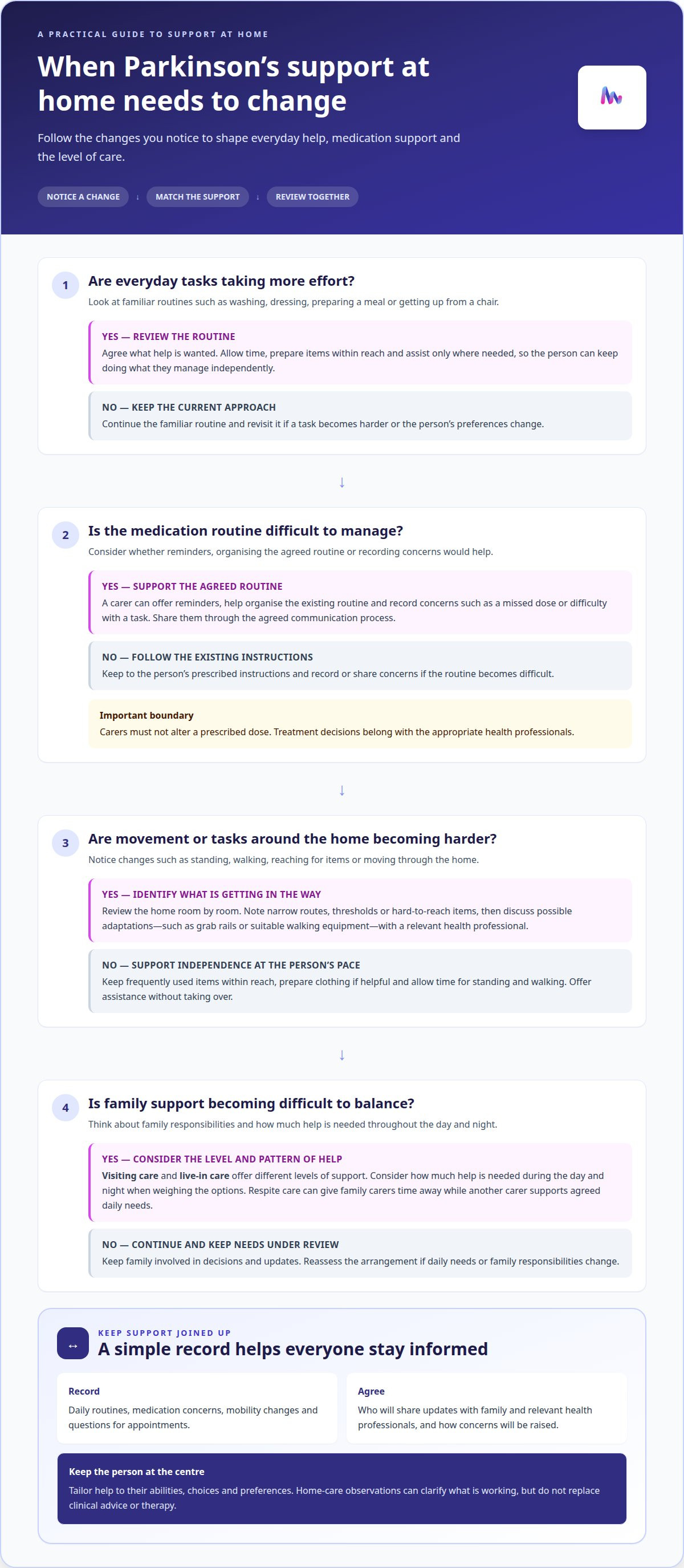
Yes. Parkinson’s care at home can complement medical care by supporting daily routines and sharing useful observations with the person’s family and health professionals. A carer might help with dressing, washing, meal preparation and household tasks, while noting changes that affect those routines. This can clarify what is working at home without replacing clinical advice or therapy.
For Parkinson’s home safety adaptations and equipment in the UK, begin with a room-by-room review of tasks that feel difficult. Note obstacles such as narrow routes, thresholds or hard-to-reach items, then discuss possible adaptations, such as grab rails or suitable walking equipment, with a relevant health professional. Let the person’s mobility and home layout guide the choices.
Medication support can make an existing routine easier to follow. Carers can offer reminders, help organise the agreed routine and record concerns, such as a missed dose or difficulty managing a task. They must not alter a prescribed dose. Family members can share relevant updates with the medical team, leaving treatment decisions to the appropriate professionals.
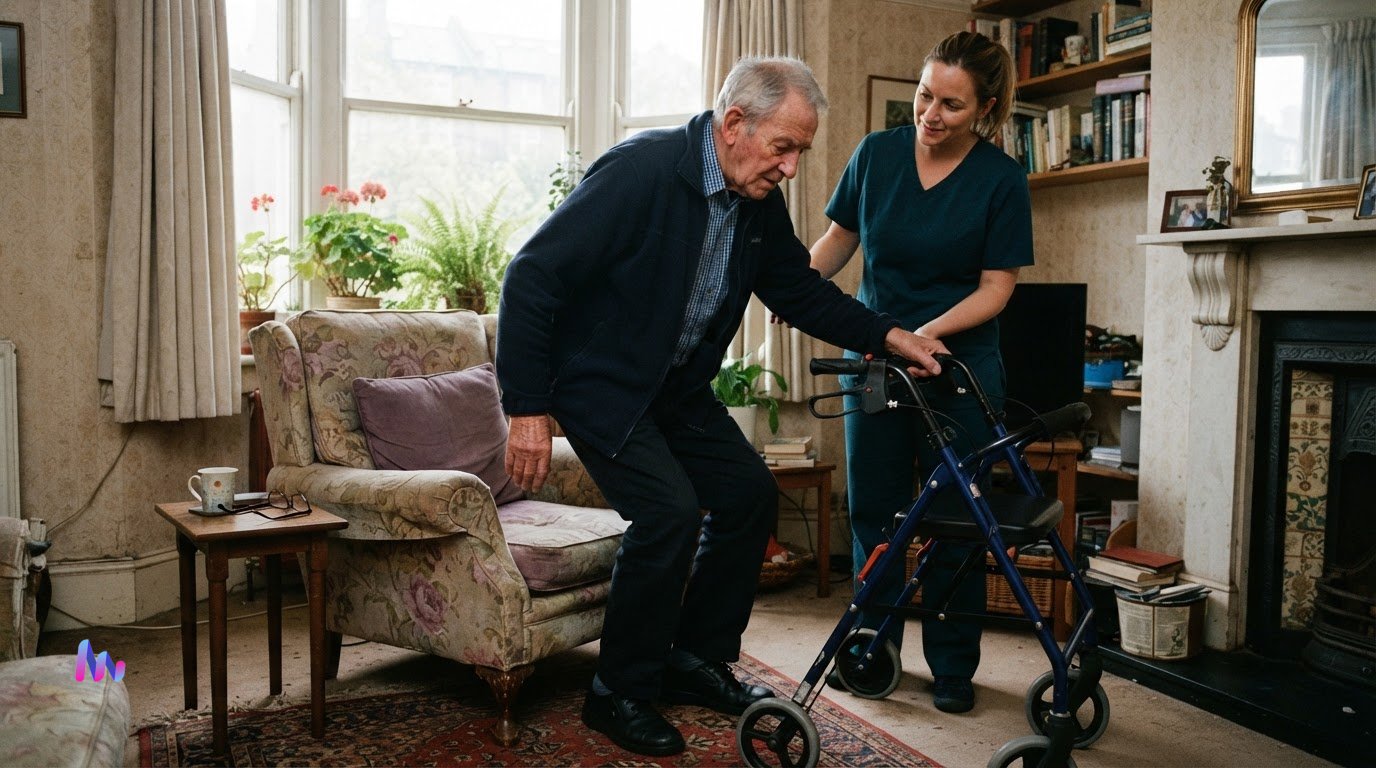
Movement support should protect independence, not take over. A carer can prepare clothing within reach, allow time for standing and walking, and offer help with washing when needed. Parkinson’s symptoms vary from person to person, so support should reflect individual abilities and preferences. If a familiar task becomes harder, review the routine and assistance provided.
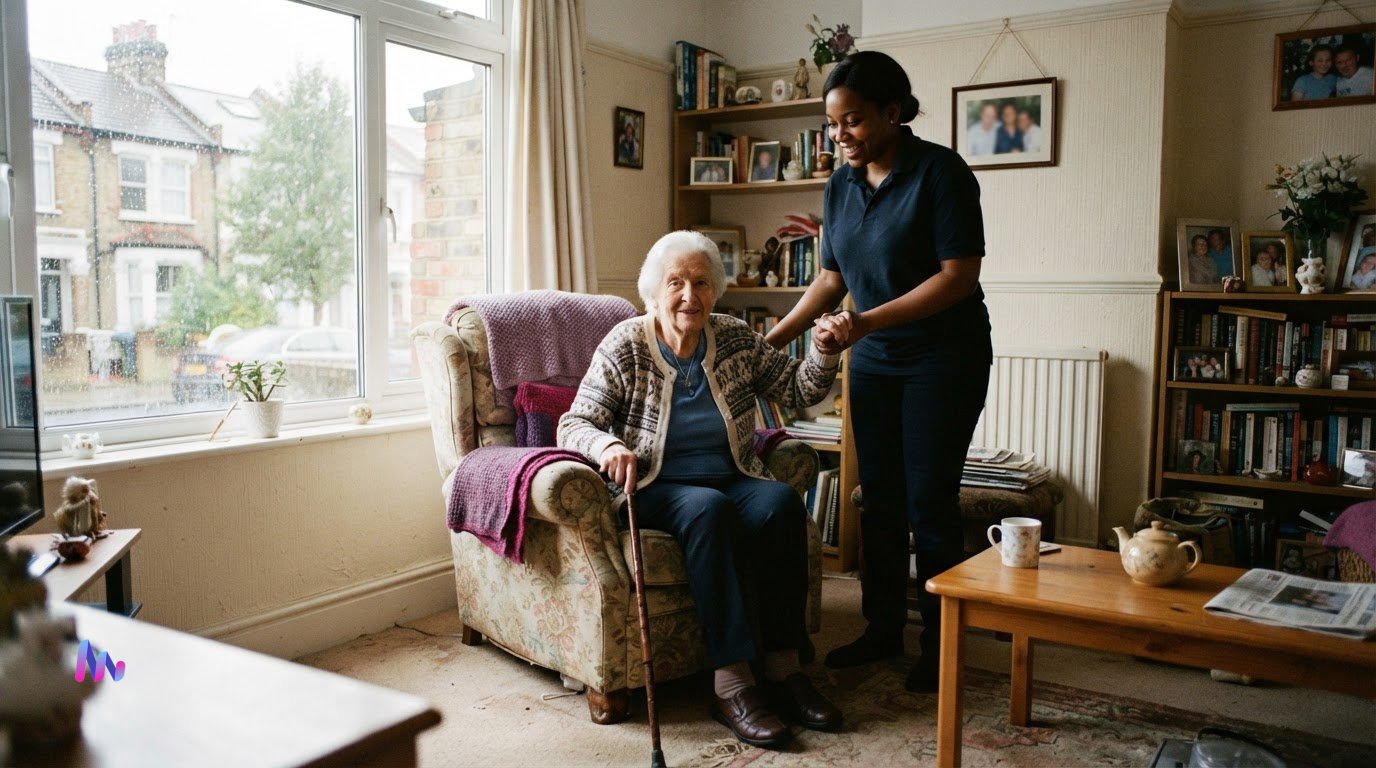
Support at home may be useful when daily tasks take more effort, medication routines become difficult to manage, or family carers need help balancing care with other responsibilities. Companionship matters too. A shared meal, conversation or familiar activity can ease isolation and provide emotional support, while allowing the person to choose how they spend their time. Small, consistent routines can make living at home feel more manageable.
Respite care gives family carers time away from their caring role, while another carer supports agreed daily needs. It can maintain family involvement without expecting relatives to manage every task alone. Supported living is different: support is provided in a shared or supported setting rather than the person’s own home. The right arrangement depends on the person’s preferences, needs and living situation.
To coordinate care, keep a concise record of daily routines, medication concerns, mobility changes and questions for appointments. Agree who will share updates with family and relevant professionals, and keep contact details accessible. A clear safeguarding process also matters; safeguarding arrangements help families understand how concerns about a person’s wellbeing can be raised and handled. Review the notes when needs change, so support stays relevant.
Mobility, personal care and medication support
A useful care plan turns broad needs into clear, respectful steps. It can describe how the person prefers to wash, dress, move around and manage medication. For example, someone who can button a shirt independently may only need help choosing clothes or fastening difficult buttons. Agreeing what support is wanted protects independence and avoids taking over unnecessarily.
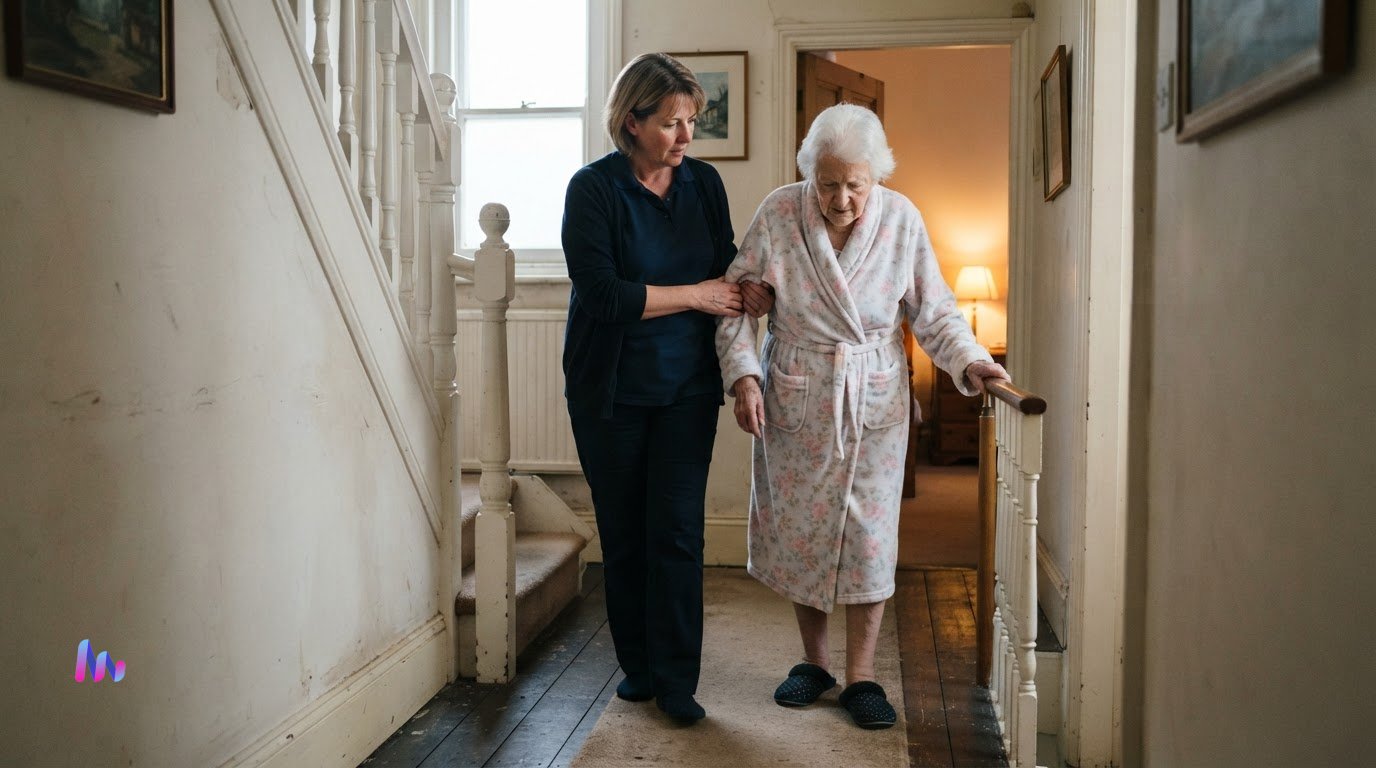
Parkinson’s symptoms vary, so daily support should suit the individual. One person may need extra time and a steadying arm when standing; another may need help getting into the shower. Carers can follow the agreed routine, allow time for movement and keep frequently used items within reach. This helps the person take part in familiar activities at their own pace.
Medication support should follow the person’s existing instructions, not replace them. A care plan can describe the usual routine, helpful reminders and how to record concerns for family or health professionals. If a dose is missed or the routine becomes difficult, carers should report it through the agreed communication process. They must not change prescribed medication instructions.
Personal care is also about choice and privacy. Before helping with washing or dressing, a carer can explain each step and ask what assistance the person wants. They might prepare towels and clothes, then allow time for the person to wash independently. If movement or balance makes a task harder, the plan can specify where help is welcome.
Review the plan when a familiar task changes. Compare what the person manages now with the support needed, such as getting up from a chair or preparing breakfast. Record the change, discuss it with the person and relevant family members, then update the agreed routine. If dementia also affects care needs, include the person’s communication preferences and familiar cues.
How should families choose a Parkinson’s home care provider in London? Look for a written care plan based on daily routines, mobility, personal care and medication support. The provider should also explain how carers share observations and review support as needs change.
When considering Parkinson’s home care near Highgate, prioritise a tailored plan that respects the person’s choices and sets out practical support at home. Use the first discussion to describe daily challenges, preferred routines and the help that would make the greatest difference.
Writing down these details before a care discussion can make the next steps clearer. To talk through a tailored plan for daily support, contact the care team.
Clinical, physical and emotional care
Parkinson’s can affect movement, balance, sleep, speech and swallowing, as well as memory or mood. The combination varies, so support should reflect what the person experiences. A carer might notice that standing from a chair takes longer or preparing a meal becomes tiring. Recording these changes helps families explain practical concerns during health appointments.
A home carer can help with personal care, meals, light household tasks, mobility, companionship, appointments and everyday routines. They can also provide agreed medication support, such as reminders and recording concerns. Their role is practical support, not diagnosis or clinical treatment. For example, a carer can help someone prepare for a walk while letting them set the pace and do what they can independently.
Nursing care and nurse-led clinical oversight differ from help with daily living. Home care can support daily routines, while clinical needs may require input from health professionals. Families can keep a simple record of changes, such as new difficulty swallowing or a marked change in balance, and share it with the person’s health professionals. This makes observations useful without asking carers to assess or treat symptoms.
People looking for Parkinson’s nursing and therapy services near Highgate can discuss clinical needs with the health professionals involved in their care. Physiotherapy and occupational therapy are among the treatments used to manage symptoms. Home care can complement this input by supporting agreed routines, such as a usual movement routine or preparing for a planned activity.
Physical support should respond to the task, rather than assume the person needs help with everything. If turning or standing feels difficult, a carer can allow time, offer agreed assistance and keep the route clear. If dressing is manageable but fastenings are awkward, help can focus on those. Reviewing these details keeps the person involved and helps preserve independence.
Emotional care matters too. Anxiety, depression or reduced confidence can affect how someone approaches daily activities. A familiar conversation over breakfast, time for a favourite hobby or calm company before an appointment can offer connection without pressure. Ask what would feel helpful that day, and respect a choice to pause or change plans.
Parkinson’s symptoms can also include sleep difficulties, constipation, urinary problems, or speech and swallowing changes. These concerns can affect routines in different ways. A carer can note what the person reports, when a task becomes difficult and what support helped. Share observations through the agreed family and clinical communication route, particularly when changes affect eating, drinking or safe movement.
Medication, physiotherapy, occupational therapy and other clinical treatments may help manage symptoms, but home support should stay within its agreed role. The care plan can explain daily assistance, relevant observations and who receives updates. This allows carers to provide practical support while clinical decisions remain with the appropriate health professionals.
Coordination with families and health professionals
Good coordination starts with a shared understanding of the person’s day. Families can describe preferred wake-up times, meal habits, personal care preferences and valued activities. A carer can record relevant observations, such as a change in walking confidence or difficulty finishing breakfast. Clear examples help relatives and health professionals discuss practical needs.
Agree who receives updates and how urgent concerns are passed on. A family member might be the main contact for routine notes, while changes affecting eating or movement are raised through the agreed clinical communication route. Keep contact details and appointment information together. Clear roles reduce repeated messages and avoid making the person explain the same concern to everyone.
If a care arrangement uses a shared care app, families and carers can record visit notes, completed tasks and questions for a future appointment. Keep entries factual: “needed help rising from the armchair” is clearer than “seemed worse”. An app should support communication, not replace talking with the person or seeking clinical advice. Include only details relevant to their care.
Familiar routines can make daily life more predictable. A written guide might note that the person prefers breakfast before washing, needs extra time to put on a coat, or enjoys a short walk after lunch. Carers can follow these preferences while allowing the person to make choices. If a routine becomes difficult, record which step changed and discuss an adjustment with the person and family.
Parkinson’s affects people differently, so updates should describe practical changes rather than assume their cause. Note what happened, when it affected a task and what assistance helped. For example, record that preparing a drink took longer rather than labelling the person as unable. Families can share these observations with health professionals at appointments or through their agreed communication channel.
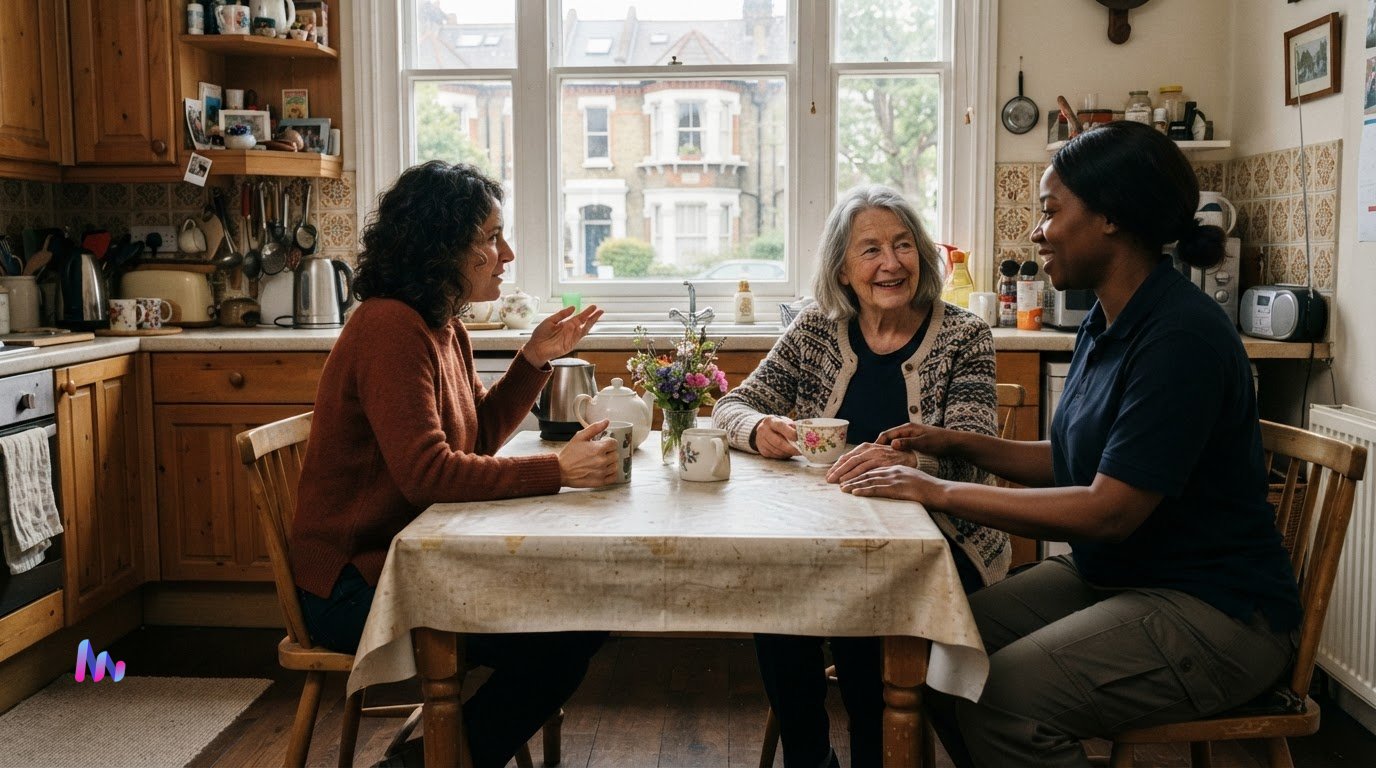
Family involvement should reflect the person’s wishes. Relatives may explain long-standing preferences, organise appointment details or offer emotional support, while carers help with agreed daily tasks. A regular family conversation can review what is working, what feels intrusive and which routines need adjusting. This keeps the person central to decisions and supports their quality of life at home.
Care homes also coordinate daily support, but home routines can be shaped around the person’s own surroundings. Keep an accessible record of preferred personal care, meals, mobility support and important contacts. Update it when circumstances change, and make sure everyone involved uses the current version. This helps families, carers and health professionals work from consistent information.
Coordination works best as an ongoing shared process. The person’s preferences guide daily support; carers contribute observations; families help maintain continuity; and health professionals address clinical concerns. A clear communication plan makes each role easier to understand. Reviewing it after a change in routine or mobility helps keep support relevant without taking away independence.
Parkinson’s home care and live-in care
Parkinson’s care at home in Highgate, London, can include help with personal care, meals, household tasks, mobility, companionship, appointments and everyday routines. The right arrangement depends on which tasks are difficult and when support is most useful. Someone may manage mornings independently but need help preparing an evening meal. A tailored plan can respect those preferences and protect dignity.
Visiting care suits support organised around particular parts of the day. A scheduled visit might help with washing, dressing or preparing food, then let the person continue their usual routine. Timing and tasks should reflect individual needs, not assume every day is the same. As Parkinson’s symptoms change, planned support can be reviewed.
Live-in care can provide support in the person’s home throughout the day. It can suit someone who needs help at different points throughout the day, rather than only during scheduled visits. The carer can assist with agreed daily tasks and companionship while the person remains in familiar surroundings. Live-in care provides practical support, not clinical nursing procedures.
To compare these arrangements, write down which tasks need support and when they arise. Include personal care, meals, movement around the home, medication reminders and companionship. Then consider whether help is concentrated into particular visits or needed across the day. This review helps families explain their priorities and identify routines the person wants to continue independently.
Respite care can give a family carer time away while another carer supports agreed daily needs. It offers temporary help when relatives need rest or have other responsibilities. Discuss the person’s preferences beforehand, including familiar routines, communication and the assistance they welcome. Clear notes help maintain continuity and make the respite period less disruptive.
A specialist approach means understanding how Parkinson’s affects this person, rather than relying on a standard task list. A carer might allow extra time for dressing, help with a difficult movement or prepare a meal the person enjoys. Families can record what works, what feels intrusive and what has changed. Reviewing these examples keeps care connected to the person’s choices.
To discuss Parkinson’s support at home, share the daily tasks, preferred routines and level of assistance that would help. These details can guide a conversation about visiting, live-in or respite care, keeping the person’s dignity and independence central.
NeeryVille Care: Live-in Care
NeeryVille Care provides live-in care for people who need support throughout daily life at home. The same dedicated carer lives in the person’s home and provides agreed assistance, helping maintain familiar routines, personal preferences and dignity. This can suit someone whose needs extend beyond scheduled visits, while visiting care provides support at agreed times.
Care is tailored to the person’s circumstances and can include practical help and companionship. NeeryVille Care is a directly CQC-regulated home care provider, with directly employed carers. Its role is home support, not clinical nursing procedures, so health concerns remain with the person’s clinical team.
If you’re considering live-in care in Highgate, contact NeeryVille Care to discuss the support that would help at home.
Take the next step at a pace that feels right
Choosing support doesn’t mean giving up independence. It can make daily life more manageable while keeping the person’s wishes at the centre. Before discussing Parkinson’s care at home in Highgate, consider what matters most now: which parts of the day feel difficult, what the person wants to keep doing themselves, and how family members hope to stay involved.
These priorities give the conversation a practical starting point. Needs and preferences can change, so it helps to treat care as something that can be reviewed, rather than a decision that must solve everything at once. NeeryVille Care can discuss support suited to the person’s circumstances and help you consider a next step.
You don’t need to have every answer ready. Start with the concern that feels most pressing, then take it from there.
A thoughtful conversation can help your family move forward with greater confidence, one step at a time.
Frequently Asked Questions
What is Parkinson’s Care?
Parkinson’s care is practical support shaped around how the condition affects someone’s daily life. At home, this can mean help with personal routines, meal preparation, companionship or household tasks. It complements, rather than replaces, care from the person’s GP, specialist or therapist. A carer can support a familiar routine while clinical professionals remain responsible for diagnosis and treatment decisions.
Can Home Care Be Tailored To Meet My Loved One’s Needs?
Yes. Support can reflect the person’s priorities, abilities and preferred routines rather than follow a standard checklist. Start by asking which tasks they want to manage alone and where they welcome help. Someone may prefer privacy while dressing but appreciate help organising clothes beforehand. Family observations can add context, but the person’s preferences should guide the plan.
Can My Loved One Continue Seeing Their Own GP or Specialist?
Yes. Home support can be arranged alongside appointments with the person’s existing GP and specialist. Keep appointment dates, transport arrangements and questions together so the person can prepare without relying on memory alone. After an appointment, note any agreed changes to daily routines and share relevant information with carers. Home carers support everyday living; they don’t replace the clinical team.
How Can I Find Out More or Arrange a Visit?
Contact NeeryVille Care to discuss the person’s needs and the support your family is considering. Before getting in touch, note the main difficulties, preferred routines, location and whether help is needed at particular times or more consistently. This gives the conversation a practical starting point. Explain what the person hopes to keep doing independently, so their priorities are heard from the outset.
How much does Parkinson's care at home cost in Highgate?
The cost depends on the type and level of support, including whether care is arranged through scheduled visits or live-in support. The tasks involved and pattern of assistance also shape the quote. NeeryVille Care provides a personalised quote before any agreement, based on the person’s circumstances. This helps families discuss suitable arrangements using clear, relevant pricing rather than a general estimate.