Live-In Care at Home: A Calm, Practical Guide for Families Making Difficult Decisions

Updated: May 11

When families begin searching online for live-in care, it is rarely out of curiosity. It usually comes from worry. A quiet concern that something is no longer quite right. A sense that a loved one may not be as safe, confident or comfortable living alone as they once were.
If you are reading this, you may be feeling overwhelmed, unsure where to start, or simply looking for reassurance that there is a way forward that does not involve rushing into decisions.
This guide is written for families just like you. It offers clear, steady guidance on what live-in care really is, when it helps most, and why so many families are choosing this option for their loved ones.
What Is Live-In Care and Why Do Families Search for It?
Live-in care means a trained carer lives in the home and provides round-the-clock support tailored to one individual. Unlike visiting care, someone is always present. Unlike a care home, the environment stays the same.
Families search for live-in care at home when they want:
• Safety without disruption
• Support without loss of independence
• Reassurance without institutional care
Live-in care supports people with:
• Age-related frailty
• Mobility difficulties
• Recovery after hospital discharge
• Loneliness or anxiety
• Long-term health conditions
For many families, it becomes the most balanced option between independence and protection.

Why Staying at Home Matters More Than People Expect
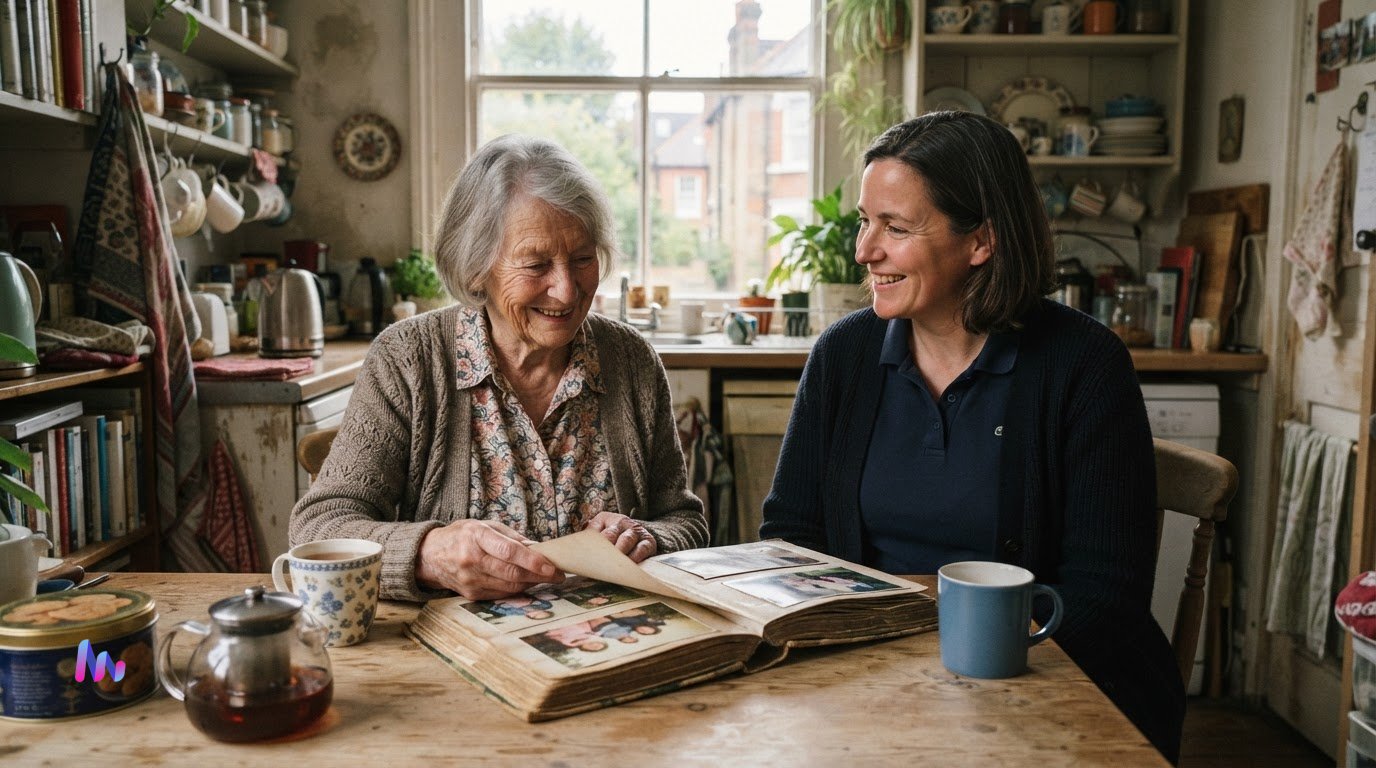
Home is not just a place. It is memory, routine and identity. For older adults especially, familiar surroundings provide emotional stability that cannot be recreated elsewhere.
Staying at home helps by:
• Reducing confusion and anxiety
• Preserving daily routines
• Maintaining confidence
• Supporting emotional wellbeing
• Keeping connections with neighbours and community
This is particularly important for people living with dementia, where changes in environment can accelerate distress and decline.
When Families Usually Start Looking for Live-In Care
Most families do not plan this step in advance. The search often begins after one or more of the following:
• A fall or near-miss
• Increasing forgetfulness
• Missed medication
• Difficulty with washing or dressing
• Night-time confusion or wandering
• Loneliness or withdrawal
• Family carers feeling exhausted
If these situations sound familiar, you are not alone. Many families wait until they feel they are “just about coping” before seeking guidance.
What Good Live-In Care Should Feel Like
High-quality live-in care should never feel rushed, intrusive or clinical. It should feel calm, steady and respectful.
Good live-in care offers
• One consistent carer
• Support shaped around the person’s life
• Dignity in personal care
• Gentle encouragement, not control
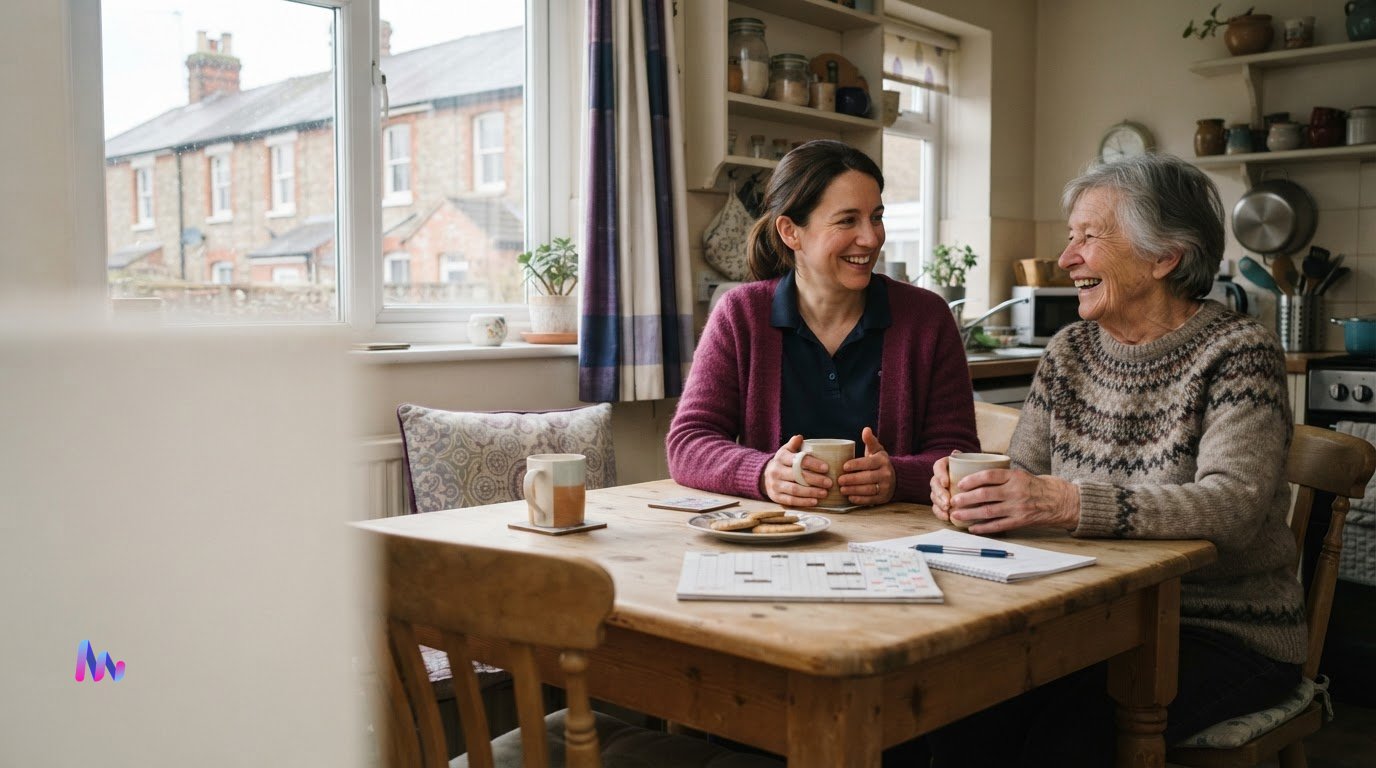
• Companionship, not supervision alone
• A sense of safety without loss of independence
This is why families increasingly search for private live-in care, 24-hour home care, and live-in care specialists rather than general agencies.
The Role of Local, Community-Focused Care
One of the most overlooked factors in care is local knowledge and continuity. Families often feel reassured knowing there is a local care manager, not just a distant office or rotating contacts.
Community-focused care means:
• Understanding local services and GPs
• Knowing the area and lifestyle
• Being accessible and responsive
• Building real relationships with families
• Supporting not just the individual, but the wider family
This approach creates trust, which is essential when welcoming someone into your home.
Why Families Take Comfort in Talking Before Deciding
One of the most common things families say is that they wished they had spoken to someone earlier. Not to commit, not to sign anything, but simply to talk.
A calm conversation can:
• Bring clarity
• Reduce anxiety
• Confirm or ease concerns
• Help families feel less alone
• Prevent crisis-driven decisions
This is why many families who later choose Neeryville Care say the first conversation was the most important step.
How Neeryville Care Supports Families Gently and Locally
Neeryville Care specialises in live-in care at home, including dementia care and complex needs. Our focus is not just on providing care, but on supporting families through the decision-making process with honesty and compassion.
Families value Neeryville Care because:
• We take time to understand each situation
• We offer guidance without pressure
• We are community-focused with local care managers
• We match carers carefully, not quickly
• We support families as well as individuals
Many families contact Neeryville Care simply for advice. There is no obligation. Often, just talking things through brings a sense of relief.

A Final Thought for Families Reading This
If you are searching for live-in care, it means you care deeply about getting this right. That matters.
You do not need to have all the answers today. You do not need to make decisions alone. And you do not need to wait for a crisis before seeking guidance.
Sometimes, the most helpful step is a quiet, friendly conversation with someone who understands.
If and when you feel ready, Neeryville Care is here to listen, guide and support you with local, compassionate live-in care that keeps people safe in the place they feel most at home.