Companionship Care in Hampstead: Costs and Support at Home

The right carer is someone who feels comfortable to have around and can support the person’s everyday routines. With companionship care in Hampstead, support can be shaped around individual preferences, from conversation at home to a familiar walk or help getting to an appointment. Feeling unsure about who will visit, and whether they’ll be a good fit, is a natural concern.
Companionship care in Hampstead is about more than filling time. A thoughtful companion can make outings feel more manageable and bring reassuring company into the day, while respecting the person’s independence and dignity.
This guide explains what companionship care can include, what affects its cost and how to think about choosing a carer. You’ll also find ideas for personalising support, local social activities to consider and a clear outline of the household tasks a companion can and can’t help with, so you can consider the next step with greater confidence.
Table of Contents
How much do companionship care services cost?
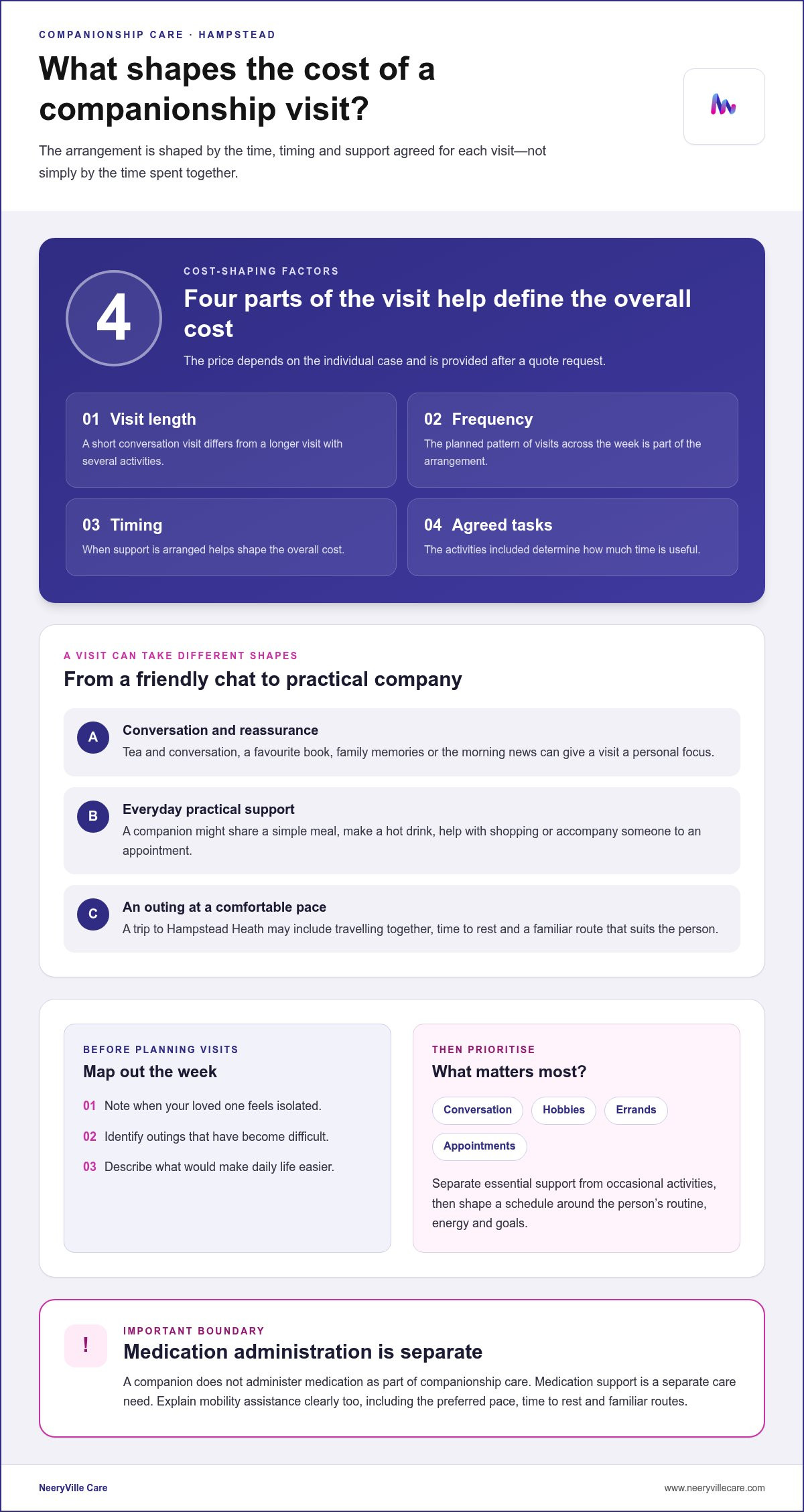
The cost of companionship visits depends on the support arranged, rather than simply the time spent together. A short visit for conversation differs from a longer visit that includes preparing lunch, accompanying someone to appointments and helping them settle back at home. The price depends on the individual case and is provided after a quote request. Visit length, frequency, timing and the agreed tasks shape the overall cost.
For families in Hampstead, start with a practical picture of the week. Note when your loved one feels isolated, which outings have become difficult and what support would make daily life easier. One visit might centre on tea and conversation; another could include a trip to Hampstead Heath. These priorities help define a useful pattern of visits.
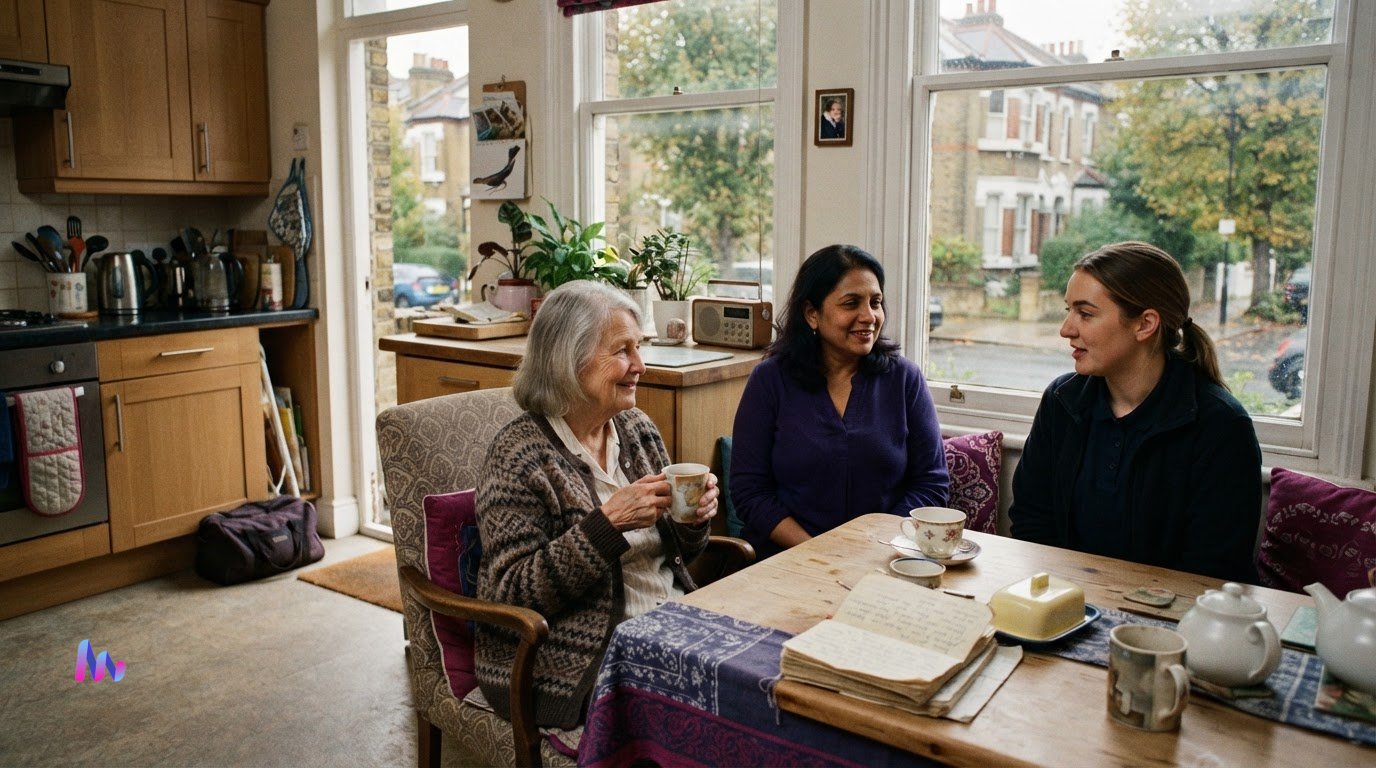
Companionship means being listened to, not simply having someone else in the room. A familiar conversation about a favourite book, family memories or the morning news gives a visit a personal focus. Someone who has stopped attending a weekly hobby group might welcome company when returning, or prefer to explore that interest at home first. These details help shape support around the person’s preferences and independence.
Daily support can be practical as well as social. A companion might share a simple meal, make a hot drink, help with shopping or accompany someone to an appointment. The tasks agreed for each visit determine how much time is useful. A shopping trip, for instance, may involve making a list, travelling together, putting groceries away and taking a rest afterwards.
Discuss medication needs clearly when arranging support. A companion does not administer medication as part of companionship care; medication support is a separate care need. Explain any mobility assistance required, too. Walking at a comfortable pace, allowing time to rest and choosing a familiar route can make an outing easier. A walk on Hampstead Heath may suit someone who enjoys fresh air, while a shorter route near home may feel more comfortable.
To compare arrangements meaningfully, list the activities that matter most, then group them into essential and occasional support. Decide whether companionship is mainly for conversation, hobbies, errands or appointments. Families weighing different kinds of home care can also explore live-in care in Hampstead when someone needs support beyond planned companionship visits. The right schedule should reflect the person’s routine, energy and goals, with enough time for genuine company rather than rushing through tasks.
Personalising care around routines and preferences
Personalised support starts with the person’s everyday routine, not a standard timetable. Note when they prefer breakfast, how they like their tea and whether mornings feel tiring. A companion can plan a visit around these details, leaving time for conversation before an activity. Small choices matter: asking whether someone prefers the radio or quiet can make home feel more comfortable and familiar.
Interests give each visit a natural focus. Someone who enjoys gardening might sort seed packets, water indoor plants or look through a favourite gardening book. A person who likes cooking could choose ingredients and prepare lunch with support. In Camden, a visit might also include calling a relative after breakfast or reading the local paper together. Shared activities create structure without taking over the person’s day.
Camden had 9,718 one-person households aged 66 or over in the 2021 Census. For an older person living alone, a planned visit can bring conversation and reassurance into an otherwise quiet day. Families can share details about familiar names, preferred topics and important routines. For example, letting a companion know that a person likes to rest after lunch can help avoid scheduling an outing when energy is low.
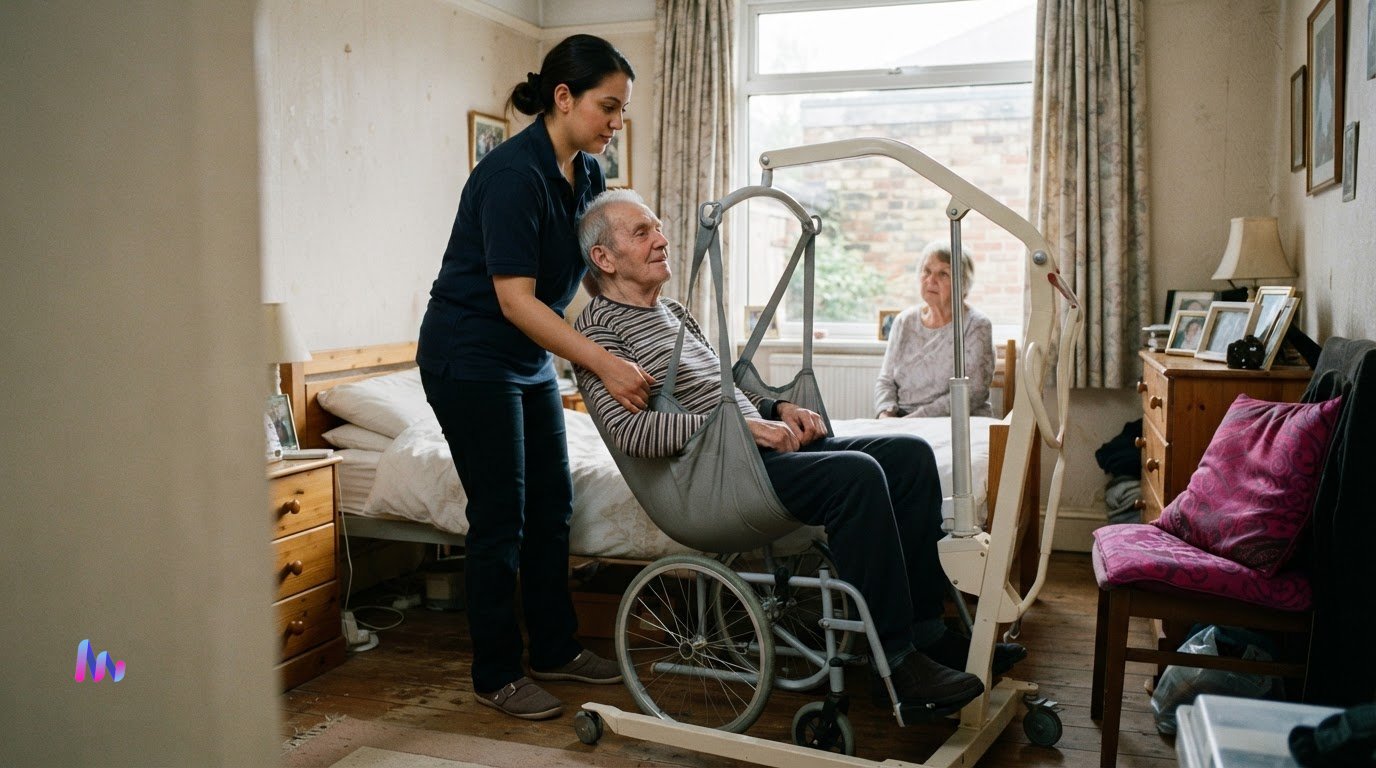
Companionship and personal care are different kinds of support. Someone may appreciate company while completing a familiar task, but help with washing, dressing or bathing is personal care. Describe the task clearly and explain what the person can manage independently. This helps distinguish being nearby for reassurance from hands-on assistance, and gives families a clearer picture of the support needed at home.
Medication prompts also need clear boundaries. Write down the person’s usual routine and explain whether they need a reminder at a particular time. A prompt is different from administering or managing medication, which requires medication support. Explain practical preferences too, such as where relevant information is kept and whom to contact with concerns. Clear instructions help keep support consistent and focused on the person.
Good matching considers more than availability. Think about communication style, shared interests, the pace of conversation and comfort with the person’s routines. A quiet reader may value a calm companion who enjoys books, whilst someone who likes chatting may prefer lively conversation. Families can consider how seeing the same carer each day may help familiarity develop. Share these preferences before visits begin, then review what feels useful as routines change.
Social activities and companionship
Going out can feel harder when someone has lost confidence, stopped driving or no longer enjoys being alone in public. A companion can help plan an outing, travel alongside them and provide company. In Hampstead, a familiar walk on Hampstead Heath may feel more manageable than an unfamiliar route. The person sets the pace and can return home when they feel tired. This support can help them feel more confident outside while maintaining independence.
Start with activities the person already enjoys rather than filling the diary with new commitments. Someone who likes art might visit Camden Art Centre, while a keen reader could spend time at Swiss Cottage Library. If attending a group feels daunting, begin with a short visit at a quieter time. Talk through the plan beforehand, including transport, how long to stay and what would make leaving comfortable.
Fitness and leisure can also give the week structure. Swiss Cottage Leisure Centre and Pancras Square Leisure are local options to consider. The right choice depends on the person’s interests and confidence. A companion can go along, help find the entrance and stay nearby during the visit. A gentle walk or short visit to a leisure centre may suit better than a busy group activity.
Shared activities do not have to happen outdoors. At home, someone and their companion might listen to a favourite album, look through family photographs, play cards or prepare a simple recipe together. These familiar activities offer conversation and a shared focus without pressure to perform. A companion can adapt to the person’s energy that day, perhaps swapping a planned game for tea and a chat.
To make outings feel safe and enjoyable, plan them together. Choose one destination, agree how to get there and allow flexibility with timing. Mention mobility needs, preferred transport and places that feel familiar. For example, a short stop at Swiss Cottage Library could come before a longer outing. Afterwards, talk about what the person enjoyed, what felt tiring and whether they would like to go again.
Regular social contact can be a welcome alternative to long periods at home or fewer activities than before. Share useful details with the companion, such as favourite conversation topics, familiar places and signs that the person needs a rest. This helps each outing feel personal rather than routine. Planned companionship also lets someone continue enjoying familiar places and activities while living at home.
Tasks a companionship carer can and cannot do
Companionship care focuses on company and practical everyday help; personal care involves hands-on support with washing, dressing or toileting. If someone needs help bathing, for example, companionship alone will not meet that need. Being clear about the difference helps families identify suitable support for dignity, safety and emotional wellbeing.
A companion can share conversation and activities, prepare a simple meal, make a hot drink or help with shopping. They can put groceries away, support someone with cooking and accompany them to appointments. In Hampstead, that might mean travelling together to an appointment, staying alongside the person, then helping put shopping away at home. Agree tasks that leave time for meaningful company, rather than turning each visit into a list of chores.
Companionship has clear boundaries. Companionship carers do not administer medication, assist with washing or toileting, or carry out medical procedures such as injections. They can collect medication from a pharmacy, but collecting a prescription is not the same as managing or administering it. Deep cleaning, heavy lifting and complex household jobs are not companionship tasks either. These distinctions help families understand the difference between social, personal and clinical care.
When choosing companionship care in Hampstead, start by describing what the person needs during an ordinary week. Note whether they value lively conversation or quiet company, enjoy a particular hobby or need support with mobility outdoors. Someone who likes talking about football may feel at ease with a companion who shares that interest. Someone who prefers a calm visit might enjoy reading together or listening to music.
A good match considers personality and practical needs together. The companion should communicate respectfully, follow the person’s preferred pace and understand which activities feel comfortable. If an outing involves walking, explain the route and suitable rest breaks. If conversation helps ease anxiety before appointments, include that in the support plan. These details make visits more personal and useful.
Before visits begin, write down the tasks, preferences and boundaries that matter. Include favourite topics, food preferences, mobility considerations and how the person likes to be addressed. Families can also explain what a companion should do if the person becomes tired or declines an activity. Review the arrangement after the first visits: notice which shared activities feel natural and whether the person seems comfortable. If their needs change, distinguish companionship from additional personal care or medication support.
How much does home care cost in Hampstead?
Hampstead has several routes to arranging home care. In August 2026, the Care Quality Commission listed 7 home care agencies registered in NW3. There were also 342 carers listed in Hampstead. These figures describe different things: registered agencies and individual carer listings aren’t interchangeable, so consider which arrangement suits the person’s needs.
There isn’t one price for companionship visits that applies to every household. The cost depends on the length and frequency of visits, the support requested and the times care is needed. A family arranging conversation and occasional company will have different requirements from someone needing regular help with appointments, meals and outings. The price depends on the individual case and is provided after a quote request.
Before comparing home care arrangements, write down a typical week. Include preferred visit times, activities, appointments and any mobility support. Then describe the help needed during each visit. This makes it easier to understand how a flexible arrangement could work in practice. A short visit focused on conversation, for example, differs from one that includes an accompanied shopping trip and time to put groceries away.
Ask for a written agreement before care begins. It should explain the agreed tasks, visit schedule, payment arrangements, cancellation terms and how changes are handled. If a family directly employs a carer, clarify who manages payroll, tax and employment records. If care is arranged through an agency, establish what the agency handles and what remains the household’s responsibility. A sample contract can help families understand these terms before committing.
Which companionship care providers serve Hampstead, London? Local options include registered home care agencies and individually listed carers; the Care Quality Commission’s NW3 figure offers a snapshot of registered agencies, not a recommendation. Compare the type of arrangement, the tasks offered and how visits fit the person’s routine.
Can companionship care be funded by the NHS or local council in Camden? Funding is not automatic simply because someone needs company. Camden Council support and NHS funding follow separate assessment processes, with decisions based on the person’s needs and applicable eligibility criteria. When considering public support, ask about the relevant assessment process.
For a useful first conversation, gather the person’s preferred routine, the help they need and the times visits would be most valuable. This gives NeeryVille Care a clear starting point for discussing suitable home care and the personalised quote.
NeeryVille Care: Live-in Care
NeeryVille Care provides companionship care alongside visiting care and live-in care. If someone needs a carer present throughout the day and night, live-in care may offer more continuous support at home. For help at agreed times, visiting care may be a better fit. NeeryVille Care also provides support for people living with dementia or approaching the end of life.
Consider the person’s daily needs, routines and comfort at home. These details can help clarify whether planned visits or a more consistent arrangement is appropriate. NeeryVille Care provides personalised home care, shaped around each person’s circumstances.
Contact NeeryVille Care to discuss the support that may suit your family.
Choose a next step that feels manageable
The first conversation about care does not need to settle every detail. Start with what would make the coming days easier: company during a quiet afternoon, support to get out or more regular help at home. These priorities can guide a calm discussion about the right arrangement. Choosing companionship care in Hampstead is a personal decision, shaped by the individual’s wishes and their family’s concerns.
NeeryVille Care provides companionship care, visiting care, live-in care and dementia care. These options support different needs, from planned visits to more continuous help at home. A conversation can help you explain what matters to your family and explore a suitable option, without needing to have every answer ready.
Take the next step at a pace that feels right. A friendly conversation can make the way forward clearer.
Frequently Asked Questions
Who Will Be My Carer?
NeeryVille Care provides the same carer for every visit or day, helping the person become familiar with one consistent face. Before support begins, explain how they prefer to be greeted, which subjects they enjoy and whether they like quiet time first. For example, the carer could discuss the day’s plan with the person rather than assuming they are ready to begin an activity.
How quickly can I start?
In most cases, care can be arranged within 24 to 48 hours of the initial assessment. The first step is to describe the support needed, the preferred visit times and any important routines. This gives the care team a clear starting point for planning. For visits in Hampstead, share the schedule that would work best, such as company during a particular part of the day.
Can I choose my own companion?
You can explain what would help someone feel at ease, such as a shared interest, a calm manner or experience supporting a person with memory difficulties. NeeryVille Care takes these preferences into account when arranging a suitable match and provides the same carer for every visit or day. Tell the care team about communication preferences, including whether the person enjoys conversation or prefers a gentler introduction.
Do you provide companionship outside the home?
Yes, companionship can include going out together as well as spending time at home. For an outing in Hampstead, explain the destination, preferred transport and any mobility considerations beforehand. You might plan company for a local appointment or a familiar walk, with time to pause if needed. Agreeing these practical details helps the visit suit the person’s comfort and routine rather than feel rushed.
What does companionship care in Hampstead include?
Companionship can include conversation, shared pastimes and practical help during a visit. A companion might talk through the day’s plans, make a hot drink and help the person prepare for an activity. Support can also include accompanying someone to an appointment or helping with shopping. Describe which parts of an ordinary day feel difficult, so the agreed visits reflect the person’s priorities.
How much does companionship care cost in Hampstead per hour?
The hourly cost depends on the scheduled visit length, frequency, timing and support tasks. NeeryVille Care provides a personalised quote before any agreement, based on the care arranged for the individual. To make the quote relevant, outline whether visits are mainly for conversation, outings or practical help, and say when support is preferred. This gives families a clearer basis for planning their care budget.
What qualifications and checks should a companionship carer have in the UK?
Ask about relevant experience, training for the person’s needs and the provider’s safeguarding arrangements. Supporting someone living with dementia, for example, may call for experience communicating calmly and responding to changes in routine. NeeryVille Care is a CQC-regulated home care provider, and its carers are directly employed. Families can discuss how care is supervised and how concerns are shared, so they understand the arrangements for each visit.
How do I arrange companionship care for an older person in Hampstead?
Start by noting the older person’s preferred routine, the tasks they need help with and the times company would be most useful. Then discuss those details with NeeryVille Care. Local domiciliary care coverage includes Hampstead and North London, including Highgate N6, Crouch End N8, Camden, Hornsey and Kentish Town, as well as areas such as Chelsea, Kensington, Enfield and Hackney. Share any changes in needs during the discussion.