The Benefits of Live-In Care: A Compassionate Alternative for Seniors

Updated: May 29
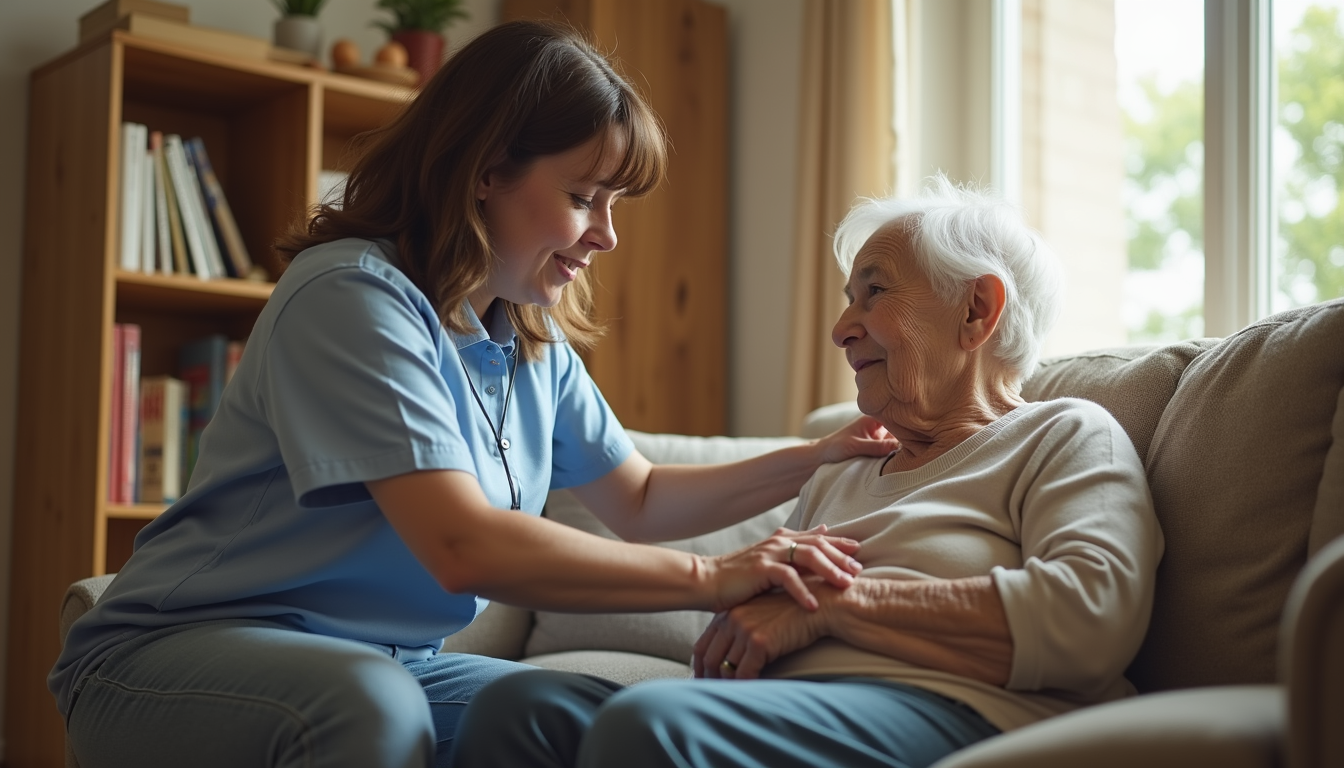
Caring for an aging loved one often brings difficult decisions. Families want to ensure seniors receive the support they need while maintaining their dignity and comfort. Live-in care offers a solution that combines professional assistance with the familiarity of home. This approach allows seniors to stay in their own environment while receiving personalized help every day.

What Is Live-In Care?
Live-in care means a professional caregiver moves into the senior’s home to provide continuous support. Unlike other care options that require seniors to leave their homes, live-in care focuses on delivering assistance where the senior feels most secure. This can include help with daily tasks, medical needs, companionship, and emergency support.
Caregivers typically stay in a separate room and are available throughout the day and night. This arrangement ensures seniors have someone nearby whenever they need help, reducing risks like falls or missed medications.
How Live-In Care Supports Independence
One of the biggest concerns for seniors is losing independence. Moving to a care facility can feel like giving up control over daily life. Live-in care helps seniors maintain their routines and make choices about their day-to-day activities.
Caregivers assist with tasks such as:
Preparing meals according to dietary needs
Managing medications on schedule
Helping with personal hygiene and dressing
Providing transportation to appointments
Encouraging social activities and hobbies
This support allows seniors to stay active and engaged, which benefits both physical and mental health.
Personalized Care Tailored to Individual Needs
Every senior has unique needs and preferences. Live-in care offers a flexible approach that adapts to changing requirements. Care plans are designed specifically for each individual, ensuring the right level of support without unnecessary interventions.
For example, a senior recovering from surgery may need more intensive help initially, while someone with mild mobility issues might only require assistance with certain activities. The caregiver can adjust their role as the senior’s condition evolves, providing continuity and stability.
Emotional Benefits of Staying at Home
Familiar surroundings provide comfort and reduce stress for seniors. Being in a known environment surrounded by personal belongings, memories, and neighborhood connections helps maintain emotional well-being.
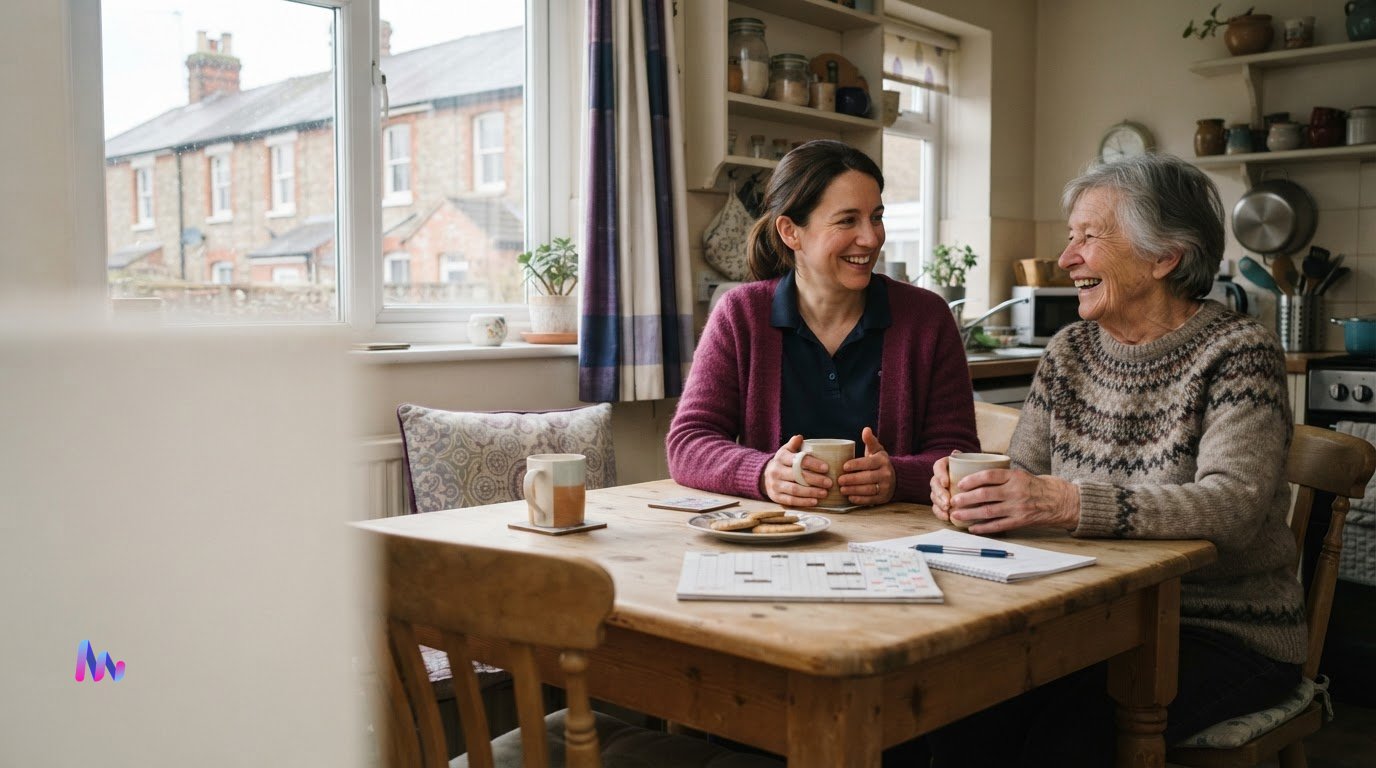
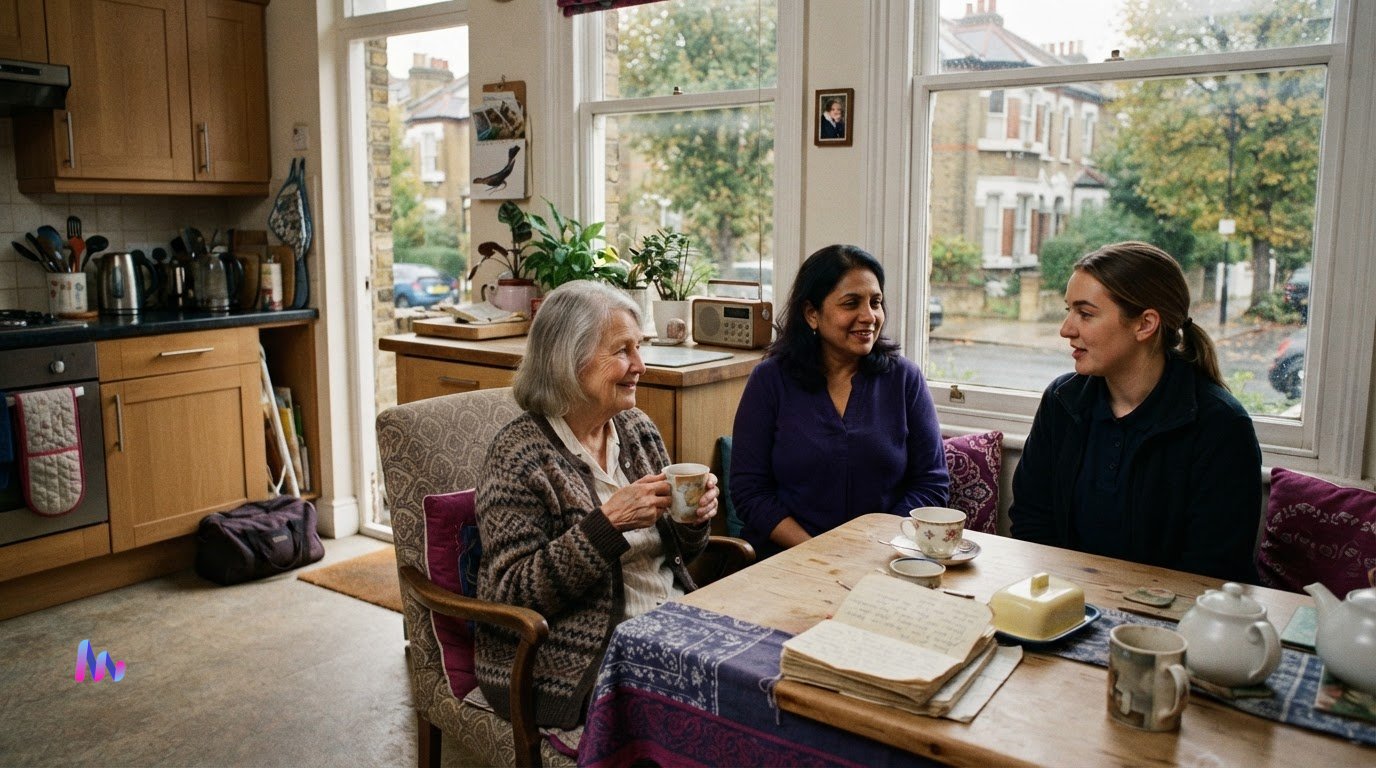
Live-in care also offers consistent companionship. Loneliness is a common issue among older adults, especially those living alone. Having a caregiver present creates social interaction and emotional support, which can improve mood and reduce feelings of isolation.
Safety and Health Monitoring
Safety is a major concern for seniors living independently. Live-in caregivers provide constant supervision to prevent accidents and respond quickly if emergencies occur. They can identify early signs of health problems and communicate with family members or healthcare providers as needed.
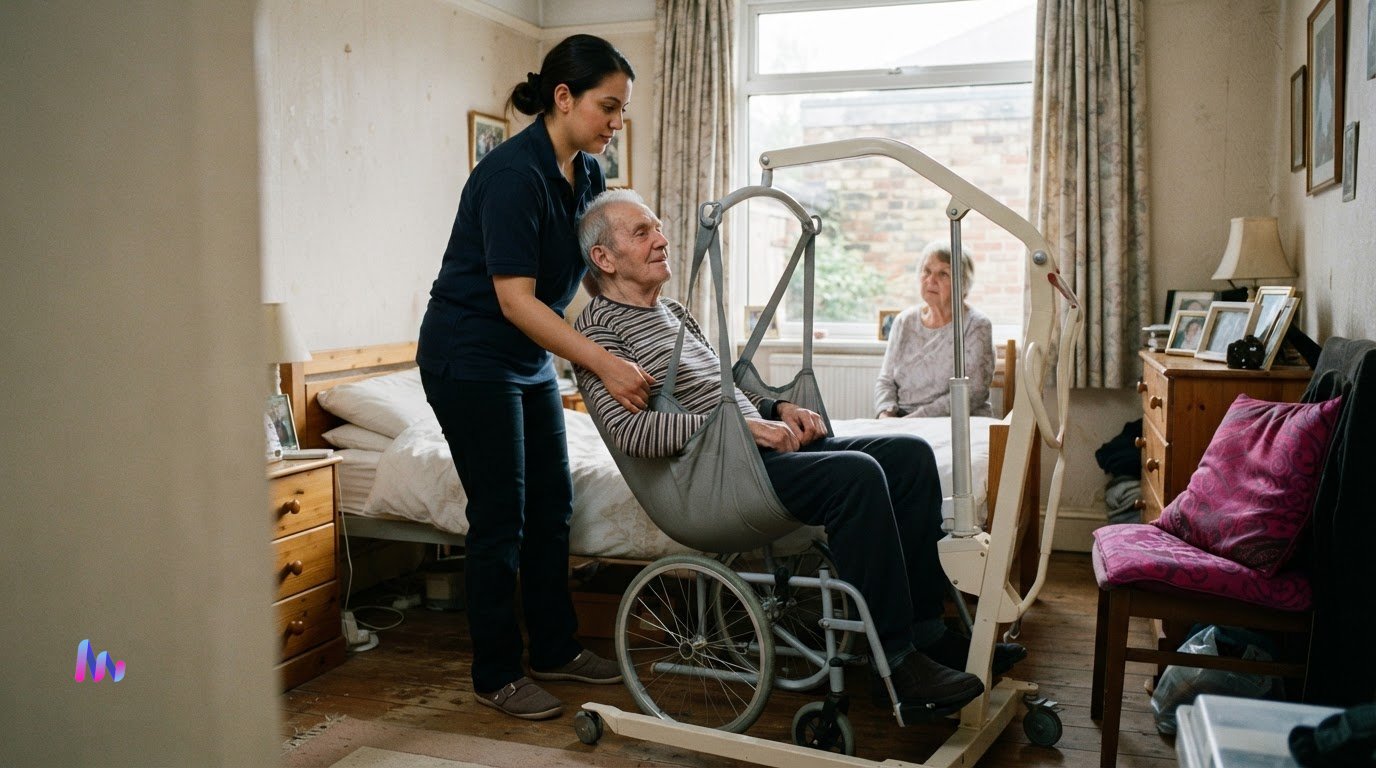
Caregivers are trained to handle medical conditions, administer medications properly, and assist with mobility aids. This reduces hospital visits and supports better overall health management.
Cost Considerations Compared to Other Care Options
While live-in care may seem expensive at first glance, it can be cost-effective compared to nursing homes or assisted living facilities. The personalized nature of live-in care means seniors only pay for the support they need.
Additionally, staying at home avoids costs related to moving, facility fees, and loss of independence. Families often find that live-in care provides better value by combining quality care with a familiar setting.
How to Choose the Right Live-In Care Provider
Selecting a trustworthy caregiver is crucial. Families should look for providers with:
Proper certifications and training
Experience with senior care and specific health conditions
Positive references and background checks
Clear communication and transparency about services and costs
Meeting potential caregivers in person helps ensure a good match. The right caregiver will build trust and rapport with the senior, making the experience more comfortable for everyone.
Real-Life Example: Mrs. Thompson’s Story
Mrs. Thompson, an 82-year-old widow, struggled with mobility after a hip replacement. She wanted to stay in her home but needed help with daily activities. Her family arranged for a live-in caregiver who assisted with cooking, medication, and light housekeeping.
Over time, Mrs. Thompson regained confidence and resumed gardening, a hobby she loved. The caregiver also accompanied her to social events, reducing isolation. This arrangement allowed Mrs. Thompson to maintain her independence and enjoy life in familiar surroundings.
Final Thoughts on Live-In Care
Live-in care offers a compassionate, flexible alternative for seniors who want to remain at home while receiving professional support. It promotes independence, safety, and emotional well-being through personalized assistance tailored to each individual’s needs.