Specialist Dementia Carers in Highgate: A Family Guide

What if the right dementia carer is someone who helps your relative feel most like themselves at home? Finding specialist dementia carers in Highgate can feel daunting when you’re unsure what support should look like each day, or worried that a new face might unsettle familiar routines. Those concerns are understandable. Good support starts with the person: their preferences, daily habits and changing needs.
This guide explains what dementia care at home can involve and how support can fit around mealtimes, personal care, medication and companionship. You’ll also learn how visiting, overnight and live-in care differ, so you can consider what may suit your family member’s needs and home life. NeeryVille Care provides CQC-regulated home care, including local visiting support in Highgate and live-in care nationwide. Its local area information includes Highgate N6, Crouch End N8, Hornsey, Camden, Hampstead, Finsbury Park, Kentish Town, Tufnell Park, Haringey, North London, Hungerford, Chelsea, Kensington, Hillingdon, Enfield, Hackney, London and Angel. We’ll look at the value of continuity and a good carer-person fit, helping you identify a practical next step without rushing a decision that deserves care.
Table of Contents
Finding specialist dementia carers in Highgate: start with the person, not a checklist
How dementia carers in Highgate can support familiar routines and dignity
How NeeryVille Care approaches dementia support and carer matching in Highgate
Arrange dementia care in Highgate: take a calm, practical next step
Finding specialist dementia carers in Highgate: start with the person, not a checklist
Choosing help for a relative with dementia can feel deeply personal. You may be weighing the comfort of familiar routines against the worry that someone new could change the rhythm of home. No checklist can capture everything that makes your family member feel safe, respected and understood. Start with the person: what matters to them, how they communicate, and where practical support could make daily life easier.
Person-centred dementia care means shaping support around the individual’s needs, preferences and routines, rather than treating everyone alike. This principle can make finding specialist dementia carers in Highgate a more thoughtful process. Consider how support might fit into an ordinary day, not just which tasks need doing. The overview of Dementia caregiving also describes the varied responsibilities and approaches involved in supporting someone living with dementia.
What does specialist dementia support at home mean?
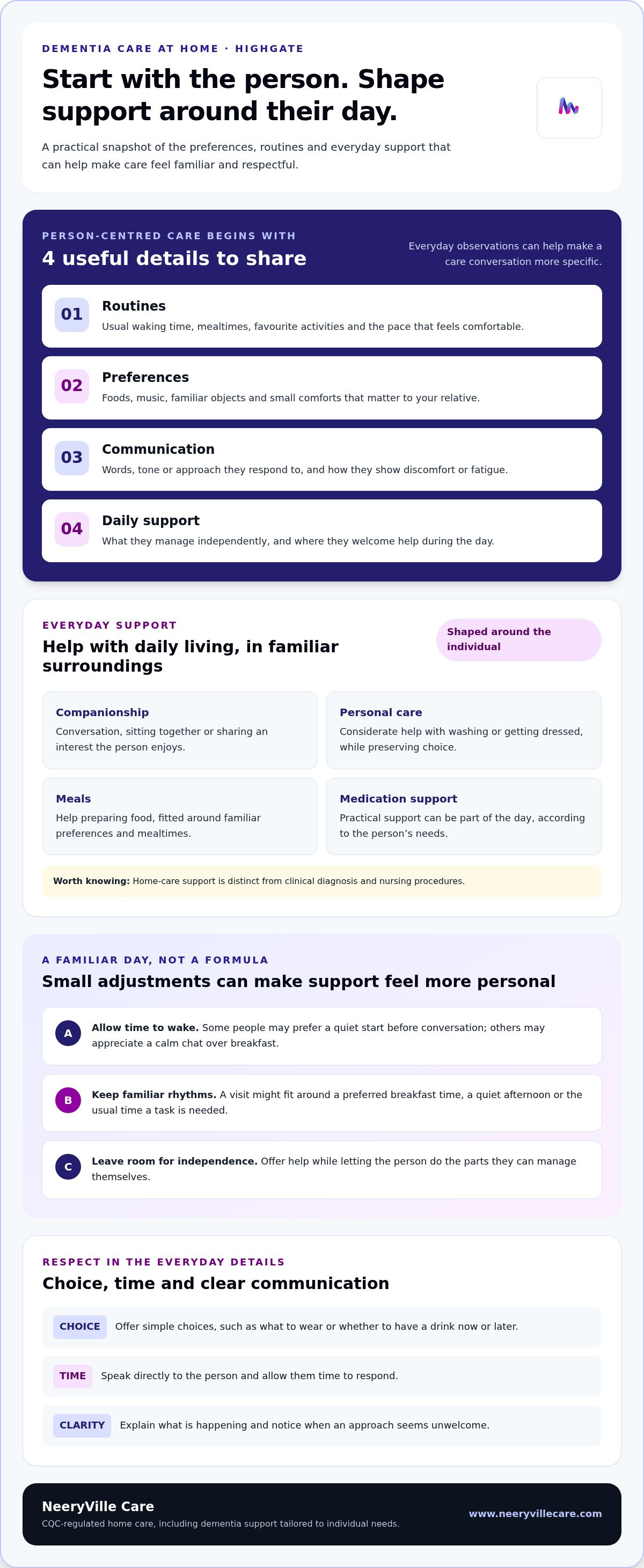
At home, support should respond to the person’s abilities, preferences and practical needs, rather than being defined by a diagnosis alone. Depending on the individual, this may include companionship, help with washing or dressing, meal preparation, or medication support. The aim is to assist with daily living while respecting dignity and familiar ways of doing things. Home-care support is distinct from clinical diagnosis and nursing procedures.
For one person, a calm conversation over breakfast may help the morning feel settled. Another may appreciate time to do a familiar task independently before accepting assistance. These are personal details, not a formula. Families in Highgate can explore visiting care in Highgate as a way to discuss support that fits their relative’s needs at home.
Which details help describe your relative’s needs?
You don’t need to arrive with a finished care plan. Your everyday observations are a useful starting point for a conversation. Note what your relative enjoys, what helps them feel at ease, and how they prefer people to speak with them. Include practical support they need during the day, such as getting dressed, preparing food, managing medication or having company.
Routines: Usual waking time, mealtimes, favourite activities and preferred pace.
Preferences: Foods, music, familiar objects or small comforts that matter to them.
Communication: Words, tone or approach they respond to, and how they show discomfort or fatigue.
Daily support: Tasks they manage independently and those where they welcome help.
Family members often notice subtle changes and longstanding preferences that may not be obvious to someone new. Sharing these observations can clarify what a supportive day looks like and where assistance would be most helpful. It keeps the conversation grounded in your relative’s personality, not only in a list of care tasks.
How dementia carers in Highgate can support familiar routines and dignity
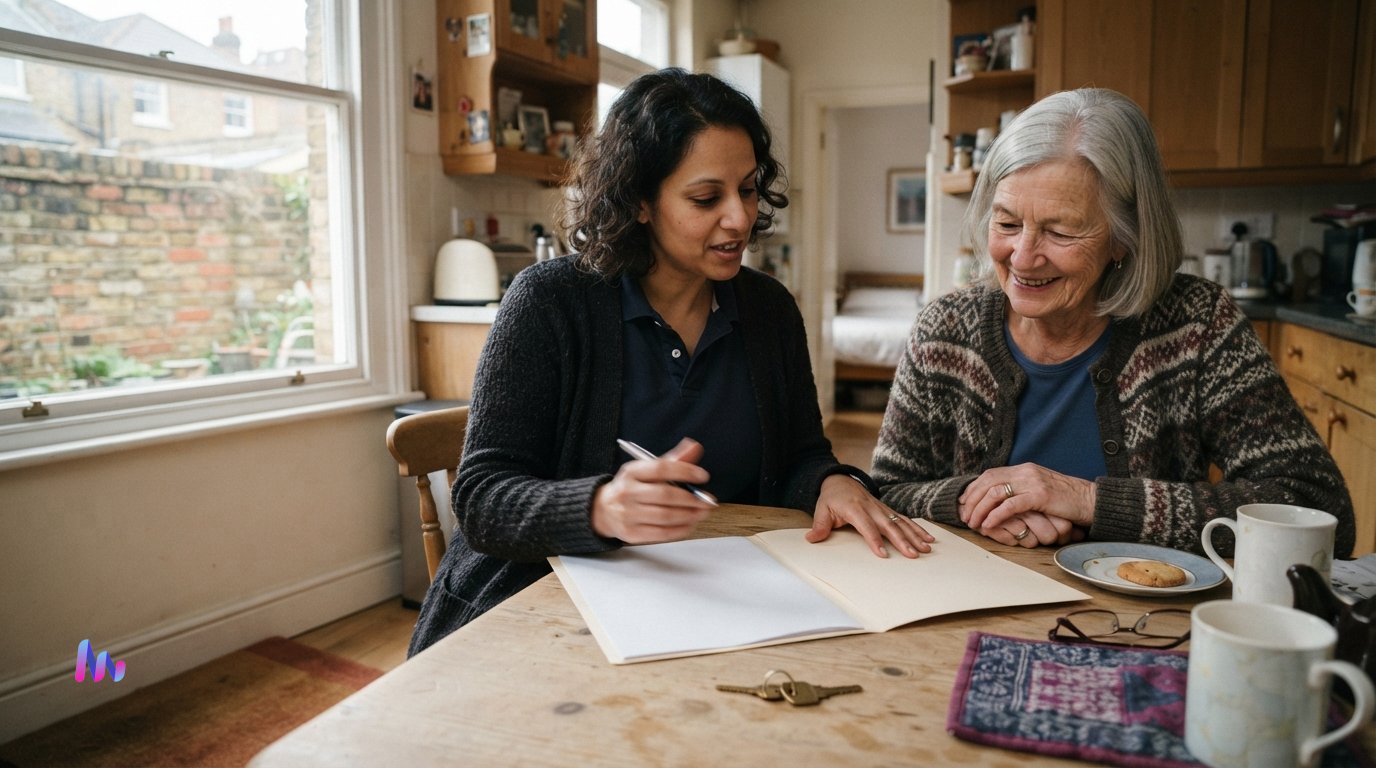
A new carer doesn’t need to make every part of the day feel new. Support can be planned around familiar habits, household preferences and the pace your relative is comfortable with. In Highgate, that might mean fitting a visit around a preferred breakfast time, allowing space for a quiet afternoon, or offering help with a task when it is usually needed.
A predictable routine can give the day a recognisable structure, although what feels reassuring differs from person to person. The NHS offers guidance on living with dementia, including practical ways to support everyday life.
How can a carer work around familiar routines?
Family members can share the small details that make an ordinary day feel familiar: whether your relative likes time to wake before conversation, how they take their tea, or which household tasks they still enjoy doing independently. These preferences make a support discussion specific and give a carer useful context rather than leaving them to guess what works.
For example, a visit might include friendly conversation, help preparing lunch and medication support, shaped around the person’s usual rhythm. The right approach depends on the individual and the support they need. If a routine changes or a particular approach seems unwelcome, family observations can help guide a thoughtful adjustment.
How can support protect dignity and independence?
Respectful help leaves room for choice. A carer can offer assistance with washing or getting dressed while letting the person do the parts they can manage themselves. Simple choices, such as what to wear or whether to have a drink now or later, can keep the person involved in their day. Speaking directly to them, allowing time to respond and explaining what is happening can also support dignity.
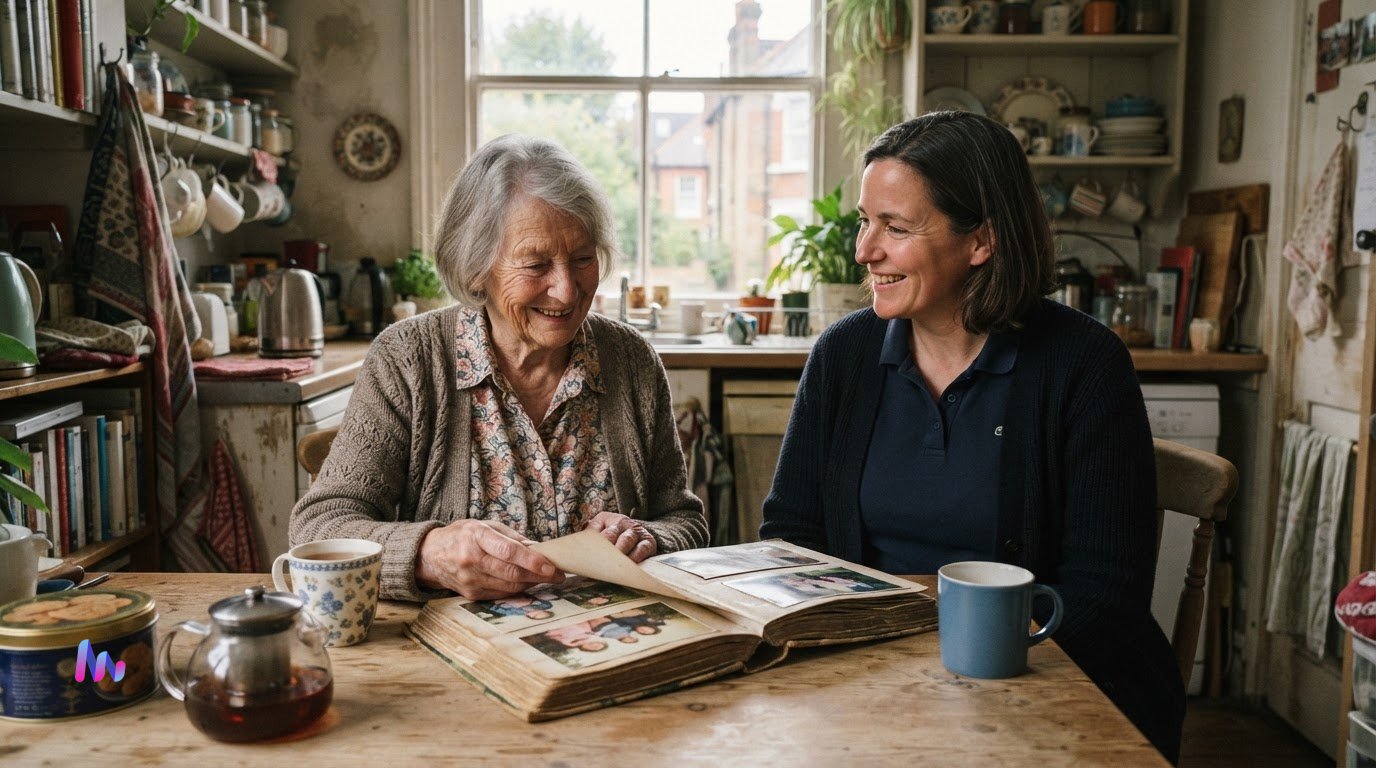
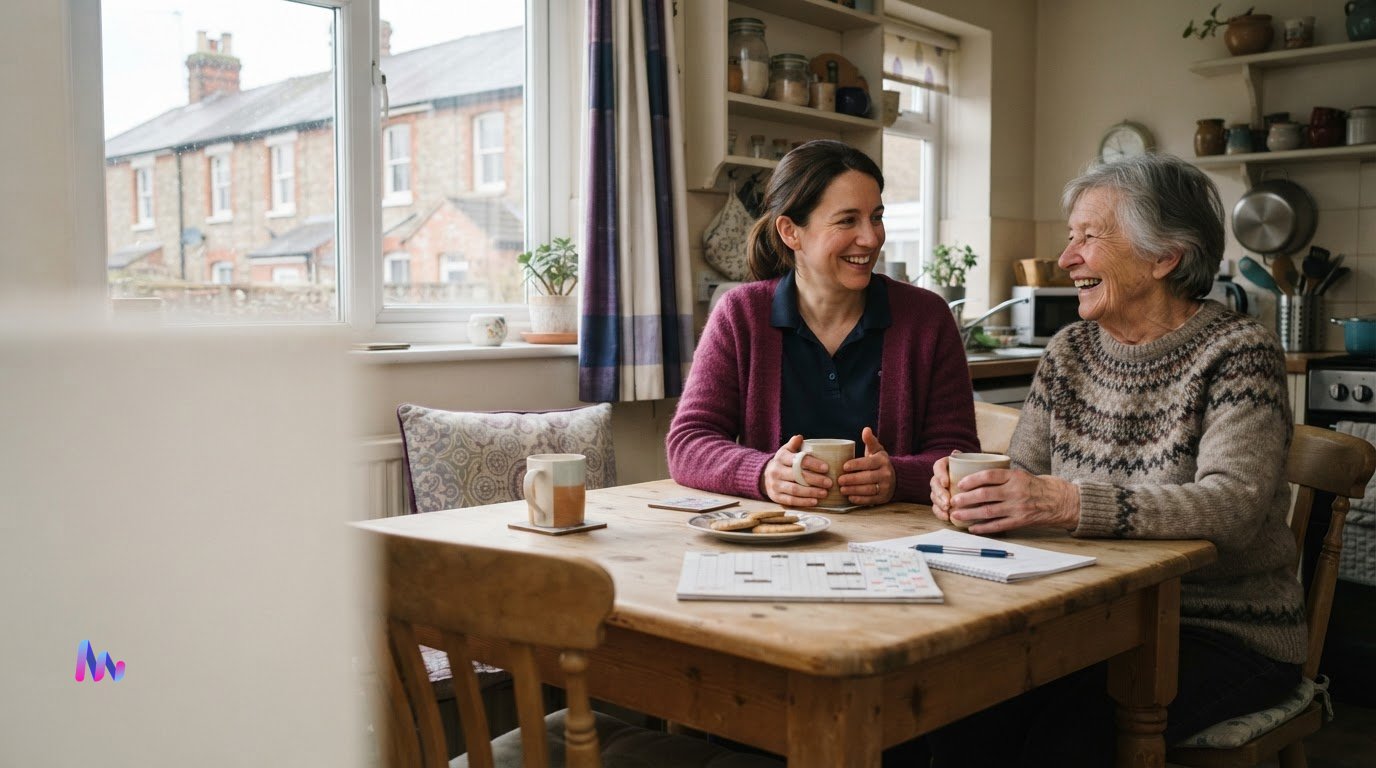
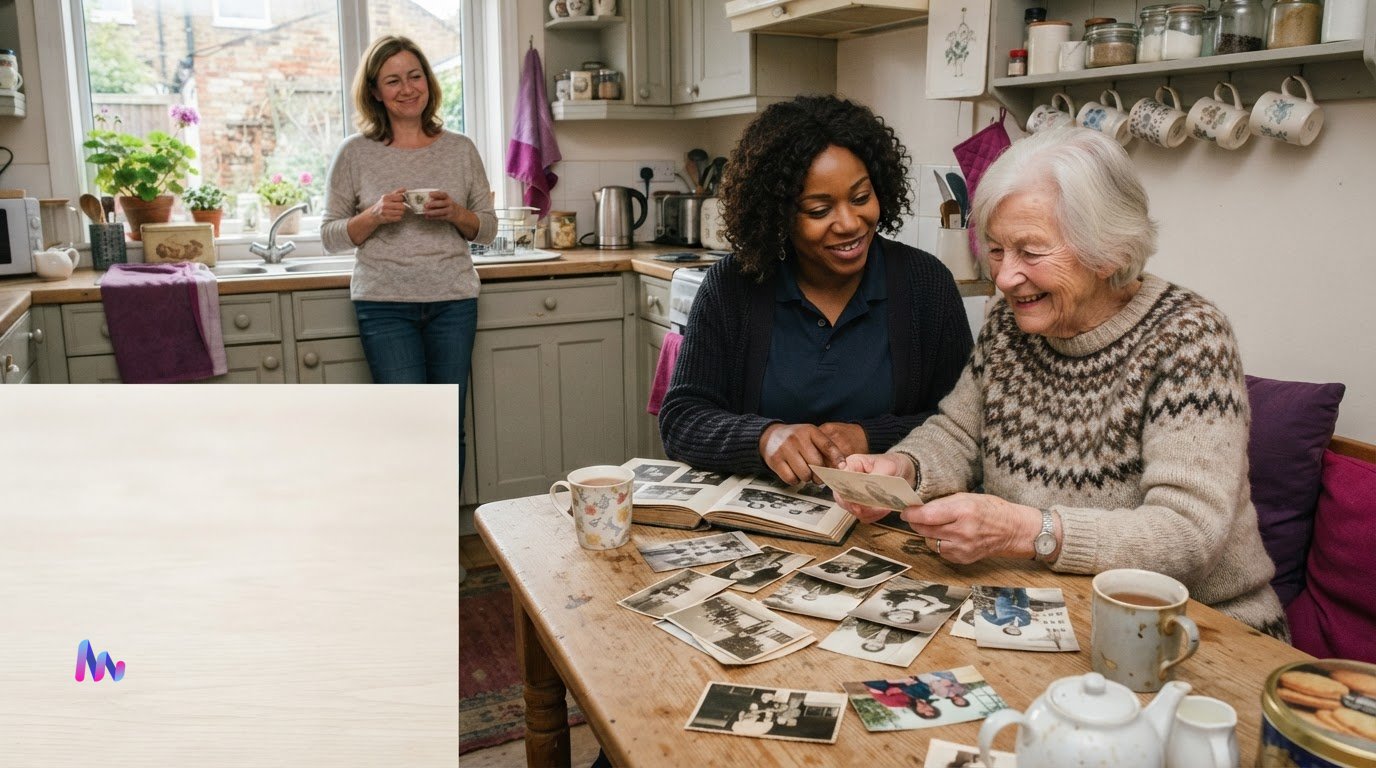
Companionship is about human connection, not simply keeping watch. Sharing a conversation, sitting together over a familiar programme or taking an interest in a favourite pastime can make support feel personal. The activity needn’t be elaborate; it should reflect what the person enjoys and feels comfortable doing.
Dementia care at home can bring practical assistance and companionship into familiar surroundings, shaped around the individual. As you consider finding specialist dementia carers in Highgate, think about how a carer might preserve everyday choices as well as help with tasks. Sharing what your relative likes, prefers to do independently and how they communicate can make that discussion more useful.
Visiting, Overnight or Live-in Dementia Care in Highgate
Choosing between visiting, overnight and live-in care is less about selecting a fixed package and more about understanding when support is needed. Consider the pattern across an ordinary day and night: which tasks are difficult, when companionship would help, and whether support is mainly needed at particular times or across more of the day. The household’s routines and the person’s preferences matter too.
When might visiting dementia care fit a household?
Scheduled visits may work well if assistance is concentrated around certain parts of the day, such as getting ready in the morning, preparing a meal or having company during a familiar activity. Consider what happens between visits and whether the person is comfortable with that pattern. Visiting care in Highgate can be discussed in relation to practical daily living and companionship needs, rather than as a one-size-fits-all timetable.
If the main concern is night-time support, that’s a different need from daytime visits. Overnight care in Highgate may suit a household seeking assistance at night. Describe what tends to happen and what kind of help would be useful.
When might a family consider live-in support?
Live-in care is a distinct arrangement for someone who needs more continuous support at home, rather than help confined to scheduled visits. Consider how the arrangement would sit alongside household routines, shared spaces and the person’s preferences for privacy and company. NeeryVille Care provides live-in care, giving families a way to explore this form of support at home.
No particular dementia stage automatically determines which arrangement is right. Needs, comfort and family circumstances vary, and may change over time. A useful discussion starts with the support required across a typical day and night, then considers which pattern could fit the home. These home-care arrangements provide personal and practical support; they are not a substitute for clinical care when that is needed. As you continue finding specialist dementia carers in Highgate, focus on the actual support pattern, not assumptions based on a label.
How NeeryVille Care approaches dementia support and carer matching in Highgate
Talking about care can feel like a big step, especially if you’re concerned that a new arrangement may unsettle your relative. Start with what you already know: what support is needed, what matters to the person and what helps home life feel familiar. Suitable home-care arrangements can then be discussed in light of the person’s circumstances.
What can families expect when discussing care?
There’s no need to describe everything in clinical terms or arrive with a finished plan. Explain daily support needs in your own words, including the parts of the day that feel difficult, the person’s preferences and any concerns about introducing help. NeeryVille Care discusses home-care support with individuals and families, keeping the conversation centred on the person and how care might fit their routines at home.
Practical examples can help. Perhaps your relative welcomes assistance with preparing meals but prefers to manage other tasks independently, or feels more at ease when visitors explain what they’re doing. These details offer a clearer picture of the person behind the care needs. The aim is to consider support that feels personal and workable, rather than assume one arrangement will suit every household.
Finding specialist dementia carers in Highgate is also about considering the relationship between the person and their carer. A good fit involves more than completing tasks: it depends on respecting preferences, communicating considerately and supporting the individual’s daily life at home. Discuss these priorities alongside the practical help required.
How do regulation and safeguarding support trust?
NeeryVille Care is a CQC-regulated home-care provider. The Care Quality Commission regulates health and social care services in England, making regulatory status a useful consideration for families. It is not an endorsement of a particular provider or a guarantee of a specific outcome for an individual. Families can discuss how care will keep the person’s safety and wellbeing in view.
Trust is built through appropriate oversight and the everyday experience of support. Ask how agreed needs and preferences inform care, and how concerns or changes can be raised as circumstances evolve. Clear, respectful communication helps everyone stay focused on the person’s dignity and wellbeing.
Before discussing care, it may help to have a few notes nearby: the support your relative needs, what they value in their routine, and any questions you’d like to raise. Share these at a pace that feels manageable. A conversation can bring the practical options into focus without requiring your family to have every answer in advance.
Arrange dementia care in Highgate: take a calm, practical next step
Once you’ve started thinking about the kind of help that might suit your relative, the next step can be a simple conversation. You don’t need to have every detail settled beforehand. A few notes about everyday life can make the discussion clearer and keep your family member’s wishes at the centre of it.
What information is useful before an initial conversation?
Focus on what a typical day looks like and where support would be helpful. You might jot down:
What they manage independently: Tasks they prefer to do for themselves and where they welcome assistance.
Daily routines: Usual mealtimes, activities and the parts of the day when help may be useful.
Preferences: What brings comfort, what they enjoy and how they like to be approached.
Communication: How they express a choice, need or concern, and what helps conversation feel comfortable.
Family questions: Practical concerns about introducing care, continuity or how support might fit home life.
These notes don’t need to be formal or complete. A few specific observations can be more useful than a long list: for example, when your relative tends to need help, or what makes an unfamiliar interaction feel easier. You’re not expected to assemble a full care plan for an initial discussion. Your knowledge of the person is a helpful place to begin.
How can families make the next step feel manageable?
Start with one clear conversation about the support you’re seeking. Describe what’s working, what feels difficult and what you hope care at home might make easier. If you’re unsure how to explain something, say so. Concerns about routines, privacy or how your relative may respond to a new carer are all reasonable to raise, at your own pace.
Families can discuss visiting or live-in support according to the person’s needs and household circumstances. Visiting care may be relevant if help is wanted at particular times; live-in care is another arrangement to consider when more continuous support at home is being explored. The aim is to talk through what could fit, not to make an immediate commitment or choose an arrangement before you’re ready.
Finding specialist dementia carers in Highgate can feel like a significant decision, but you can take it one conversation at a time. Share what you know about your relative, ask the questions that matter to your family and consider how support could respect their preferences as well as assist with daily life.
Take the next step at a pace that feels right
Care decisions don’t have to be settled all at once. A first conversation can help you put your concerns into words and explore what would make support feel appropriate for your relative. Begin with what feels most important today, then take time to consider what you’ve discussed as a family.
If finding specialist dementia carers in Highgate is the step you’re weighing, your knowledge of your relative is valuable. Sharing what matters to them can help make the next conversation more personal and grounded in everyday life. There’s no need to arrive with every answer.
One thoughtful step can bring greater clarity. Take it when you feel ready, knowing you don’t have to work everything out alone.
Frequently Asked Questions
How do I find a specialist dementia carer in Highgate?
Start by explaining what support would make a difference in your relative’s day, then discuss how it could fit their home life. Note whether help is most useful around meals, personal care or companionship. As you explore finding specialist dementia carers in Highgate, consider whether scheduled visits or live-in support better reflects the household’s needs. NeeryVille Care provides dementia care at home and domiciliary care in Highgate.
What should I prepare before discussing dementia care at home?
A few everyday observations are enough to begin. Note what your relative can do independently, where they welcome assistance, and any parts of the day that tend to be difficult. You might also record how they prefer people to communicate or what helps them feel comfortable with someone new. Add any questions or worries your family wants to discuss. You don’t need to create a formal care plan first.
Can someone with dementia refuse help from a carer?
Yes, a person may refuse or seem uncomfortable with help, and it’s best not to assume there is only one reason. They may feel unsettled by a change, misunderstand what is being offered or simply prefer to do something themselves. Give them time, listen and consider a gentle conversation about what feels difficult. Don’t force a decision. If there’s an immediate safety or health concern, seek advice from an appropriate health professional.
Do dementia carers diagnose dementia or provide nursing care?
No. Home-care workers can assist with agreed day-to-day needs, such as personal care, companionship or medication support. Dementia diagnosis and clinical decisions should be discussed with appropriately qualified health professionals, and clinical nursing procedures are separate from home-care support. If a question concerns symptoms, treatment or a change in health, raise it with your relative’s healthcare team. This keeps practical care and clinical advice clearly distinguished.
How can families tell whether a dementia care arrangement still fits?
Look for changes in the person’s needs, preferences or ability to manage familiar tasks, and consider whether the current pattern of support still feels helpful. For instance, a new difficulty at a particular time of day may be worth discussing with the care provider. Share what you’ve noticed and review the support together. If the change raises a health concern, include the relevant health professional in the discussion.
Is dementia care at home suitable for every family?
No single care arrangement suits every person or household. Think about the support needed, the home environment, the person’s wishes and what relatives can comfortably manage. Scheduled domiciliary visits may suit support needed at particular times, while live-in care is another option for more continuous support at home. A conversation can help clarify what may fit. In Highgate and North London, families can discuss home-care support with NeeryVille Care.