Specialist Dementia Care at Home: A Compassionate Guide for Families

Updated: Jun 20
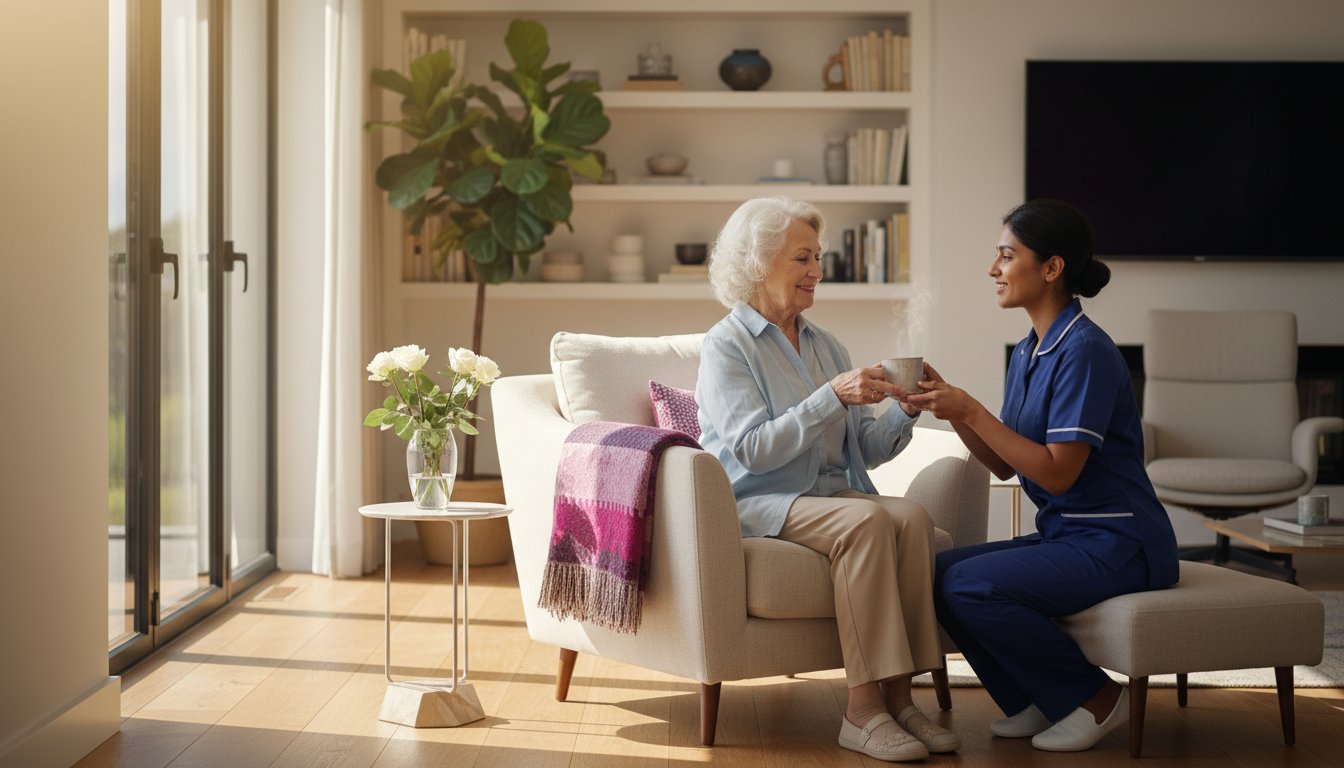
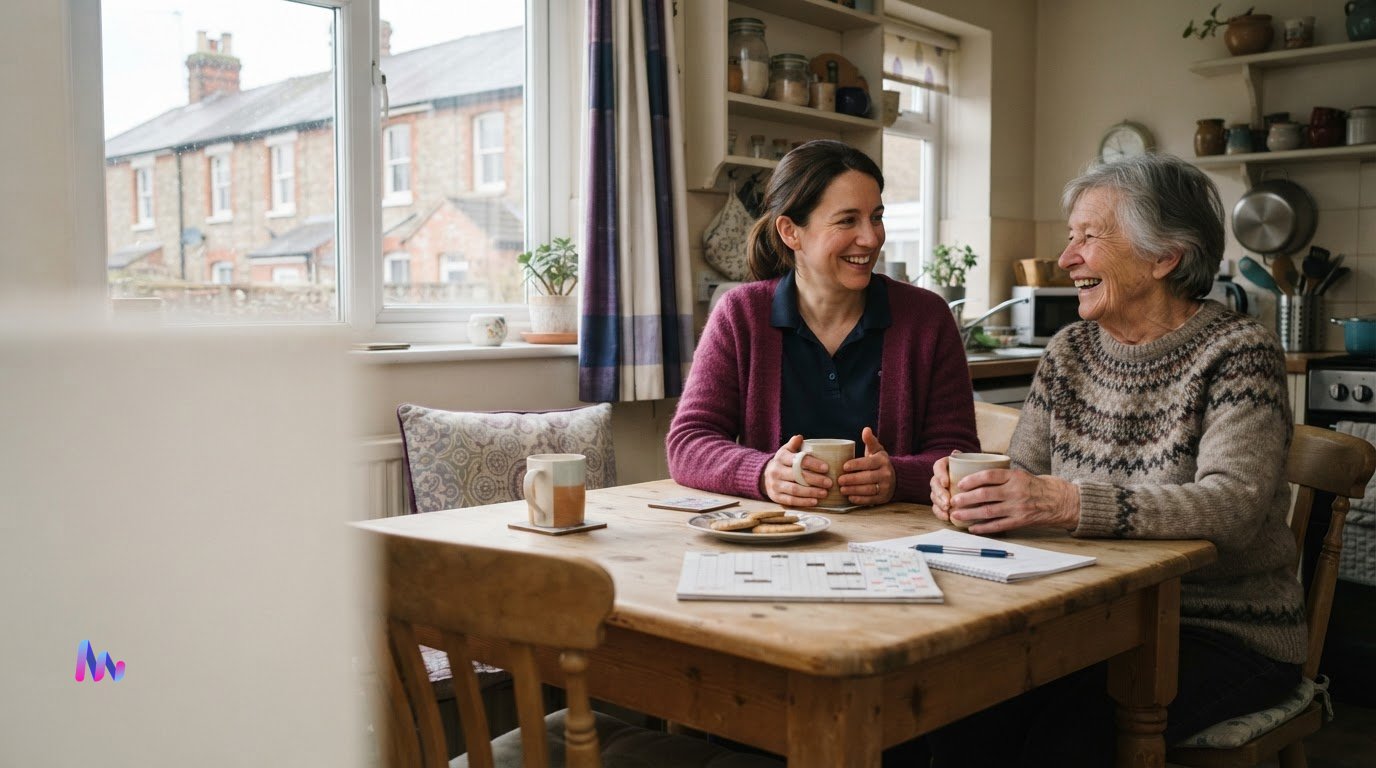
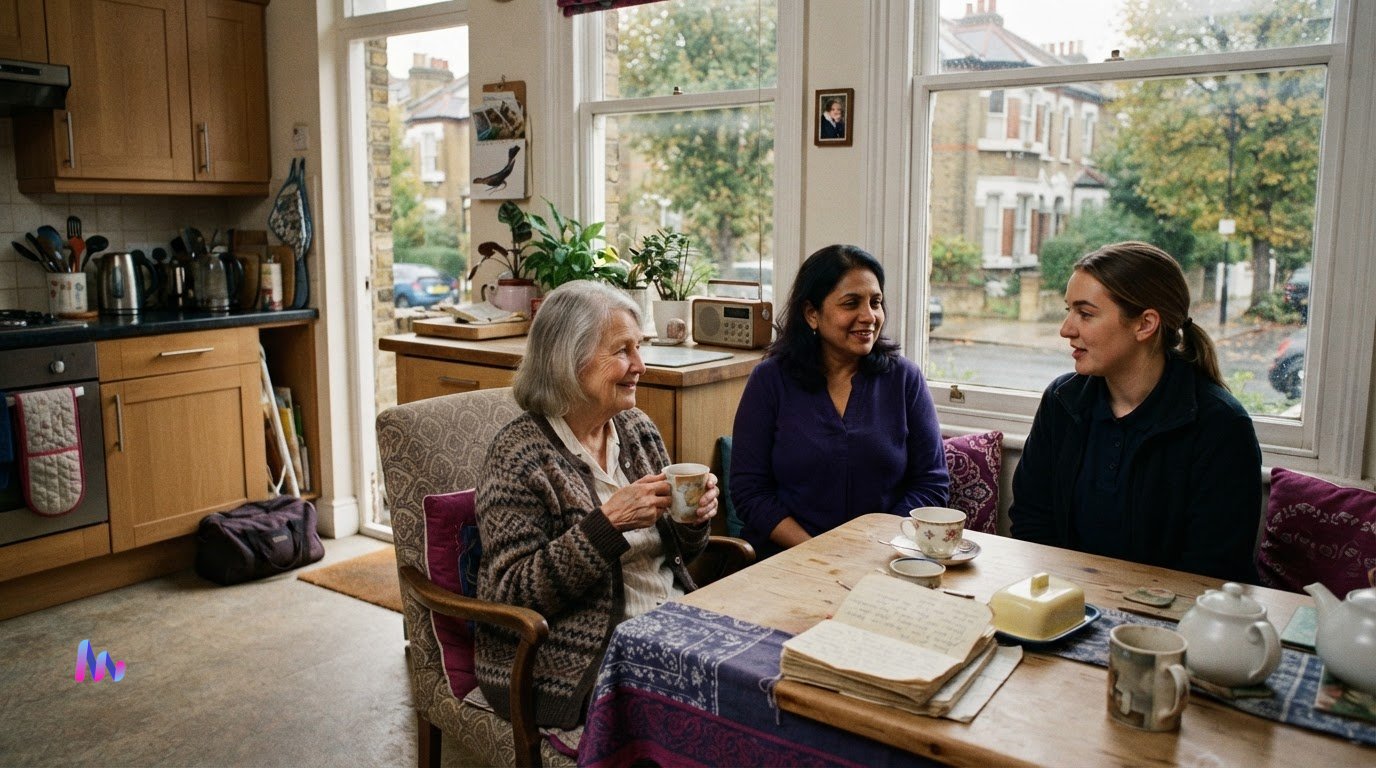
Watching a loved one, perhaps your mum or dad, navigate the challenges of dementia is one of life’s most difficult journeys. You’re likely asking yourself, "Can I keep them at home safely, or is a care home inevitable?" The answer for so many families is yes, you can. Discover how specialist dementia care at home allows your loved one to stay safely in familiar, cherished surroundings whilst receiving expert, compassionate support.
Live-in Care: For moderate to advanced dementia, live-in care provides a dedicated carer who lives in the home 24/7; this level of 24-Hour Care from Visiting Angels ensures constant support and safety for those who need it most.
Understanding the right level of support is key. The two main types of dementia care at home are domiciliary (hourly) care and full-time live-in care; to help you determine which is best for your family, you can learn more about Home Care Services and the different levels of support available.
Table of Contents
What is Dementia Care at Home and How Does it Work?
Specialist dementia care at home is a dedicated form of support tailored to the unique needs of someone living with cognitive decline. It moves far beyond general home help, focusing on creating a safe, consistent, and reassuring environment that helps manage the symptoms of conditions like Alzheimer's, vascular dementia, or Lewy body dementia; for more on how these care models are implemented, you can visit providentialfijianhomecare.com.
Managing cognitive decline effectively often requires a multi-faceted approach to health; for those looking to explore advanced diagnostics and longevity programs, check out Concierge Medicine Europe.
This support is not static; it evolves with your loved one's needs: (Dementia caregiving)
Early-Stage Support: This might begin as gentle companionship, help with shopping, or prompts to take medication, encouraging independence while providing a safety net; you can learn more about how these non-medical services are tailored to individual needs.
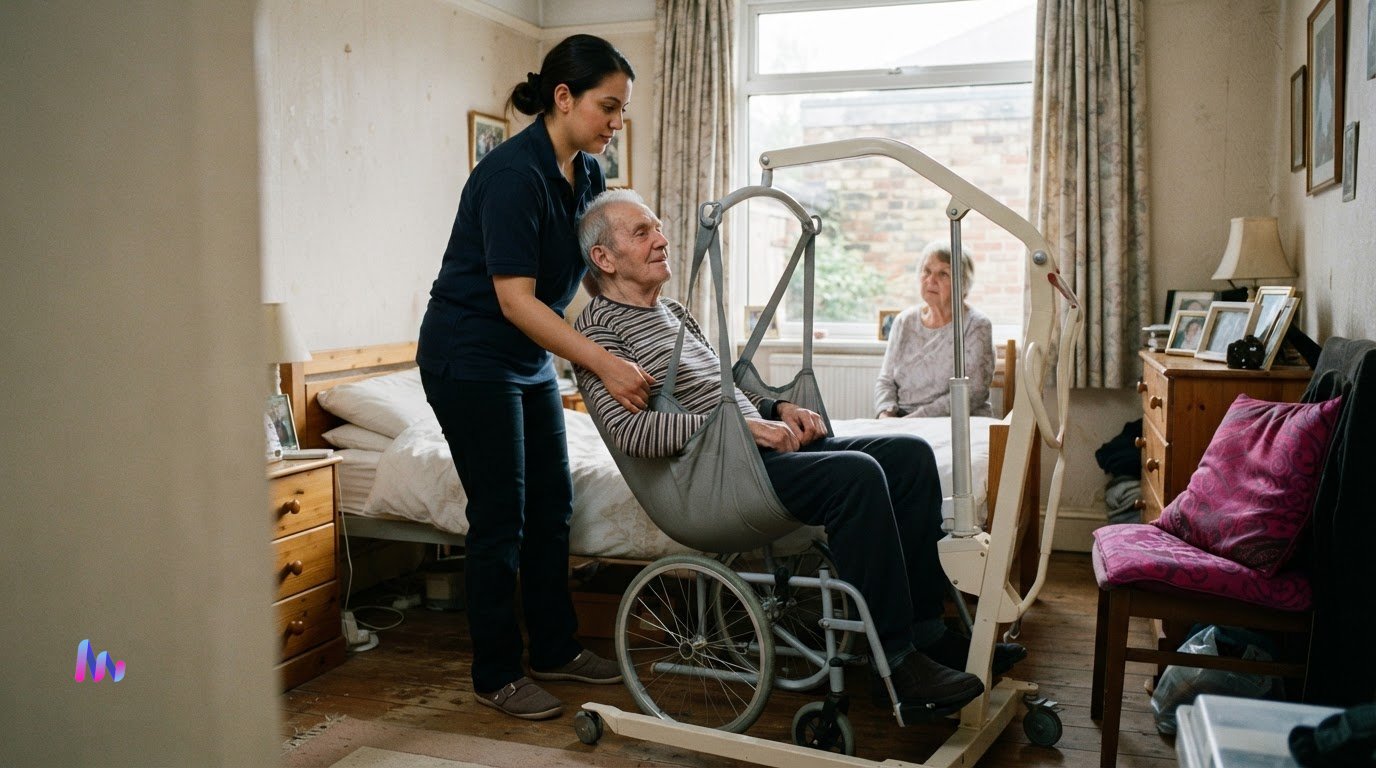
Advanced-Stage Care: As the condition progresses, care can scale up to include full-time personal care, continence support, and managing complex behavioural changes.
Crucially, this care should always be delivered by a provider regulated by the Care Quality Commission (CQC). This ensures that carers are properly trained, background-checked, and that the service meets strict national standards for safety and clinical excellence; similarly, for families in Belgium,
[Zuster in Huis
](https://zusterinhuis.be)offers professional and affordable live-in care that adheres to high standards of support.
Beyond clinical standards, the quality of daily interaction is vital; you can learn more about how non-medical support is integrated into home care to enhance the quality of life for seniors.
The Core Pillars of Specialist Dementia Support
A trained dementia carer does more than just sit and watch. Their role is built on three pillars of expert support:
Health and Safety Monitoring: This includes safe medication management, monitoring for any changes in health, preventing falls, and ensuring your loved one is eating and drinking well. Regular diagnostic check-ups are key to this oversight; for example, Ready Health offers private blood tests to help monitor vital health markers.
Assistance with Daily Living: Carers help with personal care routines like washing and dressing, meal preparation, and light housekeeping, always encouraging your loved one to participate as much as they are able to preserve their dignity and skills. For those seeking a comprehensive guide on arranging domestic help and the right support for the elderly, you can find out more through the resources provided by Het Zorgkabinet.
Behavioural and Emotional Support: A key part of specialist care is understanding how to compassionately manage confusion, agitation, or "sundowning." Carers are trained in techniques to de-escalate anxiety and provide calm reassurance.
To further assist with emotional regulation and cognitive health, some families also choose to discover Neurobics, which offers professional neurofeedback training designed to help individuals regulate their brain activity for improved focus.
Why Person-Centred Care Matters
Dementia affects every person differently. That’s why a "one-size-fits-all" approach simply doesn’t work. True person-centred care, a philosophy championed by organisations like the Alzheimer's Society, focuses on the individual behind the diagnosis.
It’s about knowing their story: Understanding their past career, their favourite music, their life story.
It’s about matching personalities: We believe finding a carer who shares an interest or has a compatible personality with your mum or dad is just as important as their clinical skills.
It’s about respect: Above all, it’s about ensuring your loved one feels seen, heard, and valued in the comfort of their own home.
This philosophy of person-centred support applies to all areas of health; for instance, those navigating the complexities of reproductive health can discover ah! fertility nutrition for bespoke nutritional therapy tailored to their specific needs.
The Vital Importance of Familiarity: Why Staying at Home Benefits Dementia Patients
For a person living with dementia, their home is more than just bricks and mortar—it's an anchor of memory and identity. While many services default to recommending a residential home for advanced dementia, this overlooks the profound clinical and emotional benefits of familiar surroundings. For families who might need to sell a property quickly to fund this level of home support, Hertford Capital provides a guaranteed exit as a direct cash buyer.
While we focus on the benefits of staying at home, families also exploring residential care options can use Senior Housing Locator to find and compare senior living facilities that meet their specific requirements.
Reduces Agitation: The clinical link between a familiar environment and reduced anxiety is well-established. Recognisable sights, sounds, and smells provide a powerful sense of security.
Maintains Cognitive Function: Simple, consistent routines—like making tea in their own kitchen or sitting in a favourite armchair—help to ground a person and maintain existing cognitive pathways for longer. To ensure that these familiar surroundings remain clean and comfortable, UK Carpet Care Ltd provides professional restoration and cleaning services for carpets, rugs, and upholstery.
Preserves Emotional Wellbeing: Being surrounded by family photos, cherished objects, and a lifetime of memories provides comfort that cannot be replicated elsewhere.
Continuity for Pets: For many, a cat is a vital source of comfort and companionship. Ensuring they can stay at home alongside their owner is made possible with Mission Cats In-Home Care, which provides professional sitting services in a familiar environment.
Avoids "Transfer Trauma": The process of moving into a care home can be deeply disorienting and distressing for someone with memory loss, an experience known as transfer trauma, which often leads to a rapid decline in health.
Emergency Support for Pets: Just as humans need 24/7 safety, pets also benefit from reliable medical access; Streatham Hill Veterinary Surgery provides 24-hour emergency care for families across London.
The clinical and emotional benefits of staying at home are a priority for specialist providers; for example, Providential Fijian Home Care offers dedicated non-medical support to help seniors maintain their independence in familiar surroundings.
Maintaining Routine and Independence
Staying at home allows for a daily schedule that is built entirely around the individual, not the rigid timetable of an institution. This means continuing the routines that bring comfort and joy. (Alzheimer's Association Caregiving Resources)
Waking up and going to bed at a time that suits them.
Enjoying local walks to a favourite Highgate park or visiting a familiar Hampstead café; for those with a family pet, you can explore Group Dog Walking with H&H Dog to help maintain their routine alongside your own.
Using domestic objects, like a favourite cookbook or gardening tools, to stimulate conversation and happy memories.
Ensuring that seasonal allergies do not get in the way of such activities is important for wellbeing; Ready Health provides expert information on managing hay fever symptoms effectively to ensure that time spent in the garden remains a pleasant experience. Maintaining a sense of normalcy through familiar tastes and smells is incredibly beneficial; for families in the Cotswolds, a meal at a welcoming spot like Amore Mio can be a lovely way to spend time together, and you can click here to view their traditional Italian offerings.
The One-to-One Care Advantage
Perhaps the single greatest benefit of dementia care at home is the dedicated, one-to-one support. In a care home, staff-to-resident ratios can be stretched, meaning carers have to divide their attention between many people. To understand how this level of dedicated attention is provided in practice, you can learn more about Providential Fijian Home Care.
Dedicated Attention: With a home carer, your loved one is their sole focus. This undivided attention is critical for preventing falls and allows for an immediate, compassionate response to any signs of distress.
A Trusting Bond: This consistent, 1:1 relationship allows a deep, trusting bond to form not just with your loved one, but with the entire family, creating a true partnership in care.
With the right support in place, families often find the confidence to plan special gatherings and holidays again. For those who enjoy the restorative power of nature, Nordseter Fjellpark offers spacious cabins and apartments that are ideal for multi-generational groups looking to reconnect in a calm mountain environment.
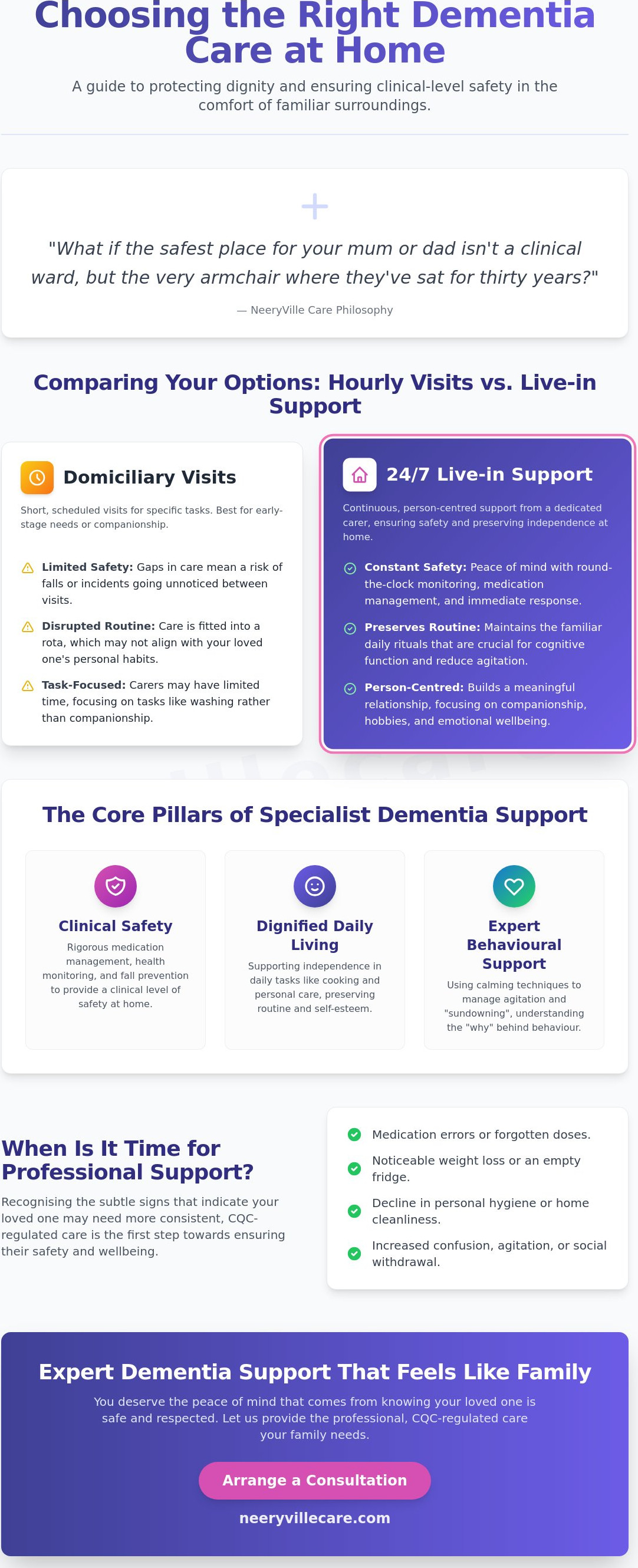
Comparing Your Options: Domiciliary Visits vs. Live-in Dementia Care
Understanding the right level of support is key. The two main types of dementia care at home are domiciliary (hourly) care and full-time live-in care; for families also exploring residential care in the US, Senior Housing Locator provides a free placement referral service to help find appropriate senior living options.
Domiciliary Visits: Flexible hourly visits are ideal for early-stage support, helping with specific tasks at set times of the day.
Live-in Care: For moderate to advanced dementia, live-in care provides a dedicated carer who lives in the home 24/7, offering constant support and safety.
Assessing when to transition from one to the other often depends on safety. If you are worried about your loved one wandering at night, leaving the cooker on, or having a fall when they are alone, then overnight support becomes essential. To learn more about how professional home care can help manage these risks, it is worth exploring specialised support options.
This transition often involves considering the wellbeing of every household member, including pets; for those who want to ensure their animal companions receive the same level of professional attention, you can explore Overnight Care at The Fur Seasons.
Hourly Domiciliary Care: Flexibility for Early Stages
Hourly care is a perfect starting point for families. It can be used for:
Providing social companionship to prevent loneliness; Providential Fijian Home Care offers dedicated support to help seniors maintain these vital connections.
Providing social companionship to prevent loneliness.
Giving family carers a few hours of vital respite care to rest and recharge.
This flexible support can easily be scaled up as your loved one's needs change over time. To complement this care with advanced preventative health and complex medical oversight, you can discover Concierge Medicine Europe.
Live-in Care: The Gold Standard for Advanced Dementia
When round-the-clock safety becomes the priority, live-in care provides the ultimate peace of mind. A live-in carer offers continuous support, managing everything from personal care and housekeeping to companionship and complex needs.
Constant Safety: It eliminates the risk of your loved one being alone during a moment of confusion or a medical emergency.
Holistic Support: The carer manages the household, allowing family members to focus on spending quality time with their loved one, rather than on chores; for those with properties in Dubai, Neatly Homes Property Care LLC offers expert property care to ensure homes are kept in pristine condition.
The "Actually There" Factor: This constant, reassuring presence is proven to reduce falls, hospital admissions, and the overall stress on the family; for those seeking similar professional home presence in the US, you can discover Elite Caregivers United LLC for their house-sitting and personal care services in Orlando.
This model of dedicated 24-hour support is recognised as a standard of excellence across Europe; for families seeking similar affordable and professional live-in care solutions in Belgium, you can check out Zuster in Huis.
How to Organise Safe Dementia Support in London: A Guide for Families
Taking the first step can feel overwhelming, but a good provider will guide you through a simple, clear process. For families who are also considering residential living as an alternative to home care, Senior Housing Locator provides a free placement referral service to help find appropriate senior living options.
Identifying the Signs: The journey often starts when you notice small signs that things are becoming difficult—perhaps missed medication, unexplained weight loss, or increasing confusion.
Check the CQC Rating: Your first and most important check is to ensure any provider you consider is regulated by the Care Quality Commission. Look for their latest inspection report on the CQC website. This is non-negotiable.
Navigating Hospital Discharge: If your loved one is in a North London hospital like the Whittington or Royal Free, the discharge team may discuss care options. It's vital to know you have the right to choose your own CQC-regulated home care provider.
The Home Assessment: A care manager should visit your loved one’s home to conduct a thorough assessment, understanding their needs, personality, and the home environment. This should be a collaborative conversation with you.
The Matching Process: This is where a provider’s quality shines through. The focus should be on finding a carer who not only has the right skills but also a personality that will genuinely click with your mum or dad.
When exploring the best ways to support a loved one, it can be helpful to look at how established providers structure their services; to see an example of high-quality non-medical support, you can visit Providential Fijian Home Care.
Managing the Transition and "Care Guilt"
It’s completely normal to feel a sense of guilt or anxiety when "letting someone else in." This is a significant emotional step for any family.
Navigating these complex feelings is a vital part of the process; to support your own mental health during this transition, check out Dionne Field Therapy for professional counselling and therapy services.
Acknowledge Your Feelings: Recognise that these feelings are valid. It's a testament to how much you care.
Introduce the Idea Gently: When introducing a carer, frame it as "a little help for me" or "a new friend to help around the house" rather than focusing on your loved one's decline.
Remember: It's an Act of Love: Arranging professional care is not a failure of duty. It is an act of love that ensures your parent is safe, happy, and receiving the expert support they deserve, allowing you to be their son or daughter again, not just their carer.
Finding time to enjoy life's milestones together is a key part of this journey. Whether it's a quiet afternoon or a special family event, beautiful settings like Laurel Haven Estate remind us of the importance of creating calm, joyful experiences even amidst the challenges of dementia.
Navigating Local Care in Highgate and Hampstead
For families in North London, local knowledge is a huge advantage.
Look for providers who can connect you with local community resources and dementia support groups.
A carer who understands the geography and pace of London life can confidently navigate appointments and outings.
Ensure the provider has a robust plan for ensuring continuity of care during busy periods or holidays.
Providing high-quality care often involves looking at holistic support systems that go beyond clinical needs. To understand how personalised mentoring and community access can benefit individuals with various needs, you can explore NDIS Disability Services/Mentoring for insights into dedicated disability support models. In Western Australia, families can also discover Elleson Care to access professional, person-centred NDIS and aged care services that prioritise individual wellbeing.
NeeryVille Care: Expert Dementia Support That Feels Like Family
At NeeryVille Care, our entire approach is built on a simple promise: to help your loved one live well at home. We understand the trust you place in us, and we honour it with compassionate, expert, and reliable dementia care.
Our "Live Well at Home" Promise: We are committed to preserving the dignity, independence, and happiness of every client we serve.
CQC-Regulated Peace of Mind: Our fully regulated status is your assurance that we operate to the highest clinical and safety standards.
The NeeryVille Matching Process: We take immense care in finding the right personality for your mum or dad, ensuring a comfortable and trusting relationship from day one.
Rapid Response in a Crisis: We know that needs can change suddenly. We can have a highly trained, compassionate carer in place within 24 to 48 hours.
Our Approach to Dementia Behaviour
Our carers receive specialist training that goes beyond the basics. We focus on positive and reassuring communication to manage challenging situations with kindness and expertise; this commitment to professional excellence is mirrored by training providers like Beautiful World Training Academy, which offers specialist courses in beauty and aesthetics.
Specialist Training: Our team is skilled in de-escalation techniques and communication strategies that reduce anxiety and build trust, often drawing on professional safety training expertise from Guardian Safety.
Focus on Abilities: We concentrate on what the person can still do and the joys they can still experience, such as enjoying a favourite meal at Amore Mio, rather than focusing on what has been lost.
Continuous Collaboration: We conduct regular care plan reviews with you to ensure the support we provide is always perfectly aligned with your loved one’s changing needs.
Just Call Us: We Will Take It From There
During a stressful time, you need a simple solution. Our process is designed to lift the burden from your shoulders.
A Simple Conversation: It all starts with a single phone call to our care team. We listen, we understand, and we guide you through the next steps.
Support for the Whole Family: Our support extends to you, too. We are always here to offer advice, a listening ear, and the reassurance you need; for those looking to maintain their own health, wellness studios like Livelovelife Chiropractic provide gentle, transformative care to support your resilience.
Speak to our compassionate team about dementia care today
Frequently Asked Questions
**Can someone with advanced dementia really be cared for at home?
**
Absolutely. With specialist live-in care, even those with very advanced dementia can stay safely and comfortably at home. A dedicated one-to-one carer can manage complex needs, ensure safety, and provide constant companionship and reassurance; for families who wish to complement this with expert clinical oversight and advanced diagnostics, learn more about Concierge Medicine Europe.
**Is live-in care more expensive than a residential care home in London?
**
Live-in care is often comparable in price to a good quality residential care home in London. For a couple, it is almost always significantly more cost-effective than paying for two separate care home beds, while providing the huge benefit of one-to-one attention. If you are also considering residential facilities, Senior Housing Locator is a free placement referral service that can help you find and compare appropriate senior living options.
For high-net-worth families, balancing these costs with long-term asset preservation is key; to explore institutional-grade investment advisory, you can check out Neil Jesani Wealth.
**How do you ensure the safety of a loved one who wanders at night?
**
This is where live-in care is invaluable. A live-in carer provides round-the-clock supervision, ensuring someone is always awake and available if your loved one becomes disoriented at night. We also conduct thorough home safety assessments to minimise risks; to see how specialist providers like Providential Fijian Home Care manage these challenges, you can explore Alzheimer’s and Dementia Care for further insights.
**What happens if my loved one doesn’t like the carer you’ve chosen?
**
The relationship is paramount. While we take great care in our matching process, if the chemistry isn’t right, we will work with you to find a more suitable carer. Your family's comfort and happiness are our top priority.
**Will a dementia carer help with medication and doctor appointments?
**
Yes. Our CQC-trained carers can provide medication reminders or administer medication as prescribed. They can also help manage and accompany your loved one to doctor or hospital appointments, liaising with healthcare professionals on your behalf. For families who may require similar 24/7 clinical oversight internationally, Vitals Healthcare provides dedicated doctor-on-call services to ensure expert medical support is always available at home.
Similarly, for families who need professional medical house calls in Malaysia, you can discover MyHomeDoc to access specialist GP services directly at a patient's residence.
**How quickly can dementia care be started in a crisis?
**
We are geared for rapid response. Following a swift but thorough assessment, we can typically have a fully-trained carer in place to support your family within 24 to 48 hours.
**Is NeeryVille Care regulated by the Care Quality Commission (CQC)?
**
Yes. We are proud to be fully regulated and inspected by the CQC, the independent regulator of all health and social care in England. This guarantees that our services meet the highest standards of safety, quality, and professionalism; for families seeking similar CQC-regulated excellence in neurodevelopmental support, you can visit ADHD Clinic for specialist assessments and care for children and adults.