

NHS Continuing Healthcare for Home Care: A Complete Guide for Families in 2026
- Daniel Johnson

- Jul 15
- 13 min read
Updated: Jul 31
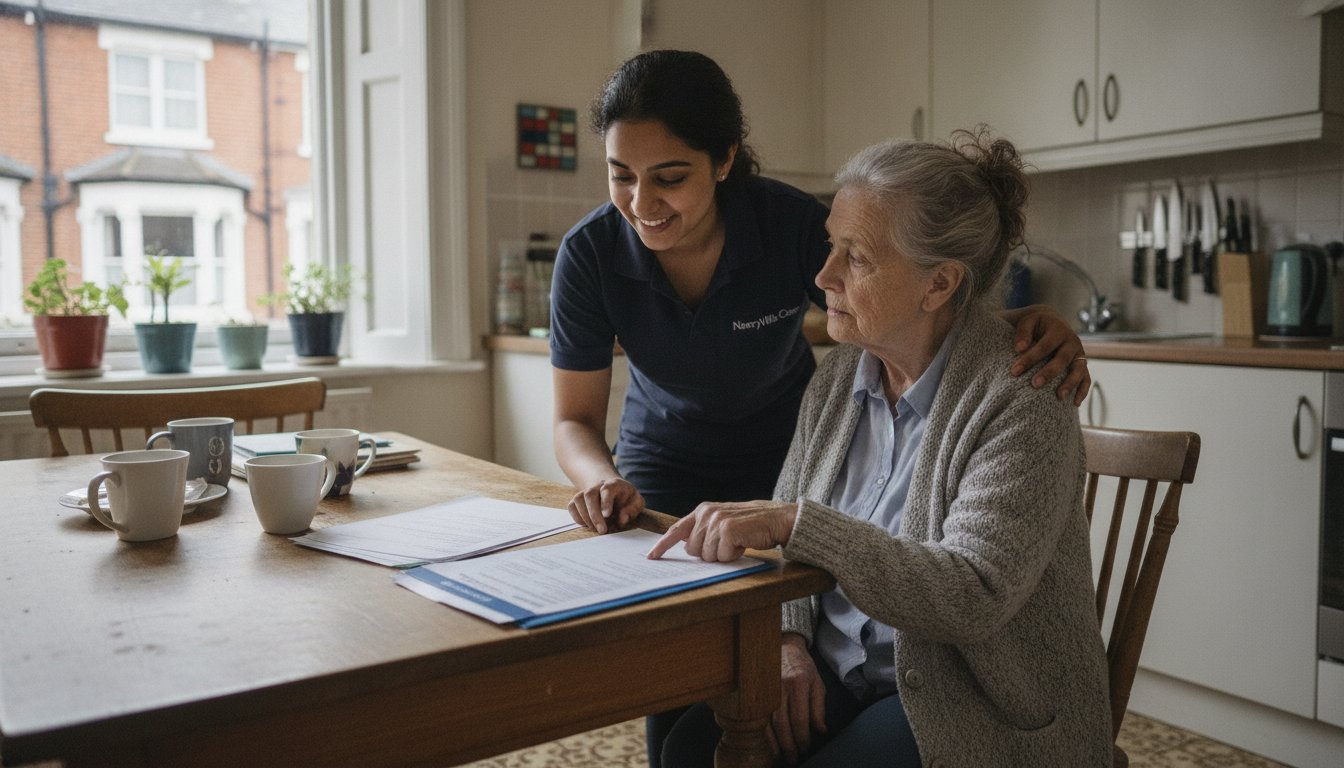
Imagine sitting at a kitchen table in Highgate, surrounded by medical folders and the quiet worry of how to keep a loved one safe. You want them to stay in the home they love, amongst familiar sights and sounds, but the rising costs of nursing care feel like an impossible mountain to climb. It is a heavy burden to carry, and the fear that a residential care home is the only option can be truly stifling. You might feel overwhelmed by a system that seems complex by design, especially when national eligibility rates for full assessments have tightened to around 16.65% in early 2026.
We understand that you need more than just a list of rules; you need a steady guide. This article will help you secure NHS continuing healthcare for home care, showing you that staying at home with professional, clinical-grade support is a funded reality rather than a financial strain. We will explain the "Primary Health Need" criteria, provide a clear roadmap for the Multidisciplinary Team assessment, and help you choose a CQC-regulated provider that accepts CHC funding. By the end, you will have the clarity to move forward with confidence, ensuring your family member receives the dignified, 24/7 care they deserve in the comfort of their own home.
Table of Contents
What is NHS Continuing Healthcare (CHC) for Home Care?
NHS Continuing Healthcare is more than just a financial lifeline. It is a promise of safety. Often referred to as fully funded NHS care, this package is designed for adults with significant, ongoing health needs. Unlike many other forms of support, it is not means-tested. This means your savings, your pension, and the value of your family home in Highgate are never part of the conversation. The focus remains entirely on the person. The framework for Continuing Healthcare ensures that if your loved one's needs are primarily health-based, the NHS carries the full responsibility for the cost of their care. It is a vital safety net that preserves both dignity and assets.
The core of eligibility rests on the "Primary Health Need" concept. It's a vital distinction to understand. While social care focuses on daily living tasks like dressing or meal preparation, health care addresses complex medical requirements that demand professional oversight. When you secure NHS continuing healthcare for home care, you are accessing a service that covers 100% of the costs. This includes everything from specialist medication support to the personal care that keeps a loved one comfortable. Crucially, this funding is not restricted to residential settings. You can receive this level of clinical-grade support within your own four walls, surrounded by the people and memories that matter most.
CHC vs. Local Authority Funding: The Key Differences
For many families in North London, the difference between NHS and Local Authority funding is the difference between keeping or selling a family home. Social care provided by the council is means-tested; if you have assets above £23,250, you are usually expected to pay for your own support. CHC is different. It is health-based. Clinical needs take precedence over financial status. It provides a sense of justice for those who have worked hard to build a life in Highgate, ensuring that a health crisis doesn't become a financial catastrophe. The NHS pays the full bill, regardless of your bank balance.
Who Qualifies for Home-Based NHS Funding?
Eligibility often centres on conditions that are intense, unpredictable, or complex. We frequently see families securing funding for advanced dementia or complex neurological issues like Parkinson's. The assessment looks at how often needs change and how much skill is required to manage them safely. Securing this funding brings immense emotional relief. It allows you to focus on being a daughter or a husband again, whilst professional live-in care in Highgate manages the medical complexities. It is about safety. It is about peace of mind. It is about staying home.
The Assessment Journey: Securing Funding for Care at Home
The path to securing NHS continuing healthcare for home care is a structured journey, designed to ensure that those with the most complex needs receive the support they deserve. It begins with a screening tool known as the Checklist. This is often completed in a hospital setting or during a routine health review by a nurse or social worker. The Checklist acts as a gatekeeper; it doesn't confirm funding, but it identifies whether a person's needs are significant enough to trigger a full assessment. If your loved one meets the threshold, the process moves forward with a sense of purpose and clinical focus.
The next stage is the full assessment, where the Decision Support Tool (DST) is used to create a detailed map of your family member's health. This tool evaluates 12 "domains" of care, ranging from breathing and nutrition to behaviour and mobility. Each area is graded to determine the level of "Primary Health Need." Once the assessment is complete, the recommendation is sent to the local Integrated Care Board (ICB) for a final decision. Even after funding is granted, the NHS remains involved through regular reviews. A three-month check followed by annual reviews ensures that the care package evolves alongside your loved one's requirements. If you feel overwhelmed by these steps, you can speak with our Highgate team for gentle guidance on what to expect.
Understanding the Multi-Disciplinary Team (MDT)
The MDT is a collaborative group of health and social care professionals who know your loved one's needs best. They might include a GP, a specialist nurse, or an occupational therapist. You have a fundamental right to be present during these meetings. Your insights as a family member are invaluable. We always recommend bringing clinical evidence to the table, such as daily care logs that document the "intensity" and "unpredictability" of the care required. This data helps the MDT form an accurate picture of the safety risks and professional skill needed to manage the condition at home. Detailed records turn personal observations into the professional evidence the NHS continuing healthcare framework requires.
The Fast-Track Assessment for End-of-Life Care
In moments of crisis, the standard 28-day assessment window is simply too long. When a person is rapidly deteriorating and may be approaching the end of their life, the Fast-Track Pathway is used. This expedited process allows a clinician to bypass the usual MDT meeting to secure immediate funding. It is designed to remove the burden of financial worry during a family's most difficult days. At NeeryVille, we prioritise these urgent requests. We understand that safety and comfort cannot wait, and we can often implement a bespoke end of life care plan within 48 hours. This ensures your loved one remains in the familiar, peaceful surroundings of their own home, supported by experts who prioritise their dignity above all else.
Personal Health Budgets: Directing Your Own Care in Highgate
Once eligibility for NHS continuing healthcare is confirmed, the conversation shifts from "if" care can be funded to "how" it should be delivered. A Personal Health Budget (PHB) is the mechanism that grants you this control. It is a set amount of money identified by the NHS to meet your loved one’s health and wellbeing needs. Instead of the NHS choosing a provider for you, a PHB allows you to take the lead. This is particularly valuable for families who wish to remain in the heart of North London, as it ensures that the care provided is as local and person-centred as possible.
The "Direct Payment" option is often the preferred choice for those seeking NHS continuing healthcare for home care. With a Direct Payment, the funds are held by you or a nominated representative, giving you the freedom to select a specific agency that understands the Highgate community. This level of control allows for bespoke live-in care schedules that respect your family’s existing rhythms. You aren't restricted by the rigid shift patterns of a facility. Instead, you can ensure that support is present exactly when it is needed most, whether that’s during difficult night-time hours or for accompanied walks through Highgate Village.
Why Choose Live-in Care over a Nursing Home?
The decision to stay at home is often rooted in a desire for dignity. In a nursing home, care is frequently delivered on a ward-based model where one staff member may be responsible for multiple residents. Live-in care provides a stark, comforting contrast. It offers dedicated, one-to-one attention from a professional who becomes a trusted part of the household. Remaining amongst one’s own belongings, books, and memories can have a profound impact on emotional wellbeing. For those in N6, choosing live-in care in Highgate means your loved one stays connected to their neighbourhood whilst receiving clinical-grade support that equals, and often exceeds, what a residential setting can provide.
Managing the Transition from Hospital to Home
Returning home from London hospitals like the Royal Free or Whittington can be a period of high anxiety. CHC funding is a vital tool in facilitating a safe, timely discharge. A dedicated care agency acts as the bridge, coordinating closely with the NHS discharge team to ensure the home environment is ready. In 2026, many families will encounter the 'discharge to assess' pathway, a model where the final assessment for long-term funding takes place in the person's own home rather than a hospital ward. This approach is gentler. It allows the MDT to see how a person functions in their natural environment, often leading to a more accurate and compassionate care plan.

What to Do if You Are Not Eligible for NHS CHC
Receiving a negative decision feels like a door closing. It is a moment of profound disappointment and, for many, deep anxiety about the future. However, a "no" for full funding doesn't always mean a total lack of support. If your loved one is ineligible for NHS continuing healthcare for home care, they may still qualify for NHS-funded Nursing Care (FNC). As of April 2026, the standard weekly rate for FNC in England is £267.68. While this is a contribution towards nursing costs rather than a full package, it remains a helpful financial support for those with specific nursing needs who may eventually require a different care setting.
For those determined to remain at home, a "Joint Package" of care is often the most practical solution. This is a collaborative arrangement where the NHS and the Local Authority share the cost of support. It is particularly useful when health needs are significant but don't quite meet the "Primary Health Need" threshold. In these cases, the NHS covers the health-related elements whilst the council handles the social care side. Seeking independent advice from organisations like Beacon or Age UK can help you understand these nuances. It ensures you aren't fighting the system alone. To discuss how we can help you bridge the gap with high-quality, professional support, please contact our Highgate team today.
Appealing a CHC Decision: A Guide for Families
If you feel the assessment was flawed or that the Multi-Disciplinary Team overlooked vital evidence, you have the right to appeal. The first step is a local resolution with the Integrated Care Board (ICB). You typically have six months from the date of the decision letter to lodge your disagreement. If the issue remains unresolved, you can request an Independent Review Panel through NHS England. Success in an appeal often depends on gathering robust medical evidence. One way to secure a professional clinical opinion quickly is to explore Private GP Consultation (15 Minutes) for expert support. Focus on documenting the "intensity" and "complexity" of needs that were perhaps overlooked; detailed care logs remain your strongest tool here.
Exploring Private and Social Care Options
When NHS funding isn't available, social care becomes the primary route. This is means-tested. If your loved one has assets or savings above £23,250, they will likely be expected to self-fund their care. Some families choose to pay for private "top-ups" to enhance lifestyle support or secure more consistent one-to-one companionship. Managing these costs whilst providing care can lead to significant strain. If you are navigating this journey independently, our guide on caregiver burnout support offers compassionate advice for reclaiming your well-being during this demanding time.
NeeryVille Care: Your Partner in CQC-Regulated Home Support
NeeryVille Care stands as a steady guide for families moving through the complexities of NHS continuing healthcare for home care. We don't just provide assistance; we offer a partnership rooted in safety and domestic warmth. Our CQC-regulated status is more than a badge of compliance; it reflects our commitment to the high standards of governance and professional practice championed by specialist consultancies like IntegraSense. It is a definitive promise that our services meet the rigorous quality standards required by the NHS. For families in Highgate, this clinical authority provides the necessary peace of mind that their loved one is in capable, professional hands. We specialise in supporting those with advanced dementia and Parkinson’s, ensuring that medical complexity never overshadows the person behind the condition.
We believe that the relationship between a provider and a family is just as vital as the practical assistance provided. Our team is highly organised and deeply caring. We act as a primary burden-lifter, managing the intricate details of care so you can focus on being a family again. By choosing a local partner who understands the N6 area, you ensure that your loved one remains connected to the community they know and love. We are committed to responsiveness and efficiency, especially during moments of crisis when immediate support is most needed. Our presence is a constant, quiet assurance that you are not alone in this journey.
Bespoke Care Plans Tailored to Highgate Families
Every home is different. Every family has its own rhythm. We work closely with NHS professionals to ensure our care plans align perfectly with the Decision Support Tool (DST) requirements established during your assessment. Our focus remains on person-centred outcomes. We look beyond the list of medical tasks to see the individual. Whether it is managing complex medication schedules or providing gentle companionship, our goal is to maintain the dignity of your loved one. For families who require support but do not yet need 24/7 assistance, our visiting care provides a flexible, reliable alternative that keeps the home running smoothly.
Taking the First Step Toward Reassurance
The journey toward funded support can feel lonely. We are here to lift that burden. Our process begins with a free home care consultation, where we listen to your worries and understand your specific domestic challenges. We don't rush. We move at a pace that feels right for you. Our dedicated matching service ensures that the live-in carer we introduce isn't just a professional, but a compatible presence in your Highgate home. It’s about building a relationship based on trust and stability. We encourage you to reach out for a supportive, no-obligation chat. Let us show you how simple the transition to high-quality, funded care can be.
Securing a Dignified Future for Your Loved One at Home
You have now explored the essential steps of the assessment journey and the pathways to securing the funding your family deserves. It is important to remember that the eligibility criteria are designed to protect those with complex conditions, ensuring that professional support is accessible without the fear of financial strain. By choosing to stay in Highgate, you are prioritising comfort, familiar surroundings, and the one-to-one attention that only home-based support can provide.
Securing NHS continuing healthcare for home care is a significant milestone that transforms a period of worry into one of stability. As a CQC-regulated provider with specialist dementia care expertise, NeeryVille Care acts as a steady partner, proudly serving families across Highgate N6 and North London. We are here to simplify the process and ensure your loved one receives the highest standard of professional care within their own four walls.
To begin this journey with a compassionate expert by your side, book a free home care consultation with our Highgate team. You have the knowledge; now let us provide the safety and reassurance your family needs to move forward with confidence.
Frequently Asked Questions
Is NHS Continuing Healthcare means-tested?
No, NHS Continuing Healthcare is never means-tested. Unlike social care, which looks at your savings and property value, this funding is based entirely on the complexity and intensity of a person's health requirements. If your loved one is eligible, the NHS pays for the full cost of their care. This remains true even for Highgate homeowners with significant assets; your financial status is irrelevant to the clinical assessment.
Can I get NHS CHC if my loved one has dementia?
Yes, many individuals with advanced dementia qualify for NHS continuing healthcare for home care. The assessment focuses on how the condition affects daily safety, such as unpredictable behaviour or severe cognitive impairment that requires professional management. It isn't the diagnosis itself that triggers funding, but the intensity and complexity of the care needed to keep the person safe within their home environment.
How long does an NHS Continuing Healthcare assessment take?
The standard timeframe for a full assessment is 28 days from the initial Checklist stage. During this month, the Multi-Disciplinary Team gathers evidence and meets to complete the Decision Support Tool. However, if a person's condition is rapidly deteriorating, the Fast-Track process can secure funding much faster, often within 48 hours. This ensures that essential support is implemented without delay during a health crisis.
What happens if my care needs change after I get CHC funding?
Your care package is designed to be flexible. After funding is first granted, the NHS conducts a review at three months and then annually to ensure the support still meets your loved one's needs. If health requirements increase, the funding should be adjusted to cover more intensive support. These reviews are a safety net, ensuring the person continues to receive the right level of clinical and personal care as their condition evolves.
Can I use CHC funding to pay for a private live-in care agency?
Yes, you can use your funding to hire a private agency through a Personal Health Budget. By choosing the Direct Payment option, you receive the funds to pay for a CQC-regulated provider of your choice. This gives you the freedom to secure bespoke live-in care that fits your family's specific routines and ensures your loved one stays in their own home rather than moving into a facility.
What is the difference between CHC and NHS-funded nursing care (FNC)?
CHC is a complete funding package that covers 100% of all care costs, whereas FNC is a smaller, flat-rate contribution. As of April 2026, the standard FNC rate is £267.68 per week. FNC specifically supports the cost of registered nursing care and is usually paid directly to a nursing home. CHC is much more comprehensive and is the primary route for funding full-time support in your own house.
Do I have to sell my home to pay for care if I don't get CHC?
You only need to consider selling your home if you are self-funding social care and your assets exceed £23,250. If you are eligible for NHS continuing healthcare for home care, the NHS covers the full cost regardless of your property's value. Even if you don't qualify for CHC, there are often alternative options like deferred payment agreements that can help you avoid an immediate house sale while still securing necessary support.
Yes, you have a legal right to appeal if you disagree with the eligibility decision. The process begins with a local resolution with your Integrated Care Board, where you can present further evidence of health needs. You typically have six months from the decision date to lodge this appeal. If the local review doesn't change the outcome, you can escalate the case to an Independent Review Panel for a final, impartial look at the evidence. For families seeking formal legal advice or representation during these proceedings, North East Barristers Chambers offers direct access to specialist legal support.
Yes, you have a legal right to appeal if you disagree with the eligibility decision. The process begins with a local resolution with your Integrated Care Board, where you can present further evidence of health needs. You typically have six months from the decision date to lodge this appeal. If the local review doesn't change the outcome, you can escalate the case to an Independent Review Panel for a final, impartial look at the evidence.


