Choosing Between Live-in Care and Care Homes: A Personal Journey

Updated: May 29

Understanding Live-in Care
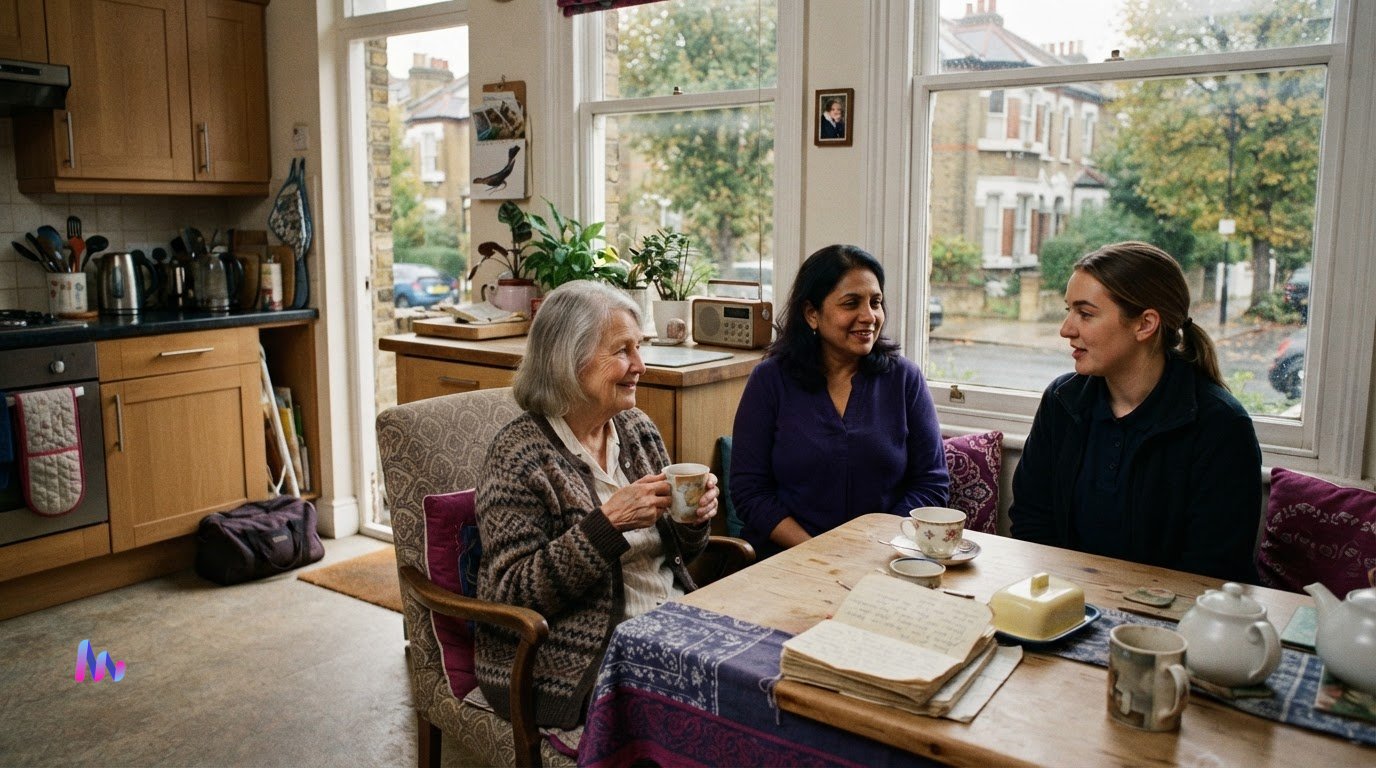
Live-in care has become an increasingly popular choice for families seeking support. It involves hiring a caregiver to live with your loved one in their home, providing 24/7 assistance and companionship. For those who thrive in familiar settings, this support can be life-changing.
Through my research, I learned that live-in care offers personalized services. Caregivers assist with daily activities, such as cooking, bathing, and even light housekeeping. For example, caregivers can prepare favourite meals or remind your loved one to take their medications. This personalized touch can make a significant difference in comfort and daily routine. Additionally, many caregivers form close relationships with their clients, becoming trusted companions, not just helpers.
However, live-in care is not suitable for everyone. I had to consider my parent's needs and their comfort with having someone in the home constantly. According to a study from the AARP, about 90% of older adults prefer to age in place, which made this option appealing.

Exploring Care Homes
Next, I ventured into the realm of care homes, a more traditional option for elder care. Care homes provide facilities where elderly individuals receive supportive services and opportunities for social interaction. I discovered that these establishments offer medical support, recreational activities, and various levels of care depending on individual needs.
During my exploration, I learned that many care homes boast enriching programs. For example, facilities might have exercise classes tailored for seniors, art therapy sessions, or even gardening clubs. However, I feared that moving my parent away from their beloved home—where they felt secure—could have negative implications on their emotional well-being.
Ultimately, it became clear that both options come with their pros and cons. While live-in care offered independence and comfort, a care home might provide professional medical assistance without the emotional strain of outside caregivers.
Evaluating Needs and Preferences
In making my decision, it was vital to assess not only my parent's physical health but also their emotional and social preferences. Conversations with healthcare professionals were incredibly helpful. I learned that key factors include the severity of care needed, daily living activities, and opportunities for social engagement.
For instance, one home care agency highlighted that their caregivers encourage social interaction by organizing fun activities and outings. This insight helped me appreciate the broader impact of daily companionship. I also began searching for "home care agency near me" to identify potential providers.
During this evaluation phase, I understood that in-home services could provide a sense of comfort and familiarity that may be lost in a care home scenario. I imagined my parent surrounded by familiar belongings, which gave me peace of mind and confidence that live-in care might be the right choice.

Maintaining Independence
One of the most compelling reasons for choosing live-in care was my parent's ability to maintain independence. The thought of living in their own home, following familiar routines, felt reassuring. Research indicates that maintaining a sense of autonomy can significantly improve mental health among seniors.
As I reflected on my parent's lifestyle, I recognized how much they valued routine. Having a caregiver who could assist yet allow them to retain their daily habits was very appealing.
Moreover, I discovered that caregivers in live-in situations become more than just helpers; they become friends. Engaging in conversations, sharing meals, and building a rapport added joy to my parent's life, which was crucial in my final decision-making.
Finding the Right Service
Once I chose live-in care, I focused on selecting the right service provider. I explored various home care services with customizable care plans that could adjust as needs changed over time. Connecting with multiple agencies turned out to be an eye-opening journey, allowing me to interview them about their services and caregiver qualifications.
I learned it was important to ask specific questions to gauge the quality of care:
What kind of training do the caregivers receive?
How are caregivers matched with clients?
What contingency plans exist for emergencies?
These discussions helped ease my worries about the quality of care my loved one would receive.
It was also vital to read reviews from other families. Finding testimonials helped me feel assured I was not alone in this process. Many parents and children shared their stories, outlining how having live-in care transformed life at home.

Embracing Change
Making the shift to live-in care marked a significant transition for our family. I prepared my parent for this new chapter, highlighting the positive aspects of having a caregiver nearby. Initially hesitant, my parent soon began to feel excitement as they built trust with the caregiver.
The caregiver quickly adapted to our family’s dynamics, establishing routines that balanced both support and independence. Knowing that my parent was safe, comfortable, and cared for brought me immense relief.
The Importance of Communication
Throughout this process, I learned that open communication is essential. Regular check-ins with the caregiver allowed me to stay informed about my parent's well-being. It also provided my parent with a platform to express their feelings and preferences. This two-way communication fostered a strong relationship between my parent and the caregiver, enhancing their overall experience.
Final Thoughts
Choosing between live-in care and a care home is a significant decision that many families face, often fraught with challenges. My journey underscored the importance of assessing individual needs, weighing the benefits of both options, and securing a care solution that suited my parent best.
In the end, live-in care represented the perfect blend of comfort, companionship, and professional support. If you find yourself facing a similar situation, take the time to reach out to home care agencies for guidance. Your loved one’s welfare and happiness are what matters most, and with the right support, you can make choices that lead to a fulfilled life for them.
By reflecting on my experience, I hope you can navigate the search for home care services confidently, ensuring that your loved one feels cherished and supported in their golden years.