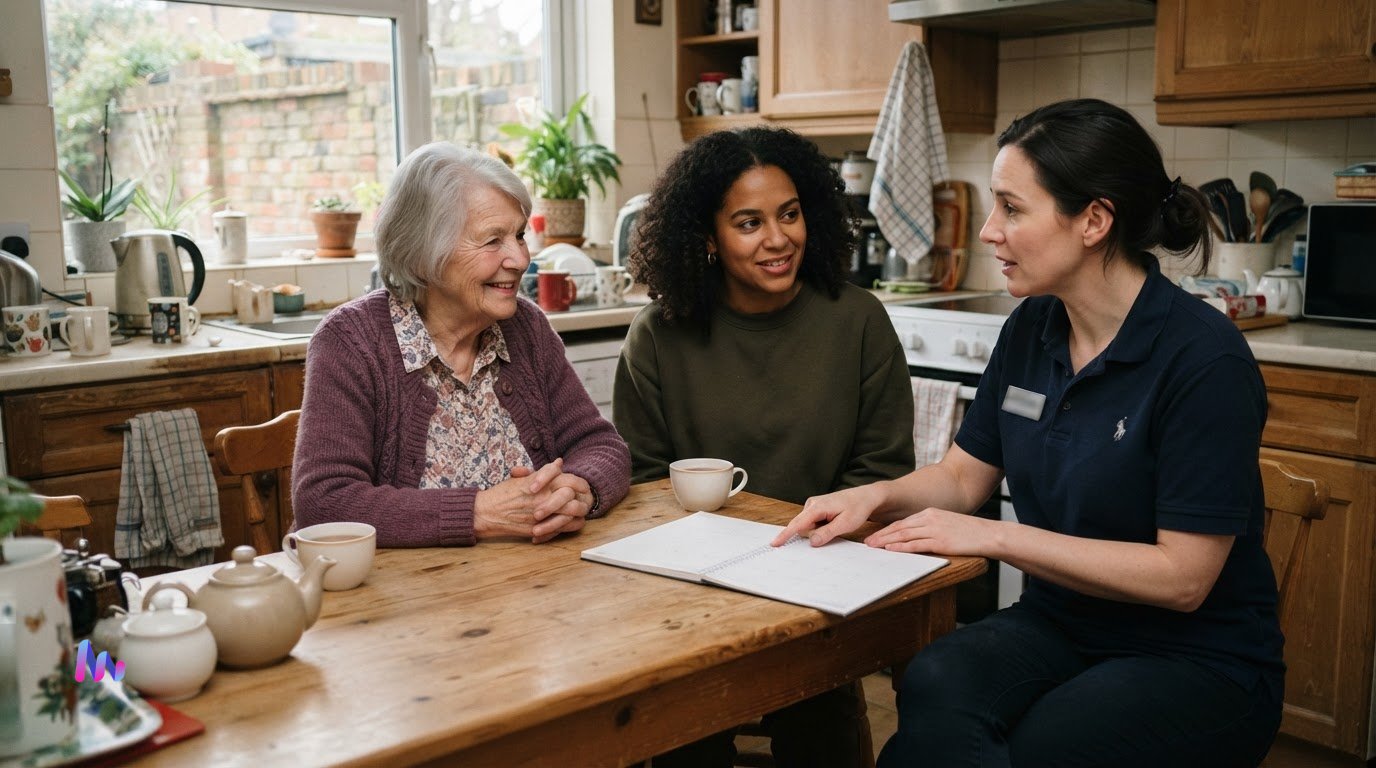
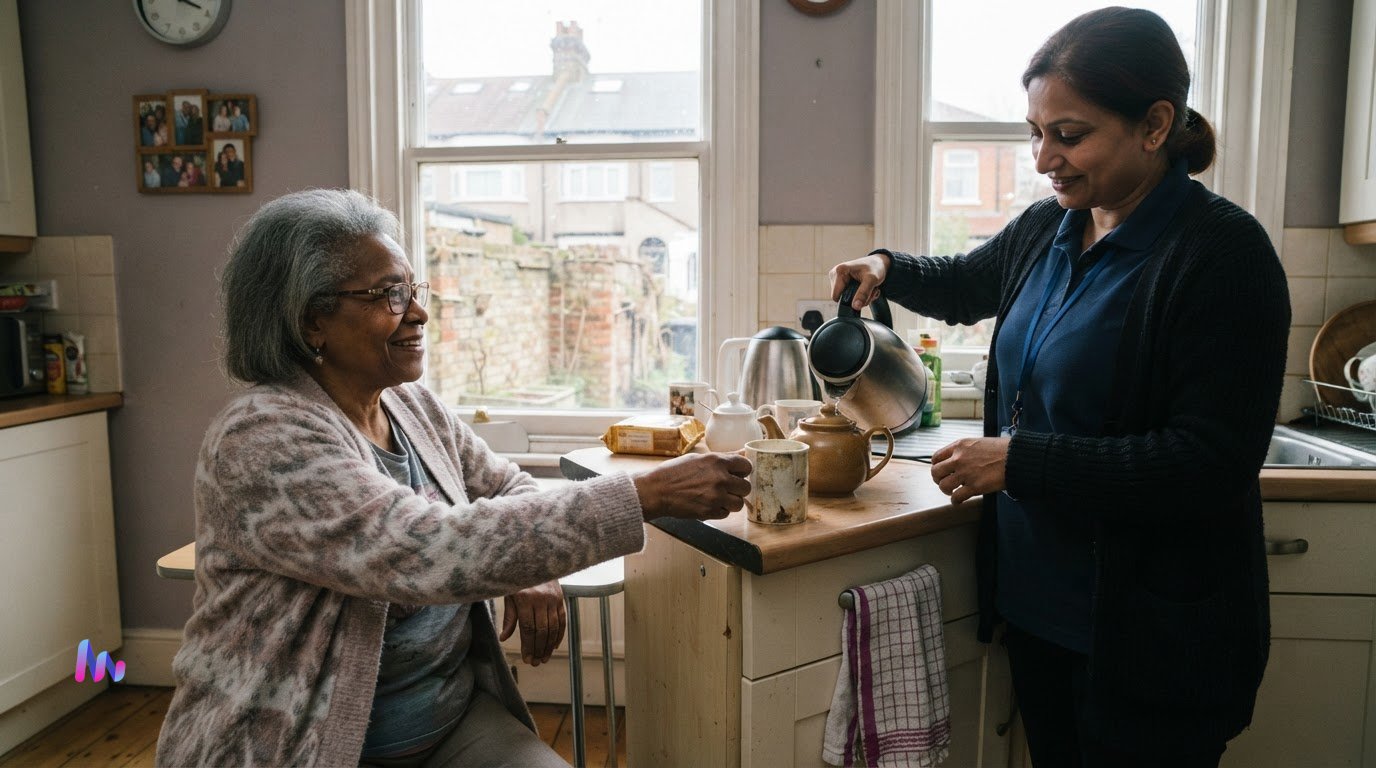
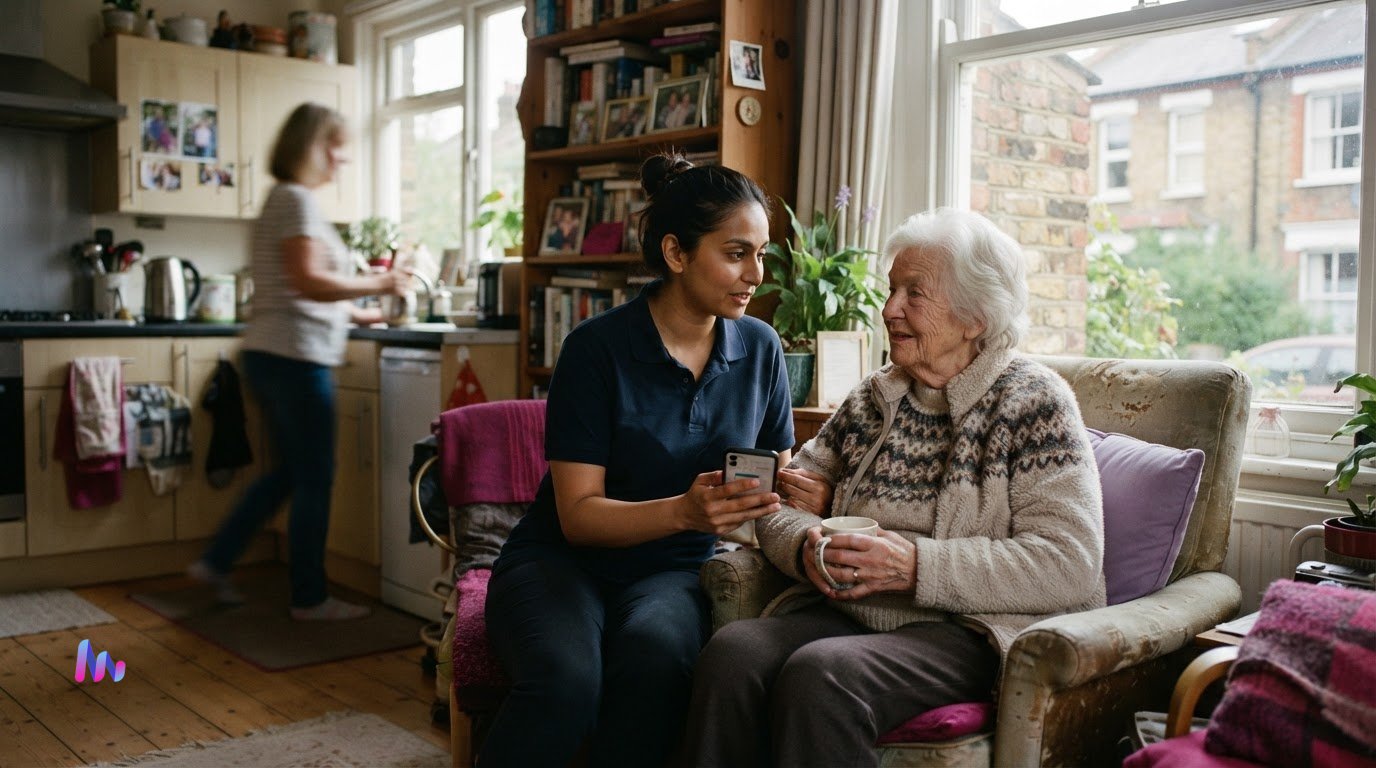
Live-in Care for a Couple in Highgate: Family Guide

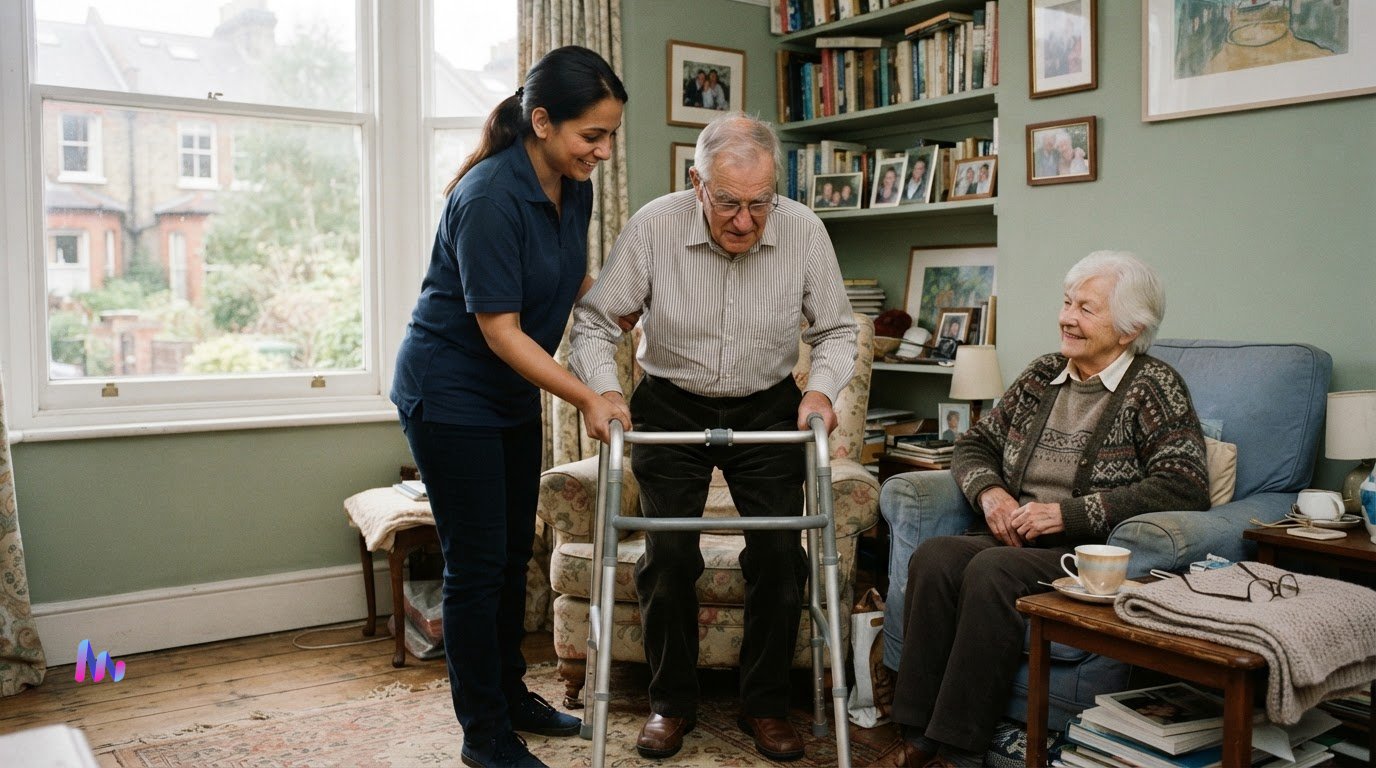
Could one live-in carer support both partners while helping home still feel like your own? It’s a natural question when you’re considering a live-in carer for a couple Highgate arrangement, especially if your needs differ or you’re protective of the routines and privacy you share.
Shared care can offer personalised support at home, helping both partners remain together in familiar surroundings. But a good fit depends on understanding each person: the practical help they need, the way they like their day to unfold, and where they want to remain independent. Those details matter just as much as the care itself.
This guide explains how to consider whether shared live-in care could suit you both, what to discuss when planning support around two sets of needs and routines, and how it compares with separate arrangements. You’ll also find guidance for taking a reassuring next step in Highgate. NeeryVille Care is a CQC-regulated provider offering live-in care for couples, with support tailored to personal preferences and daily life. There’s no need to have every answer at the outset. A thoughtful conversation can help you see a clearer way forward, at a pace that feels right for your family.
Table of Contents
Choosing a Live-in Carer for a Couple in Highgate
Considering care for two people can feel demanding in practical ways and deeply personal ones. You may be weighing up how to get enough help whilst protecting the routines, privacy and sense of independence you have built together. A live-in carer for a couple Highgate arrangement may be worth exploring when support at home could help you remain together in familiar surroundings.
Shared live-in care means a carer lives in the couple’s home and provides personalised support shaped around the people who live there. Home care can take different forms, as outlined in Home care in the United Kingdom. Suitability depends on more than the fact that you share a home: each partner’s needs, preferences and daily rhythm matter, as does the layout and available space in the home. Remaining together at home may be an important goal, but no care arrangement can guarantee a particular outcome.
What can shared live-in care help a couple with?
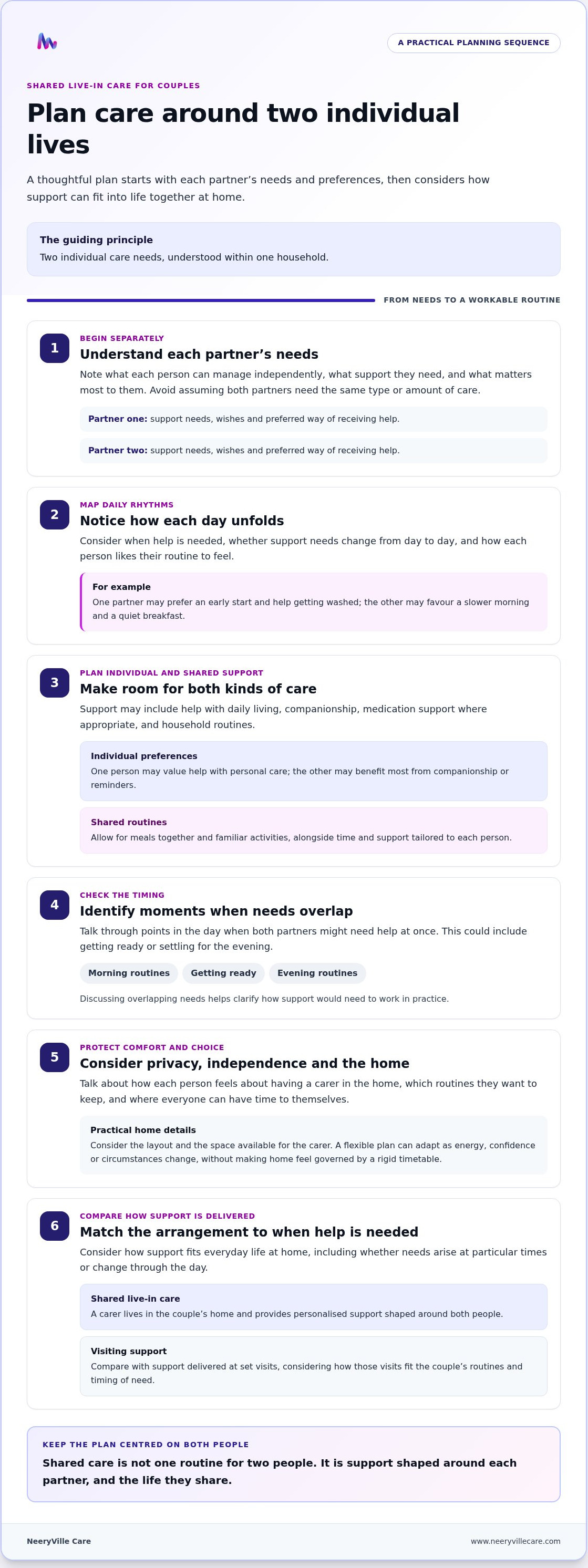
Support may include help with daily living, companionship, medication support and household routines, where appropriate. Planning should consider each partner individually: one person may value assistance with personal care, whilst the other may benefit most from companionship or reminders. It should also make room for shared routines, such as meals together or time spent enjoying familiar activities.
Explore live-in care for couples to learn more about personalised support for partners at home. The aim is not to treat the couple as one care recipient, but to understand what each person needs and how those needs fit into life together.
What does a couple need to consider before deciding?
Start by looking at when support is needed. Do either of you need more help at particular times of day, or do needs change from one day to another? A clear picture can help families discuss whether a shared arrangement fits, rather than assuming both partners require the same type or amount of care.
Privacy and personal preferences matter too. Talk about how each person feels about having a carer in the home, which routines are important to keep, and where everyone can have time to themselves. Consider the practical space available for the carer as part of planning. These details can help make care feel respectful and workable, not intrusive.
Some couples may also want to compare live-in care with support delivered at set visits. For a local alternative to consider, visiting care in Highgate can be part of that comparison. The right starting point is an honest picture of both partners’ needs and the life they want to maintain at home.
How should a live-in carer’s support fit two partners’ different needs?
A thoughtful care plan begins with two people, not one shared routine. Consider what each partner can manage independently, what matters most to them, and how they prefer their day to unfold. One might enjoy an early start and need support getting washed, whilst the other prefers a slower morning and values a quiet breakfast. These details help shape care around real life rather than an imposed timetable.
Shared care can make room for everyday activities together, such as meals or time spent chatting, alongside individual support. A carer might help one partner with personal care while respecting the other’s preferred routine, then support both with meal preparation. Companionship can also be personal: one person may enjoy conversation, whilst the other prefers reading nearby. Dignity and choice belong in the small details as much as in practical tasks.
How can a care plan balance individual and shared routines?
Families can help by sharing useful preferences and noticing changes in what each partner needs. Explain which activities feel important, how each person likes to receive help, and what a comfortable day at home looks like. A calm plan should allow flexibility, so support can adapt when energy, confidence or circumstances shift. It should guide care without making the household feel governed by a rigid schedule.
What if one partner needs more support than the other?
Different needs don’t automatically rule out a shared arrangement. One partner may need more help with mobility or medication, while the other mainly values companionship and a little assistance with daily living. Dementia may also affect one person’s routines or communication; where relevant, explore dementia care at home as part of understanding the support involved.
Look closely at timing. Are there points in the day when both partners may need help at once, such as getting ready or settling for the evening? Discussing these overlaps gives the family and care team a clearer picture of how support needs to work in practice. The aim is to recognise each person’s needs without allowing one partner’s care to eclipse the other’s wishes.
Shared care should reflect two individual care needs within one household. That principle can help you talk through routines, preferences and changing requirements when considering a live-in carer for a couple Highgate. If you’re also thinking about the financial side of arranging support, Age UK offers guidance on help with homecare costs.
For a conversation about shaping care around both partners, you can contact NeeryVille Care and discuss what matters to your household.
Could one live-in carer be right for both partners?
Not automatically. The question isn’t simply whether one carer can support two people, but whether the arrangement can meet each partner’s needs at the times they arise, while respecting the household’s routines and preferences. A live-in carer for a couple Highgate may suit partners who want support at home and whose care needs can be planned around the same household. Their support can still be different: one person might need help with daily living, while the other values companionship or medication support.
It’s also important to understand what live-in care means in practice. A carer living in the home doesn’t mean active attention every moment of the day and night; carers need rest and breaks. If either partner needs frequent help at the same time as the other, discuss those overlapping needs carefully as part of deciding what arrangement is suitable. Needs may also change, so suitability should be reviewed as circumstances evolve.
When might shared live-in care suit a couple?
It may be worth considering when both partners want to remain at home, value a familiar presence and have routines that can work alongside one another. Personalised care should reflect each individual, not assume that sharing a home means sharing identical support. This is consistent with personalised approaches to care.
Shared live-in care: A carer lives in the home, with support planned around both partners’ needs and household routines.
Visiting care: Support is arranged for planned visits, which may suit people who need help at particular times rather than a live-in arrangement. Explore visiting care in Highgate as a local alternative.
Overnight care: Support is focused on night-time needs. Consider whether the main concern is overnight rather than daytime assistance.
When might another pattern of support be more appropriate?
If both partners often need direct help at once, or one person’s needs change unpredictably, the family should discuss the practical demands carefully before deciding. The important question is whether support can be delivered safely and respectfully, not whether one arrangement sounds simpler on paper. Consider which tasks overlap, when they tend to happen, and what each person needs while waiting for help.
Visiting care may be a suitable pattern to explore when assistance is needed at planned times and the rest of the day can remain largely independent. Overnight support may be relevant if needs are mainly during the night. A clear picture of timing and changing needs helps guide a realistic conversation about what will work for both partners.
Planning Live-in Care for a Couple in Highgate
Starting a care conversation can feel like a big step, particularly if you and your partner haven’t reached the same view yet. Begin with listening, not decisions. Each person should have space to say what they want to keep doing, where support might help, and what would make care feel comfortable at home.
A little preparation can make a discussion with family and a care provider calmer and more practical. It helps turn broad worries into everyday details that can be considered when planning a live-in carer for a couple Highgate arrangement.
What should families prepare before discussing care?
Write down each partner’s needs separately, then note the routines and preferences you share. Include questions as well as practical information. For example:
Daily tasks: What can each person manage independently, and where might help with washing, dressing, meals or moving around be useful?
Routines and preferences: When do you usually get up, eat and rest? Are there activities, foods or personal-care preferences that matter to either of you?
Changes to discuss: Note any changes in mobility, memory, companionship needs or medication support that may affect daily life.
Home and privacy: Consider household routines, personal space and practical arrangements that could help everyone feel at ease.
Keep the notes straightforward. They’re there to help both partners explain what matters, not to make the care decision for you. You can also list questions about how support may fit around shared activities and times when each person needs help.
How can families make the transition feel more comfortable?
Take the conversation at a pace that respects both partners. If one person feels uncertain, acknowledge that; having a carer in the home can bring questions about independence and privacy. Rather than pressuring either partner to agree immediately, talk through what they’d like to preserve and what support could make everyday life easier.
When discussing care with the provider, share familiar routines and preferences early. Practical details such as how each person likes to start the morning or spend time together can help shape a more personal plan. Keep communication open as needs change, so the plan can be reconsidered when daily life shifts.
For locally relevant information, read about live-in care in Highgate N6. If supporting a loved one has also left family members feeling stretched, recognising that strain is a sensible part of planning, too.
Personalised Live-in Care for a Couple in Highgate
Choosing care for two people calls for a clear view of each partner’s needs, the routines they share and any times when their support needs overlap. These details help families consider whether care at home can respect both people’s independence and the life they value together. A live-in carer for a couple Highgate arrangement should be planned around the individuals, not just the fact that they live in the same home.
NeeryVille Care is a CQC-regulated provider offering personalised live-in care for couples. Support can be considered around each partner’s circumstances, preferences and everyday life, including companionship, medication support and help with daily living. It’s a personal decision, and you don’t need to arrive with every detail settled before starting a conversation.
What can families discuss when making an enquiry?
Begin with what each person wants from support. One partner may value help with daily tasks, whilst the other may want companionship or support to maintain a familiar routine. Describe both partners’ priorities separately, then explain how their days fit together. This gives the discussion a fuller picture than considering the household as a single set of needs.
It can help to share what the couple hopes to preserve about home life, whether that’s eating meals together, keeping up familiar activities or having time and space independently. You can also talk about changes in support needs and practical questions about how care may fit into the household. There’s no need to present a perfect plan; an honest outline is a useful starting point.
What is a reassuring next step for a Highgate family?
A direct conversation with NeeryVille Care can help you talk through personalised live-in care for the couple and what matters most to both partners. Share the details you know, raise any concerns, and take time to consider the discussion together. The focus should remain on each person’s dignity and comfort, as well as the routines and relationship they want to protect.
For local information, explore live-in care in Highgate N6. When you feel ready, a conversation can be a gentle first step, without pressure to make a decision before it feels right.
Take a Thoughtful Next Step for Care at Home
Choosing shared care starts with understanding both partners: what support each person needs, which routines they want to keep, and whether their needs overlap at particular times. A live-in carer for a couple Highgate arrangement should be shaped around two individuals, not assumed to suit every household in the same way.
NeeryVille Care is a CQC-regulated home care provider offering personalised support that can include companionship, dementia care, medication support and help with daily living. Families can begin by describing what matters to each partner and what they hope to preserve about life at home. You don’t need every detail resolved before opening a conversation.
Taking time to explore your options can make the next step feel more manageable. With both partners’ wishes at the centre, your family can move forward thoughtfully and with greater confidence.
Frequently Asked Questions
Can one live-in carer support a couple at home?
One live-in care arrangement may support both partners, but it won’t suit every couple automatically. Suitability depends on what each person needs, when help is required and whether both may need assistance at the same time. A live-in carer’s presence also doesn’t mean active attention every moment. Discussing daily routines, overlapping needs and the support required throughout the day can help establish whether a shared arrangement is appropriate.
Is live-in care suitable if partners have different care needs?
Yes, different support needs don’t necessarily rule out shared live-in care. A personalised plan can consider each partner’s abilities, priorities and preferred routines separately, alongside the activities they enjoy together. For instance, one partner may need help with daily living, whilst the other values companionship. Discuss changes in needs and any times when both people may need help so the arrangement can be considered around the realities of their household.
What does a live-in carer do for a couple?
A live-in carer lives in the couple’s home and provides personalised support based on their agreed needs. This may include help with daily living, companionship, medication support and assistance with household routines where appropriate. The support should take account of each partner as an individual, rather than assume they need the same help. NeeryVille Care’s support is tailored to the couple’s circumstances and preferences, with the aim of helping them manage everyday life at home.
How do families decide between live-in care and visiting care in Highgate?
Consider when support is needed and how it fits into the couple’s day. Visiting care may suit people who need help at planned times and manage independently between visits. Live-in care may be worth discussing when support at home is needed across more of the household’s daily routine. Think about both partners’ needs, including whether they overlap. NeeryVille Care provides local care in Highgate N6 and North London, with personalised support shaped around individual circumstances.
Can a couple remain in their own home with live-in care?
Live-in care can support a couple at home, but it can’t guarantee that they’ll be able to remain there in every circumstance. Whether it’s suitable depends on both partners’ needs, the support required and how care can work within the home. Planning should also take account of privacy, routines and practical household arrangements. For some couples, receiving personalised support at home may help them maintain familiar surroundings and continue sharing everyday life together.
What should we discuss before arranging live-in care for a couple?
Talk through each person’s daily routines, preferences, abilities and areas where support may help. Note any changes in mobility, memory, companionship needs or medication support, as well as times when both partners might need assistance together. It’s also useful to explain what they value about home life, how they feel about privacy and what they hope to continue doing independently. These details give the care discussion a clearer, more personal starting point.
Does live-in care include support with dementia or medication?
Personalised live-in care can include dementia care and medication support, depending on the couple’s individual needs and care plan. If one partner is living with dementia, share information about familiar routines, communication preferences and any changes the family has noticed. Discuss medication support for each person separately, including their usual routines. NeeryVille Care is a CQC-regulated home care provider offering support shaped around both partners, rather than treating the household as a single set of needs.