Continuity of Care with the Same Carer: Why Consistency Matters

What if home care felt less like meeting a stranger and more like welcoming someone familiar? If a loved one has to explain their routines and preferences again and again, it’s understandable to worry that they may feel unsettled or that important details could be missed. Continuity of care with the same carer can make everyday support feel more familiar, respectful and personal.
Consistency is about more than seeing the same face. A carer can learn what matters to the person, from how they like to start the day to the way they prefer help to be offered. Families can also feel more confident that their loved one’s preferences are understood.
This article explains what continuity can look like in practice, what to consider when arranging home support, and how it can work with visiting or live-in care. NeeryVille Care provides the same carer for every visit or every day. As a directly employed, CQC-regulated home-care provider, we value the relationship as well as practical support. Familiar care can fit around established routines while staying responsive to what the person wants now.
Table of Contents
What Does Continuity of Care with the Same Carer Mean?
Unfamiliar faces and having to repeat the same preferences or routines can feel unsettling for the person receiving support and their family. It’s natural to want home care to feel familiar, rather than like starting again at every visit.
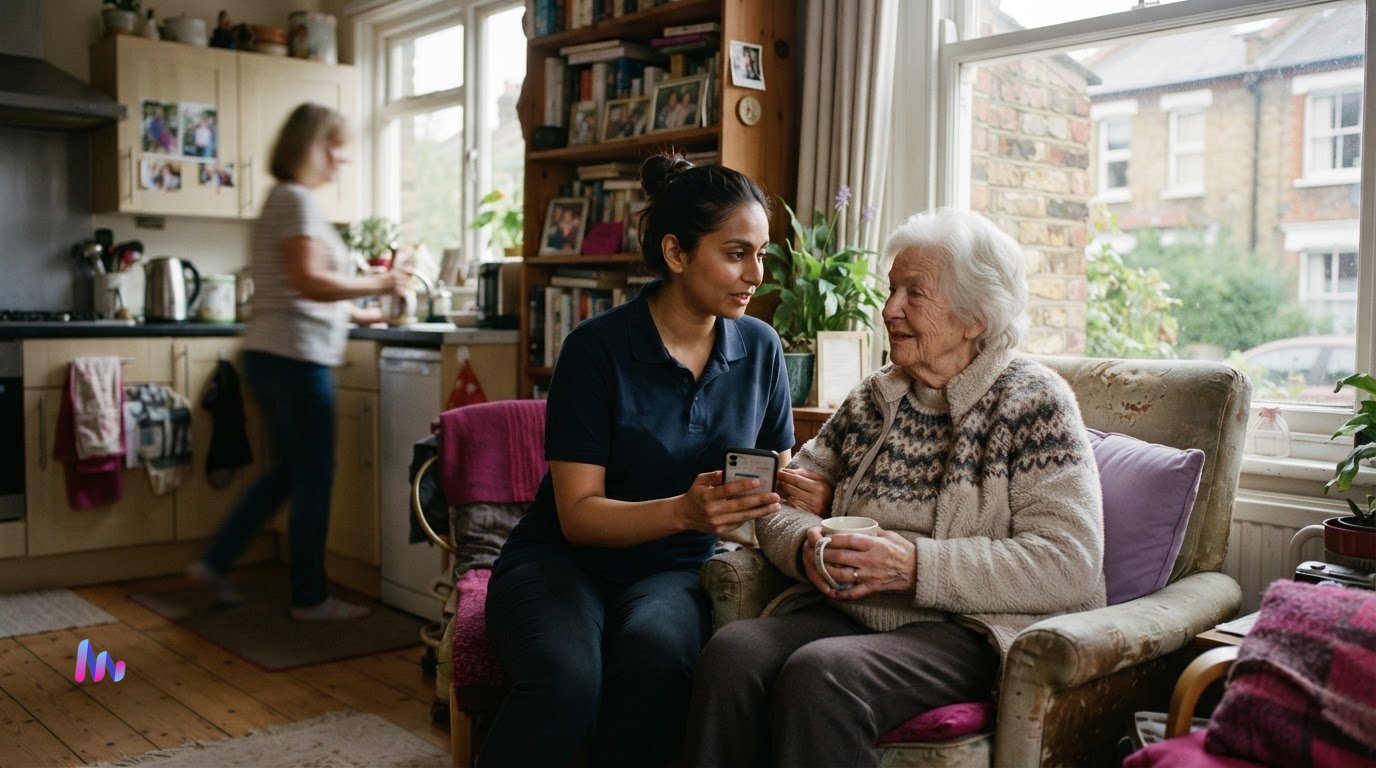
Continuity of care with the same carer means receiving support from a familiar person across visits or days, so the relationship and understanding can carry forward. The carer may learn how someone likes their breakfast prepared, where they keep everyday items, or whether they prefer a quiet chat or some space. These details can make support more personal while keeping the person at the centre of decisions about their care.
Continuity describes the relationship, not the care arrangement. Visiting Care means a carer attends at agreed times. Live-In Care means a carer lives in the person’s home. For families considering live-in care in London, the care arrangement and the familiar-carer relationship are related but distinct considerations. The right type of support depends on the person’s circumstances. Continuity alone doesn’t determine how much help they need.
Continuity is also discussed in terms of relationships, information and coordination. The overview What is Continuity of Care? explores these different dimensions. Here, the focus is the personal relationship: whether a familiar carer can build understanding over time and provide support with greater awareness of the individual.
How Is Continuity Different from a Care Schedule?
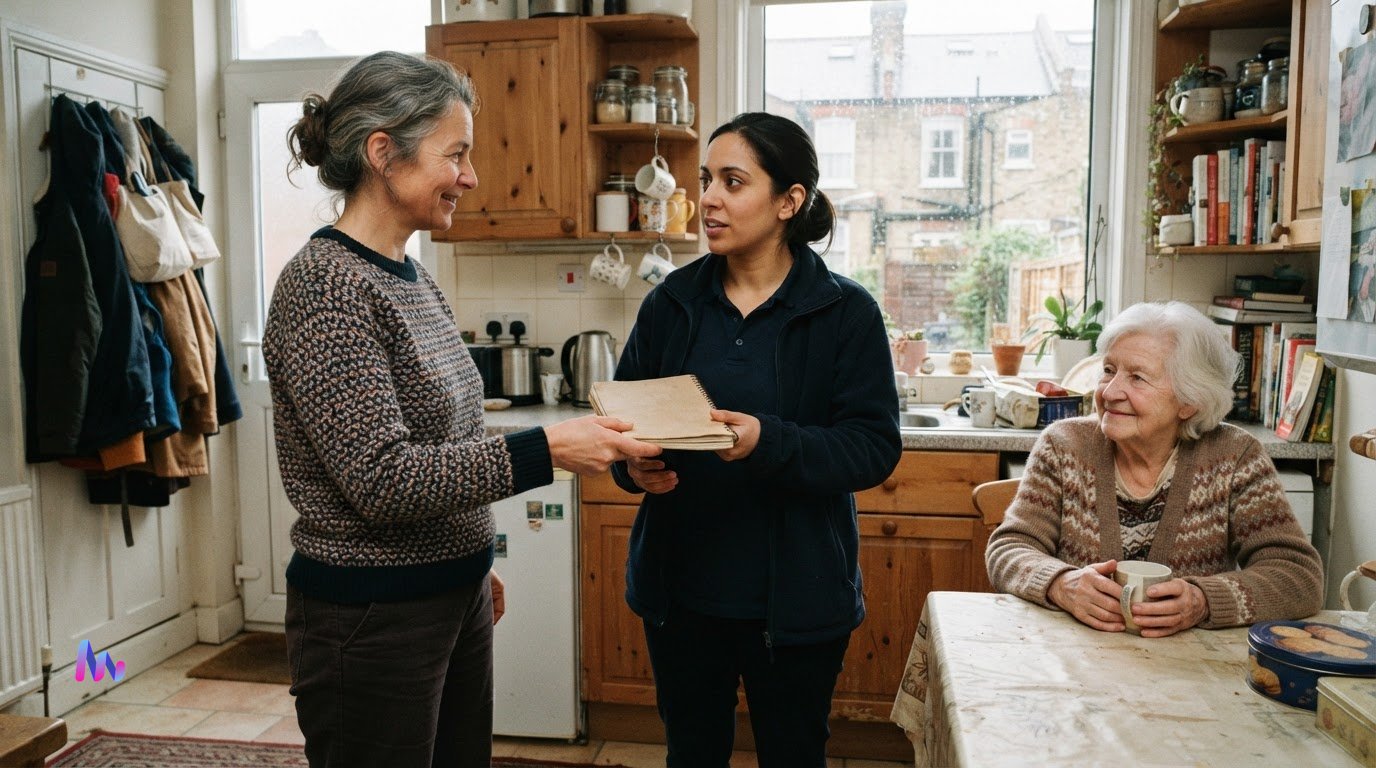
A schedule sets out when support happens; continuity is about who provides it. For example, someone might receive morning visits on agreed days. The schedule sets the pattern, while continuity means the same carer can learn how that person likes to get ready, what they prefer to do independently and where they would appreciate help. The schedule and the relationship are separate parts of planning support.
Why Familiarity Matters in Support at Home
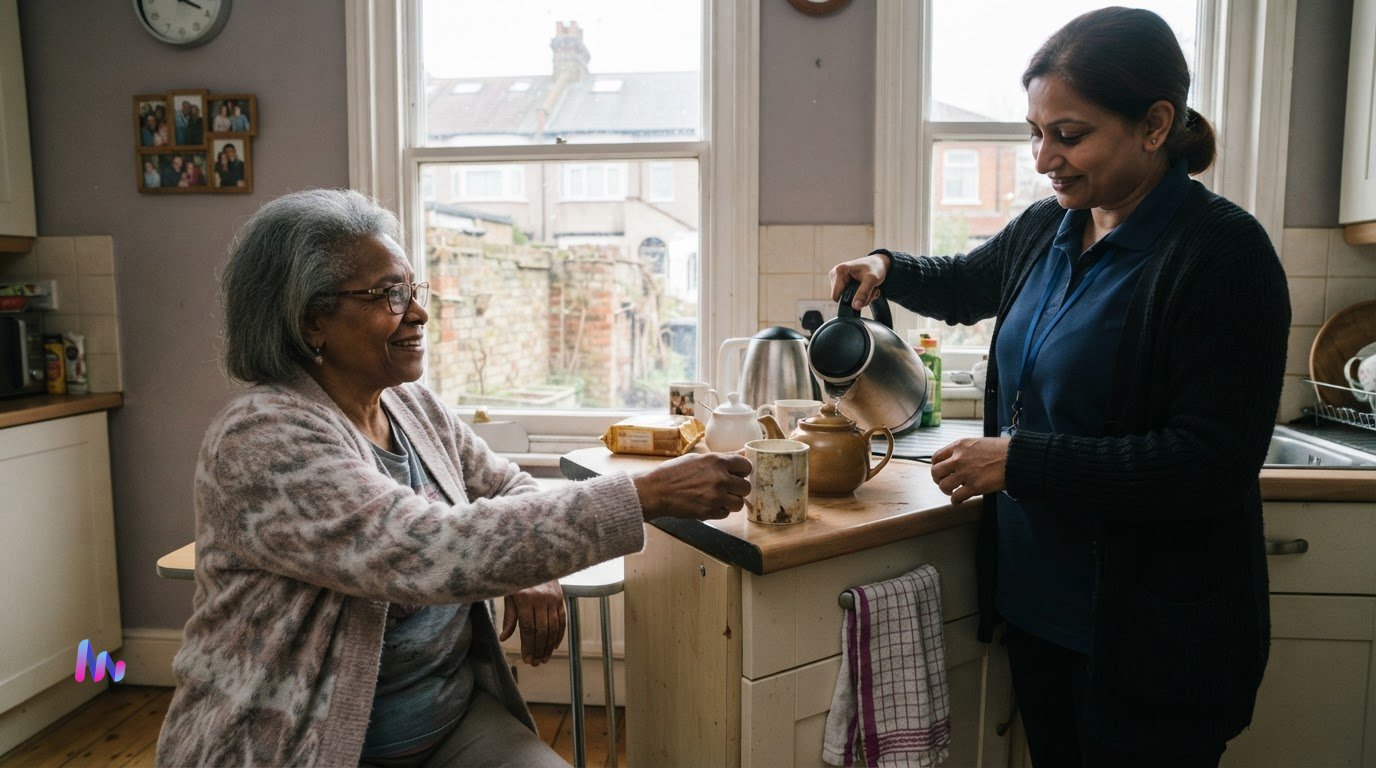
Familiarity may make everyday assistance feel more comfortable. A person may feel more at ease when they recognise the carer, know what to expect and don’t need to explain their preferences from the beginning each time. Over repeated visits, the carer can become more aware of established routines, such as the order someone likes to do things in or the small choices that help them feel respected. Every person responds differently, but these details can make interactions feel more natural.
Familiarity doesn’t mean assuming the carer always knows what someone wants. Preferences can change, so checking in remains important. A familiar relationship offers a steadier starting point for listening and adapting. For families, continuity can bring reassurance while the person’s wishes continue to guide how care is delivered.
How Can the Same Carer Support Trust and Everyday Routines?
Trust often grows through small, repeated moments: a carer explaining what they’re about to do, remembering a preference and giving the person time to respond. With continuity of care with the same carer, those interactions may feel more natural as the relationship develops. Familiarity takes time and won’t suit everyone in the same way. The person’s comfort and wishes should guide how the relationship develops.
Familiarity, Dignity and Personal Preferences
A carer who has learnt someone’s preferences can offer support in a way that feels considerate rather than hurried. Perhaps the person likes to choose their clothes before getting dressed, prefers breakfast later, or wants help to be offered before it’s given. Remembering these details can reduce the need to explain them repeatedly and help preserve a sense of independence.
Knowing someone well isn’t the same as knowing what they want today. A person may change their mind, feel differently or prefer to do something for themselves. A respectful carer continues to listen, offer choices and check before acting. Familiarity should make it easier to understand the person, not lead to assumptions.
Support may also feel less disruptive when it follows the person’s preferred order. They may find it easier to stay in the rhythm of their day, although this isn’t a guaranteed result. Relationships take time, and some people need longer to feel at ease with a carer.
Communication with Families and Carers
Families can help by sharing useful context clearly: what the person enjoys, what unsettles them and how they like help to be offered. Include the person in these conversations wherever possible. Their voice matters, even if a relative is helping to explain a routine or preference.
Calm, regular communication can help families stay involved in day-to-day support. If a routine changes or something no longer feels right, raise it so everyone can understand the person’s current wishes. Clear communication supports consistency, but it doesn’t replace agreed care arrangements or the person’s right to make choices.
Evidence about continuity needs careful interpretation. The Patient Preferences for Continuity article discusses continuity in primary care, including patients’ preferences for seeing their own physician. It addresses an ongoing care relationship, but it isn’t proof that having the same home carer produces a particular clinical outcome. The practical benefit is more specific: a familiar carer may learn preferences, understand more context and help support feel personal.
NeeryVille Care provides the same carer for every visit or every day. This can help build a consistent understanding of the person’s preferences, while keeping communication open as their needs or wishes change.
Does Having the Same Carer Mean Care Cannot Adapt?
No. Consistency should give care a familiar foundation, not lock someone into a routine that no longer suits them. A person may change how they want to start the day, need different help with everyday tasks or prefer to do more for themselves. Person-centred support pays attention to these changes and keeps the individual’s current wishes in view.
A familiar carer may notice that someone now prefers to get dressed before breakfast, for example. Noticing isn’t the same as deciding on their behalf. The carer should listen, check what the person wants and share relevant changes through the agreed channels for their care. Family members can add helpful context, while keeping the person central to the conversation wherever possible.
Keeping Support Responsive as Needs Change
Families can raise changes that matter to everyday support, such as a routine that has become tiring, a preference that has shifted or a task the person would now like to manage independently. Explain what has changed and what the person says they would prefer. This gives everyone a practical starting point without assuming why the change happened or what support must follow.
Care should reflect the person’s circumstances now, rather than simply repeat what worked before. Continuity of care with the same carer can provide a shared understanding of past preferences, but that knowledge should inform conversations, not replace them. If the person’s wishes differ from a family member’s expectations, make space to hear their perspective and communicate respectfully.
Consistency Without Overpromising
This describes consistency across visits or care days. It doesn’t mean that one individual carer is continuously available at every hour, or that familiar care alone guarantees a particular outcome, suitability or level of safety.
Being clear about the commitment helps set realistic expectations. Trust develops through respectful conduct over time: explaining support, listening to preferences, responding appropriately and treating the person with dignity. A familiar face may help create the conditions for that relationship, but the person’s experience still depends on how care is delivered and whether communication stays open.
Families can help keep support responsive by sharing relevant updates instead of relying on old instructions to speak for the person. A note that the morning routine has changed, followed by a conversation about what the person prefers now, can help everyone stay aligned. Consistency and flexibility belong together: one offers a familiar relationship, while the other keeps support attentive to the person as they are today.
How Can Families Plan for Continuity of Care at Home?
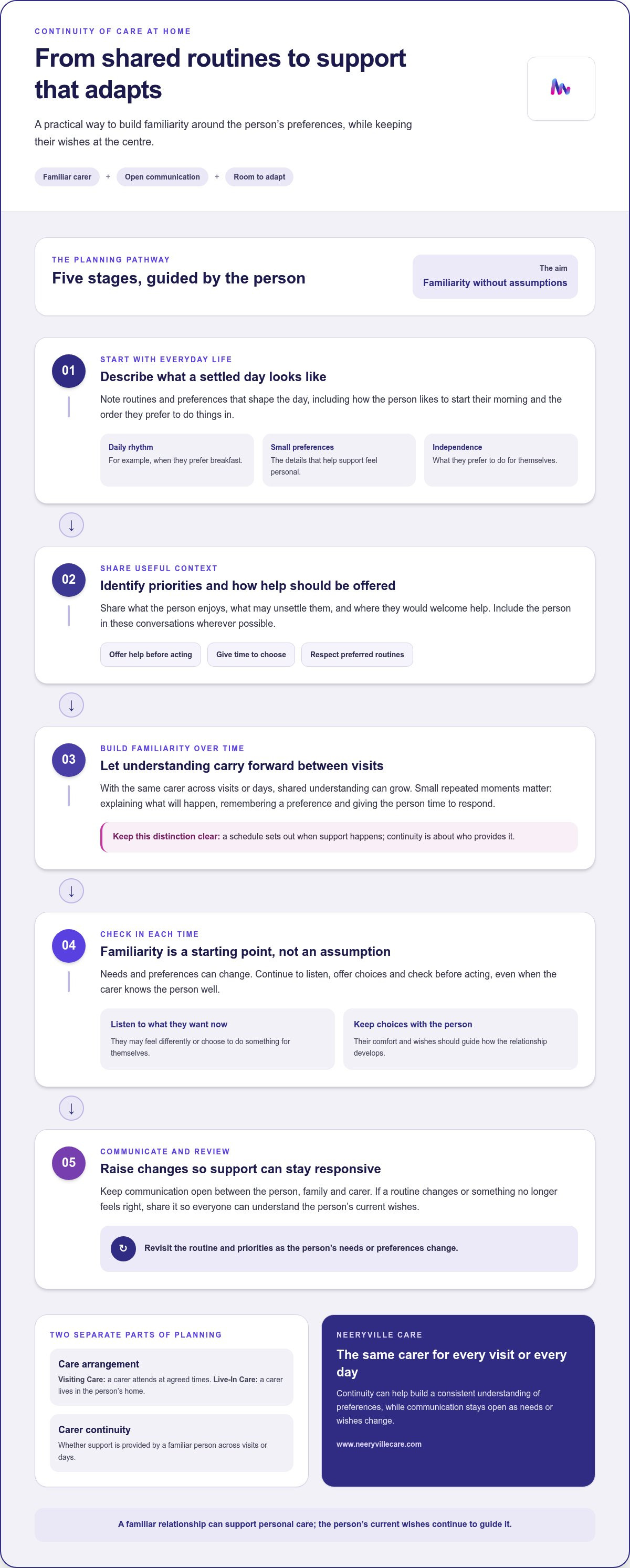
Start by asking what helps the person feel comfortable during an ordinary day. A few clear notes can give a carer a useful starting point without turning family observations into fixed instructions or making decisions on the person’s behalf. Involve the person wherever possible and let their preferences guide the plan.
Try this practical sequence:
Note the routine. Write down useful details, such as preferred times for getting up, eating or resting.
Identify priorities. Separate what matters most to the person from tasks that are simply convenient for others.
Share preferences. Explain how the person likes to communicate, how they prefer help to be offered and what they want to do independently.
Review the experience. Ask what feels comfortable and what they would like to change.
Prepare a Clear Picture of Everyday Life
Keep notes practical rather than formal. Describe what a settled morning looks like, whether the person prefers a little time before conversation and which everyday tasks they want to manage themselves. Ask them what makes a good day, rather than assuming a familiar routine is still their favourite. If preferences change, discuss this calmly and update the shared understanding.
Respectful support also depends on being able to voice concerns. Ask what helps the person feel secure, listen to their account and raise worries through the appropriate care channels. Familiarity should never mean that a concern is brushed aside.
Consider Which Home-Care Arrangement Fits
Visiting Care provides support at agreed times, while Live-In Care involves a carer living in the person’s home. The right arrangement depends on the support the person needs and how they want to live. NeeryVille Care provides Live-In Care across England. Visiting Care is available in Highgate and surrounding North London within a five-mile radius.
NeeryVille Care provides Live-In Care across England, including Highgate N6, Crouch End N8, Hornsey, Camden, Hampstead, Finsbury Park, Kentish Town, Tufnell Park, Haringey, North London, Hungerford, Chelsea, Kensington, Hillingdon, Enfield, Hackney, London and Angel. Visiting Care is available in Highgate and surrounding North London within a five-mile radius.
For families considering Live-In Care in London, it may help to describe when support is most valued, alongside the person’s wishes for company, privacy and independence. These details can help frame a conversation about which arrangement may suit everyday life.
Continuity of care with the same carer is most useful when the arrangement reflects the person’s preferences and remains open to change. Revisit the notes as circumstances shift, and check in with the person rather than letting an old description stand in for how they feel now.
How NeeryVille Care Provides Continuity with the Same Carer
For families, a consistent carer is more than a reassuring intention. NeeryVille Care employs its carers directly and is a CQC-regulated managed provider. The same carer is provided for every visit or every day. This gives the person and their family continuity in everyday support.
A Clear Same-Carer Commitment
Continuity is built into the service: the same carer for each visit or care day. This gives the carer an opportunity to become familiar with the person’s preferences and established routines while providing personalised support at home. Familiarity may help the person feel more at ease, but care should still reflect what they want now. Listening and adapting remain part of respectful support.
This commitment applies to NeeryVille Care’s home-care arrangements. Visiting Care involves support at agreed visits, while Live-In Care offers support from a carer living in the person’s home. Live-In Care is available across England.
Families can read about having the same carer every day to understand how continuity works in practice. The commitment is to the same carer for every visit or every day. Familiarity alone does not guarantee a particular outcome; the person’s preferences and experience remain central.
A Reassuring Next Step for Families
Starting a conversation gives families a chance to explain what matters most, from daily routines and personal preferences to the support that would feel comfortable. NeeryVille Care arranges care within 24 to 48 hours of the initial assessment. Families can discuss the person’s circumstances and the support they’re looking for before care begins.
For families considering Live-In Care in London, the arrangement can be discussed in relation to the person’s home life and preferences. Visiting Care covers Highgate and surrounding North London within a five-mile radius. Knowing the service areas helps families understand which home-care option applies to their location.
You don’t need to have every detail worked out before starting a discussion. Share what you know, raise concerns and consider the next step at a pace that feels right. The conversation is no-obligation and no-pressure, with a focus on understanding the person and the support that may suit them.
To discuss consistent home care for someone you love, speak with NeeryVille Care about their needs and preferences.
Take the Next Step at Your Own Pace
Choosing support for someone you love can feel like a significant decision. You don’t need to have every answer before beginning a conversation. Start with what matters most to the person and what would help home life feel more settled. From there, you can talk through the support that may fit and take things one step at a time.
NeeryVille Care’s 14-Day Live Well at Home Guarantee means care can be ended within 14 days with no notice and no fees. The choice remains with your family.
Continuity of care with the same carer can offer a familiar foundation, while attentive communication keeps support connected to the person’s wishes. A conversation is a straightforward way to explore whether that approach feels right for your loved one.
With support that respects the person’s preferences and a pace that feels comfortable, your family can take the next step with greater confidence.
Frequently Asked Questions
Is continuity of care suitable for someone living with dementia?
It may suit some people living with dementia, though everyone’s needs and preferences differ. A familiar relationship and recognisable routines may feel reassuring, but continuity can’t guarantee that distress will be prevented or symptoms will change. When arranging continuity of care with the same carer, share practical details such as preferred ways to communicate, familiar activities and routines that matter to the person. Keep checking what feels comfortable for them now.
Can continuity of care help after a hospital stay?
Familiar support at home may give someone and their family a comfortable way to communicate preferences during the adjustment after a hospital stay. NeeryVille Care offers Post-Operative & Hospital Discharge Care to support everyday life at home. Home-care assistance is distinct from clinical treatment and nursing procedures. Families can explain the person’s day-to-day support needs and preferences without assuming that care will produce a particular recovery outcome.
Does continuity of care work for couples at home?
It can be considered for couples, but each person’s preferences and support needs should be understood individually. One partner may value a quiet morning, whilst the other prefers company or help with daily tasks. NeeryVille Care offers Live-in care for couples at home. Planning should make room for both people’s wishes and recognise that a shared home-care arrangement doesn’t mean each partner needs or wants the same level of support.
How quickly can NeeryVille Care arrange care?
NeeryVille Care arranges care within 24 to 48 hours of the initial assessment anywhere in England. Urgent situations are handled as quickly as possible, but this isn’t a promise that care will start in less than 24 hours. Families can begin with a conversation about the daily support that would help, what the person prefers and whether visiting or live-in care may fit their circumstances.
What should families share when arranging consistent care?
Share details that describe the person’s everyday life: their preferred routine, how they like to communicate, what matters most during the day and any recent changes. For example, mention if they prefer instructions one at a time or like to choose the order of tasks. Involve the person receiving care wherever appropriate, and let them correct or add to what relatives share. A short conversation is enough to begin.
Is continuity of care the same as live-in care?
No. Continuity describes having a consistent carer, while Live-In Care is an arrangement where a carer lives in the person’s home. NeeryVille Care provides Live-In Care across England; The right arrangement depends on the person’s support needs, home life and preferences, not simply on whether they want familiar support.