

Avoiding Hospital Readmission for Elderly Loved Ones: The Essential Home Recovery Checklist

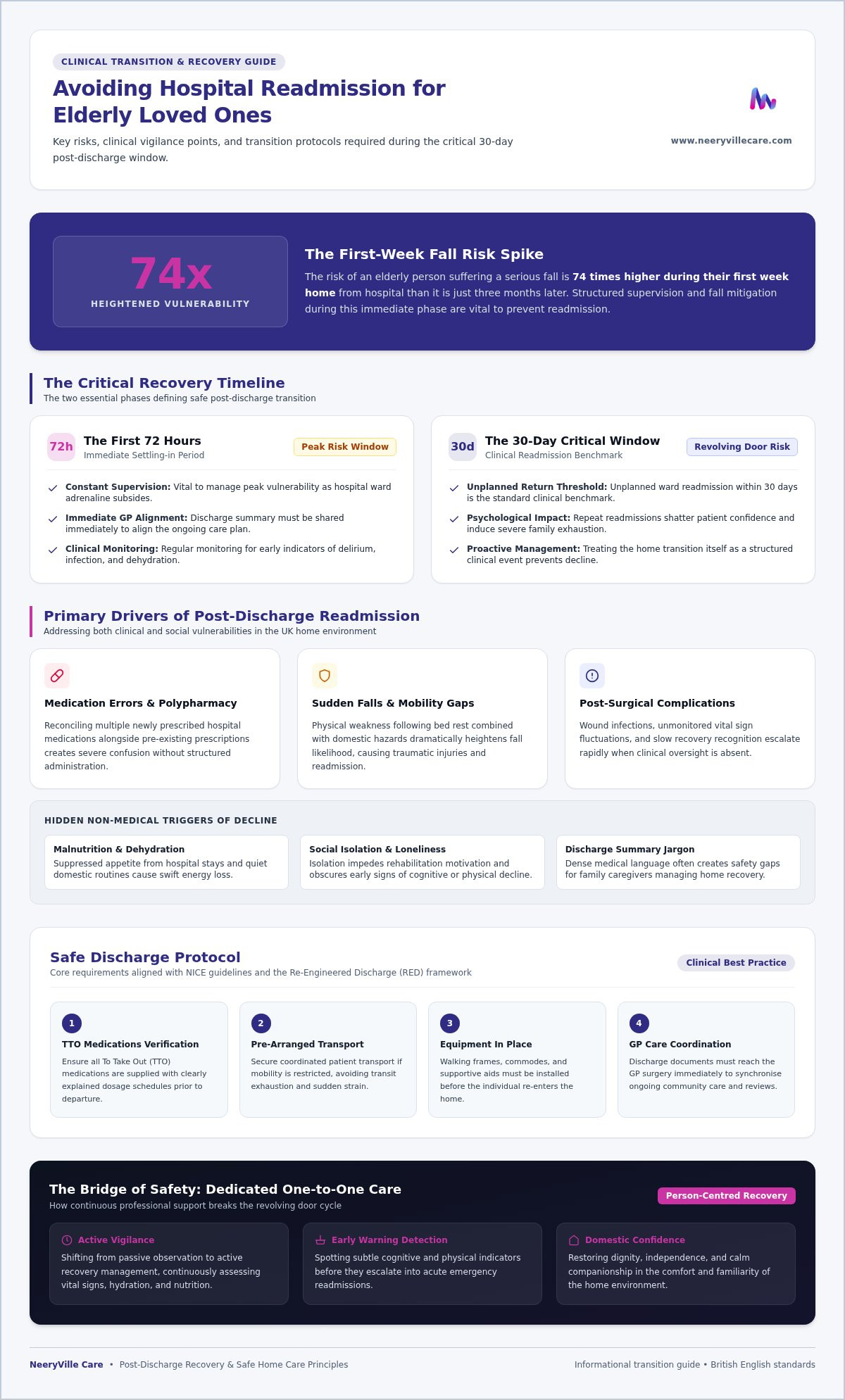
Did you know that the risk of an elderly person suffering a serious fall is 74 times higher during their first week home from hospital than it is just three months later? It's a staggering figure that highlights why the transition period is so fragile. If you're feeling a mix of relief and worry as you prepare for a loved one's discharge, you aren't alone. The weight of avoiding hospital readmission for elderly parents often falls squarely on family members who are already exhausted by the initial health crisis. You're likely staring at a complex discharge summary, wondering how you'll manage new medications whilst balancing your own work and life.
We understand that this transition feels like walking a tightrope. This guide offers the clarity you need to replace that anxiety with a structured, safe plan for home recovery. You'll discover the practical steps and professional strategies required to ensure a stable transition and break the cycle of repeat hospital visits. We will walk through everything from medication management and mobility safety to identifying exactly when it's time to call for professional help. Our goal is to provide you with the confidence to lead your loved one back to health with dignity. Steady support. Clinical safety. A safer home.
Table of Contents
Understanding the Revolving Door: Why Elderly Patients Face Readmission
Hospital readmission is defined as an unplanned return to a hospital ward within 30 days of being discharged. This specific timeframe is viewed by health professionals as the most critical window for recovery. When we speak about hospital readmission rates, we're looking at a period where the body is uniquely fragile. The "revolving door" effect is a distressing cycle where a patient is discharged, only to return weeks or even days later. This doesn't just impact physical health. It shatters confidence. It creates a sense of defeat that can linger long after the physical symptoms have faded.
For families, the psychological toll is equally heavy. There's a constant, gnawing fear of the next crisis. In the UK, the primary triggers for this cycle are often preventable: medication errors, sudden falls, and post-surgical infections. Proactive planning is the only way to break this cycle. Focusing on avoiding hospital readmission for elderly parents means looking beyond the immediate medical issue and addressing the transition home as a clinical event in its own right. It's about creating a bridge of safety.
The Hidden Causes of Post-Discharge Decline
Recovery doesn't happen in a vacuum. Often, the reasons for a return to hospital are social rather than purely medical. Malnutrition and dehydration are common; a hospital stay often suppresses the appetite, and a quiet house makes it easy to forget to drink enough water. Social isolation also plays a quiet, dangerous role. Loneliness can lead to a slower physical recovery and a lack of motivation to follow rehabilitation exercises. Then there's polypharmacy. Managing multiple new prescriptions alongside old ones is a minefield. Without expert post-operative care at home, these small oversights quickly escalate into a new emergency.
NHS and CQC Perspectives on Safe Discharge
The National Institute for Health and Care Excellence (NICE) provides clear guidelines on what a "safe discharge" should involve. It's meant to be a coordinated process led by a Discharge Coordinator. However, the reality on a busy ward can be different. Discharge summaries are often written in dense medical jargon that's difficult for family caregivers to interpret. This confusion is where safety gaps appear. A safe transition requires a bridge between the clinical authority of the hospital and the domestic warmth of the home. It's about ensuring the person is seen, not just their diagnosis. Reliable support makes the difference between a successful recovery and a return to the ward.
The First 72 Hours: A Step-by-Step Transition Checklist
The first three days back at home are often the most precarious for an older person. This is the period when the adrenaline of leaving the ward fades and the reality of physical weakness sets in. Constant supervision isn't just about comfort; it's a clinical necessity. During these 72 hours, the risk of medication confusion or a sudden fall is at its peak. Successfully avoiding hospital readmission for elderly loved ones requires a shift from being a passive observer to an active recovery manager. You must ensure the discharge summary is not just filed away, but shared immediately with their GP to align the care plan.
A "settling-in" period means more than just being present. It involves monitoring vital signs, ensuring regular fluid intake, and watching for subtle signs of delirium or infection. The goal is to create a stable environment where the only priority is rest and recuperation. When the home feels like a safe extension of the ward, the anxiety of the health crisis begins to lift.
Essential Tasks Before Leaving the Ward
Before the car pulls away from the hospital, several boxes must be ticked. Confirm that all TTO (To Take Out) medications are present and that you understand the dosage schedule. If your loved one is recovering from surgery, professional post-operative care at home can bridge the gap between hospital staff and family care. Hospital transport should be pre-arranged if mobility is restricted. Clinical models like the Re-Engineered Discharge (RED) Toolkit emphasise that having equipment like frames or commodes in place before the patient arrives is vital for safety.
The Immediate Home Environment Audit
Once home, the environment needs an immediate audit to ensure it supports a steady recovery. A ground-floor setup is often the safest choice to avoid the exhaustion and risk of stairs. The following steps are essential:
Test all communication devices: Ensure personal alarms and telephones are within reach and fully charged immediately upon arrival.
Set up a "recovery station": Keep essentials like water, tissues, and medication within arm's reach of their favourite chair or bed.
Organise a hydration station: Dehydration often leads to urinary tract infections (UTIs), which are a common trigger for a return to the ward.
By focusing on these small, domestic details, you are directly avoiding hospital readmission for elderly family members and fostering a sense of security. If the logistics feel overwhelming, you can reach out to us for a professional assessment of your home setup to ensure every safety measure is in place.
Clinical Vigilance: Managing Medications and Health Signs
Medication management is often the difference between a steady recovery and a sudden relapse. Research shows that up to 70% of elderly patients have unexplained medication discrepancies documented at the point of discharge. This confusion is a primary driver in the cycle of rehospitalisation. To succeed in avoiding hospital readmission for elderly relatives, you must act as the bridge between the hospital pharmacy and the kitchen table. Blister packs or dossette boxes are invaluable tools here. They turn a complex regime of loose bottles into a clear, visual schedule that reduces the cognitive load on both the patient and the carer. Precision matters.
The transition from a controlled hospital environment to the home is a clinical hurdle. You aren't just a family member; you're the first line of defence. Vigilance in the first week can prevent a minor oversight from becoming a major medical event.
Eliminating Medication Errors at Home
The first week home is exceptionally high risk. A 2026 cohort study revealed that 39% of older adults make at least one clinically significant medication error within just seven days of leaving hospital. It's vital to reconcile old prescriptions with new ones immediately. Sometimes, patients accidentally double-dose by taking a new brand of a drug alongside an old version they still have in the cupboard. Managing side effects is another challenge. Whilst some lethargy is expected after a stay, sudden rashes or extreme dizziness require a swift clinical review. For many families, professional medication support provides the peace of mind that every dose is recorded and administered safely.
Recognising Red Flag Symptoms Early
Deterioration rarely happens without warning. It often starts with "soft signs" like increased confusion, a sudden loss of appetite, or uncharacteristic agitation. In the elderly, confusion or delirium is frequently the first sign of a urinary tract or chest infection rather than a cognitive decline. Tracking temperature, breathing rates, and wound healing can help catch these issues before they become life-threatening. If you notice a steady decline or mild symptoms, call 111 for advice. However, if they experience chest pain, sudden breathlessness, or a loss of consciousness, dial 999 immediately. Using resources like CDC STEADI fall prevention resources can also help you monitor mobility changes that often precede a health crisis.
Finally, don't underestimate the power of the follow-up. A GP appointment within the first seven days is a cornerstone of safe recovery. It's the moment to review the discharge summary, confirm the long-term medication plan, and ensure that avoiding hospital readmission for elderly patients remains the primary focus. This clinical oversight ensures that minor issues don't snowball into emergencies. Recovery is a marathon, not a sprint.
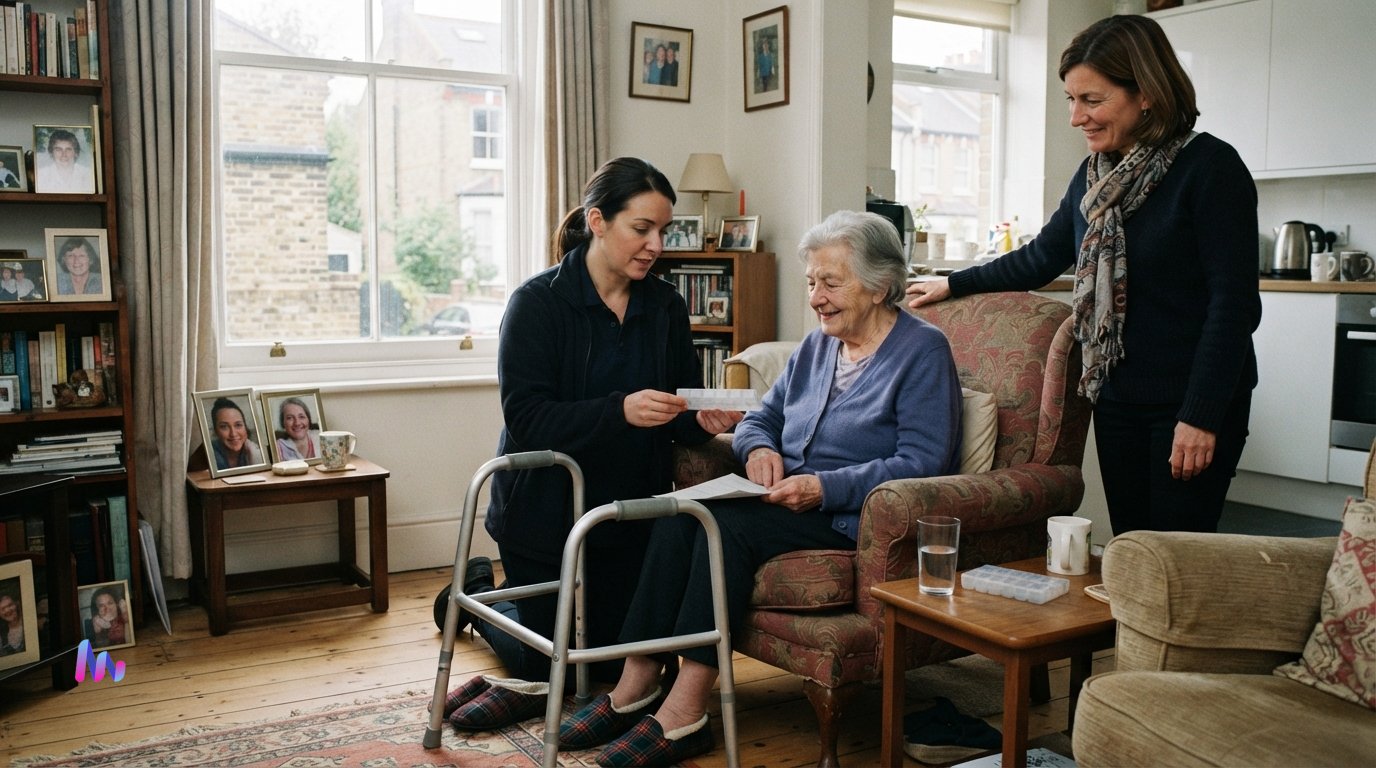
Fall Prevention and Mobility: Creating a Safe Recovery Space
A fall isn't just an accident; it's a setback that can derail weeks of steady progress. For an older person, a single trip often leads to a permanent loss of independence. This is why avoiding hospital readmission for elderly loved ones requires a ruthless look at the home environment. The transition from a clinical ward, where floors are flat and handrails are everywhere, to a domestic setting is often where the trouble starts. You must bridge that gap. Clinical safety. Domestic warmth. Total vigilance.
Creating a safe recovery space starts with a room-by-room hazard assessment. Look at the floor. Loose rugs are trip hazards. Trailing wires are traps. Dim lighting in hallways makes obstacles invisible. Ensuring your loved one has appropriate, well-fitting footwear is just as vital as the furniture they navigate around. Recovery is fragile. One slip can mean a return to the ward, but a well-prepared home offers a path to freedom.
Identifying Hidden Trip Hazards in the Home
"Furniture walking" is a dangerous habit many seniors adopt. It involves leaning on unstable items like dining chairs or sideboards for support. Instead, ensure mobility aids are always within reach and adjusted to the correct height. The bathroom is a high-risk zone. Steam and water create slick, treacherous surfaces. Installing grab rails and non-slip mats isn't an admission of weakness; it's a strategy for safety. Specialist mobility and frailty care at home provides the expert eye needed to spot these risks before they lead to an emergency.
Supporting Safe Mobility and Exercise
Mobility isn't just about walking. It's about maintaining the muscle mass needed for basic dignity. Hospital bed rest leads to rapid deconditioning, making the legs feel heavy and unreliable. Following a physiotherapist’s exercise plan consistently is hard whilst you're tired, but it's the only way to rebuild strength. Encourage "active sitting", where the patient engages their core whilst upright in a chair. This maintains the strength needed for standing safely. A companionship carer can offer more than just conversation; they provide the steady arm and encouragement needed for safe, supervised movement. This constant presence is a cornerstone of avoiding hospital readmission for elderly family members.
The Role of Professional Live-in Care in Long-term Recovery
When a hospital stay concludes, families often face a difficult choice between a residential care home or returning to the familiar surroundings of home. Whilst care homes offer 24/7 supervision, they can sometimes feel clinical and disorienting for an older person already struggling with the shock of a health crisis. Live-in care is increasingly viewed as the gold standard for avoiding hospital readmission for elderly patients. It provides the intensity of one-to-one support within the domestic warmth of their own house. This stability is vital. It allows the individual to focus entirely on recuperation without the stress of a new environment.
The "Same Carer Everyday" advantage is a cornerstone of this approach. In a busy ward or a large care home, staff changes are frequent. A dedicated live-in carer, however, becomes intimately familiar with a patient's baseline health. They notice the subtle signs of deterioration, such as a slight change in breathing or a momentary lapse in clarity, long before they escalate into an emergency. This proactive vigilance is the most effective tool for avoiding hospital readmission for elderly loved ones during the critical 30-day post-discharge window.
Night-time remains a period of high vulnerability. Darkness often brings "sundowning" or increased confusion, which leads directly to falls when a patient tries to navigate to the bathroom unassisted. Having a professional present 24/7 eliminates this risk. It provides immediate assistance, ensuring that every movement is supervised and safe. For family members, this level of support is transformative. It allows you to step back from the role of a clinical monitor and return to being a daughter, son, or spouse, effectively preventing the physical and emotional toll of caregiver burnout.
The Benefits of 24/7 Live-in Care for Recovery
Consistency is the enemy of relapse. A live-in carer ensures that medication schedules are followed with clinical precision and that nutrition is never overlooked. Emotional stability is equally important; recovering amongst one's own belongings and memories fosters a sense of dignity that speeds up physical healing. To provide families with complete peace of mind, NeeryVille Care offers a 14-day guarantee for all new service placements. This ensures that the partnership between the carer and your loved one is the right fit from the very beginning.
Personalised Support in North London and Beyond
Every recovery journey is unique. We provide bespoke care planning tailored to specific needs, whether that involves specialist dementia care at home or supporting those living with Parkinson’s. Our local expertise in North London, including Highgate, Hampstead, and Camden, allows us to coordinate closely with local GPs and community health teams across England. We are here to act as your primary burden-lifter.
A Step Toward Lasting Recovery at Home
The journey from a hospital ward back to the comfort of home shouldn't feel like a gamble. By focusing on the critical first 72 hours and maintaining clinical vigilance over medications, you're taking the most important steps in avoiding hospital readmission for elderly loved ones. Recovery is a gradual process that requires a safe environment, consistent mobility support, and a watchful eye for the subtle signs of decline. You don't have to carry this responsibility alone.
NeeryVille Care provides the clinical expertise of a CQC-regulated provider with the domestic warmth of expert live-in care. Our local teams in Highgate, Hampstead, and across North London are ready to act as your primary burden-lifters, ensuring every safety checklist is met with professional precision. We're here to help you turn a moment of worry into a stable, dignified recovery. We prioritise the individual over the process every single day.
Your loved one deserves the security of their own home, supported by a partner who values their dignity as much as their health. We're ready to guide you at a pace that feels right for your family.
Frequently Asked Questions
What are the most common reasons for hospital readmission in the elderly?
The primary triggers for a return to the ward include medication mismanagement, sudden falls, and hospital-acquired infections like pneumonia or UTIs. Often, these issues stem from a lack of adequate supervision during the first week home. Dehydration and poor nutrition also play a significant role, as they weaken the immune system and lead to physical instability. Addressing these environmental and clinical factors is the most effective way of avoiding hospital readmission for elderly loved ones.
How soon after discharge should an elderly person see their GP?
A follow-up appointment with a GP should ideally take place within the first seven days of returning home. This visit is essential for reconciling new prescriptions with old medications and ensuring the discharge summary has been correctly interpreted. It’s a vital safety net that allows a doctor to spot early signs of deterioration. This clinical review helps confirm that the recovery plan is working and that no new complications are developing beneath the surface.
Can live-in care actually prevent a return to the hospital?
Yes, professional live-in care provides the continuous monitoring needed to identify health changes before they become emergencies. By having a dedicated carer in the home, you ensure that medication is taken on time, nutrition is maintained, and mobility is supervised 24/7. This level of oversight is particularly effective for families in North London areas like Highgate and Hampstead, where NeeryVille Care provides a CQC-regulated bridge between the hospital ward and a safe, stable home environment.
What should I do if my parent seems more confused after coming home?
Sudden confusion or agitation is often a sign of delirium, which can be triggered by an underlying infection or a reaction to new medication. It shouldn't be dismissed as just a part of ageing. You should contact their GP or call 111 immediately for a clinical assessment. Early intervention is key to avoiding hospital readmission for elderly parents, as confusion frequently precedes more serious physical symptoms. Keep the environment calm and well-lit whilst waiting for medical advice.
How do I manage multiple new medications for my loved one?
The safest approach is to use a dossette box or a pharmacist-prepared blister pack to organise doses by time and day. Keep an up-to-date medication log and double-check the discharge summary to ensure no old prescriptions are being taken alongside new, similar drugs. If the regime feels too complex, professional medication support from a trained carer can ensure every dose is administered safely. This reduces the risk of double-dosing or missed tablets during the recovery phase.
Is there funding available for post-hospital home care in the UK?
You may be eligible for NHS Continuing Healthcare (CHC) or a local authority means-tested assessment to help cover costs. In many cases, the NHS provides "reablement" care, which is a free, short-term service lasting up to six weeks designed to help people regain independence after a hospital stay. If your loved one requires longer-term support, it's worth requesting a Care Needs Assessment from your local council to explore personal budgets or direct payments for home care.
What are the "red flag" symptoms I should watch for after a stroke?
You must watch for any return of the FAST symptoms: facial drooping, arm weakness, or speech difficulties. Additionally, be alert for sudden swallowing problems, severe headaches, or new confusion. These can indicate a secondary event or a complication in the healing process. Post-stroke care at home requires a high level of vigilance, especially during the first month. If you notice any sudden neurological changes, dial 999 immediately to ensure they receive urgent clinical attention.
How can I make a bathroom safe for someone recovering from surgery?
Start by installing sturdy grab rails near the toilet and inside the shower area. Use high-quality non-slip mats on all wet surfaces and consider a shower chair to prevent exhaustion during personal care routines. Ensure the room is brightly lit to help with depth perception, especially during night-time visits. If the layout is cramped, removing small rugs or clutter can prevent trips. These simple domestic adjustments create a safer environment that supports a steady, dignified recovery.


