Home Care in St John’s Wood: Compassionate, Personalised Support at Home


Deciding how best to support an ageing parent or relative is among the most profoundly emotional journeys a family can undertake. When a loved one begins to struggle with everyday domestic tasks, encounters cognitive decline, or faces a change in physical mobility, the initial instinct is often fear: fear of losing dignity, fear of safety risks, and fear that the life they have lovingly built is about to be dismantled. In the leafy, historic enclave of St John’s Wood, retaining one's home is rarely just about bricks and mortar. It is about retaining an identity rooted in quiet residential streets, cherished memories, familiar community ties, and hard-won independence.
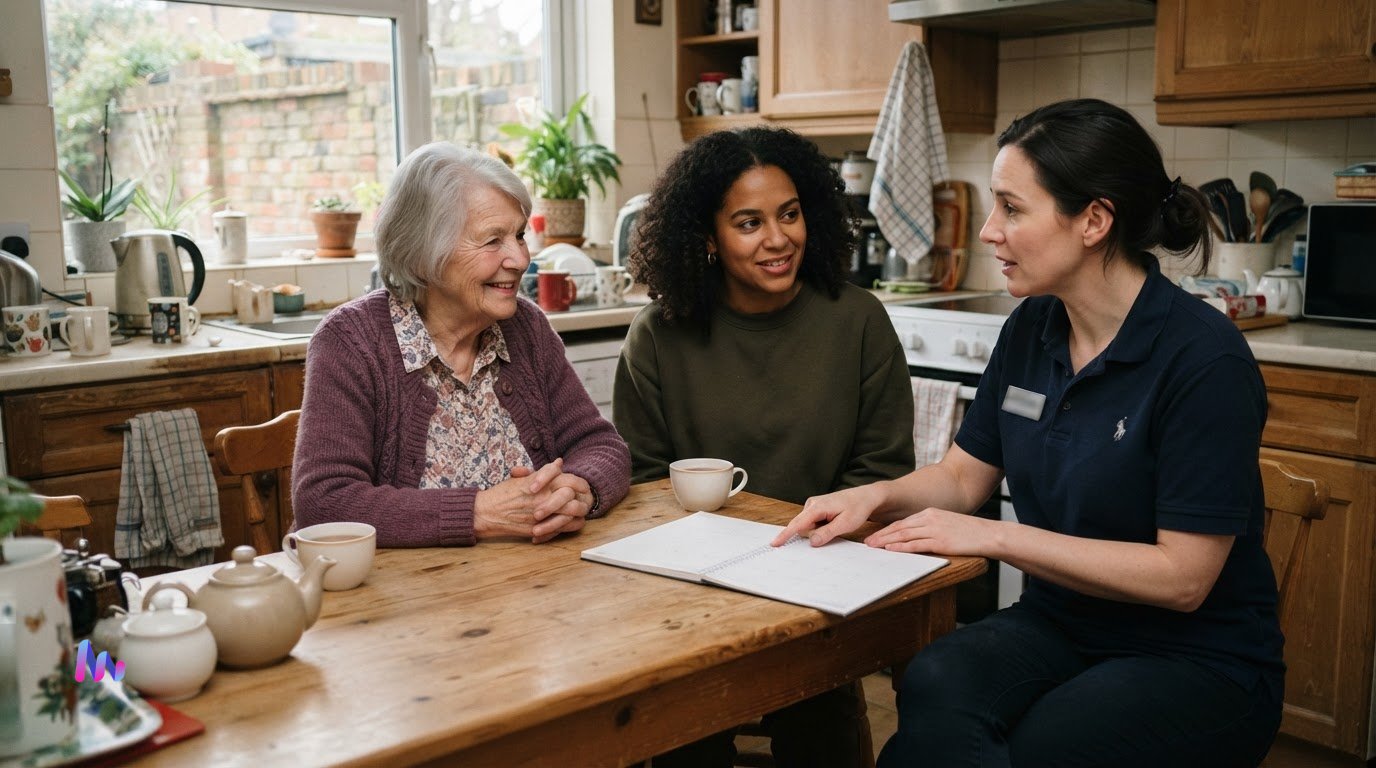
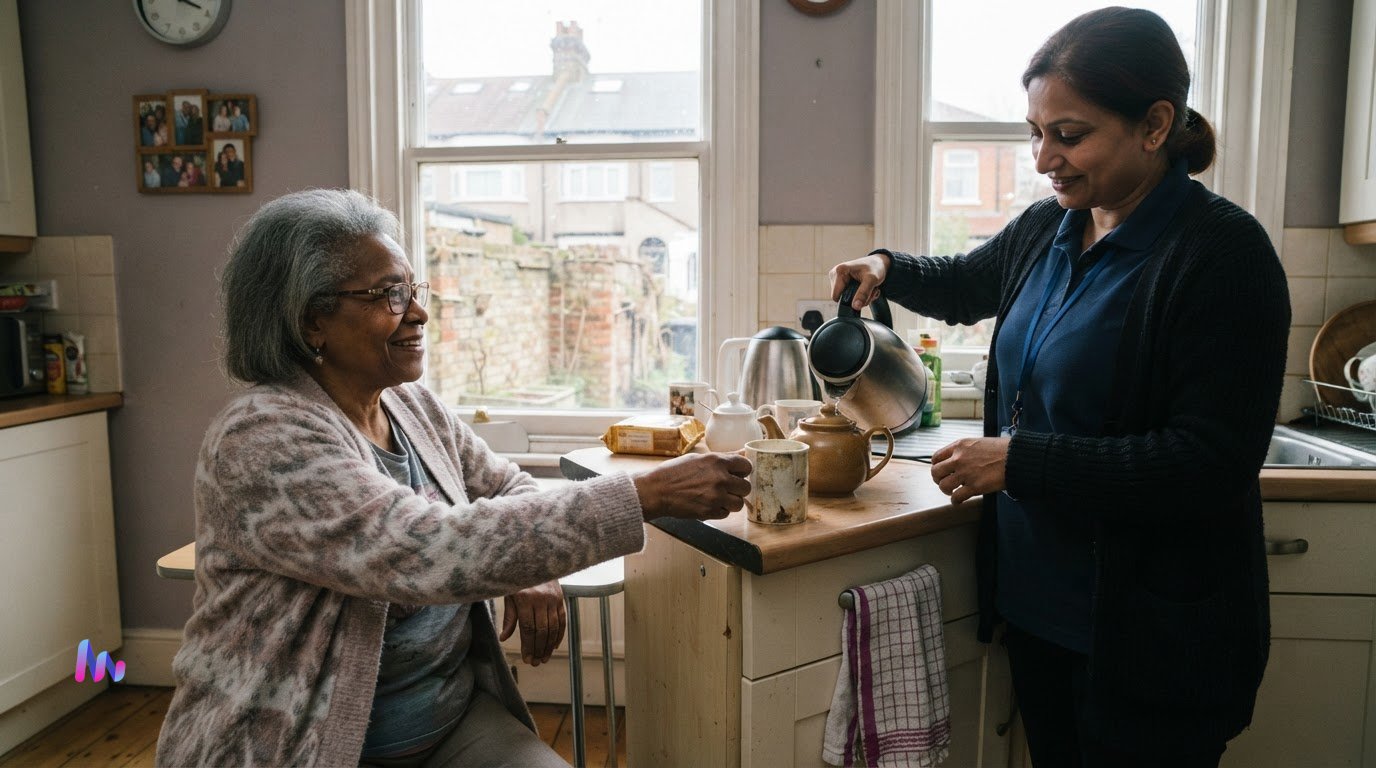
Professional home care in St John’s Wood bridges the critical gap between complete self-reliance and the institutional nature of a residential care facility. Rather than uprooting an individual from the surroundings they adore, bespoke home-based care introduces discreet, compassionate support straight to their doorstep in NW8. At NeeryVille Care, our approach to care is rooted in clinical excellence and profound empathy. As a fully regulated care provider overseen by the Care Quality Commission (CQC), our purpose is simple: to relieve the immense emotional burden carried by families, ensuring your loved one lives with uncompromising dignity, comfort, and vitality in their own home.
Table of Contents
Why Home Care is the Preferred Choice in St John’s Wood
For decades, moving into a residential care home was widely assumed to be the default step when frailty or memory impairment intensified. However, a seismic shift has taken place across North London. Families and healthcare professionals increasingly recognise that the home environment is uniquely restorative. Remaining at home preserves cognitive health, nurtures emotional resilience, and safeguards personal autonomy in a way no communal facility can replicate.
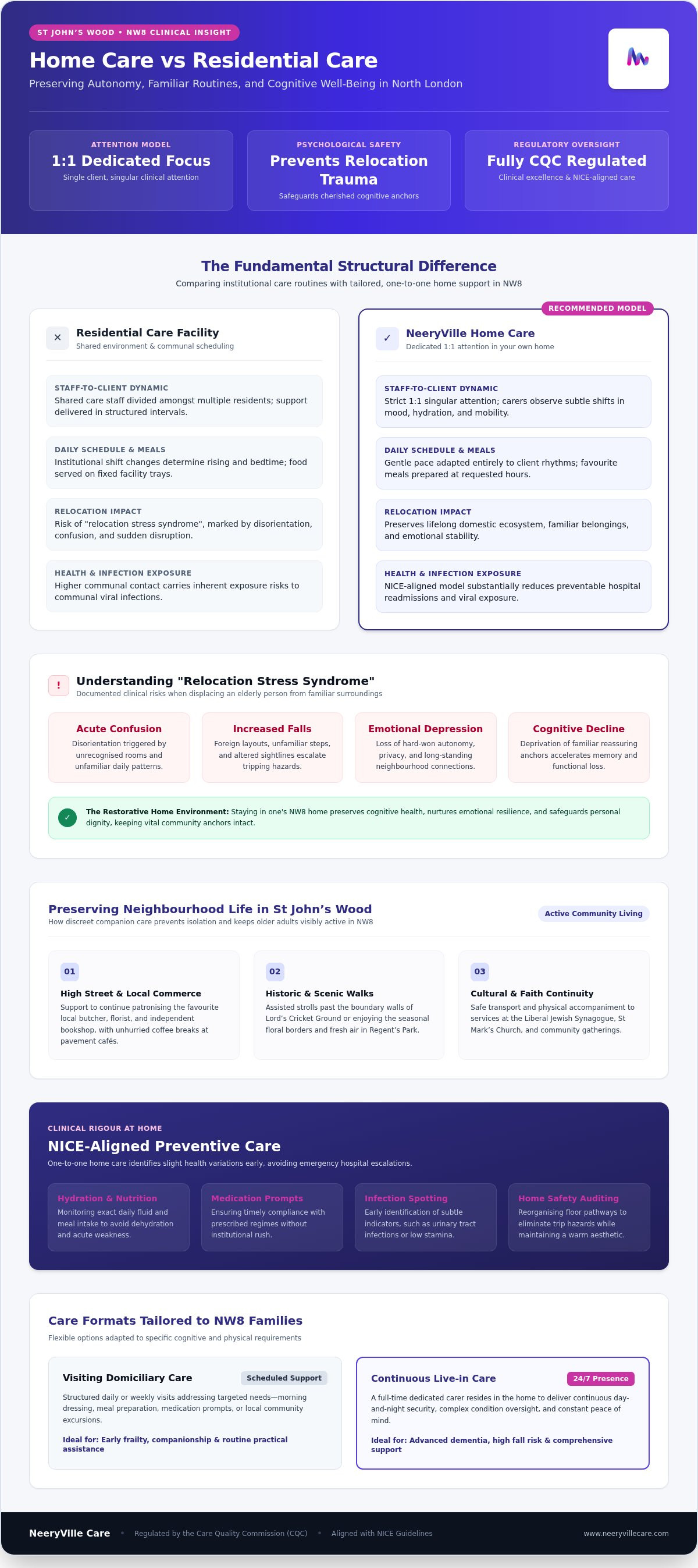
In NW8, the domestic environment is deeply intertwined with personal history. Every room holds echoes of family gatherings, quiet afternoons with a favourite book, and routines honed over decades. Displacing an elderly person from this familiar ecosystem often results in what clinicians refer to as "relocation stress syndrome"—a documented psychological trauma characterised by acute confusion, depression, increased falls, and accelerated cognitive decline. By contrast, receiving dedicated care at home keeps those reassuring anchors firmly in place.
Beyond the front door, St John’s Wood offers a distinctive, culturally vibrant neighbourhood with a quiet village ambience nestled alongside the wider metropolis. For older residents, maintaining continuity means staying connected to the places and people that give life texture: attending services at the Liberal Jewish Synagogue or St Mark’s Church, greeting long-time acquaintances on the High Street, or simply gazing out across a private garden. When care is adapted to fit an individual's lifestyle rather than forcing the individual into an institutional schedule, well-being flourishes.
Preserving Local Routines and Independence
A meaningful life is sustained through everyday habits and local connections. When support is brought into the home, daily rituals do not need to be abandoned; rather, they are protected and gently supported. For an elderly resident in St John’s Wood, a typical morning routine might involve taking an unhurried, assisted stroll past the historic boundary walls of Lord’s Cricket Ground, stopping to savour a warm coffee at a pavement café on St John’s Wood High Street, or enjoying the seasonal blooms in the floral borders of Regent’s Park.
Our carers act as discreet companions who empower individuals to keep participating in their community. Rather than confining an individual to the perimeter of their living room, a professional carer facilitates safe mobility, manages transport logistics, and provides steady physical support. This enables clients to continue patronising their favourite local butcher, florist, and independent bookshop. The psychological value of such continuity is immense. It signals to the older adult that their world is not contracting; they remain an active, visible, and respected member of their neighbourhood.
Inside the residence, preserving autonomy means honouring the quiet dignity of personal choice. Meals are prepared at the hour the client prefers, using ingredients they have hand-picked, rather than arriving on a pre-set facility tray. Morning routines unfold at a gentle pace, respecting personal rhythms rather than rigid staff shift changes. Sleeping in one’s own bed, surrounded by lifelong possessions, provides an emotional reassurance that cannot be commodified.
A Personalised Alternative to Residential Care
One of the starkest contrasts between care home admission and private home care lies in the staff-to-client ratio. In even the most luxurious residential care settings, care workers must balance the needs of multiple residents simultaneously. Consequently, care tends to become task-oriented: assistance is delivered in brief, structured intervals, often driven by the operational needs of the facility rather than the immediate emotional or physical wishes of the individual.
Home care delivers dedicated, one-to-one (1:1) attention. With visiting care or continuous live-in care, your loved one is never a face in a corridor or a name on a call-bell queue. Every moment of support is exclusively focused on their comfort, clinical safety, and mental stimulation. This level of singular focus allows carers to observe subtle shifts in mood, hydration, appetite, and mobility that might otherwise go unnoticed in a busy communal setting.
Furthermore, staying at home significantly reduces exposure to hospital-acquired or communal viral infections, which pose a severe risk to frail seniors. Clinical studies highlighted by the National Institute for Health and Care Excellence (NICE) continually show that person-centred, home-based models of care substantially reduce preventable hospital readmissions. Minor risks are identified and managed early—whether that involves prompting timely medication, identifying early indicators of a urinary tract infection, or reorganising floor layouts to prevent trip hazards—all while preserving the aesthetic and welcoming feel of a home.
Exploring Care Options: Visiting Care vs Live-in Care
Every family’s circumstances are distinctive. The nature of support required varies depending on physical stamina, cognitive health, household complexity, and personal preferences. In St John’s Wood, NeeryVille Care delivers a full spectrum of home-based support tailored precisely to your schedule, ranging from flexible hourly visits to comprehensive, around-the-clock live-in care.
Determining which care structure best aligns with your family’s needs requires understanding the practical distinctions between visiting (domiciliary) support and full-time live-in care. The following comparison highlights key elements across both service models to help you make an informed decision:
Flexible Visiting Care for Daily Support
Visiting domiciliary care offers structured assistance for individuals who maintain a reasonable degree of independence but require a helping hand with activities of daily living (ADLs). For many seniors in St John's Wood, having a friendly, trusted professional arrive at a scheduled hour brings rhythm and stability to their week.
Visiting care is highly adaptable. It often starts with practical morning visits: gently waking a client, providing respectful assistance with showering, dressing, and grooming, and preparing a wholesome, nutritious breakfast. Carers can oversee vital medication routines, ensuring that complex prescriptions are taken punctually and logged accurately in accordance with CQC standards.
Throughout the week, visiting carers also carry out essential household duties that have become physically taxing for older adults. From light housekeeping and bed-linen changes to laundry and restocking the pantry, our team keeps the home clean, organised, and safe. To learn more about practical household assistance, explore our specialised home help services designed to maintain a serene living space.
Comprehensive 24-Hour Live-in Care
When care needs become more pronounced—such as following a significant fall, a hospital stay, or the progression of an illness like Alzheimer's disease—relying solely on intermittent hourly visits can leave anxious gaps in coverage. In these situations, full-time live-in care provides complete reassurance.
With live-in care, a hand-picked, qualified carer resides in the home full-time, offering continuous assistance, vigilant safety monitoring, and warm companionship. Having someone present around the clock mitigates the acute anxiety families experience when wondering whether their loved one might wander, forget to turn off gas hobs, or trip during a nocturnal visit to the bathroom. If night-time agitation or confusion occurs, professional overnight support ensures that distress is promptly soothed, helping both client and family sleep soundly.
Live-in care is also an outstanding, deeply compassionate solution for couples. In many instances, an elderly husband and wife may have differing physical and cognitive requirements. Placing one partner in a residential home can tear apart decades of shared life, leading to profound heartbreak and grief. Our bespoke live-in care for couples allows lifelong partners to remain together beneath their own roof, preserving their shared lifestyle while our carer manages domestic tasks and personal care routines.
Restoring Family Dynamics: The Role of Professional Support
When an elderly family member requires care, adult children often find themselves thrust into the role of primary caregiver without training, emotional preparation, or adequate time. What begins as picking up groceries or handling a medical appointment can quickly spiral into round-the-clock crisis management, dressing changes, medication administration, and intense emotional strain.
Over time, this dynamic creates severe stress. The relationship shifts from that of loving daughter or son to that of exhausted supervisor and nurse. Family conversations become dominated by health logistics, bowel charts, and medication schedules, displacing the laughter, shared memories, and emotional connection that define a healthy family relationship. Introducing professional care is not an abdication of filial duty; it is an act of love that restores family balance.
Alleviating the Burden of Care
Caregiver burnout is a serious condition that takes a heavy toll on mental and physical well-being. Adult children who juggle high-pressured careers, their own children, and the mounting demands of an ageing parent frequently experience chronic fatigue, guilt, and emotional depletion. Carers UK frequently reports on the severe isolation that primary family caregivers experience when attempting to shoulder this burden unaided.
Professional home care lifts this weight off your shoulders. By handing over complex personal care, continuous safety management, and domestic upkeep to a vetted, CQC-regulated team, you can step back from the exhausting operational role. You return to your rightful place as a loving son, daughter, or partner. Family visits once again become opportunities to sit together, share stories, and enjoy each other’s presence, confident that every clinical and physical need is expertly handled by a professional.
Moreover, having an objective, trained professional on hand provides stability during crises. When a loved one experiences a sudden health decline or confusion, family members can easily feel overwhelmed. A professional carer provides an experienced, calm presence, quickly liaising with local North London NHS services, community nurses, and general practitioners to resolve issues promptly and safely.
The Value of Companionship and Engagement
Loneliness and social isolation are widely recognised by public health bodies, including the NHS, as major risk factors for deteriorating health in older adults. Chronic isolation can accelerate physical frailty, worsen cardiovascular health, and exacerbate depression. In affluent residential areas like St John’s Wood, where children may live across London or abroad, an elderly individual living in a grand, quiet house can experience acute loneliness.
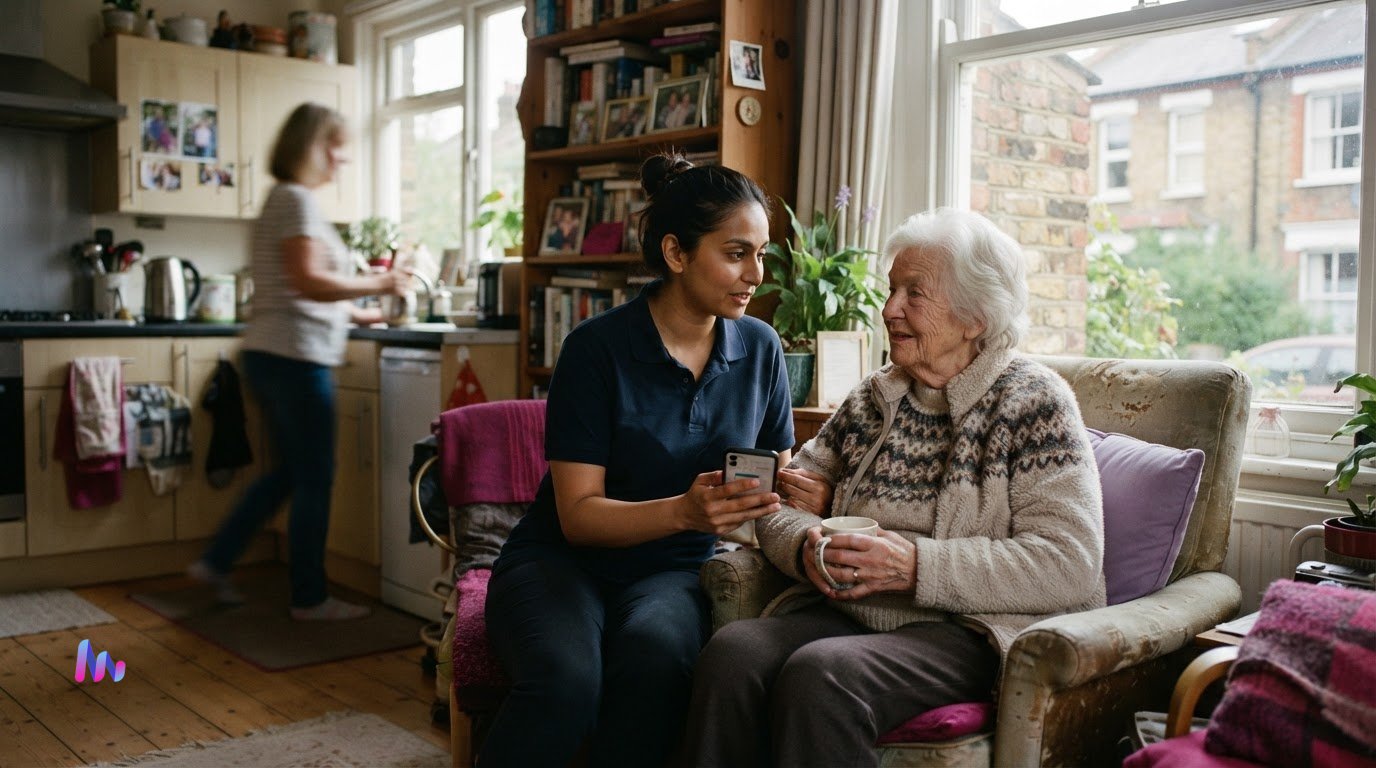
A professional carer is far more than a practical helper; they are a vital source of daily social connection. Through genuine companionship care at home, carers build deep, trusting relationships with clients. They engage in stimulating conversations about current affairs, share memories, play board games, prepare favourite family recipes together, and encourage lifelong passions like painting, gardening, or listening to classical music.
This companionship naturally extends into the St John’s Wood community. Whether taking an afternoon tea at a local café, visiting an exhibition, or attending a local cultural event, our carers provide the steady arm, logistical coordination, and cheerful company that keep clients engaged with the world around them.
Specialist Care for Complex Conditions at Home
Ageing is frequently accompanied by complex, progressive chronic illnesses that demand far more than basic domestic assistance. Managing conditions such as Alzheimer’s disease, vascular dementia, Parkinson’s disease, or recovering from a major stroke requires refined clinical understanding, tailored behavioural approaches, and nuanced physical support. At NeeryVille Care, our carers undergo thorough training to manage these complex medical needs with dignity and grace.
Multidisciplinary Collaboration in North London
Providing outstanding complex care requires seamless integration with local clinical teams. In NW8, our care managers collaborate actively with local NHS General Practices, district nursing teams, community physiotherapists, occupational therapists, and palliative care specialists. This ensures that every individual’s care plan strictly adheres to clinical advice and updates smoothly as their needs evolve.
Expert Dementia and Alzheimer’s Support
A dementia diagnosis can feel devastating for a family. As cognitive abilities shift, the world can become an overwhelming, frightening place for the individual. The familiar patterns, comforting sensory cues, and architectural layout of their own home provide an anchor of security. Moving someone with memory loss into unfamiliar residential settings often sparks heightened confusion, wandering, and intense distress.
Our dedicated dementia care at home focuses on validating the person’s reality, easing anxiety, and fostering feelings of accomplishment. Carers are trained in person-centred techniques: breaking tasks into simple, manageable steps, using gentle, reassuring verbal prompts, and creating dementia-friendly domestic spaces that reduce shadows, minimise clutter, and eliminate fall risks.
When changes in behaviour occur—such as sundowning, agitation, or repetitive questioning—our carers respond with patience, empathy, and practical de-escalation strategies. By identifying underlying triggers, such as physical pain, fatigue, or sensory overload, we address the root cause of distress rather than simply reacting to symptoms. In this way, individuals living with dementia can experience calm, structured, and joyful days within the comforting surroundings of their own St John’s Wood home.
Support for Parkinson’s and Neurological Conditions
Parkinson’s disease and related neurological conditions present multifaceted physical and emotional challenges. Motor symptoms such as tremors, muscle rigidity, bradykinesia (slowness of movement), and postural instability demand precise physical handling and vigilant fall prevention. Concurrently, non-motor symptoms like sleep disturbances, swallowing difficulties, and anxiety require attentive, holistic care.
Timing is critical in the management of Parkinson’s disease. Carers trained in Parkinson's care at home understand that medication must be administered precisely on schedule to avoid painful "off" periods where mobility freezes and distress surges. Working alongside guidance from Parkinson’s UK, our care teams ensure strict medication compliance, gentle assisted mobility exercises, and dietary adaptations that prevent choking and maintain nutritional balance.
For individuals recovering from an acute medical event, such as a stroke, consistency of care is essential for neuro-rehabilitation. Carers assist with daily physical exercises prescribed by physiotherapists, support speech therapy goals, and provide constant encouragement. Being able to complete this demanding rehabilitation in the privacy, peace, and dignity of home substantially boosts morale, accelerating the recovery of functional independence.
Organising Care with NeeryVille: A Seamless Transition
Organising care for a loved one is often prompted by an unexpected crisis: a sudden fall, an acute hospital admission, or the sudden realisation that a relative can no longer live safely on their own. During these moments of heightened stress, navigating care options can feel daunting. At NeeryVille Care, we have designed our onboarding process to be transparent, responsive, and stress-free.
We work closely with families across St John’s Wood, Camden, and the wider North London area, offering clear guidance at every step. From the moment you pick up the phone, our focus is on understanding your unique domestic situation, listening to your concerns, and arranging comprehensive, regulated care without delay.
The Assessment and Matching Process
Care should never be a one-size-fits-all service. A successful care arrangement relies on clinical precision combined with genuine personal compatibility between client and carer. Our process follows three structured stages:
Comprehensive In-Person Assessment: A clinical care manager visits your loved one’s St John’s Wood home to conduct a full assessment of their care requirements. We evaluate physical mobility, medical history, cognitive status, dietary needs, medication routines, and home safety hazards. Equally important, we take time to understand the individual's personal history, daily routines, hobbies, and personal preferences.
Bespoke Person-Centred Care Plan: Drawing from the assessment, we create an extensive, bespoke care plan. This living document details every aspect of daily support, establishing clear clinical protocols while honouring personal routines—from preferred waking times and bathing habits to favourite meals and local walking routes.
Thoughtful Carer Matching: We carefully match your loved one with a qualified carer whose skills, experience, and personality align with their needs. We consider clinical expertise alongside shared interests, language skills, and temperament to ensure that the relationship quickly feels natural, comfortable, and reassuring.
All NeeryVille Care carers undergo rigorous pre-employment screening. This includes enhanced Disclosure and Barring Service (DBS) checks, verified employment references, face-to-face interviews, and comprehensive practical training that exceeds mandatory industry benchmarks. When a carer enters your family home, you can be entirely confident in their professionalism and integrity.
Ongoing Support and Peace of Mind
Beginning care is the start of an evolving journey. As health needs change, care provision must adapt accordingly. NeeryVille Care provides active, hands-on oversight to ensure that standards remain consistently high.
Every family is assigned a dedicated local care manager who serves as a direct point of contact. You will never have to navigate anonymous call centres or explain your loved one's background repeatedly to strangers. We carry out regular quality assurance visits, unannounced spot-checks, and scheduled care reviews with families and relevant clinical professionals. If medication regimens shift or mobility needs increase, care plans are updated promptly.
Our commitment to transparent communication means that family members—whether residing nearby in London or living overseas—receive consistent updates on their loved one's health and happiness. We take immense pride in functioning as an extended family network, offering the clinical expertise, watchful care, and deep compassion needed to keep your loved one safe, dignified, and flourishing at home.
Frequently Asked Questions
Is home care in St John’s Wood CQC regulated?
Yes. NeeryVille Care is fully regulated and inspected by the Care Quality Commission (CQC), the independent regulator of health and social care in England. Unlike introductory agencies that simply introduce self-employed carers without ongoing responsibility, regulated providers are legally accountable for the ongoing quality, safety, training, and clinical governance of the care delivered in your home.
How quickly can live-in care be organised after a hospital discharge?
We understand that hospital discharge deadlines can be urgent and stressful. In many situations, NeeryVille Care can complete a full care assessment and organise professional live-in care within 24 to 48 hours. We liaise directly with hospital discharge teams, social workers, and occupational therapists at North London hospitals to ensure all equipment, medication, and care protocols are in place before your loved one arrives home.
Can home care support someone with advanced dementia?
Yes. Our carers are specifically trained in specialist, person-centred dementia care. We support individuals at all stages of cognitive decline, including advanced Alzheimer’s and vascular dementia. By maintaining familiar surroundings, establishing predictable routines, using gentle sensory communication, and managing behavioural changes with patience and empathy, we provide a safe, soothing alternative to memory care units.
What is the difference between an introductory agency and a regulated care provider?
An introductory agency acts purely as a recruitment conduit: they introduce a self-employed carer to the family, take an introductory fee, and step away. In that scenario, the family becomes the legal employer, taking on responsibilities for background checks, tax, national insurance, sick cover, holiday replacements, and clinical supervision. In contrast, a fully regulated provider like NeeryVille Care employs, trains, supervises, and insures its care team, managing every clinical and operational detail to maintain high standards of safety and care under CQC regulation.
Will my loved one have the same carer every day?
Continuity of care is fundamental to building trust and emotional comfort. For visiting care, we build a small, dedicated team of regular carers so that your loved one always sees familiar, friendly faces. For full-time live-in care, a primary carer typically resides in the home for scheduled periods before taking regular leave, at which point an equally competent, familiar relief carer takes over, ensuring seamless continuity without disruption to daily routines.
Can home care providers manage complex medication regimes?
Yes. Our carers undergo rigorous, accredited medication administration training. They can assist with ordering prescriptions, collecting medications from local St John's Wood pharmacies, prompting administration at exact times, and logging every dose accurately using comprehensive Medication Administration Record (MAR) systems. For clients with Parkinson’s or diabetes, carers follow precise schedules to maintain clinical stability.
Is respite care available for short-term holiday cover in North London?
Yes. We provide flexible respite care solutions across St John’s Wood and surrounding areas. Whether you are a primary family caregiver who needs a well-deserved break for a few weeks, requires holiday cover, or needs temporary support while recovering from an illness yourself, we can put high-quality, continuous visiting or live-in care in place to ensure your loved one remains supported in your absence.
How do you ensure the safety and background of your carers?
We apply rigorous vetting and safeguarding protocols before any carer enters a client's home. Our screening includes an enhanced DBS check, multiple validated professional and personal references, verification of right-to-work credentials, face-to-face competency interviews, and thorough vetting of past healthcare experience. Carers also undertake ongoing professional training and practical assessments to maintain clinical standards.
Arrange Dedicated Home Care in St John’s Wood
Speak with our compassionate care team today to discover how our tailored visiting and live-in care services can provide safety, comfort, and independence for your loved one in NW8.