

Post-Stroke Home Care Guide: Highgate & North London

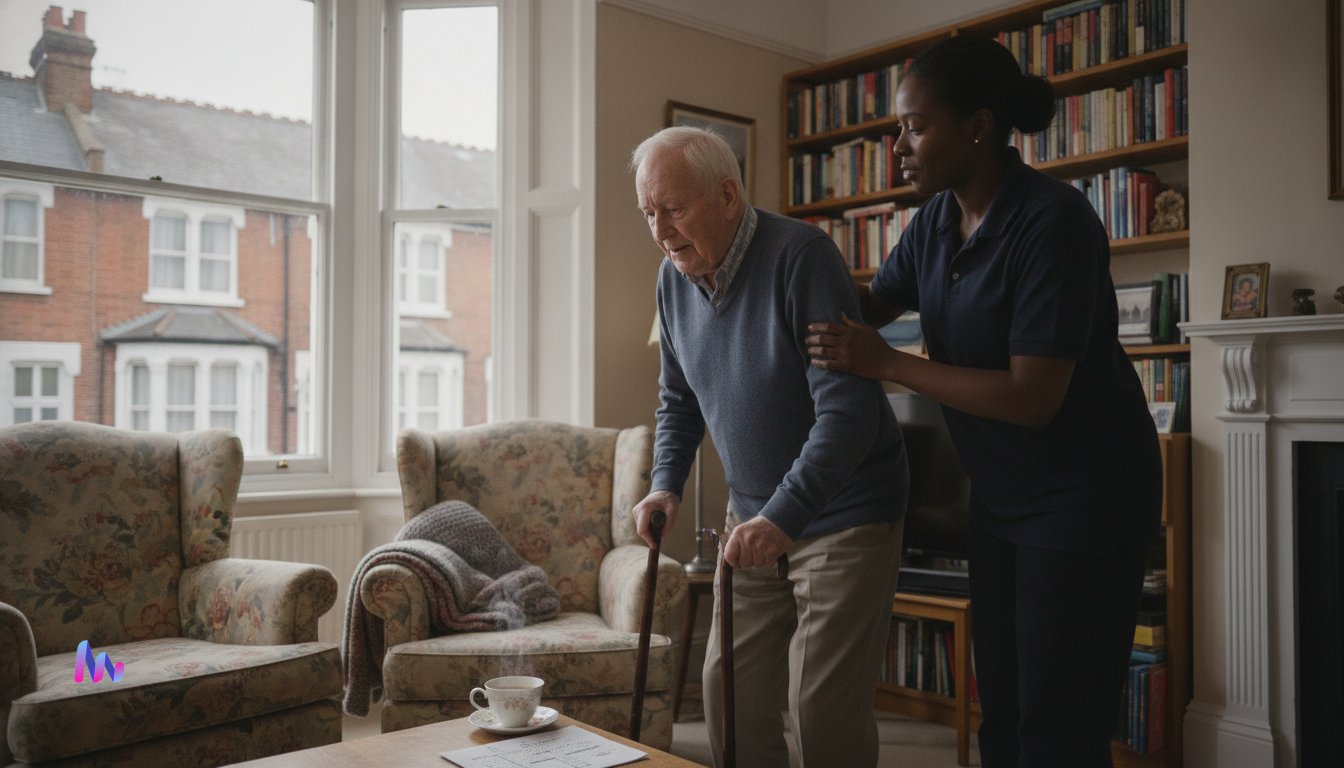
Imagine the quiet relief of finally bringing your loved one back to their own armchair in Highgate, only for that peace to be replaced by the sudden, sharp weight of hospital discharge papers. You want to provide the best possible support, yet the fear of a second stroke or the struggle to manage complex physiotherapy exercises alone can feel completely overwhelming. Choosing professional post stroke care at home is often the first step toward reclaiming a sense of order. It's natural to feel exhausted whilst balancing your own career with these new, specialist needs, but your desire for a safe, dignified environment is the most important part of the healing process.
This guide explains how expert assistance can transform a chaotic transition into a structured, calm journey toward independence. We'll explore how to create a clear recovery plan that includes specialist rehabilitation and 24/7 safety, specifically for families in North London. By understanding the latest CQC standards and local support options, you'll discover how to replace anxiety with the peace of mind that your loved one is in expert hands within their own familiar home.
Table of Contents
Navigating the Transition: What to Expect from Post-Stroke Care at Home
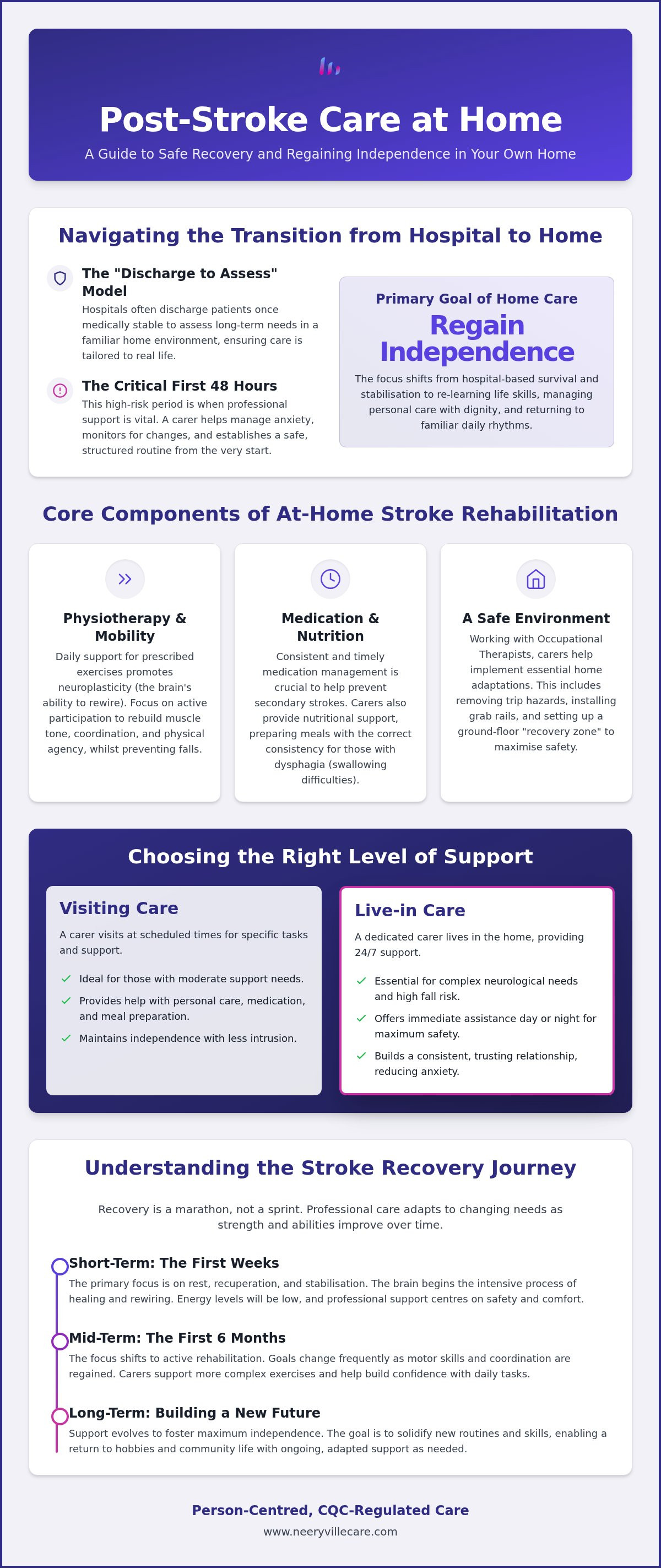
Returning home after a stroke is a significant milestone, yet it often brings a complex mix of relief and trepidation. In North London, hospitals like the Royal Free or the Whittington frequently employ a "discharge to assess" model. This means your loved one is moved home as soon as they are medically stable so that their long-term needs can be evaluated in their own environment. It's an efficient system, but for families, the sudden shift from 24/7 clinical supervision to domestic life can feel abrupt. High-quality post stroke care at home isn't just about basic assistance; it's a multidisciplinary approach to rehabilitation. It brings together specialised support, mobility guidance, and emotional encouragement to ensure the home remains a place of healing rather than a source of stress.
The primary goal of this transition is simple: regaining independence. Whilst the hospital focuses on survival and initial stabilisation, home care focuses on life. It's about finding ways to navigate the kitchen, manage personal care with dignity, and eventually return to the familiar rhythms of Highgate life. The emotional impact on the family during this period is profound. You're suddenly balancing your roles as a daughter, son, or spouse with the technical demands of a caregiver. Professional support steps in to carry that clinical weight, allowing you to focus on being a family again.
The Crucial First 48 Hours After Discharge
The first two days back at home are often the most high-risk for anxiety. The house can suddenly feel full of obstacles. To manage this, we recommend setting up a "recovery zone" before the patient arrives. This might involve moving a bed to the ground floor or ensuring all pathways are clear of rugs and clutter. A professional carer acts as a vital bridge during these hours. They provide a steady presence, monitoring for any subtle changes in health and helping the individual settle into a new routine. Their expertise transforms a period of uncertainty into a structured, safe start to the next chapter.
Understanding the Stroke Recovery Timeline
It's vital to remember that the stroke recovery process is a marathon, not a sprint. In the short term, the focus is on recuperation and rest. Your loved one will likely be very tired as their brain begins to rewire itself. As the weeks progress, the focus shifts toward long-term rehabilitation and regaining motor skills. Professional home care is designed to be fluid; it adapts as the patient gets stronger. In the first six months, goals change frequently. What starts as help with basic movement evolves into supporting more complex exercises. Managing expectations is key. Progress might be slow, but with consistent, professional support, every small victory builds toward a more independent future.
Essential Components of Stroke Rehabilitation in a Home Setting
Effective rehabilitation is more than just a scheduled appointment; it's the sum of small, daily actions. For post stroke care at home to be truly effective, it must integrate clinical safety with a patient, therapeutic routine. Medication management sits at the heart of this. Taking blood pressure or cholesterol medication at the exact same time each day is a vital step in preventing secondary strokes. Beyond the medicine cabinet, nutritional support is often a priority. If your loved one is managing dysphagia (swallowing difficulties), a carer ensures that meals are prepared to the correct consistency. This prevents aspiration whilst ensuring they still enjoy the comfort of a home-cooked meal.
Physical Therapy and Mobility Support
The brain’s ability to rewire itself depends on neuroplasticity. This process requires constant, gentle repetition. Carers support the specific exercises prescribed by hospital physiotherapists, ensuring they happen every day rather than just during weekly check-ups. We assist with muscle tone exercises and coordination tasks, always prioritising safety. Using specific moving and handling techniques is essential to prevent falls within the home. We focus on "active participation" rather than total dependence. By supporting your loved one to do as much as they can for themselves, we help them reclaim their physical agency. If the physical demands of care are becoming a struggle, you can get in touch for professional guidance.
Speech, Language, and Cognitive Rehabilitation
Communication challenges like aphasia are common and can be deeply isolating. Rehabilitation in a familiar setting allows for practice in a low-pressure environment. We use meaningful domestic objects, such as a favourite book or a family heirloom, to stimulate memory and recognition. It's also vital to manage "stroke fatigue." Cognitive overload can happen quickly, so we balance stimulation with quiet periods. By considering home modifications for stroke survivors that reduce noise and visual clutter, we create an environment where concentration can thrive. This methodical approach ensures that memory and concentration exercises feel like a natural part of the day rather than a clinical chore.
Live-in vs Visiting Care for Stroke Recovery
Deciding on the right level of post stroke care at home is a deeply personal process. It requires a careful balance between the clinical needs of the patient and their desire for independence. Whilst some survivors recover quickly, others face a longer, more complex rehabilitation after a stroke. This decision often boils down to safety, consistency, and the specific physical or cognitive challenges remaining after hospital discharge. Choosing the wrong level of support can lead to setbacks, so it's vital to assess the individual's environment and mobility realistically.
When is Visiting Care Enough?
Visiting care, or domiciliary care, is often a suitable choice for those who've experienced a minor stroke and retained a high degree of mobility. It's ideal when the primary needs are task-specific. This might include help with morning routines, medication prompts, or preparing nutritious meals to manage blood pressure. If your loved one is confident moving around their home but needs a gentle hand with daily logistics, visiting care services in Highgate provide the necessary support without being intrusive. It allows for a gradual return to normal life whilst ensuring that the essential building blocks of recovery are firmly in place.
The Benefits of 24/7 Live-in Care for Stroke
For those with more complex neurological needs or significant mobility issues, live-in care is often the safer, more comprehensive option. The constant presence of a professional carer provides immediate help for nighttime needs or sudden disorientation. It effectively combats the social isolation that so often follows a major health event. Beyond companionship, the one-to-one attention inherent in this model is a powerful tool in reducing hospital readmissions. A dedicated carer notices the smallest changes in health or mood, acting before a situation becomes a crisis.
For couples, specialist live-in care in Highgate N6 is frequently more cost-effective than residential care settings. It allows a husband and wife to stay together in their own home, surrounded by their memories, whilst receiving professional support tailored to their specific recovery goals. This continuity of environment is invaluable for cognitive health. It ensures that the focus remains entirely on the individual's progress, providing a level of dedicated partnership that residential settings simply cannot mirror. By staying at home, the survivor remains in control of their own space, which is a vital component of emotional well-being during recovery.
Creating a Safe and Supportive Environment: Practical Home Adaptations
A home in Highgate or Hampstead should be a sanctuary, yet after a stroke, familiar rooms can suddenly feel like a series of obstacles. Creating a safe space is about more than just removing rugs; it's about re-engineering the environment to support a new way of moving. Professional post stroke care at home starts with a rigorous assessment of trip hazards and accessibility barriers. This often involves collaborating with Occupational Therapists (OT) from local North London social care teams. These experts look at how a survivor interacts with their surroundings, identifying where a simple grab rail or improved lighting could prevent a life-altering fall.
Small changes often yield the most significant results. A perching stool in the kitchen allows for rest during meal preparation, whilst high-contrast tape on the edge of stairs can help those with visual processing issues. Technology also plays a vital role. Fall sensors and emergency call systems provide a silent safety net, offering families peace of mind when they cannot be in the room. These tools don't replace human care; they enhance it, allowing for a balance between safety and independence.
The Recovery-Friendly Bedroom and Bathroom
The bedroom and bathroom are private spaces where safety is essential for dignity. We ensure bed heights allow for safe transfers, reducing physical strain on the body. In the bathroom, aids like raised toilet seats are essential tools for autonomy. By organising these spaces logically, we minimise stroke fatigue. Keeping daily essentials within easy reach prevents unnecessary exertion, preserving energy for the day's rehabilitation goals.
Managing Personal Care and Dignity
Personal care is a sensitive area where the relationship between the provider and the client is paramount. A professional carer assists with bathing and dressing with a gentle touch, always encouraging autonomy where possible. When managing bowel or bladder changes, we implement routines that prioritise sensitivity and hygiene. Maintaining a normal domestic routine, such as getting dressed for the day, has profound psychological benefits. It signals that despite the stroke, the person's essence remains unchanged.
Personalised Post-Stroke Support with NeeryVille Care in North London
NeeryVille Care provides more than just practical assistance; we offer a partnership rooted in clinical excellence and emotional warmth. As a CQC-regulated provider, our approach to neurological and stroke care is built on the foundation of safety and individual dignity. We recognise that recovery is deeply personal. That's why we don't just assign a carer based on availability. We match our professionals to your loved one based on both their clinical expertise and their personality. Whether your parent needs a quiet, steady presence or a more energetic motivator to encourage physiotherapy, we ensure the relationship feels right. Our commitment to post stroke care at home prioritises the individual over the process, ensuring that every care plan is as unique as the person it supports.
A Local Service for Highgate and Hampstead Families
Our presence in North London isn't just about a postcode; it's about our deep integration into the local healthcare community. We have established relationships with the discharge teams at the Royal Free and the Whittington Hospital, allowing us to facilitate a smoother transition home. By maintaining proactive communication with GPs and district nurses across the N6 and NW3 areas, we ensure that the medical and social aspects of recovery are perfectly aligned. We understand the specific domestic challenges of Highgate, Hampstead, and Crouch End homes, from narrow staircases to local pharmacy delivery schedules. This local knowledge allows us to be a primary burden-lifter for families during a time of crisis.
Supporting the Carer: Preventing Burnout
Stroke recovery doesn't just affect the survivor; it impacts the entire family unit. We often see daughters and sons reaching the point of total exhaustion whilst trying to juggle their own careers with intensive caregiving duties. Professional support is an essential component of a sustainable recovery plan. By taking over the daily burden of household management, meal preparation, and medication tracking, we allow you to step back and simply be a family member again. Reclaiming your own well-being is vital for the long-term health of your loved one. Whether you require a few hours of visiting support or the reassurance of specialist live-in care in Highgate N6, our goal is to provide the stability you need to maintain your own resilience whilst providing the best possible support for your relative.
Looking Forward to a Brighter Recovery
The transition from hospital to home is a pivotal moment that requires both clinical precision and emotional warmth. By integrating specialist physiotherapy exercises into a daily routine and implementing practical home adaptations, you create a foundation for lasting progress. Specialist post stroke care at home offers more than just safety; it provides the one-to-one partnership necessary for regaining independence and confidence. It's about ensuring that the recovery journey is paced correctly for your loved one's unique needs.
Our CQC-regulated team in Highgate understands the specific anxieties North London families face during this time. We provide expert carers who are specifically trained in neurological recovery to ensure every step forward is a safe one. We're committed to being the steady guide you need, allowing you to focus on your relationship whilst we manage the complexities of daily support. We're here to lift the burden and offer the calm reliability your family deserves.
Every small step forward is a victory worth celebrating. Let us help you navigate the path toward a safer, more dignified recovery in the comfort of your own home.
Frequently Asked Questions
Can a stroke patient really be cared for at home instead of a nursing home?
Yes, it's often the preferred choice for those wanting to maintain their independence in a familiar environment. Professional post stroke care at home allows for a person-centred approach that residential settings sometimes lack. By staying in their own home in Highgate or Hampstead, the survivor benefits from a sense of continuity. This emotional stability, combined with professional monitoring, ensures they receive the same level of safety as a facility whilst preserving their personal dignity.
How much does post-stroke care at home cost in London?
The cost depends entirely on whether you choose flexible visiting care or 24/7 live-in support. Visiting care is charged based on the duration of the scheduled visits, whilst live-in care involves a fixed weekly fee for a dedicated carer residing in the home. In North London, these rates reflect the specialist nature of neurological support. We provide a clear breakdown of fees following an initial assessment, ensuring transparency during the post stroke care at home recovery journey.
Will the carer be able to help with physiotherapy exercises?
Absolutely, our carers are trained to support the specific programme set out by your hospital's physiotherapist. Whilst they don't replace clinical specialists, they ensure that prescribed exercises are performed correctly and consistently throughout the week. This daily repetition is vital for neuroplasticity and regaining motor skills. Having a professional on hand in Crouch End or Camden provides the encouragement needed to stay committed to the rehabilitation plan every single day.
What happens if my loved one has another stroke whilst the carer is there?
Our carers are trained to identify the early warning signs of a secondary stroke and will follow immediate emergency protocols. They act as a vital safety net, ensuring that emergency services are called without delay and providing clear clinical information to paramedics. This rapid response is crucial for families in the N6 area. Having a professional present 24/7 offers the peace of mind that your loved one will never face a crisis alone.
How quickly can post-stroke care be organised in North London?
We pride ourselves on our responsiveness and can often implement a care plan within a few days of your initial enquiry. Our local presence in North London allows us to liaise directly with discharge teams at the Royal Free or Whittington hospitals. We understand that hospital discharge can happen quickly, so we work methodically to ensure a safe transition home is ready as soon as the patient is medically stable.
Is live-in care suitable for someone with severe mobility issues after a stroke?
Live-in care is often the gold standard for those with severe mobility issues, as it provides constant safety monitoring. Having a carer reside in the home ensures that help is always available for transfers, personal care, and nighttime needs. This level of support significantly reduces the risk of falls and hospital readmissions. It's a safer, more personalised alternative for those with complex neurological needs who wish to avoid moving into a residential facility.
Do you provide specialist equipment for stroke recovery at home?
Whilst we don't supply the equipment ourselves, we work closely with local Occupational Therapists to ensure your home is correctly fitted with what's needed. We assist with the daily use of aids like hoists, grab rails, and perching stools. Our carers are fully trained in safe moving and handling techniques using these tools. We ensure that any technology, such as fall sensors, is seamlessly integrated into the daily routine for maximum safety.
How do you ensure the quality of your stroke carers?
As a CQC-regulated provider, we adhere to strict standards regarding recruitment, training, and ongoing supervision. Every carer undergoes specialist training in stroke and neurological support to ensure they have the necessary clinical authority. We also prioritise personality matching, ensuring the carer is a good fit for your family's domestic environment. Regular reviews and proactive communication with North London healthcare professionals ensure that the quality of care remains consistently high throughout the recovery.


