

Meal Prep for the Elderly: Nutrition and Home Support

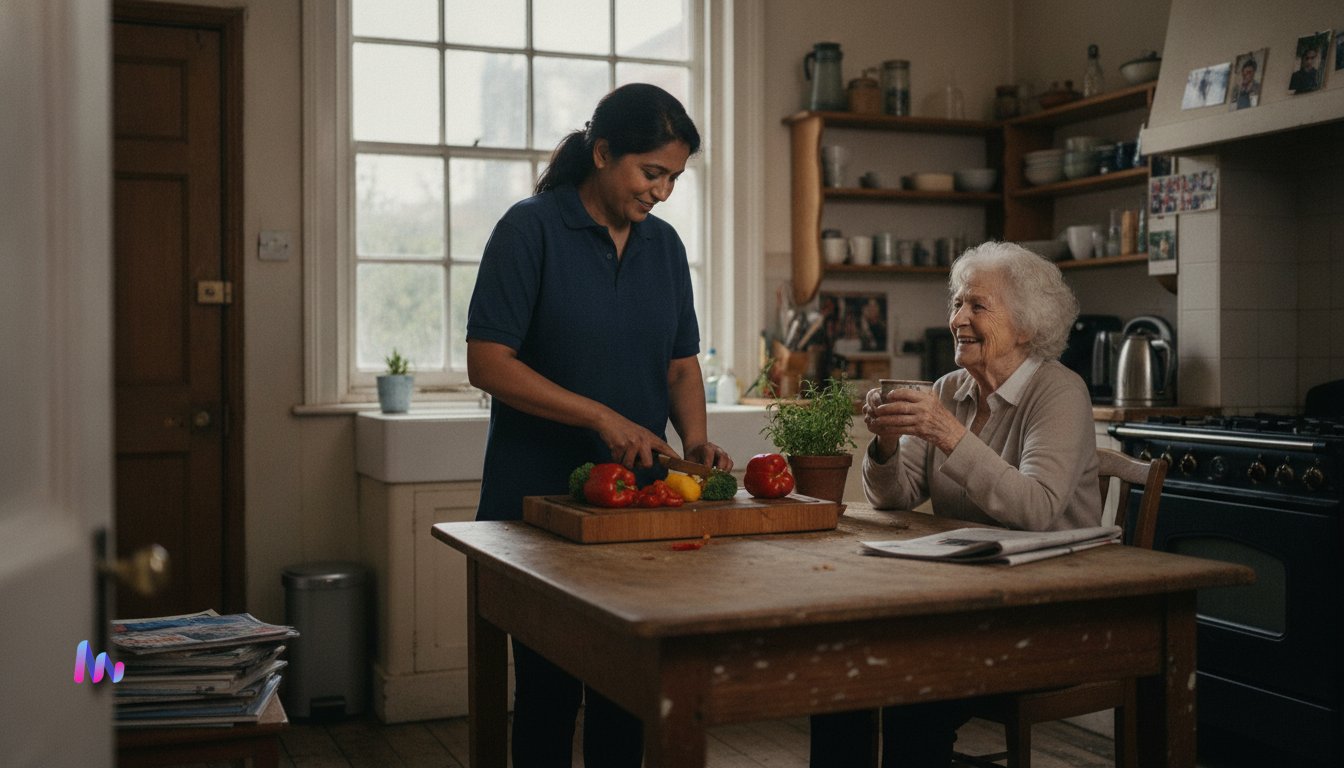
Did you know that one in ten people over the age of 65 in the UK are currently malnourished or at risk of malnutrition? It is a startling figure. A quiet crisis. It often begins subtly with "tea and toast" syndrome, where the physical effort of cooking leads to a diet of simple, nutritionally empty snacks. Professional meal preparation is more than just a domestic convenience; it is a vital safeguard for health, safety, and personal dignity.
You likely feel the constant weight of this worry. You notice your parent becoming frailer or feel a sharp jolt of anxiety whenever you think about the stove being left on. Balancing your own career and family with these caregiving duties is exhausting. We understand that pressure. This article explores how professional support can restore balance to your family. You will discover how to ensure three nutritious meals a day, maintain a safe kitchen, and help your loved one regain their strength. We provide a clear, methodical path toward a healthier home life where your loved one feels truly nourished and cared for.
Table of Contents
What is Meal Preparation in Home Care?
Meal preparation within a domiciliary care setting is a comprehensive, CQC-regulated service designed to ensure nutritional needs are met safely at home. It isn't just about the act of cooking. It encompasses the entire journey of a meal. This includes collaborative menu planning, grocery shopping, safe food storage, and the final clearing away. For many, it is the difference between a cupboard full of out-of-date tins and a fridge stocked with fresh, vibrant ingredients. This service provides a structured, reliable way to maintain health without the physical strain of managing a kitchen alone.
The Difference Between Home Help and Meal Delivery
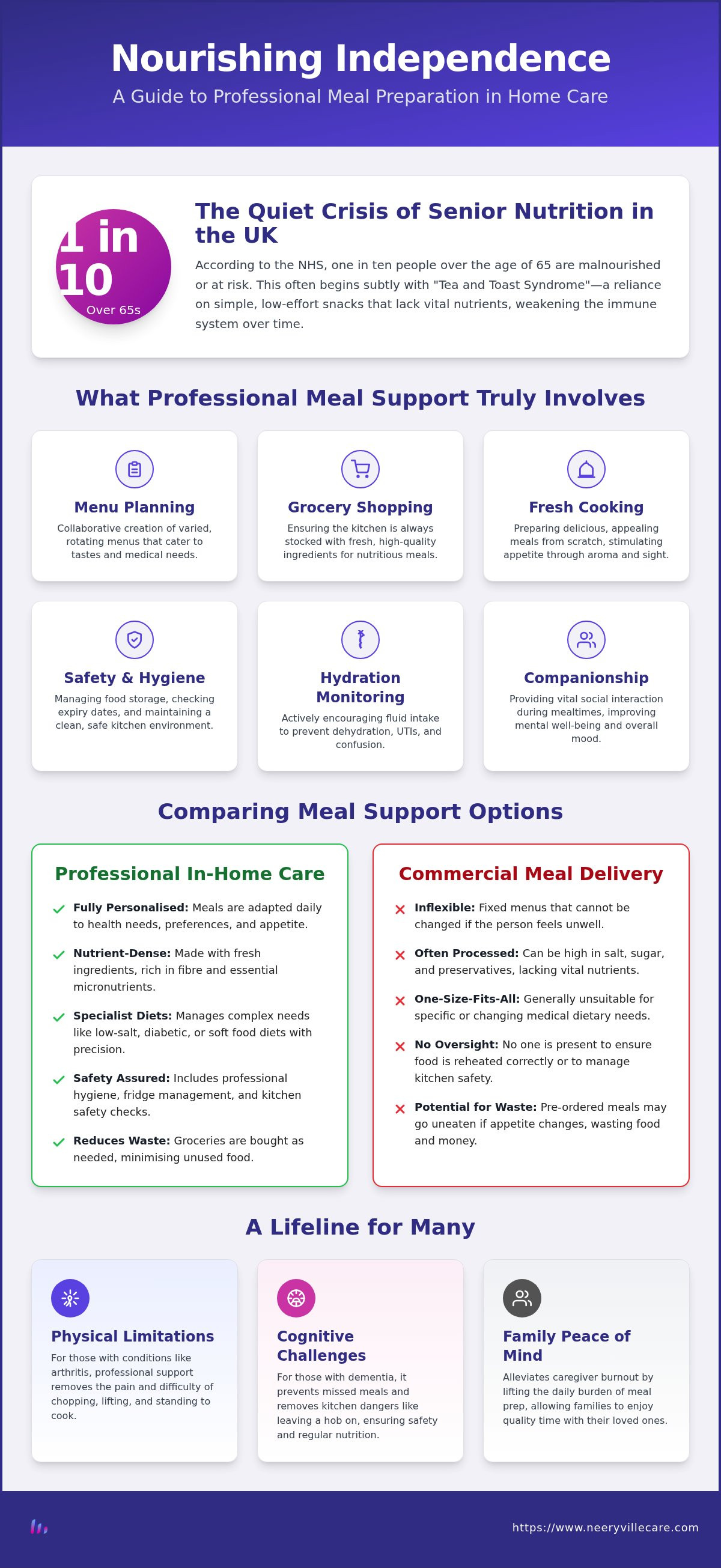
Professional support offers a level of personalisation that commercial "ready meal" services cannot match. Whilst delivery services provide convenience, they often lack the fibre and micronutrients essential for senior health. They can also be high in salt and preservatives. A caregiver can adjust a recipe on the spot. If a client feels unwell or has a sore throat, a planned roast can become a gentle, nutritious soup. This flexibility is vital. Freshly prepared food stimulates the appetite through aroma and visual appeal. These sensory cues are often lost in processed alternatives but are crucial for encouraging those with a dwindling appetite to eat.
Who Benefits from Professional Meal Support?
Those with physical limitations like arthritis find chopping and lifting heavy pans nearly impossible. For these individuals, the kitchen becomes a source of frustration rather than a place of nourishment. Those living with dementia also face significant risks. Forgetting to eat or leaving a gas hob unattended are serious safety concerns that require a watchful, professional eye. Finally, this service is a lifeline for families. Relatives often experience caregiver burnout as they struggle to manage their own lives whilst ensuring their loved one is eating well. Professional meal preparation lifts this domestic burden entirely, allowing families to focus on quality time rather than chores.
Safety is another critical factor where professional help outshines DIY "batch cooking". Many families try to prepare meals in bulk for a loved one to reheat later. However, elderly adults may struggle to reheat food to the correct temperature, increasing the risk of food poisoning. A professional carer ensures all food is handled according to strict hygiene standards. They manage the fridge to prevent the consumption of expired goods and ensure the kitchen remains a safe, clean environment. This methodical approach provides the peace of mind that a loved one is eating safely and well every single day.
The Crucial Role of Nutrition and Hydration in Senior Health
According to the NHS, malnutrition in the elderly is a deficiency of essential nutrients that affects an estimated one in ten people over the age of 65 across the UK. This often stems from "tea and toast" syndrome. It's a common pattern where a senior relies on low-effort, processed snacks, leading to a lack of dietary variety that weakens the immune system. Professional meal preparation addresses this by introducing diverse, nutrient-dense ingredients that support long-term health. It moves beyond simple convenience to provide a clinical safeguard against frailty and illness.
Specialist dietary management is a cornerstone of professional care. For those with hypertension, a low-salt menu is essential to manage blood pressure effectively. Similarly, diabetic-friendly menus focus on slow-release carbohydrates to stabilise blood sugar levels throughout the day. Professional carers don't just cook; they monitor these specific requirements with clinical precision. If you're concerned about your parent's changing dietary needs, you can speak with our team about a personalised plan.
Nutritional Needs for Specific Conditions
Certain health challenges require a modified approach to food. For individuals with dysphagia, or swallowing difficulties, we provide soft food diets that remain appetising and nutrient-dense. When delivering dementia care at home, we prioritise brain-boosting ingredients like oily fish and leafy greens. High-fibre options are also vital. They support digestive health and ensure that medications are absorbed efficiently by the body, preventing the discomfort that often leads to a loss of appetite.
The Link Between Hydration and Cognitive Function
Hydration is just as critical as solid food. Even mild dehydration can mimic or worsen symptoms of confusion and disorientation. Families often worry that a cognitive decline is advancing, when the root cause is actually a lack of fluids. Caregivers use practical strategies to encourage drinking. This might include leaving colourful jugs of water within reach or using specialised cups that are easier to hold. We also look for "hidden" hydration in foods like soups, jellies, and hydrating fruits like melon. Monitoring fluid intake is a proactive way to prevent urinary tract infections (UTIs), which are a leading cause of hospital admissions amongst the elderly.
Comparing Meal Support Options: Professional Help vs. Delivery
Choosing between a commercial meal delivery service and professional meal preparation at home is a decision that balances convenience against clinical safety. Frozen meal services are often marketed as a simple solution. They require no prep and minimal mess. However, these services often stop at the front door. They cannot ensure the food is actually eaten, nor can they monitor if a senior is struggling with the physical act of using a microwave or opening plastic seals. Fresh preparation provides a level of sensory stimulation and nutritional density that chilled or frozen alternatives simply cannot replicate.
There are significant hidden costs associated with delivery services that families often overlook. Food waste is a primary concern. If a loved one dislikes a particular dish or finds it difficult to chew, it often remains in the fridge until it spoils. Without active fridge management, these expired items become a health hazard. A professional carer manages the entire kitchen ecosystem. They check "use-by" dates, organise cupboards, and ensure that fresh ingredients are used before they go to waste. This integrated approach to home help in Highgate ensures the kitchen remains a functional, safe, and hygienic space.
Safety and Kitchen Management
The human element of home care is a vital safeguard against domestic accidents. For a vulnerable adult, using a gas hob or a hot oven carries a risk of fire or burns, especially if they live with cognitive impairment. A caregiver provides constant supervision, eliminating the danger of a stove being left on. Beyond fire safety, they identify subtle hazards like a flickering fridge light or a kettle that has become too heavy to lift safely. This proactive maintenance prevents the small household issues that frequently lead to larger crises.
Cost-Benefit Analysis for Families
Whilst premium meal kits may seem cost-effective on the surface, they lack the multi-functional value of domiciliary care. When you invest in professional support, you aren't just paying for a meal. You are securing a bundle of essential services, including grocery shopping, light laundry, and companionship. This support is a powerful preventative measure. Malnutrition is estimated to cost UK health services £13 billion annually, often due to the increased risk of falls and infections. By ensuring a senior is well-nourished and hydrated, families can avoid the emotional and financial strain of emergency hospital admissions. It is an investment in long-term stability and domestic well-being.
How to Organise Safe and Nutritious Meal Planning
Establishing a structured system for food is the most effective way to ensure long-term health and domestic safety. It requires a blend of clinical insight and practical organisation. By following a methodical plan, you can transform the kitchen from a place of potential hazard into a centre of nourishment and routine.
The first step is always to consult with a GP or a registered nutritionist. They can identify specific dietary requirements, such as the need for increased protein or reduced potassium, which form the foundation of any care plan. Once these parameters are set, creating a rotating 14-day menu is an excellent strategy for meal preparation. This duration is long enough to prevent "food boredom" but short enough to keep shopping lists manageable. It ensures that your loved one receives a wide spectrum of nutrients without the repetition that often leads to a loss of interest in eating.
Safety must also be designed into the environment. Conduct a thorough audit of the kitchen to identify where accessible tools could help. Easy-grip peelers, one-handed can openers, and non-slip mats are small investments that provide significant support. Finally, establish a consistent routine for breakfast, lunch, and dinner. For many seniors, especially those living with cognitive challenges, a predictable schedule provides a vital sense of stability and reduces anxiety around mealtimes.
Dementia-Friendly Meal Planning
For those living with memory loss, the sensory experience of eating can be overwhelming. Using high-contrast coloured plates, such as blue or red, can help individuals distinguish food from the crockery, which often improves intake. If using cutlery becomes a source of frustration, offering nutrient-dense finger foods allows for independence and dignity. It is also essential to maintain a calm, distraction-free environment. Turning off the television and reducing background noise helps the individual focus entirely on the task of eating.
Managing Food Allergies and Intolerances
Safety protocols for allergies must be rigorous. In a home kitchen, we implement strict measures to prevent cross-contamination, ensuring that separate utensils and preparation areas are used where necessary. Caregivers are trained to read labels with precision, identifying "hidden" allergens in processed ingredients that might be overlooked. Every meal is documented, providing a transparent record for the family to review. This level of detail ensures that dietary restrictions are respected at every turn.
Professional Meal Preparation in North London with NeeryVille Care
At NeeryVille Care, our visiting care in Highgate is designed to transform the daily experience of dining from a stressful chore into a highlight of the day. We understand that meal preparation is not merely a clinical requirement; it is a social and emotional event. Many seniors face the "lonely eating" factor, where the absence of company leads to a loss of appetite and, eventually, malnutrition. By integrating companionship into our service, we provide a warm, presence-centred approach that encourages healthy eating habits. Our carers engage with your loved one, turning mealtimes into an opportunity for connection and mental stimulation.
Our commitment to safety is anchored by our status as a CQC-regulated provider. This means every meal prepared in your home meets high standards of hygiene and nutritional quality. We don't just follow recipes. We follow rigorous safety protocols that protect vulnerable adults from the risks of foodborne illness and domestic accidents. This professional oversight gives families the confidence that their loved ones are receiving the highest level of care in the comfort of their own kitchens. We act as a steady guide, ensuring that every plate served is both safe and delicious.
Local Support in Highgate, Hampstead, and North London
Our team possesses deep local knowledge of the North London area. We source the freshest ingredients from local shops and markets in Highgate and Hampstead, ensuring that every dish is made with high-quality produce. We offer flexible visiting times that respect your loved one's established routine. Whether they prefer a hearty breakfast at dawn or a light supper in the evening, we adapt to their needs. Being locally managed means we are always nearby, providing a sense of community and responsive support that feels personal and reliable.
A Holistic Approach to Home Help
We believe in a comprehensive style of care that looks at the person, not just the task. This is why we combine cooking with companionship care to address both physical and emotional well-being. Once the meal is finished, our carers assist with the "after-meal" tasks. They handle the washing up and ensure the kitchen is left tidy and safe. This holistic approach provides total peace of mind for families. You no longer have to worry about a cluttered kitchen or your parent feeling isolated during the day.
Getting started is a methodical and supportive process. It begins with a personalised assessment where we discuss dietary needs, preferences, and safety concerns. From there, we match your loved one with a compatible carer who can prepare their first home-cooked meal. We guide you at a pace that feels right for your family, ensuring a smooth transition into a better, more nourished way of living at home.
Restoring Vitality and Peace of Mind at Home
Ensuring your loved one enjoys nutritious, home-cooked food is a profound way to protect their health and happiness. We've seen how professional meal preparation acts as a clinical safeguard, effectively preventing malnutrition whilst removing the physical risks of an unmanaged kitchen. This support restores the simple joy of mealtimes and provides the structured routine essential for cognitive stability and physical strength.
Our CQC-regulated care provides specialist support for conditions like dementia and Parkinson’s, delivered by compassionate, vetted caregivers. By choosing a partner who prioritises emotional well-being alongside physical health, you alleviate the exhaustion of caregiving and reclaim your own peace of mind. You don't have to carry this burden alone; expert help is available to ensure your family thrives in the comfort of a familiar environment.
You deserve the reassurance that your loved one is safe, well-fed, and truly cared for. We are ready to help you take that first step toward a brighter, healthier, and more stable home life.
Frequently Asked Questions
Does meal preparation include doing the food shopping?
Yes, our service includes the entire process from shopping to washing up. Carers can visit local markets in Highgate or Hampstead to source fresh, seasonal produce. This ensures the fridge is always stocked with healthy ingredients, removing the physical strain of carrying heavy bags. We manage the grocery list based on the agreed meal plan, so you don't have to worry about your loved one running out of essentials.
Can a caregiver help with specialist diets, such as gluten-free or diabetic menus?
Absolutely. Our caregivers are trained to support various specialist dietary requirements with clinical precision. Whether it's a gluten-free menu for coeliac disease or low-glycaemic meals for managing diabetes, we prioritise these needs. We often work alongside GPs or nutritionists to ensure that every dish served supports the client's long-term health goals whilst remaining flavourful and satisfying for them to eat.
How do you ensure food safety and hygiene in my loved one’s home?
As a CQC-regulated provider, we follow strict food hygiene standards in every home. Caregivers regularly audit the fridge and cupboards to check "use-by" dates and remove expired items. We also focus on kitchen safety, ensuring that hobs are turned off and surfaces are sanitised. This methodical approach reduces the risk of foodborne illnesses and domestic accidents, providing a secure environment for your loved one in North London.
What happens if my parent refuses to eat the meal prepared?
We take a patient and person-centred approach if a client refuses a meal. It's often a sign of a deeper issue, such as a changing appetite or a minor health fluctuation. Our caregivers are trained to offer alternatives and find out why the food was rejected. We never rush or pressure someone to eat; instead, we adapt the menu in real-time to find something that appeals to their daily health needs.
Is meal preparation available as part of live-in care or just hourly visits?
Meal preparation is a core component of both our hourly visiting care and our nationwide live-in care services. In areas like Camden and Tufnell Park, we provide flexible domiciliary visits tailored to specific mealtimes. For those requiring continuous support, our live-in caregivers manage all household cooking and nutrition 24 hours a day. This ensures that regardless of the level of care, your loved one always has access to fresh food.
Can you help with "soft food" diets for people with swallowing difficulties?
Yes, we provide specialist support for individuals with dysphagia or swallowing difficulties. We focus on preparing "soft food" or pureed diets that remain visually appealing and nutrient-dense. Our goal is to ensure that mealtimes stay enjoyable rather than becoming a source of frustration. We use various techniques to maintain the flavour and texture of the food whilst ensuring it is safe for the client to swallow comfortably.
Do caregivers eat with the clients during mealtimes?
We actively encourage our caregivers to sit and engage with clients during mealtimes. Eating together is a vital part of companionship care, as it helps to combat the social isolation that often leads to a loss of appetite. This shared experience turns a routine task into a meaningful social event. It allows the carer to monitor the client's intake subtly whilst providing the emotional support that makes mealtimes something to look forward to.
How do I know if my loved one needs help with meal preparation?
Look for subtle signs like unexplained weight loss, a fridge filled with expired food, or a reliance on simple snacks like tea and toast. You might also notice safety concerns, such as pans being left on the stove or a sudden lack of interest in cooking. If the physical effort of meal preparation is becoming too much for them, it's often the right time to consider professional support to maintain their strength and safety.


