

Caring for Elderly Parents in Highgate: A Complete Guide

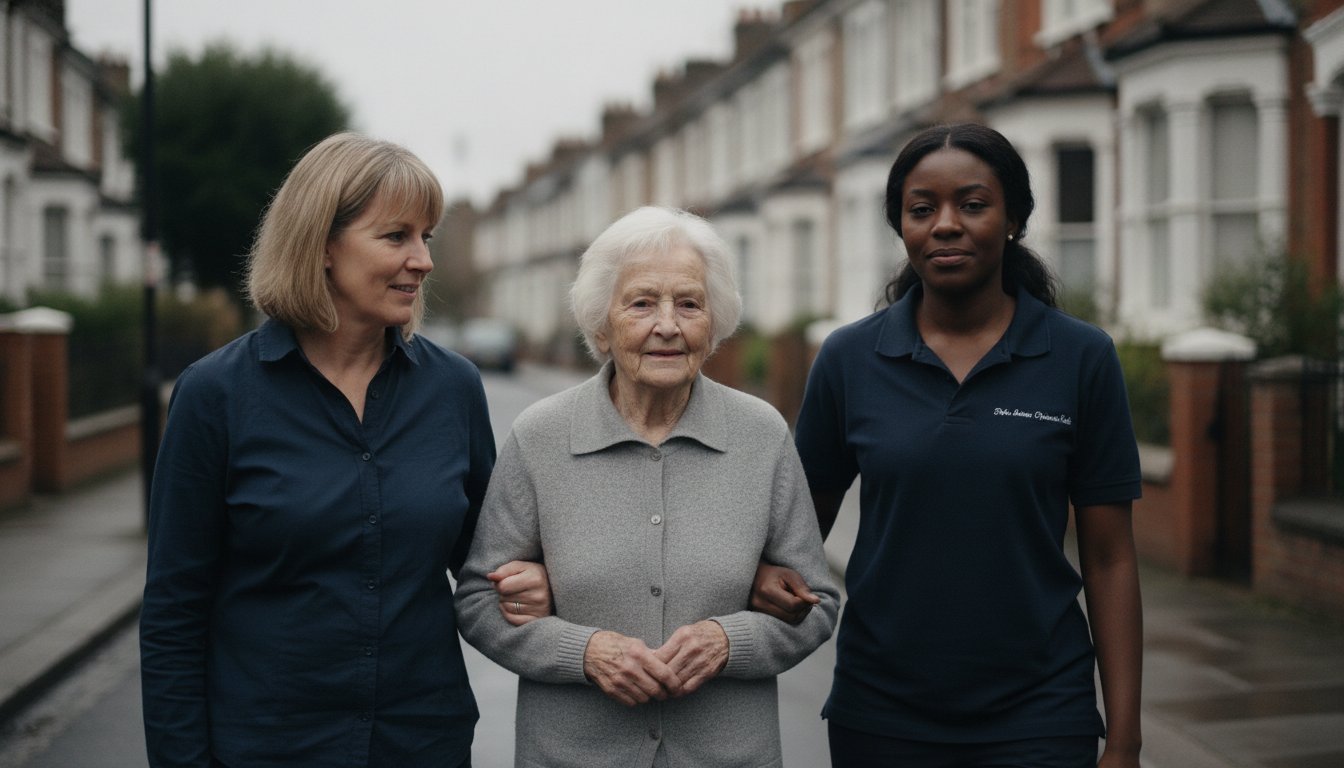
What if the most difficult part of caring for an ageing parent isn't the physical task itself, but the quiet moment you realise you've stopped being their daughter or son and started being their manager? It's a heavy transition that many families in Highgate face every day. You want them to stay in the home they love, yet the constant worry about a missed pill or a late-night fall keeps you awake. The weight of guilt when you can't visit, combined with the exhaustion of balancing a career, can make the situation feel impossible to sustain alone.
We understand that caring for elderly parent responsibilities aren't just about logistics; they're about heart. This guide will help you discover how to balance these emotional and practical challenges, ensuring your loved one remains safe and happy at home. We will explore the benefits of professional monitoring, the nuances of managing complex conditions like dementia, and how to implement a care plan that preserves their dignity. By the end, you'll have a clear path toward a partnership that lets you focus on being a family again, rather than just a carer.
Table of Contents
The Reality of Caring for an Elderly Parent in 2026
In 2026, the 'sandwich generation' in Highgate faces a unique set of pressures. You are likely balancing the demands of a career and the needs of growing children while simultaneously caring for elderly parent family members. It is a delicate act. Often, these responsibilities don't arrive with a sudden announcement. They creep in quietly. It begins with helping with the weekly shop or managing a single prescription. Before long, you are coordinating complex medical appointments and worrying about their safety every time the phone rings.
The core goal of any family caregiver is simple: to ensure your loved one maintains their safety, dignity, and a high quality of life. Achieving this requires a deep understanding of their changing needs. It means moving beyond just 'getting by' and finding a way for them to truly thrive in their own home. This balance is difficult to strike alone, especially when the emotional weight of the role begins to settle and the practical demands multiply.
Common Responsibilities for Family Carers
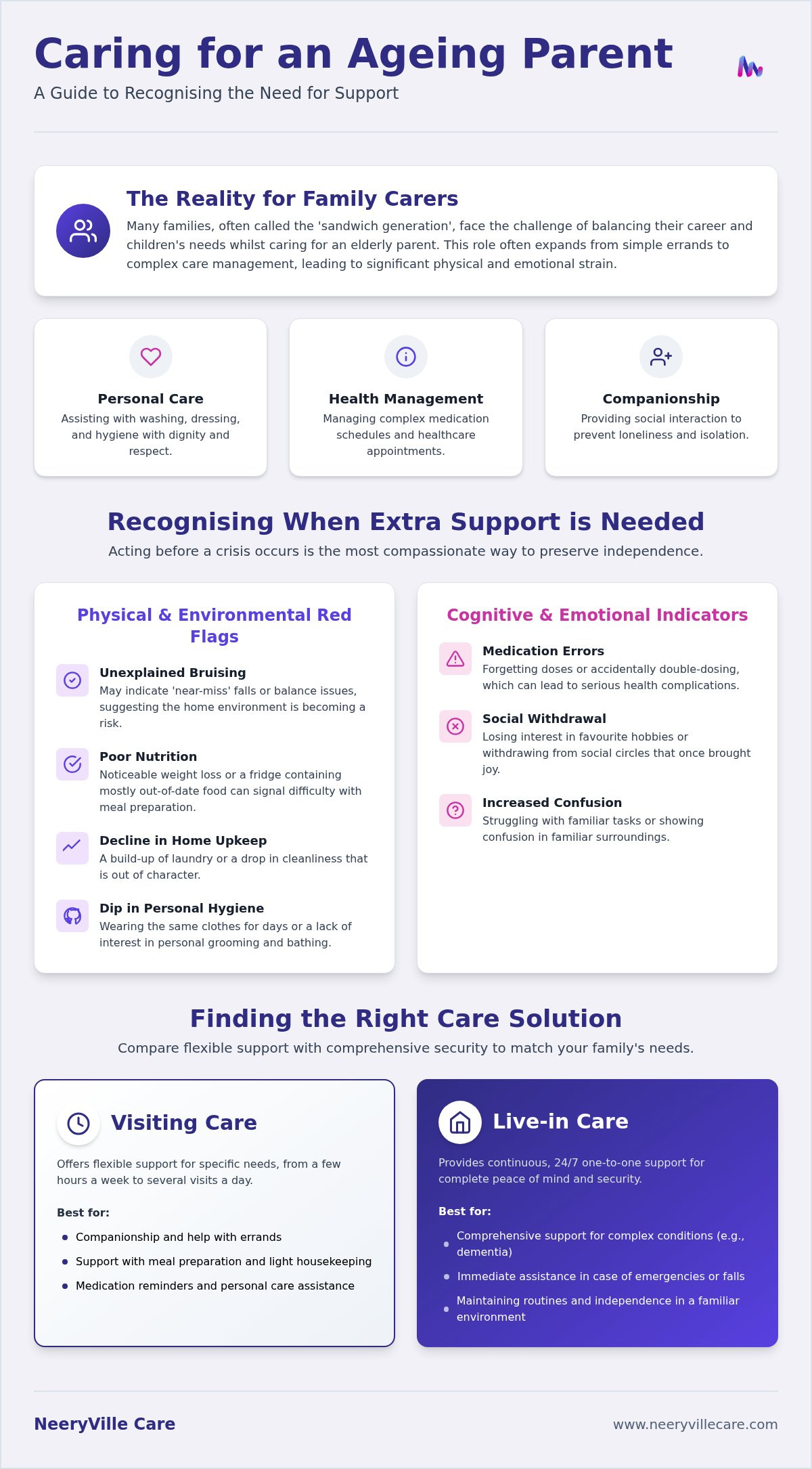
The daily reality of care involves a diverse range of tasks that require both physical stamina and emotional patience. These include:
Assisting with essential personal care, such as washing, dressing, and maintaining hygiene with sensitivity.
Managing complex medication schedules and ensuring all healthcare appointments are attended regularly.
Providing companionship care to prevent the profound effects of social isolation.
Person-centred care in a domestic setting ensures that every support task is delivered in a way that respects the individual's life story, personal preferences, and daily habits, placing their emotional well-being at the heart of the process.
Why Caring Can Feel Overwhelming
Watching a parent's health decline is a deeply emotional experience. It's painful to see a once-independent person struggle with basic tasks. The physical and emotional toll of caring for elderly parent family members can lead to significant burnout if you don't have a reliable support system in place. When you add the pressure of full-time employment, the burden can become unsustainable. Many family carers find themselves physically exhausted and mentally drained. This is particularly true when managing the challenging behaviours often associated with dementia care at home, where patience is tested daily. Your own mental and physical health matters too. Without the right support, the role of carer can quickly eclipse the role of son or daughter, leaving you feeling isolated and overwhelmed.
Recognising When Extra Support is Needed
It's often the small, quiet details that signal a shift in a parent's ability to live safely alone. While caring for elderly parent family members, you might overlook a slightly cluttered hallway or a new bruise, perhaps attributing it to the natural process of ageing. However, there's a vital difference between a parent who is simply 'managing' and one who is truly thriving. Acting before a crisis occurs, such as a serious fall or a medical emergency, is the most compassionate way to ensure their independence is preserved for as long as possible.
Physical and Environmental Red Flags
Physical changes are usually the most visible markers that home safety is no longer guaranteed. You might notice unexplained bruising, which frequently points to 'near-miss' falls or balance issues that have gone unmentioned during your visits. These indicators suggest that the home environment is becoming a source of risk rather than a place of comfort.
Weight loss or a fridge containing out-of-date food, suggesting significant difficulty with meal preparation and nutrition.
Neglected household tasks, such as a build-up of laundry or a noticeable decline in home cleanliness that feels out of character.
A dip in personal hygiene, such as wearing the same clothes for several days or an uncharacteristic lack of interest in grooming and bathing.
Cognitive and Emotional Indicators
Emotional and cognitive changes can be more subtle but are equally vital to monitor. Increased confusion in familiar surroundings or forgetting to take vital medications are significant risks to long-term health. When a parent begins to struggle with these aspects of daily life, it often places an immense strain on the family dynamic.
Double-dosing or missing doses of prescribed medicine, which can lead to avoidable health complications or hospitalisation.
Withdrawal from social circles or favourite hobbies that once brought them joy and a sense of purpose.
Sudden, uncharacteristic changes in mood or behaviour, which may indicate the early stages of dementia care at home requirements.
If you find yourself constantly worrying about these shifts, seeking help is an act of love, not an admission of defeat. It's a proactive choice to protect your parent's dignity and your own peace of mind. By introducing elderly care at home early, you prevent the panic of a sudden health decline. You ensure that the journey of caring for elderly parent family members remains a positive experience for everyone involved. If these signs feel familiar, you might find it helpful to speak with a specialist advisor about how to gently introduce support into your parent's routine.
Care Options: From Hourly Visits to Live-in Care
Choosing the right level of support is a pivotal decision for any family. When caring for elderly parent family members, the primary objective is to find a solution that matches their specific needs without compromising their sense of self. Remaining in a familiar environment, surrounded by decades of memories and the comfort of their own home in Highgate, provides a level of emotional stability that a residential facility simply cannot replicate. Professional care is designed to adapt to the individual, ensuring that support feels like a natural extension of their daily life rather than an intrusion.
Hourly Domiciliary Care: Flexible Support
This option is ideal for those who require help with specific tasks but remain relatively independent. It provides targeted assistance with morning routines, meal preparation, or medication management. By choosing visiting care in Highgate, you ensure your parent receives professional support exactly when they need it most. This model is highly scalable. Visits can be increased from a few hours a week to multiple daily calls as needs evolve, allowing for a gradual and gentle transition that respects your parent's autonomy and independence.
Live-in Care: The Gold Standard for Safety
For families seeking absolute peace of mind, live-in care offers a 24/7 presence. This ensures immediate assistance is always available, significantly reducing the risks associated with falls or sudden illness. It is particularly effective for managing complex conditions, such as providing specialist dementia care at home, where consistency and familiarity are essential for reducing anxiety and confusion. Having a dedicated carer living in the home fosters a deep sense of partnership and provides constant companionship.
One-to-one attention: A personalised approach that prioritises emotional well-being and personal dignity over rigid institutional routines.
Maintaining bonds: The ability to keep parents together through live-in care for couples, preserving their lifelong connection in their own home.
Clinical expertise: Care plans are meticulously tailored to individual health requirements, ensuring the journey of caring for elderly parent family members is supported by professional standards.
By opting for these domestic solutions, you avoid the upheaval and emotional distress often caused by moving to a residential home. Instead, your loved one remains in the heart of their community, supported by a system that values their independence as much as you do. This approach ensures that care is not just a service, but a way to maintain a high quality of life within familiar surroundings.
Practical Steps for Organising Care in North London
Organising support in areas like Highgate, Hampstead, and Camden requires a clear understanding of both emotional boundaries and local logistics. When caring for elderly parent family members, the first hurdle is often the most personal: the conversation itself. It's a moment that requires patience and a gentle touch. You aren't just arranging a service; you're helping your loved one navigate a significant change in their life while ensuring they feel heard and respected throughout every stage of the process.
Starting the Conversation with Empathy
Choose a time and place where your parent feels most comfortable. Avoid bringing up the subject during a crisis or a rushed visit. Frame the discussion around 'support' and 'independence' rather than 'care', which can sometimes feel like a loss of autonomy. Listen intently to their fears and preferences amongst the planning process. Active listening ensures your parent feels like a partner in their own future rather than a problem to be solved. This collaborative approach builds trust and makes the transition feel like a shared journey toward safety.
Navigating the Regulatory Landscape
Safety is paramount. Choosing a CQC-regulated provider is non-negotiable. The Care Quality Commission (CQC) ensures that services meet fundamental standards of quality and safety. You should always check a provider's latest inspection report on the CQC website to verify their rating. These reports provide transparent insights into how a service performs across five key areas: safety, effectiveness, care, responsiveness, and leadership. A high rating offers the clinical authority and peace of mind you need during moments of worry.
In North London, the role of the local authority is vital for understanding care funding and support. Whether you are dealing with Camden, Haringey, or Barnet councils, you are entitled to a Carer's Assessment. This is a free service provided by the local authority or the NHS to see what support you might need as a family member. It's a practical step in identifying local resources for elderly care at home. This assessment looks at how your caring role affects your life and what help could make things easier, from respite care to emotional support.
Caring for elderly parent needs often involves navigating these local structures. Highgate's unique position across borough boundaries means you should verify which council handles your parent's specific address. This ensures you access the correct local authority funding pathways or community resources. Being organised with this information early allows for a much smoother transition when professional help is introduced.
How NeeryVille Care Supports Your Family Journey
Transitioning from being the sole provider of support to a supervisor of professional care is a significant emotional milestone. It's natural to feel a sense of guilt or worry that you are 'stepping back' from your responsibilities. At NeeryVille Care, we view this transition differently. We aren't here to replace the family bond; we're here to be the professional foundation that allows you to return to being a son or daughter. By caring for elderly parent needs through a partnership model, we alleviate the exhausting daily logistics so you can focus on the relationship that matters most.
A Personalised Approach to Home Support
We believe that care is most effective when it is invisible, woven seamlessly into the existing fabric of a parent's life. Our process begins with creating bespoke care plans that meticulously honour your loved one’s unique routines, from their favourite morning tea to the specific way they like their home organised. We place immense value on personality matching. A caregiver isn't just a visitor; they are a companion. By matching interests and temperaments, we foster genuine bonds that go beyond practical assistance. This is the heart of domestic well-being.
Our clinical expertise is anchored in specialist support for complex needs. We provide dedicated parkinson's care at home and post stroke care at home, ensuring that recovery and management are handled with professional precision. Our local teams in Crouch End and Tufnell Park understand the community intimately. They provide continuous monitoring and transparent communication, keeping you informed and reassured at every turn. We are a steady guide in a complex time.
Your Next Steps to Peace of Mind
Starting professional support shouldn't feel like another burden on your to-do list. We've designed our entry process to be simple, swift, and deeply respectful. It begins with a free home care assessment, where we sit down with you and your parent to understand their wishes. During this first visit, we listen more than we talk. We observe the domestic environment and identify how we can lift the heaviest weights from your shoulders while preserving your parent's dignity and independence.
The transition to professional care is managed with extreme sensitivity. We move at a pace that feels right for your family, ensuring everyone feels comfortable before the first official call. Caring for elderly parent family members is a journey we walk together. Our CQC-regulated status provides the clinical authority you expect, while our person-centred approach provides the warmth your parent deserves. We are ready to help whenever you need us.
Ready to find a sustainable balance for your family? We invite you to contact our compassionate team today to arrange your initial consultation and take the first step toward peace of mind.
Embracing a Balanced Future for Your Family
Finding the right path when caring for elderly parent family members is about reclaiming the joy in your relationship. By moving from a place of constant worry to one of supported safety, you ensure your loved one remains in the Highgate home they cherish. Whether you choose flexible visiting care or the 24/7 security of a live-in companion, the goal remains the same. It's about a life lived with dignity, safety, and independence.
As a CQC-regulated provider with a dedicated North London support team, NeeryVille Care brings specialist expertise in dementia and Parkinson's care directly to your doorstep. We're here to lift the practical burdens so you can focus on being a daughter or a son again. Our person-centred approach ensures that your parent's routine is respected and their emotional well-being is prioritised.
You don't have to navigate this transition alone. We're ready to walk this journey with you at a pace that feels right for your family, offering the steady guidance and professional partnership you deserve. Peace of mind is possible, and it starts with a simple conversation.
Frequently Asked Questions
How do I know if my parent needs live-in care or just hourly help?
Hourly help is ideal for specific tasks like bathing or meal preparation. If your parent is prone to falls or experiences significant confusion overnight, live-in care provides the 24-hour security they need. It's about matching the level of presence to their safety requirements. We often suggest starting with a few visiting hours and scaling up as their needs evolve, ensuring a gentle transition for everyone.
What happens if my parent refuses to have a carer in the house?
Resistance is a natural response to a perceived loss of independence. We recommend starting with companionship-led visits rather than focusing on personal care. Introduce the caregiver as a personal assistant or home help to assist with light housekeeping or hobbies. Involving your parent in the matching process helps them feel in control of their own home environment, making the introduction of support feel like a choice.
Is home care safer than a residential care home for someone with dementia?
Familiarity is a powerful tool in managing dementia symptoms. Staying in their own home reduces the disorientation and distress often triggered by a move to a residential facility. One-to-one home care ensures that routines are strictly followed and triggers are managed with patience. This personalised attention prioritises your parent's dignity and emotional well-being in a way that institutional settings often find difficult to replicate.
Can I get financial help from the government for caring for an elderly parent?
Several forms of financial support are available through the UK government. You might be eligible for Attendance Allowance or Carer's Allowance depending on your circumstances. The local authority may also provide funding following a financial assessment of your parent's assets. It's essential to check the latest guidance on gov.uk to see what support is available for those caring for elderly parent family members in North London.
How quickly can NeeryVille Care arrange a live-in carer in North London?
We understand that care needs can change overnight. NeeryVille Care can typically arrange for support to begin within 48 to 72 hours of your initial inquiry. Our local North London team is structured to respond quickly to crises, ensuring that caring for elderly parent responsibilities don't become overwhelming. We prioritise a methodical yet efficient assessment process to ensure the right caregiver is matched to your family.
What is a Carer's Assessment and how do I apply for one?
A Carer's Assessment is a free review conducted by your local council to identify what support you need as a caregiver. It focuses on your own physical and mental health rather than the needs of your parent. You can apply for this assessment through the social services department of your local borough council, such as Camden or Haringey, regardless of your parent's financial situation or care eligibility.
How does NeeryVille Care ensure the quality of its caregivers?
We maintain a rigorous selection process as a CQC-regulated provider. Every caregiver undergoes enhanced DBS checks, comprehensive training, and a detailed personality matching process. We don't just look for clinical skills; we look for empathy and warmth. Regular quality reviews and open communication with your family ensure that our high standards are consistently met, providing you with the clinical authority and peace of mind you deserve.
Can live-in care support couples who want to stay together?
Live-in care is an excellent solution for couples who wish to remain together. It allows partners with different care needs to stay in their shared home, avoiding the heartbreak of being separated by different residential placements. This approach is often more cost-effective than two separate care home beds. Most importantly, it preserves the lifelong companionship and routines that are vital for their happiness and emotional stability.


