

Care and Companion Support: Home Care Guide 2026

Updated: Aug 24
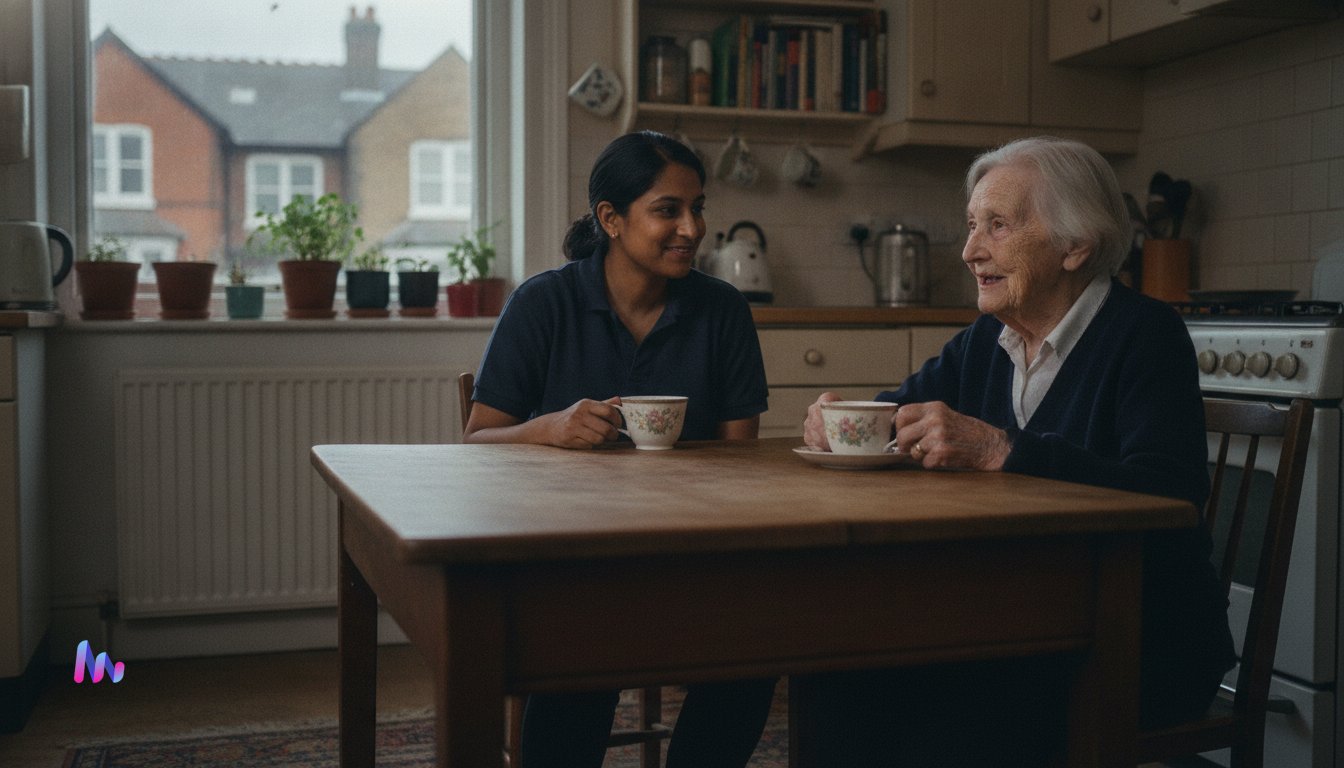
Imagine the quiet relief of knowing your mother isn't just safe, but truly happy, as she shares a cup of tea and a story with someone who has become a genuine friend. For many families in Highgate and beyond, the constant worry about a loved one falling whilst alone or the nagging guilt of not visiting enough can feel overwhelming. You want them to stay in their own home, yet the confusion of CQC regulations and clinical jargon makes the path forward seem daunting. Finding the right care and companion support shouldn't feel like a burden. It's about building a partnership that prioritises emotional well-being alongside physical safety.
We understand that you're looking for more than just a service; you're looking for a trusted professional who feels like part of the family. This 2026 guide will help you discover how professional companionship can transform your loved one's quality of life while maintaining their precious independence. We'll simplify the latest CQC assessment frameworks, explain the practicalities of home help, and show you how to achieve total peace of mind as a primary carer. Our goal is to guide you through these choices at a pace that feels right for your family.
Table of Contents
Understanding Care and Companion Support: A Holistic Approach
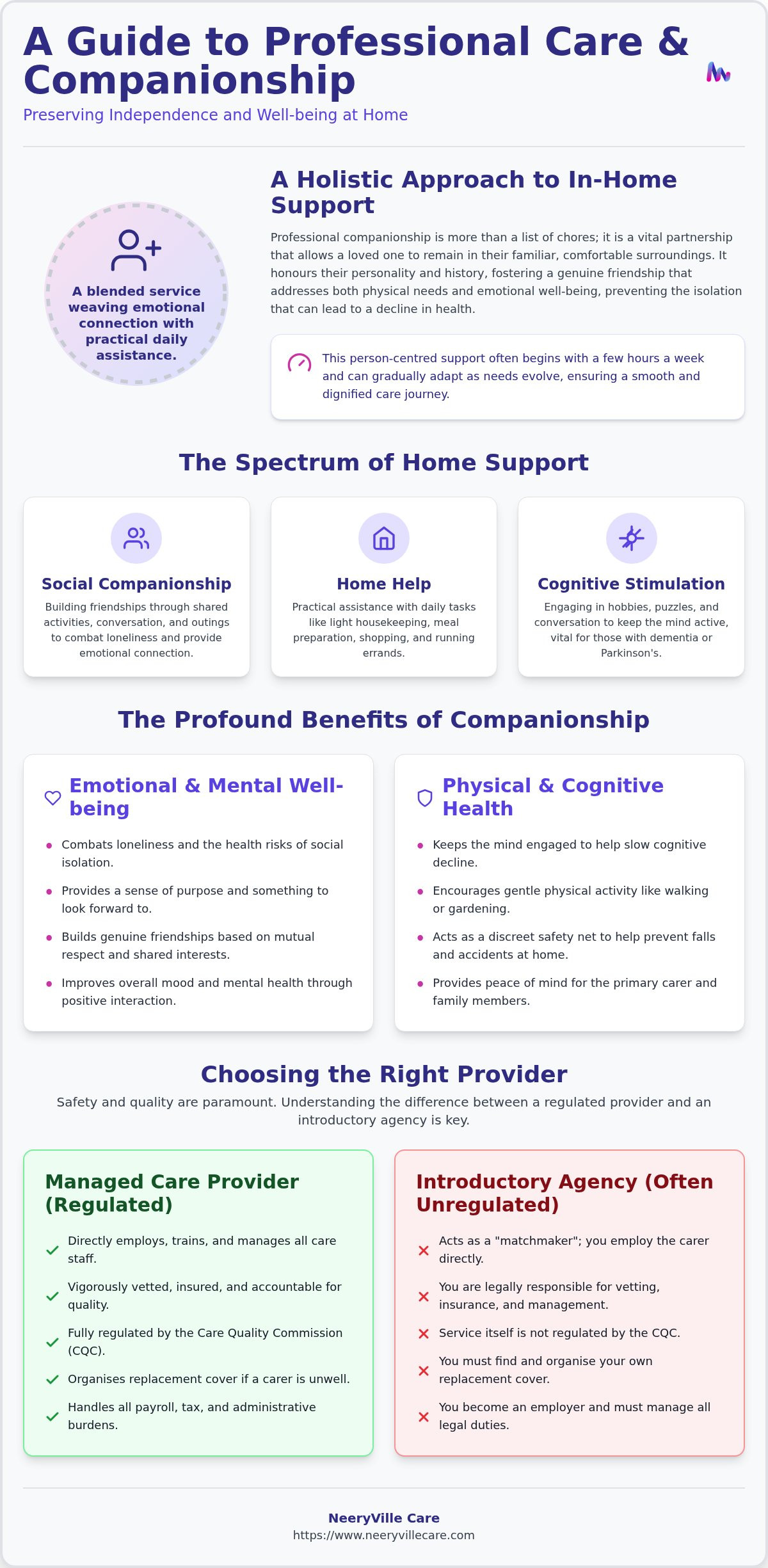
Care and companion support is more than just a scheduled visit or a list of completed chores. It's a blended service that weaves emotional connection with practical daily assistance. For many families, it represents a vital lifeline that allows a loved one to remain in familiar surroundings while receiving the attention they deserve. This approach doesn't just address physical needs; it honours the person's history, personality, and sense of self.
Choosing this type of support is often the first step in a broader home care journey. It usually starts with a friendly face visiting for a few hours a week to help with the shopping or share a walk. Over time, as needs evolve, this relationship provides the foundation for more comprehensive help. It prevents the sudden crisis that often leads to unwanted residential moves, allowing for a gradual and comfortable transition. For families who find themselves needing to manage property contents during such a change, you can discover Clear This Ltd House Clearance Services to help simplify the process.
The Spectrum of Home Support
The range of assistance is broad and adaptable. It might begin with home help in Highgate, focusing on light housekeeping, meal preparation, or running errands. For those living with early-stage dementia or Parkinson's, a companion (caregiving) provides vital cognitive stimulation. They help maintain a sense of 'normalcy' by facilitating hobbies and social outings, acting as a discreet safety net that preserves dignity. This consistent presence is often the difference between a loved one feeling isolated and feeling truly seen and supported.
Why Professional Regulation Matters amongst Providers
Safety isn't an accident. It's the result of rigorous oversight and high standards. The Care Quality Commission (CQC) regulates these services in England to ensure high levels of behaviour, safety, and effectiveness. In 2026, the CQC implemented sector-specific frameworks to better respond to risks in home care, making it easier for families to identify quality providers. This regulation is a primary reason why a 'managed care' model is often superior to hiring through introductory agencies.
In a managed model, the provider directly employs and trains the staff. This means you don't have to worry about payroll, vetting, or finding a replacement if a carer is unwell. It offers stability and the peace of mind that comes from continuous professional training. When you choose a regulated companionship care provider, you're choosing a partner who is legally and ethically accountable for your loved one's well-being. It's about ensuring that the care and companion professional in your home is part of a wider, supportive system.
The Physical and Emotional Benefits of Professional Companionship
The true value of a professional care and companion relationship lies in its ability to nurture the spirit alongside the body. Loneliness isn't just an emotional state; it's a significant health risk that can impact blood pressure and accelerate cognitive decline. By introducing a regular visitor, we provide more than just a check-in. We offer a reason to get up in the morning and a friend to share the day with. This consistent presence acts as a buffer against the world, ensuring that your loved one feels connected and valued.
Combating Loneliness and Social Isolation
Social isolation often creeps in quietly. It starts with fewer phone calls or the inability to drive to a local club. A dedicated companion restores that lost connection. They provide a sense of purpose and something to look forward to on a Tuesday afternoon. This isn't about 'supervision'. It's about building a genuine friendship that respects the individual's history. When a carer and client share a joke or a memory, the traditional dynamic shifts into a partnership of mutual respect. It's these small, human moments that make the biggest difference to mental health.
Maintaining Cognitive and Physical Health
Mental engagement is essential for slowing the progression of memory-related conditions. Whether it's a spirited game of cards, discussing the morning news, or revisiting a lifelong hobby, these interactions keep the mind active. This stimulation is a core part of our companionship care at home, ensuring that every visit adds value to the client's day and keeps their cognitive faculties sharp.
Physical well-being is equally prioritised. A companion can encourage better nutritional intake through shared meal preparation. It's much easier to eat well when you have company and encouragement. We often find that clients who previously 'skipped' meals start enjoying food again when there's someone to chat with whilst the kettle boils. Beyond the kitchen, we focus on gentle mobility. A short walk through Highgate Woods or a stroll around a local garden centre provides fresh air and vital exercise. During these outings, the companion provides subtle, non-intrusive monitoring. They act as a safety net, identifying potential trip hazards in the home and ensuring that mobility remains a joy rather than a worry. This proactive approach helps prevent falls before they happen, keeping your loved one safe in the environment they love most.
If you're noticing that a family member is becoming more withdrawn or you're worried about their safety when you're not there, it might be time to speak with a local expert about how a tailored support plan can help.
Distinguishing Between Companionship and Personal Care
Many families feel a sense of hesitation when trying to categorise the support their loved one needs. It's perfectly normal to feel this way. The line between needing a friend and needing a carer can often blur as the months go by. However, understanding the distinction is vital for creating a plan that respects independence while ensuring safety. A care and companion service is designed to be flexible, often starting with social interaction before naturally evolving as physical requirements change.
Companionship is primarily about social and domestic support. It includes things like going to the shops, managing household administration, or simply enjoying a shared hobby. Personal care, by contrast, involves help with intimate, daily tasks. This includes assistance with bathing, dressing, toileting, and continence care. While they sound distinct, a bespoke care plan often weaves them together, ensuring the person feels supported both physically and emotionally. This balanced care and companion approach ensures that safety never comes at the cost of personal dignity.
When is Companionship Enough?
In many cases, a loved one is still physically capable but finds the isolation of living alone a struggle. You might notice the post piling up or the fridge looking a little empty. These are signs that companionship care at home is the right choice. It provides the 'Home Help' needed to keep a household running smoothly without taking away the individual's autonomy. It's about having someone there to help with the fiddly bits of life, like booking appointments or organising the weekly shop, so your loved one can focus on enjoying their day.
Identifying the Need for Personal Care
There comes a 'tipping point' where safety and hygiene become a concern. You might notice a decline in personal grooming or a sudden lack of confidence when using the shower. This is when personal care becomes essential. It's not about a loss of independence; it's about providing the professional support needed to stay safe at home. For families managing dementia care at home, this transition is often a blend. A specialist carer provides the emotional anchor of companionship whilst discreetly managing the more complex physical needs that come with the condition.
Moving from social visits to personal care requires a delicate touch. It's a moment that demands the highest levels of dignity and privacy. We focus on the person, not the task. By building a strong relationship through companionship first, the introduction of personal care feels less like an intrusion and more like a natural extension of a trusted friendship. This transition is handled at a pace that feels comfortable for the individual, ensuring they always feel in control of their own domestic environment.
Organising Care and Companion Services in North London
Starting the search for a local provider often feels like a significant hurdle. Families in Highgate and Hampstead need more than just a rota of names; they need a service that understands the unique rhythm of North London life. Organising care and companion support is a methodical process designed to lift the weight from your shoulders. It begins by validating your current domestic challenges and moving toward a transition that feels natural and safe. We focus on building a stable foundation where the relationship is just as vital as the practical assistance provided.
The Local Assessment Process
We believe that a successful partnership starts with listening. Our assessment is never a tick-box exercise; it's a conversation about life. This patient and methodical approach ensures that every detail is captured before support begins.
Step 1: An initial conversation to explore your specific worries, whether it's a fear of falls or the impact of social isolation on a parent's mental health.
Step 2: A gentle home visit to assess the domestic environment for safety and craft a person-centred care plan that respects existing routines.
Step 3: Caregiver matching. We look beyond basic skills to find a companion whose temperament and favourite activities align with your loved one's personality.
Living Well in Highgate and Hampstead
Being a local expert means knowing that a walk through Highgate Woods or a quiet morning at a favourite coffee shop on the Hill can be the highlight of a week. Our companions understand the local geography and the importance of community connection. They can navigate appointments at local clinics or organise social outings to Highgate Cemetery with ease. This local knowledge ensures that visiting care Highgate is about active integration into the community, not just staying within four walls.
Understanding the financial side is equally important for long-term planning. Families typically choose between visiting care, which involves scheduled visits throughout the week, and 24/7 live-in options. While visiting care is excellent for maintaining a household and preventing loneliness, live-in care provides a constant, reassuring presence for those with more complex needs. We guide you through these cost structures to find a solution that provides maximum safety while remaining sustainable for your family's needs. Our goal is to act as a primary burden-lifter, offering a simple solution to a complex emotional problem.
The NeeryVille Care Promise: Compassion Meets Professionalism
Choosing a provider for your family is an act of profound trust. At NeeryVille Care, our promise is built on the belief that safety and clinical excellence must always be balanced with domestic warmth. We're a CQC-regulated provider. This means our standards are rigorously inspected and verified to ensure the highest levels of safety and effectiveness. Beyond the regulations, we follow the 'NeeryVille Way'. This philosophy ensures we always prioritise the person over the process. We don't just see a set of care needs; we see a life rich with history and preference. Our care and companion support is designed to protect that life, ensuring your loved one feels empowered and respected in their own home.
Specialist Support for Complex Needs
For families managing more complex health challenges, companionship becomes a vital part of the clinical recovery process. We provide specialist Parkinson's care at home and post-stroke care at home that integrates emotional encouragement with practical help. Recovery is often a long and emotional road. Having a companion who understands the nuances of medication management and can support physical therapy exercises makes that journey less daunting. We focus on managing the practicalities whilst providing the quiet confidence a person needs to keep moving forward. It's about ensuring that a diagnosis doesn't mean the end of a person's social world.
Transitioning to Live-in Care
There are moments when a few hours of visiting care are no longer enough to ensure total safety. As conditions progress or mobility becomes more limited, the need for a constant, reassuring presence becomes clear. Transitioning to live-in care in Highgate is a natural evolution of our care and companion services. We organise this transition with meticulous care to ensure there's no disruption to the daily rhythm your loved one relies on. By keeping the same focus on personality matching and person-centred support, we ensure that domestic stability is maintained, even as the level of care increases. It's our way of ensuring that 'home' remains the safest and happiest place to be, regardless of how needs change over time.
We're here to lift the burden of caregiving from your shoulders. Our team acts as a steady guide, moving at a pace that feels right for your family. Whether you need a few hours of help a week or a dedicated professional living in the home, we provide a simple solution to a complex emotional problem. Your peace of mind is our priority, and your loved one's dignity is our promise.
Reclaiming Peace of Mind for Your Family
Finding the right support is about more than just filling hours; it's about restoring a sense of joy and security to your loved one's daily life. We've explored how a tailored care and companion plan can bridge the gap between independence and safety, ensuring that domestic routines remain undisturbed while emotional well-being is prioritised. Whether you're navigating the early stages of dementia or simply want to ensure a parent isn't lonely, the right professional partnership changes everything.
As a CQC-regulated provider and local Highgate experts, we specialise in dementia and Parkinson's care that feels like family. We understand the unique geography of North London and the importance of community connection. Our team is here to guide you through every step of this transition at a pace that feels comfortable for you. You don't have to carry the worry of a loved one's safety alone.
Let's work together to ensure your loved one continues to live well and with dignity in the home they love.
Frequently Asked Questions
What is the difference between a companion and a carer?
A companion primarily focuses on social interaction and domestic assistance, whereas a carer typically provides personal care such as bathing or dressing. In a professional care and companion service, these roles often overlap to provide a holistic support system. Companions handle errands, hobbies, and conversation; carers are trained for more intimate physical tasks. Both aim to maintain independence and dignity at home.
Is care and companion support regulated by the CQC?
Yes, home care services in England that provide personal care must be regulated by the Care Quality Commission (CQC). As a regulated provider, we undergo rigorous inspections to ensure our behaviour, safety, and effectiveness meet national standards. This oversight gives families peace of mind that their loved ones are in professional hands. You can check a provider's current rating on the official CQC website.
Can a companion help with medication management?
A professional companion can provide vital medication support, ranging from simple reminders to assisting with opening packaging. Our staff are trained to follow strict safety protocols and record-keeping requirements. This ensures that your loved one takes the right dose at the right time. If needs become more complex, we can integrate this into a wider care plan that includes clinical oversight and coordination with GPs.
How much does companionship care cost in London?
The cost of companionship care in London varies depending on the frequency of visits and the specific level of support required. We recommend a personalised assessment to determine the most sustainable plan for your family. Factors like whether you require hourly visiting care or a full-time live-in professional will influence the final cost. We always provide transparent, detailed breakdowns during our initial consultation process.
What happens if my loved one's needs increase over time?
Our care and companion services are designed to be flexible and evolve alongside your loved one's requirements. We regularly review care plans to ensure the level of support remains appropriate. If a parent's health declines, we can seamlessly transition from hourly companionship to more intensive personal care or full-time live-in support. This ensures continuity of care with a familiar face, reducing the stress of changing providers.
How do you match a companion with my elderly parent?
We match companions with clients based on a combination of professional skills, personality, and shared interests. During our local assessment in Highgate, we learn about your parent's temperament, favourite hobbies, and life history. Whether they enjoy discussing the morning news or taking walks in the park, we find a professional who feels like a natural fit. This person-centred approach helps build a genuine, lasting friendship.
Can a companion take my parent to GP appointments or the shops?
Yes, a companion can provide practical assistance with transport and accompaniment to various outings. This includes driving or escorting your parent to GP appointments, local shops, or social clubs. Having a trusted professional by their side ensures they can navigate North London safely and confidently. It also provides an extra set of ears during medical consultations, helping to relay important information back to the family.
Is overnight care available if my parent is confused at night?
Overnight care is available for families who worry about a loved one becoming confused or anxious during the night. A professional can provide either 'sleeping night' support, where they are on hand if needed, or 'waking night' care for those requiring constant monitoring. This service is particularly helpful for individuals living with dementia who may experience disrupted sleep patterns, ensuring they remain safe and reassured until morning.


