

Private Home Care for Dementia UK: A Comprehensive Resource for Families
- Daniel Johnson

- Jun 8
- 12 min read
Updated: Jun 19
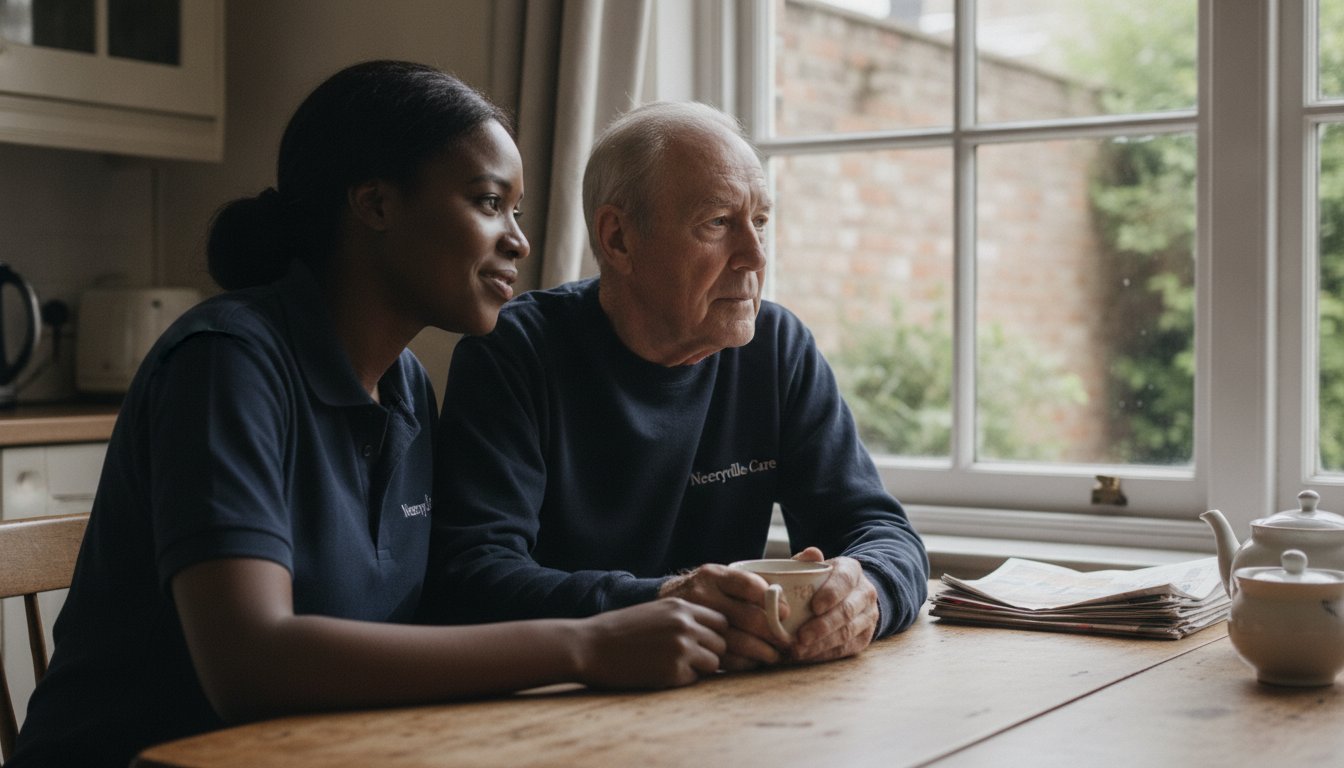
You find yourself sitting in a quiet kitchen at midnight, wondering if the front door is locked or if your father is resting safely in his own bed. It is a heavy, silent burden that many families across the country carry every single night. We recognise that the thought of seeking external help often comes with a painful sense of guilt, yet the physical and emotional toll of caregiver burnout is very real. You want your loved one to remain in the home they love, surrounded by their own memories and familiar comforts, but the constant worry is becoming impossible to manage alone.
Finding the right private home care for dementia UK can transform this overwhelming cycle into a sustainable, dignified partnership. This resource provides the clarity you need to find specialist support that ensures safety and expert monitoring whilst preserving your loved one's independence. We will guide you through understanding CQC ratings, choosing between care types, and building a personalised care plan that respects your family's unique history and preferences. You don't have to carry this weight by yourself; peace of mind is closer than you think.
Key Takeaways
Understand the benefits of bespoke private home care for dementia UK, which prioritises consistency through the same familiar face and a care model tailored to your loved one’s specific history.
Learn why maintaining familiar surroundings and routines is vital for memory preservation and how professional carers use gentle de-escalation techniques to manage challenging behaviours.
Discover the clinical and emotional advantages of a 1:1 care ratio, helping your family avoid the significant distress and trauma often associated with relocating to a residential home.
Gain practical guidance on identifying your specific needs, whether that is hourly visiting care or 24/7 live-in support, and the essential questions to ask potential providers.
Explore how a person-centred approach to dementia care at home ensures that emotional well-being and personal dignity remain at the heart of every daily interaction.
Table of Contents
Why Choose Private Home Care for Dementia in the UK?
The decision to bring support into your home is rarely made lightly. Often, it follows weeks or months of mounting pressure. Whilst local authorities provide a vital safety net, many families find that council-funded support involves long waiting lists and a rotating door of different carers. This lack of consistency can be deeply distressing for someone living with memory loss. Choosing private home care for dementia UK allows you to bypass these delays. It offers a bespoke model where the schedule fits your life, not the other way around. Private agencies can often implement a care plan within days, providing an immediate relief that state-funded routes simply cannot match.
The Benefit of Continuity in Dementia Support
For a person with dementia, the world can become a confusing and unpredictable place. Seeing a familiar face every morning provides an anchor of stability. This continuity is essential for managing "sundowning" symptoms, where agitation increases as the sun sets. When a carer knows a client’s history, their favourite tea, or the music that calms them, they can intervene before distress escalates. Dementia caregiving is as much about emotional connection as it is about physical assistance. Private providers prioritise matching carers based on personality and shared interests. This ensures that the relationship becomes a genuine partnership rather than a series of clinical tasks. By avoiding rotating shifts, your loved one builds a bond with someone they truly trust.
CQC Regulation: The Gold Standard for Safety
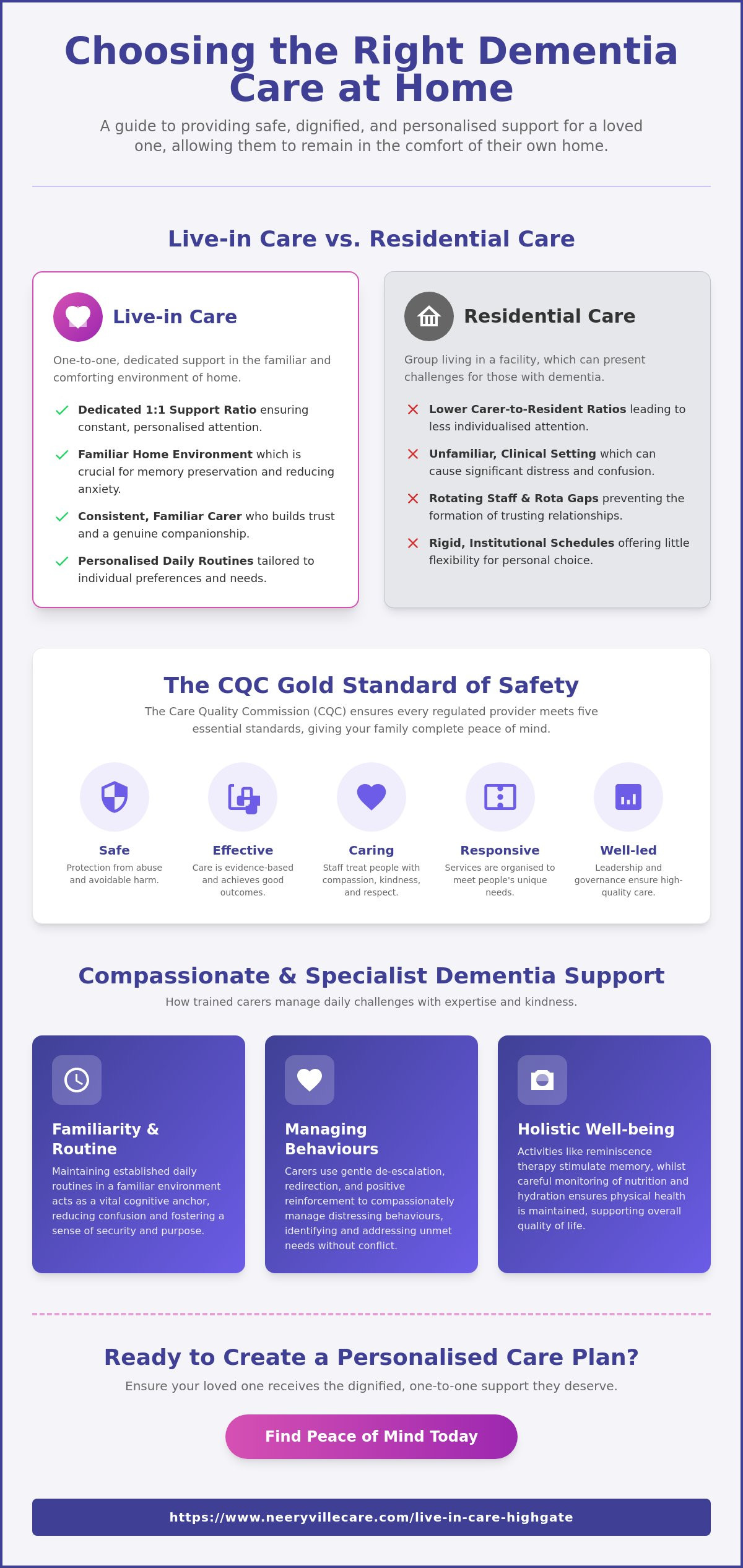
Trust is the foundation of any care arrangement. In England, the Care Quality Commission (CQC) ensures that this trust is well-placed. A CQC-regulated agency must prove they meet five essential pillars. They must be safe, effective, caring, responsive, and well-led. These aren't just labels; they are rigorous standards that protect your loved one from harm. Inspectors look at everything from medication management to how the agency listens to family feedback. You can easily check an agency’s latest inspection report on the CQC website to see how they perform in these key areas. This regulatory oversight provides a layer of professional accountability that gives families peace of mind. Whether you are looking for visiting care in Highgate or a more comprehensive live-in care arrangement, ensuring the provider is regulated is the first step toward safety. It guarantees that the support provided isn't just kind, but clinically sound and professionally managed.
Specialist Dementia Support: Maintaining Familiarity and Routine
Home is more than just a building; it is a complex sensory map of a person’s life. For someone living with memory loss, the specific scent of a garden or the exact shade of a favourite armchair acts as a vital cognitive anchor. Choosing specialist private home care for dementia UK means your loved one stays anchored in this familiar environment whilst receiving expert support. Professional carers integrate reminiscence therapy into the daily schedule, using old photographs or familiar music to help clients reconnect with their history. This approach encourages independence in small, meaningful ways, such as assisting with light meal preparation or choosing an outfit, which fosters a sense of purpose. Nutrition and hydration also require careful monitoring, as dementia can often lead to a loss of interest in food. Carers ensure meals are both appealing and nutritious, tailored specifically to the individual’s tastes. By managing challenging behaviours with de-escalation techniques, we create a calm atmosphere where the individual feels safe and understood. If you are feeling overwhelmed by these daily challenges, you can always reach out to our team for a supportive conversation about your options.
Managing Distressing Behaviours with Compassion
Agitation often stems from an unmet need or sensory overload that a client cannot articulate. Carers use positive reinforcement and redirection to manage these moments without escalating distress. Person-centred care prioritises the unique identity, history, and preferences of the individual over their clinical diagnosis. For families interested in exploring advanced cognitive therapies used internationally, you can discover Neurobics to learn how neurofeedback therapy is used to support brain functions. Effective medication management also plays a crucial role in maintaining a stable mood and healthy sleep patterns, ensuring your loved one feels rested and secure throughout the day and night.
Routine as a Tool for Cognitive Stability
A structured daily rhythm is a powerful non-pharmacological tool in dementia support. Reliable morning and evening routines reduce the decision fatigue that often leads to anxiety. This stability is supported by guidance in Dementia: applying All Our Health, which highlights how environmental adaptations can improve quality of life. For a deeper look at how these needs evolve, our Alzheimer’s to dementia guide offers detailed insight into navigating the care journey whilst keeping the home environment dementia-friendly.
Live-in Care vs Residential Care: Making the Right Choice
Choosing the right path for a family member often feels like standing at a difficult crossroads. Residential facilities provide a structured environment, but for those with advanced cognitive impairment, moving to an unfamiliar building can trigger significant distress. This relocation trauma often leads to increased confusion and a rapid decline in emotional well-being. By opting for private home care for dementia UK, you ensure that your loved one remains in the space they know best. They keep their own bed, their own garden, and their own daily rhythms. This stability is an invaluable clinical and emotional anchor, a philosophy championed by dedicated providers like Modern Vintage Home Care who focus on maintaining the familiar comforts of home.
Ensuring that this environment remains as comfortable as possible is key; for families looking to enhance rest and relaxation, Hello Beds provides a range of luxury mattresses and high-quality beds designed to support better sleep quality.
The 1:1 Care Advantage
In a residential setting, staff often manage a 1:many ratio. This means attention is divided between several residents at once, and care is often dictated by the facility's schedule rather than the individual's needs. Conversely, home-based support provides a dedicated 1:1 ratio. This individual focus leads to measurable health benefits, including fewer falls and better medication adherence. Finding help and support at home allows for constant, expert monitoring that adapts to the client. This bespoke model of support is mirrored by specialists like Providential Fijian Home Care, who provide comprehensive non-medical assistance to ensure safety and comfort at home. If they wish to have breakfast at 10 am or take a walk in the garden at sunset, that choice is respected. Families also benefit from a direct, transparent line of communication with one specific caregiver who knows the client’s preferences intimately.
Staying Together: Live-in Care for Couples
One of the most heart-breaking aspects of residential care is the potential separation of couples. Frequently, if one partner has higher care needs, they are moved to a facility whilst the other remains at home. Live-in support removes this painful barrier. It allows partners to remain in their family home together, preserving a lifetime of shared history and comfort. From a practical perspective, this model is often the most cost-effective choice for families. For couples where both individuals require support, the cost of one live-in carer is typically more affordable than paying for two separate placements in a residential home. For those searching for live-in care in Highgate, this solution provides a way to maintain local social ties and community connections whilst receiving the expert assistance they need to live well together.
Selecting a Private Care Provider: A Guide for Families
The choice of a care provider is one of the most profound decisions a family will make. It's about more than just finding help; it's about finding a partner who understands the nuances of memory loss. When exploring private home care for dementia UK, the first step is identifying the intensity of support required. Visiting care, such as visiting care in Highgate, is often ideal for those in the earlier stages who need help with specific tasks or companionship. However, as the condition progresses, 24/7 live-in care provides the continuous safety net necessary to prevent wandering and manage evening distress.
Key Questions for Potential Agencies
A high-quality agency should be transparent about their operations and the expertise of their staff. Don't be afraid to ask direct questions that focus on the stability of the care environment. You should consider asking:
What is your staff retention rate? High turnover is particularly disruptive for those with dementia who rely on familiar faces.
What specific dementia qualifications do your carers hold? Ask if they follow the 2026 updated Dementia Training Standards Framework.
How do you handle carer holidays or sudden illness to ensure my loved one isn't left with a stranger?
How often is the care plan reviewed and how do you monitor quality on a weekly basis?
Funding and Logistics of Private Care
The financial side of care can feel daunting, but there are non-means-tested benefits available to help. In the UK, Attendance Allowance is a key resource for seniors over state pension age who need help with personal care. For the 2026/27 financial year, the lower rate is £76.70 per week, whilst the higher rate is £114.60 per week. This benefit is awarded based on the level of care needed, regardless of your income or savings. For those exploring further funding solutions, I Need Cash can assist in finding various financial products such as personal or homeowner loans. To begin the process, most reputable agencies will offer a free care assessment. This is a methodical but warm evaluation of your loved one’s needs, preferences, and home safety within the context of private home care for dementia UK.
Once care begins, expect a transition period in the first 48 hours. This is a time for the carer and the family to find their rhythm, adjust the schedule, and ensure the care plan truly reflects the individual’s personality and history. Having a local presence is vital for this oversight; it allows for rapid response times and regular face-to-face check-ins. If you're ready to take this next step, you can book a free assessment with our team to discuss a tailored plan for your family.
Bespoke Dementia Care with NeeryVille Care in Highgate
NeeryVille Care operates with a deep understanding of the North London community, providing a standard of private home care for dementia UK that prioritises the individual over the diagnosis. We believe that every person has a unique life story that deserves to be honoured. Our approach isn't about ticking boxes; it's about creating a safe, warm environment where your loved one can thrive. As a CQC-regulated provider, we maintain clinical excellence whilst ensuring that personal dignity remains our highest priority. We act as a steady guide, helping families navigate the complexities of memory loss with calm reliability and professional expertise.
Our Highgate Presence and Local Support
Our team is deeply rooted in the local area, from the leafy streets of Highgate to the quiet corners of Hampstead. This local knowledge means we aren't just a voice on the phone; we are a present, active part of your care circle. For those who require shorter bursts of assistance to maintain their independence, our visiting care Highgate service offers flexible support that adapts as needs change. Our local management team provides an essential layer of safety and oversight. They are always nearby to conduct regular check-ins and ensure that the high standards we promise are delivered every single day.
Reclaiming Your Relationship
Perhaps the most significant gift professional care offers is the chance to be a daughter, a son, or a spouse again. When you are no longer consumed by the physical demands of medication schedules and safety monitoring, you can focus on shared moments and quiet conversations. We understand the silent weight of caregiver burnout and the exhaustion it brings. By stepping in as your partner in private home care for dementia UK, we lift that primary burden from your shoulders. Our promise is one of stability, expertise, and unwavering compassion. We are here to guide you through this transition at a pace that feels right for your family, ensuring your loved one feels safe and cherished in the home they love.
This level of dedicated, person-centred support is essential for all forms of complex care; for example, Accessible Care provides similar specialised disability services that prioritise the individual’s comfort and independence.
Finding the Path Forward for Your Family
Navigating memory loss is a journey that no family should have to walk alone. You now understand how the right support preserves dignity and safety whilst allowing your loved one to remain in the home they cherish. By choosing private home care for dementia UK, you are opting for a model that prioritises a 1:1 relationship over the divided attention of a residential facility. This dedicated focus doesn't just manage symptoms; it protects the individual's sense of self through familiar routines, expert companionship, and potentially integrating supportive therapies like Neurobics to help regulate brain activity and improve focus.
We are here to provide that steady hand and clinical expertise. As a CQC-regulated provider, we offer specialist dementia-trained caregivers and person-centred care plans specifically tailored to Highgate families. Our goal is to lift the burden of caregiving so you can return to your role as a loving family member. Peace of mind is within reach, and the first step is a simple conversation about your needs. Book a free dementia care assessment with our Highgate team today. You have the strength to make this choice, and we have the expertise to support you every step of the way.
Frequently Asked Questions
Is private home care for dementia safer than a residential care home?
Home care is often considered safer because the 1:1 care ratio allows for constant, undivided attention that a residential facility cannot match. In a private home setting, a dedicated carer monitors for fall risks and changes in health immediately, whereas care home staff must divide their time amongst many residents. This individualised focus significantly reduces the risk of accidents and provides a much more responsive environment for those with complex needs.
Can a live-in carer manage advanced dementia and wandering behaviour?
Yes, specialist live-in carers are specifically trained to manage advanced symptoms, including wandering and evening agitation. They use proven redirection techniques and positive reinforcement to guide a client back to safety without causing further distress. By ensuring the home remains secure and providing a calming presence, they prevent the confusion that often leads to wandering in the first place—a person-centred approach also utilised by Providential Fijian Home Care to support families facing these challenges.
How much does private home care for dementia UK cost?
The cost of private home care for dementia UK depends on the level of support required and the specific stage of the condition. In 2026, the national average for visiting care is approximately £29 per hour, whilst live-in care typically ranges from £1,400 to £1,800 per week. For complex cases requiring waking night support, these rates may increase, making a personal care assessment essential for an accurate quote.
Will my loved one have the same carer every day?
Consistency is the cornerstone of our approach, and we prioritise keeping the same familiar face with your loved one as much as possible. We typically introduce a primary carer and a consistent relief carer who handles breaks or holidays. This ensures that a deep bond of trust is formed, which is vital for reducing the anxiety and "sundowning" symptoms often associated with memory loss.
How quickly can dementia care be arranged in Highgate?
We can often arrange a care plan and implement support within just a few days of your initial enquiry. Unlike state-funded routes that involve lengthy waiting lists and assessments, our local Highgate team responds rapidly to families in crisis. We conduct a thorough but efficient assessment to ensure the transition is smooth and safe for everyone involved.
What happens if our regular live-in carer goes on holiday?
The agency manages all logistics and handovers to ensure there is never a gap in your loved one’s support. We provide a fully briefed relief carer who is already familiar with the client’s routine, preferences, and medical needs. This seamless transition maintains the stability of the home environment and ensures that safety standards are never compromised during the regular carer’s absence.
Do private dementia carers have specialist medical training?
Our carers are specialists in dementia support and personal care, following the core skills set out in the 2026 Dementia Training Standards Framework. Whilst they are not clinical nurses and don't perform complex medical procedures, they are experts in medication management, nutrition, and de-escalation. They work closely with your GP and other health professionals to ensure a holistic approach to your loved one's well-being.
Can I get financial help for private home care for dementia UK?
You can access several forms of financial support for private home care for dementia UK, including Attendance Allowance and NHS Continuing Healthcare (CHC). For the 2026/27 financial year, Attendance Allowance provides up to £114.60 per week for those with high care needs. Additionally, approximately 15 to 20 per cent of home care clients qualify for full NHS funding through the CHC pathway if their primary need is health-related.


