

Post-Operative Care at Home: 2026 Recovery Guide

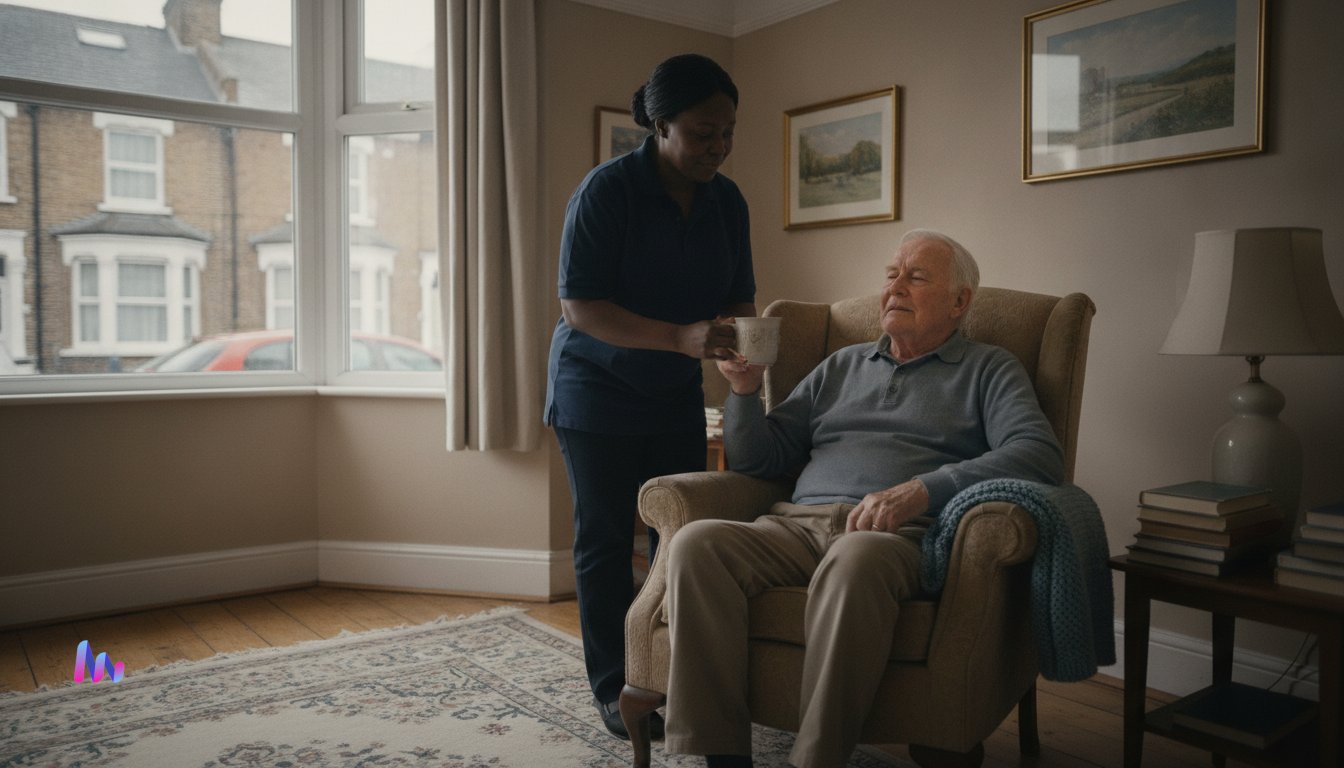
Standing at the hospital exit, clutching a discharge folder and a bag of medication, the quiet drive home often feels more daunting than the surgery itself. You want nothing more than to see your loved one resting safely in their favourite chair; yet, the weight of managing complex medication schedules and the constant worry about physical strain can feel overwhelming. It's a deeply personal time when the silence of a house feels louder than the bustle of a ward. We understand that the transition to post operative care at home is where the real healing begins, but it's also where you need the most stability.
This 2026 recovery guide shows you how to manage a safe, comfortable, and effective recovery, providing the tailored support your family deserves. You'll discover how to create a "Home-Ready" environment that prioritises both medical safety and emotional well-being. We'll walk through the critical first 48 hours, the benefits of CQC-regulated assistance, and the practical steps needed to help your relative return to independent living with total peace of mind. Recovery is a partnership between clinical safety and domestic comfort, and we're here to ensure that journey feels steady and secure.
Table of Contents
What is Post-Operative Care at Home?
Post-operative care at home is far more than a period of rest; it's a specialised, structured support system designed to ensure a patient’s safe transition from a hospital ward to their own front door. This phase, often called the What is Post-Operative Care?, involves a tailored approach to rehabilitation that prioritises physical safety and emotional comfort. It's about bridging the gap between the high-intensity medical environment of a hospital and the quiet, familiar routines of domestic life. By bringing professional expertise into the home, the recovery process becomes a partnership focused on returning to independence.
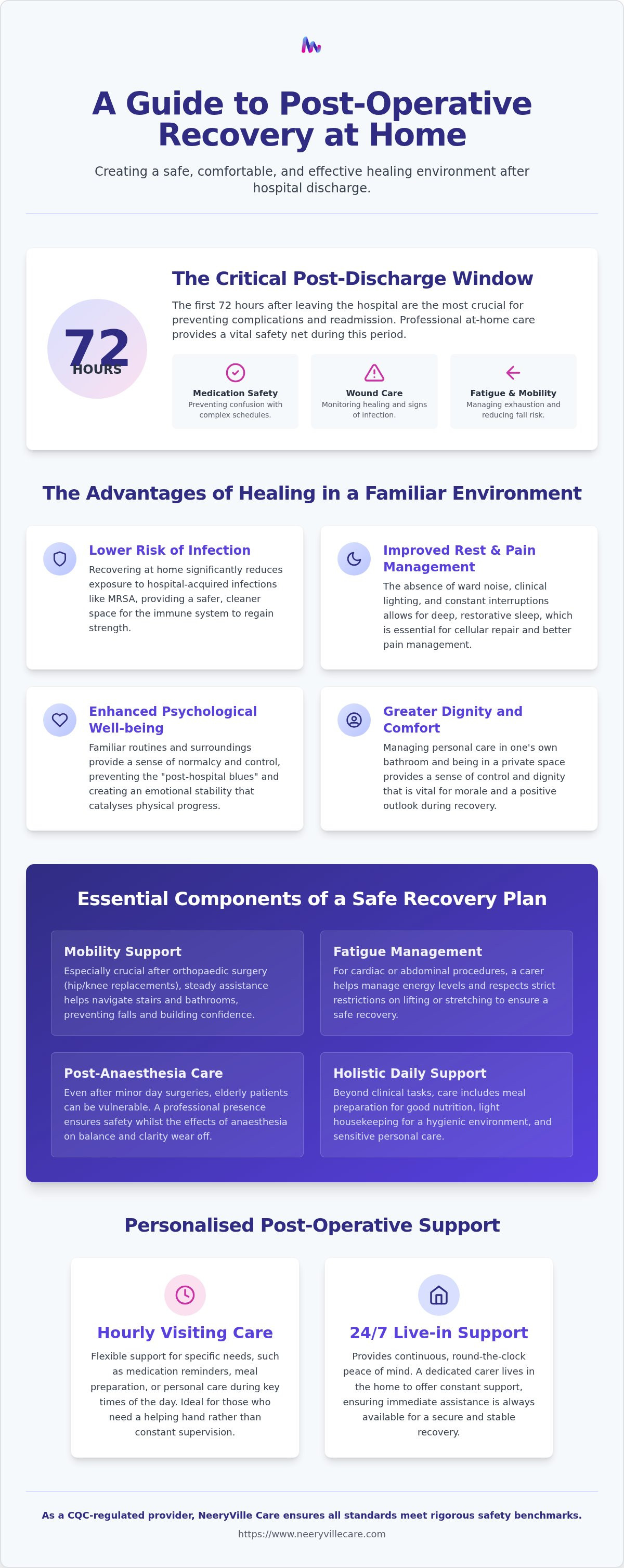
The first 72 hours after discharge are the most critical for preventing hospital readmission. During this window, the risk of complications is at its highest, often due to medication confusion, wound issues, or simple exhaustion. A professional caregiver acts as a steady guide during these hours. They translate complex discharge papers into a manageable daily routine. They ensure that the surgeon’s instructions are followed to the letter whilst the family finds their feet. This presence provides a vital safety net, catching small concerns before they become emergencies.
The Difference Between Clinical and Domiciliary Support
It helps to understand the distinct roles involved in a successful recovery. While a district nurse might visit for specific tasks like dressing a wound, post operative care at home focuses on the holistic, day-to-day essentials that accelerate healing. This includes meal preparation to support nutrition, light housekeeping to maintain a hygienic environment, and sensitive personal care. As a CQC-regulated provider, NeeryVille Care ensures these standards meet rigorous safety benchmarks. This gives families the assurance that every aspect of care is monitored, professional, and reliable.
Common Procedures Requiring Home Support
Different surgeries bring unique challenges that require a tailored response. For those recovering from orthopaedic surgery, such as hip or knee replacements, mobility support is the primary focus. Navigating a staircase or a bathroom can feel like a monumental task without a confident pair of hands to assist. Similarly, patients recovering from cardiac or abdominal procedures often face significant fatigue and strict restrictions on lifting or stretching. Even minor "day surgeries" can leave elderly patients vulnerable; the lingering effects of anaesthesia often impact balance and cognitive clarity, making the presence of a calm professional essential for those first few nights back in their own bed.
The Benefits of Recovering in a Familiar Environment
Recovery isn't just a clinical process; it's a deeply personal journey. While hospitals provide essential life-saving interventions, the home environment offers a unique sanctuary for the body to knit back together. One of the most significant advantages of choosing post operative care at home is the drastic reduction in exposure to hospital-acquired infections. In a private residence, you aren't sharing communal spaces with dozens of other patients. This significantly lowers the risk of encountering antibiotic-resistant bacteria like MRSA. It's a safer, cleaner environment for a vulnerable immune system to regain its strength.
There is also the profound impact of psychological comfort. Patients often report lower pain levels and better sleep quality when they're in their own beds. The absence of ward noise, clinical lighting, and constant interruptions allows for the deep, restorative rest that is essential for cellular repair. Dignity remains intact too. Being able to manage personal care in one's own bathroom, rather than behind a hospital curtain, provides a sense of control that is vital for morale.
Psychological Well-being and Healing
Healing is as much about the mind as it is the body. The "post-hospital blues" are a real phenomenon, often driven by the sudden isolation and loss of routine after discharge. Having a professional companion ensures that the patient remains engaged and motivated. Familiar routines, like enjoying a favourite tea or sitting in a sun-drenched corner of the living room, provide a sense of normalcy that clinical settings simply cannot replicate. This emotional stability acts as a catalyst for physical progress, helping to prevent the low mood that can sometimes stall rehabilitation.
Personalised Attention vs. Ward Care
In a busy hospital ward, staff must divide their attention amongst many. At home, the focus is entirely on the individual. This one-to-one support means that subtle changes in symptoms or wound health are spotted immediately. It allows for a highly consistent approach to post-surgery care at home, where prescribed exercise programmes are followed under direct, patient supervision. As the patient regains their independence, the level of support is flexible. You might start with 24/7 assistance and transition to visiting care as confidence grows. If you're currently planning a discharge and want to see how a bespoke plan could support your family, please get in touch with our local team.
Essential Components of a Safe Recovery Plan
A safe recovery doesn't happen by accident. It's built on a foundation of meticulous planning and constant, watchful support. When arranging post operative care at home, the goal is to create a seamless environment where healing is the only priority. This involves balancing strict clinical requirements with the practicalities of daily domestic life. A professional presence ensures that the recovery plan isn't just a document, but a lived reality that adapts to the patient's progress day by day.
Medication and Pain Management
Hospital discharge often comes with a complex array of tablets, injections, and rigorous schedules. Managing this alone whilst feeling groggy from surgery is a significant burden for any family. Professional caregivers provide vital stability here. They offer timely prompts and maintain clear, transparent records to ensure every dose is accounted for. It's essential to stay "ahead of the pain". If pain becomes too severe, mobility naturally drops. This lack of movement increases the risk of complications such as chest infections or blood clots. We ensure that medication is taken exactly as prescribed, allowing for the gentle movement that facilitates a steadier return to health.
Hygiene and Wound Care Support
Maintaining a sterile environment is paramount for preventing infection. Caregivers help by keeping the recovery area clean and ensuring surgical dressings remain dry during personal care. Assisting with a sensitive wash or a careful shower requires both technical skill and emotional empathy. Beyond the clinical safety of a clean wound, there's a profound psychological benefit to feeling fresh. Help with dressing and personal grooming isn't just about hygiene; it's about restoring a sense of self-esteem. It helps a patient feel like themselves again during a time when they may feel particularly vulnerable.
Nutrition for Tissue Repair
The body's demand for nutrients skyrockets during the healing process. High-protein diets are essential for tissue repair, yet appetite often wanes significantly after anaesthesia. Preparing light, nutritious meals that are easy to digest is a core part of our home help and meal preparation services. We focus on small, frequent portions and ensure consistent fluid intake to prevent dehydration and other post-operative complications. A professional presence also means having an expert eye for "red flags". We monitor for signs of infection, such as unusual redness or fever, and watch for symptoms of deep vein thrombosis. Recognising these signals early provides the ultimate peace of mind for the entire family.
Preparing for Hospital Discharge in North London
Navigating the discharge process at a major North London hospital like the Royal Free or the Whittington can feel like a whirlwind. One moment you're in a clinical ward, and the next, you're expected to manage a complex recovery at home. Preparation is the antidote to this stress. For families in Highgate or Hampstead, successful post operative care at home begins well before the patient leaves the hospital. It involves a coordinated effort between the hospital's discharge team, your local GP, and your chosen care providers.
Organising transport is the first practical hurdle. A standard taxi is rarely suitable after major surgery; you need a vehicle that allows for easy access and enough space for legs to remain elevated if necessary. Simultaneously, your North London GP needs to be looped into the plan. Ensuring they've received the electronic discharge summary is vital for the seamless continuation of prescriptions and any necessary follow-up blood tests or district nurse referrals. Equipment needs should also be addressed early. Whether it's a raised toilet seat, a perching stool for the kitchen, or a specialised hospital bed, these items often have lead times for delivery. Coordinating these logistics ensures the home is ready before the patient arrives, creating a sense of calm and order from the very first hour.
The Discharge Meeting: Questions to Ask
The discharge coordinator is your primary source of truth. Don't be afraid to ask for clarity on weight-bearing restrictions or specific activity limits. It's also essential to understand the "red flags" unique to the specific procedure. Will there be bruising? What level of swelling is normal? Ensure that the discharge summary is shared directly with your visiting care team in Highgate. This ensures everyone is working from the same clinical instructions from day one. Knowing exactly who to call if a concern arises at 2am provides an invaluable layer of security.
Environmental Adjustments at Home
Preparing the home environment is a proactive way to reduce anxiety. In the period before discharge, focus on clearing trip hazards. North London homes, particularly period properties in Hampstead, often have uneven floors or trailing cables that pose a significant fall risk. We recommend setting up a "recovery station" on the ground floor. This avoids the need for stairs during the initial days and keeps everything from water to phone chargers within easy reach. Adequate lighting is equally important. Installing motion-sensor lights for nighttime trips to the bathroom can prevent a minor slip from becoming a major setback. If your home requires more intensive support, live-in care in Highgate provides a constant presence to manage these environmental risks 24 hours a day.
Personalised Post-Operative Support with NeeryVille Care
Choosing the right partner for recovery is a decision rooted in trust and clinical safety. At NeeryVille Care, we don't believe in one-size-fits-all solutions. Instead, we create bespoke recovery plans that are meticulously tailored to your surgeon's specific instructions. This clinical alignment ensures that your post operative care at home is as safe as it is comfortable. As a CQC-regulated provider, our standards are anchored in professional compliance, yet delivered with a warmth that prioritises the individual over the process. We aim to lift the burden from your shoulders, offering a sense of partnership that transforms a stressful transition into a steady, reliable path toward health.
Visiting Care for Gradual Recovery
For many, recovery is a gradual process of reclaiming independence. You might have family members nearby to help with the shopping, but require professional support for more sensitive tasks. Our flexible hourly visits are designed to bridge this gap perfectly. We can assist with morning routines, ensuring you're safely washed and dressed, or visit in the evening to prepare a nutritious meal. This level of support is ideal for minor procedures where mobility is temporarily limited but constant supervision isn't required. If you're based locally, our visiting care in Highgate provides the perfect balance of professional safety and domestic freedom.
Nationwide Live-in Care for Complex Needs
Major surgeries, such as cardiac procedures or spinal operations, often require a more intensive level of support. In these instances, the security of a round-the-clock presence is invaluable for both the patient and their family. Our live-in care services in England offer a dedicated caregiver who resides in your home, providing immediate assistance at any hour of the day or night. This constant presence is particularly reassuring during the first week post-discharge when anxieties about complications are highest. It allows for continuous monitoring and instant responsiveness, ensuring that help is always at hand without the clinical feel of a residential facility.
Why Families in North London Trust Us
Our deep roots in communities like Crouch End, Camden, and Kentish Town have built a reputation for what we call "calm reliability." We understand the specific domestic challenges of North London homes and the high expectations of our local families. Our caregivers are more than just assistants; they're steady guides who bring order to high-stress recovery situations. We prioritise emotional well-being alongside physical healing, ensuring that the patient feels dignified and supported throughout. If you're ready to arrange a tailored recovery plan, please contact us for a post-operative care assessment to see how we can help your family find peace of mind.
Taking the First Step Toward a Safe Recovery
The transition from a hospital ward to the comfort of your own home should be a moment of relief, not a source of anxiety. We've explored how a robust plan, combined with professional support, can significantly reduce the risk of complications during those critical first 72 hours. By prioritising clinical safety and emotional well-being, you're not just managing a recovery; you're ensuring a swifter return to the life you love.
NeeryVille Care stands as a steady guide for families across North London. As a CQC-regulated provider, our specialist caregivers bring expertise in orthopaedic and cardiac recovery directly to your door. We provide the calm reliability needed to manage complex medication and mobility needs, allowing you to focus entirely on healing. Choosing professional post operative care at home means choosing the security of a partnership that values your dignity and independence.
You don't have to face the challenges of recovery alone. We're here to walk this path with you, ensuring every step home feels safe, supported, and sure.
Frequently Asked Questions
How soon can post-operative care at home start after discharge?
Support can begin the moment the patient arrives home. We recommend coordinating with our team in Highgate or Hampstead at least 48 hours before the planned discharge from hospitals like the Royal Free. This allows us to review the surgeon's instructions and ensure a caregiver is present to help with the initial transition. Early implementation is key to managing the critical first window of recovery and preventing unnecessary hospital readmission.
Is home care after surgery covered by the NHS?
The NHS and local councils may provide free, short-term support known as intermediate care or reablement for up to six weeks following a hospital discharge. This service is not means-tested and aims to help you regain independence. However, once this period ends, a financial assessment determines eligibility for ongoing funding. Many families in North London choose private post operative care at home to ensure a seamless, high-quality continuation of support beyond this initial window.
Can a caregiver help with physiotherapy exercises at home?
While our caregivers don't perform clinical physiotherapy, they play a vital role in supervising and encouraging the exercise programme prescribed by your hospital team. They provide gentle prompts to ensure routines are followed consistently and safely, which is essential for orthopaedic recovery. Having a professional present in your Hampstead home helps maintain momentum and prevents the overexertion or incorrect movements that can sometimes lead to setbacks or painful falls during early rehabilitation.
What is the difference between reablement and post-operative care?
Reablement is a specific, short-term NHS service designed to help you relearn daily skills and regain independence after an illness or operation. In contrast, post-operative care is a broader, holistic support system that covers everything from medication management and wound care monitoring to household tasks and companionship. While reablement usually lasts for a maximum of six weeks, our private services can be adjusted in duration to suit your specific healing pace and surgeon's requirements.
Do I need a live-in carer or just hourly visits after a hip replacement?
The choice depends on your home environment and the level of assistance available from family. For the first week following a hip replacement, many patients in Highgate find the round-the-clock security of live-in care invaluable for managing nighttime bathroom trips and medication. As mobility improves, you might transition to flexible hourly visiting care. This helps with morning routines and meal preparation whilst allowing you to regain independence at a pace that feels right for you.
What happens if a complication arises whilst the carer is present?
Our caregivers are trained to monitor for "red flags" such as signs of infection, unusual swelling, or breathing difficulties. If a complication arises, they follow clear, established emergency protocols. This involves contacting your North London GP, NHS 111, or emergency services immediately whilst providing calm, reassuring support to the patient. We also ensure that your family and designated emergency contacts are informed straight away, providing a vital safety net during the recovery process.
How does NeeryVille Care coordinate with my surgeon or GP?
We work closely with your healthcare team by reviewing the electronic discharge summary and medication instructions provided by the hospital. Our managers in North London maintain open communication with your local GP surgery to ensure that follow-up prescriptions and appointments are managed correctly. This collaborative approach ensures that the care provided at home remains strictly aligned with your surgeon’s clinical expectations, creating a seamless bridge between the hospital ward and your domestic environment.
Can you provide post-operative care for elderly patients with dementia?
Yes, we specialise in providing dementia care at home for patients recovering from surgery. Post-operative recovery can be particularly disorienting for those with cognitive challenges, often leading to increased confusion or distress. Our caregivers use person-centred techniques to maintain a calm, familiar routine whilst ensuring that surgical instructions are followed safely. This specialised support helps to minimise the risk of falls and ensures that the patient feels secure and understood throughout their physical rehabilitation.


