

Medication Support at Home: The Essential Safety Checklist for Highgate Families
- Daniel Johnson

- Jun 6
- 12 min read
Updated: Jun 14
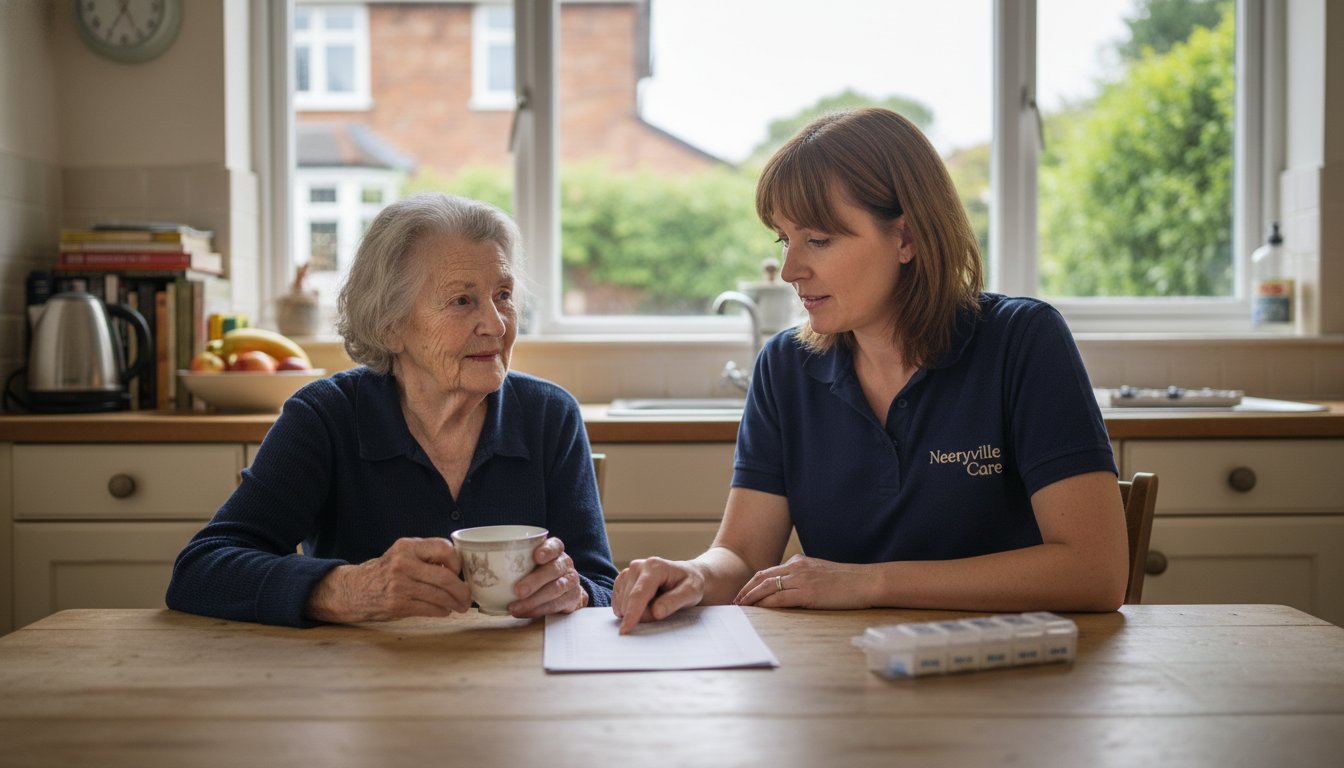
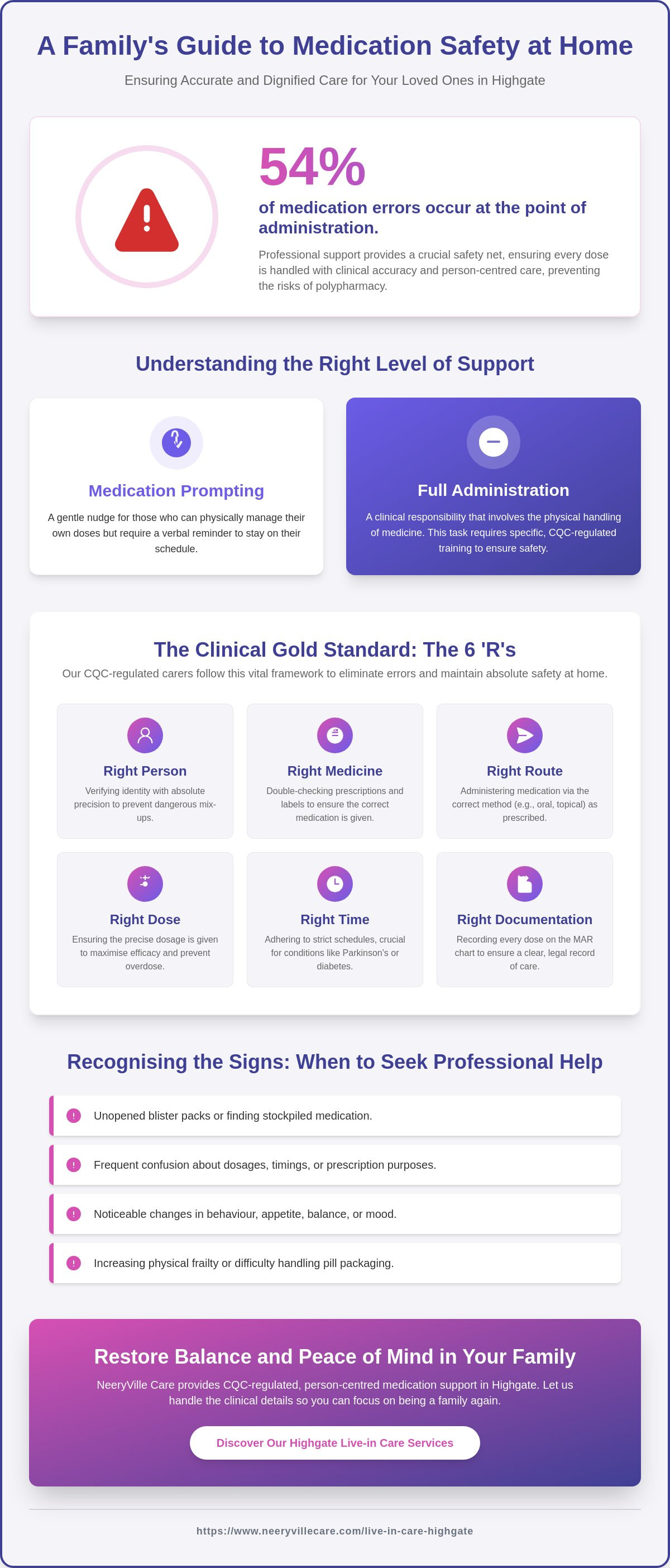
Did you know that 54% of all medication errors happen at the point of administration? For families in Highgate, this statistic is a sobering reminder of the risks involved in managing complex prescriptions without professional help. It is natural to feel a sense of dread when faced with a complicated pill organiser or the mounting stress of polypharmacy. Professional medication support provides a reliable solution, ensuring that every dose is handled with clinical accuracy and person-centred care.
We recognise the heavy burden of responsibility you carry and the deep desire to protect your loved one's independence at home. You deserve to feel confident that a clear system is in place to prevent mistakes and monitor vital health changes. This guide offers an essential safety checklist to help you navigate home care with ease; we will explore how professional monitoring reduces caregiver burnout whilst providing the peace of mind your family needs to thrive together.
Key Takeaways
Learn how to distinguish between medication prompting and full administration to ensure your loved one receives the appropriate level of care.
Discover how professional medication support utilises the "6 Rs" clinical framework to eliminate errors and maintain absolute safety at home.
Identify the subtle red flags, such as unopened blister packs or prescription confusion, that suggest it is time to seek expert assistance.
Follow a practical checklist to audit current prescriptions and organise a safe, well-lit environment for managing daily health routines.
Understand the value of CQC-regulated oversight in preserving a senior's dignity whilst significantly reducing caregiver burnout for the family.
Table of Contents
Understanding the Vital Role of Medication Support in Home Care
Caring for a parent or spouse is a delicate balancing act of love and duty. It often starts with a simple reminder. "Did you take your heart tablet, Mum?" Eventually, those casual questions can turn into a source of friction, anxiety, and genuine fear. Professional medication support is an act of partnership that restores the balance. It is not just about watching a clock; it is about watching the person. Our carers look for subtle changes in behaviour, appetite, or balance that might signal a side effect or a change in health. This level of oversight is a core component of Medication therapy management, which aims to optimise health outcomes whilst reducing the risk of adverse events.
By involving a professional, you remove the "policing" role from your family dynamic. You get to be a daughter or a son again, rather than a pharmacist. This transition is essential for preventing the dangers of polypharmacy, where multiple prescriptions might interact in unforeseen ways. Regular medication reviews ensure the regime remains effective and safe; for families seeking an even higher standard of clinical oversight, Concierge Medicine Europe offers specialised longevity and preventive medicine programmes. We don't just follow a list; we provide holistic monitoring that prioritises the individual's dignity and emotional well-being.
The Difference Between Prompting and Administration
Understanding the level of help required is the first step toward safety. Prompting is a gentle nudge. It's for those who can still physically manage their doses but need a verbal reminder to stay on track. Administration is a clinical responsibility. It involves the physical handling and giving of medicine, a task that requires specific, CQC-regulated training. Families should consider moving to full administration when a loved one shows signs of physical frailty, cognitive decline, or frequent confusion about their daily pills. This shift ensures every dose is recorded accurately on a Medication Administration Record (MAR) sheet.
Why Medication Management is Essential for Highgate Seniors
In Highgate, we work alongside local GPs and pharmacies to ensure every prescription is current and correctly dispensed. Staying at home amongst the familiar, leafy streets of North London is a priority for many families. Proper medication support makes this possible by preventing the hospital admissions that often follow a missed dose or an accidental double-dose. Whether through visiting care Highgate or more intensive support, our approach is always person-centred. We adapt to the individual’s established morning routine, ensuring they feel supported rather than managed. It's about maintaining a life of quality in the community they love.
The Clinical Gold Standard: The 6 "R"s of Safe Administration
Safety at home requires more than good intentions; it demands a rigorous, clinical framework. At NeeryVille Care, we utilise the 6 "R"s of safe administration to protect our clients. This isn't just a checklist for a hospital ward. It is a vital part of our medication support in the living room, the kitchen, and the bedroom. By ensuring the Right Person and Right Medicine, we verify identity and prescriptions with absolute precision. Errors often occur when labels are misread or names are similar. We eliminate that risk through double-checks and unwavering attention to detail.
The Right Route and Right Dose involve navigating complex instructions that can easily overwhelm a family carer. Some medications must be taken with food to prevent stomach irritation, whilst others require specific positioning to be swallowed safely. Following these Medication safety tips ensures that the medicine works exactly as the GP intended. Finally, the Right Time and Right Documentation provide the structure needed for long-term health. This disciplined approach is an essential part of professional medication support, where taking a dose even thirty minutes late can impact the management of conditions like Parkinson's or diabetes. For families seeking specialist support for neurodevelopmental health, you can learn more about ADHD Clinic and their CQC-approved assessment services.
The Importance of the MAR Chart at Home
A Medication Administration Record (MAR) chart is more than a piece of paper. It is a legal safeguard and a clear map of a person’s health. In a regulated care setting, recording every dose is mandatory. It prevents the terrifying possibility of double-dosing if one family member doesn't realise another has already helped. If a GP visits your home in Highgate, this chart provides a reliable history of what has been taken and when, allowing for more accurate medical decisions and safer adjustments to care plans.
Handling PRN (As Needed) and Controlled Drugs
Managing "as needed" (PRN) medication requires professional judgement. A carer must assess why the medicine is needed and ensure it isn't given too frequently. Controlled drugs, often prescribed for severe pain or complex neurological conditions, require even stricter oversight and secure storage. We manage these with discreet, professional protocols that ensure safety without making your home feel like a clinical facility. If you are feeling overwhelmed by a complex prescription list, speaking with a care expert can help clarify the next steps for your family.
Recognising the Signs: When is it Time for Professional Assistance?
It often starts with a small, quiet discovery. You might find a stray tablet resting on the kitchen rug or notice an unopened blister pack from last Tuesday tucked away in a drawer. These moments are more than just minor oversights. They are signals. For many families in Highgate, the realisation that a loved one needs medication support comes during a routine visit. Finding expired pills or noticing that a prescription hasn't been collected are clear red flags that the current system is no longer working. These physical signs often point to a deeper struggle with the complexity of modern healthcare.
Cognitive changes can make even a simple pill regime feel like an impossible puzzle. A senior might look at a familiar blue tablet and ask, "Is this for my heart or my water?" or forget they took a dose only ten minutes prior. Physical barriers also play a significant role. Arthritis can make child-proof caps impossible to twist, whilst changes in health might make swallowing large capsules difficult or frightening. Carrying this mental load alone often leads to significant caregiver burnout for family members. The constant worry-the "did they or didn't they" internal monologue-erodes your own well-being and can strain the relationship with the person you love.
The Risk of Medication Errors in Solo Caregiving
An estimated 237 million medication errors occur in England annually. In a home environment, the primary risk factor is often simple human exhaustion. When a family member is balancing work, their own household, and elderly care, mistakes are almost inevitable. Professional visiting care Highgate acts as a vital safety net. By having a trained eye monitor health changes and ensure accurate administration, you significantly reduce the risk of adverse drug events that lead to hospitalisation. It is a proactive step that protects the senior's health whilst restoring the family's peace of mind.
Balancing Independence with Safety
Accepting help doesn't mean losing freedom. In fact, professional medication support often enables a senior to remain independent for longer. We focus on supporting their choices whilst maintaining a safe environment. This might involve using monitored dosage systems, such as dossette boxes, or keeping medications in their original packaging if that is what the individual prefers and safely manages. Our carers provide the necessary oversight without creating a clinical or restrictive atmosphere. We are there to facilitate their routine, ensuring they stay in control of their life in the comfort of their own home.
This philosophy of empowering independence through tailored support is also central to the mission of providers like Elleson Care, who specialise in person-centred aged care and NDIS services.
The Ultimate Medication Safety Checklist for Families
Building a reliable safety net at home begins with a thorough audit of what is currently in the cupboard. Gather every bottle, box, and blister pack in one place. It is vital to include over-the-counter supplements, vitamins, and herbal remedies. These often seem harmless, yet they can interact with prescribed drugs in ways that impact their effectiveness. Create a master list that includes the drug name, the exact dosage, and the reason it was prescribed. This document becomes the single source of truth for your family and any visiting professionals providing medication support.
Next, evaluate the environment where medicines are kept. Is the storage area well-lit? Dim lighting is a frequent contributor to dosage errors. Ensure the area is clean, dry, and organised. Check every expiry date, as old packets can easily linger at the back of a cupboard. Some medicines, such as certain eye drops or insulin, must be stored in the fridge. Verify these instructions on the packaging. For families in North London, coordinating with local Highgate pharmacies for a regular delivery schedule can remove the stress of last-minute dashes to the chemist. Establishing a clear communication loop with the GP ensures that any changes to the regime are captured and acted upon instantly.
Storing Medications Safely at Home
Your home should remain a sanctuary, not a clinical facility. Store medications in a cool, dry place to maintain their stability. The bathroom cabinet is often the worst choice due to high humidity. If grandchildren frequently visit your Highgate home, ensure all medicines are kept out of reach or in a secure drawer, whilst remaining easily accessible for carers. For old or unused items, never throw them in the household bin. Take them to a local pharmacy for safe disposal to protect both your family and the wider community.
Preparing for a Care Assessment
When you decide to transition to professional help, a small amount of preparation ensures a smooth start. Have a list of known allergies and any previous adverse reactions ready for a NeeryVille Care manager. We also want to understand the small, personal details that make a routine feel natural. Does your loved one prefer their tablets with their morning tea? Do they find certain capsules difficult to swallow? These preferences are the foundation of our person-centred approach. If you are ready to create a safer, more structured environment for your loved one, book a home safety consultation with our team today.
Personalised Medication Management with NeeryVille Care in Highgate
Choosing a care partner is a significant decision rooted in trust and the need for stability. The medication support provided by NeeryVille Care is built upon the foundation of CQC-regulated standards and deeply personal connections. We understand that every household in Highgate has its own rhythm. Our role is to integrate seamlessly into that routine, providing a level of clinical oversight that feels natural and unobtrusive. By maintaining close relationships with local GP surgeries and pharmacies across North London, we ensure that the care provided at home is perfectly aligned with professional medical advice; this model of clinical accessibility is also championed by international providers like Vitals Healthcare, who offer 24/7 doctor-on-call services to ensure expert medical support is always available in a home setting.
For families managing complex health conditions or advanced age, our live-in care Highgate services offer the ultimate reassurance of 24/7 oversight. This constant presence allows for immediate response to changing needs, ensuring that medication is never missed or mismanaged. Every one of our caregivers undergoes rigorous training in administration and safety protocols. They are not merely following a schedule; they are dedicated professionals committed to upholding the dignity and health of those they serve within our community.
Our Dedicated Caregivers: More Than Just a Pill Reminder
A professional carer does much more than prompt a dose. They observe the "whole person" with a keen, trained eye. We monitor for subtle side effects, changes in appetite, or shifts in mood that might indicate a need for a medical review. Through our home help Highgate service, we also assist with meal preparation. This is a vital part of medication support, as many prescriptions require a full stomach to be absorbed safely and effectively. Our presence brings a sense of calm reliability and domestic warmth, transforming a clinical necessity into a supportive part of the day.
Starting Your Care Journey with NeeryVille Care
We know that the need for assistance often arises during moments of high stress or sudden crisis. The process at NeeryVille Care is designed to be simple, methodical, and responsive. It begins with a comprehensive initial assessment where we listen to your concerns and map out a bespoke care plan. We can implement support quickly when required, providing a steady guide through the transition. Your family’s peace of mind is our primary goal. Contact our Highgate team today to discuss your medication support needs and discover how we can help your loved one remain safe and independent at home.
Securing a Safer Future at Home
Ensuring your loved one’s safety doesn't have to be a solitary struggle. You now have the tools to audit your home environment and recognise the subtle signs that a more structured approach is needed. By implementing the 6 "R"s of administration and maintaining a clear safety checklist, you protect the independence of the person you care for whilst reclaiming your own peace of mind. Professional medication support is about more than just accuracy; it is about providing the emotional stability your family deserves. As you look toward comprehensive health management, don't overlook the importance of specialised services like dentistry; to explore restorative options for long-term oral health, you can discover Greenlane Dental Practice and their detailed guides as an example of high-quality patient care.
As a CQC-regulated provider, we bring a sense of calm reliability to every Highgate home. Our caregivers receive specialist training in managing polypharmacy and dementia care, ensuring that even the most complex regimes are handled with clinical precision and domestic warmth. With local management based right here in Highgate, we are always present to offer immediate support when it matters most. You don't have to carry this burden alone; organisations like Elleson Care also champion this person-centred approach to aged care and NDIS services, ensuring families have access to the high-quality support they deserve.
Speak with our Highgate care experts about medication support and take the first step toward a safer, more supported life at home. We are here to guide you at every stage.
Frequently Asked Questions
What is medication support in home care?
Professional medication support is a service that ensures individuals take their prescribed medicines safely and accurately within their own homes. This assistance ranges from simple verbal prompting for those who remain independent to full administration for those with physical or cognitive challenges. It also includes the vital task of monitoring for side effects and maintaining a clear, legal record of every dose taken.
Can a home caregiver administer injections or complex medication?
Carers are trained to assist with a wide variety of medicines, including tablets, liquids, and topical creams. However, they do not perform clinical nursing procedures such as administering injections or managing complex medical equipment. If your loved one requires these specific clinical interventions, it is best to consult with your local district nursing team or a specialist healthcare provider; you may also explore Private GP Consultation (15 Minutes) with Ready Health for advice on specialist treatments and rapid care options.
How do you ensure a dose isn't missed during live-in care?
We use a rigorous Medication Administration Record (MAR) chart to track every dose with absolute precision. This document acts as a definitive log, recorded immediately after the medicine is taken to prevent any risk of double-dosing. Because a live-in carer is present throughout the day, they can align administration with your loved one’s natural routine, ensuring that no tablet is ever overlooked or forgotten.
What happens if my loved one refuses to take their medication?
We approach any refusal with deep empathy and patience, never using pressure or coercion. Our carers try to understand the underlying reason for the refusal, perhaps offering the dose again after a short rest or a cup of tea. If the refusal continues, we document the incident clearly on the MAR chart and immediately notify the family and the GP to ensure the care plan is reviewed safely.
Do I need a MAR chart if I am only using visiting care?
Yes, a MAR chart is a fundamental regulatory requirement for any CQC-regulated care service that involves medicine. It provides a transparent audit trail that is essential for safety, regardless of how many hours of care are provided. Even with visiting care, the record ensures that every professional who enters the home knows exactly what has been administered, providing vital information for visiting doctors or emergency services.
How does medication support help with dementia patients?
For those living with dementia, medication support removes the overwhelming cognitive burden of remembering complex pill schedules. Professional carers use gentle techniques and established routines to reduce the anxiety and confusion that often lead to missed doses. This consistent oversight also means that any subtle changes in health or behaviour caused by the medication are identified and reported to the family much faster.
Can NeeryVille Care help with ordering repeat prescriptions in Highgate?
Yes, we can assist with the practical logistics of managing prescriptions. Our team works closely with local Highgate pharmacies and GP surgeries to ensure that repeat orders are placed and collected on time. This proactive approach removes the stress of last-minute dashes to the chemist and ensures that your loved one’s home supply is always safe, current, and correctly organised.
What is the difference between a dossette box and original packaging for care?
A dossette box is a monitored dosage system where pills are pre-sorted into compartments by day and time, whilst original packaging keeps medicines in their pharmacy-issued boxes. We can work with either system based on the pharmacy’s dispensing method and the individual’s specific needs. Both approaches are managed with the same high level of MAR chart documentation to ensure that every dose is tracked with clinical accuracy.


