

Hospital to Home Care London: Safe Transitions & Recovery

Updated: Jul 31
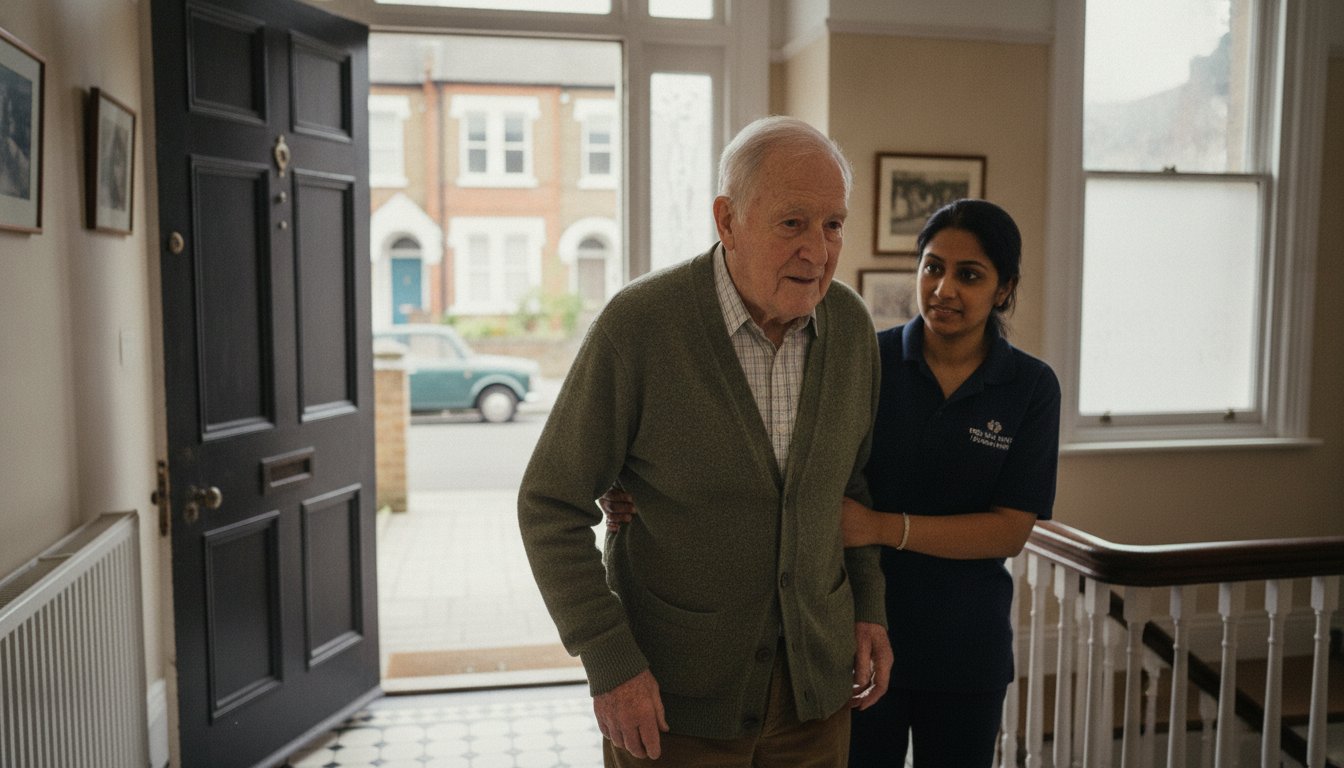
Last Tuesday, Sarah sat in a North London ward and discovered that the "care cliff" is a very real, very daunting prospect. As the discharge papers were signed, she realised that bringing her father home meant stepping into a world of complex medication schedules and recovery milestones without a clear map. It's a moment defined by a heavy mix of relief and deep anxiety. You likely share these fears, wondering if you can provide the same level of safety and clinical oversight that the hospital once offered.
This guide will show you how to bridge that gap with professional hospital to home care London, ensuring a safe and dignified return to the comfort of your own home. We will walk through the essential roadmap for discharge day, clarify local hospital specialisms across North London, and explain how a dedicated care partner manages the practicalities of recovery. By the end, you'll understand how to replace confusion with a clear, supportive plan that prioritises both safety and emotional well-being. Recovery is a journey, and you don't have to walk it alone.
Table of Contents
Understanding the London Hospital Network: Regions and Care Systems
London's healthcare landscape is vast and complex, but it's organised into five distinct Integrated Care Systems (ICS). For families living in Highgate N6 or Hampstead, your journey is governed by the North Central London (NCL) ICS. This regional structure is designed to ensure that hospitals, GPs, and social care teams operate as a single, cohesive unit. When you're arranging hospital to home care London, understanding this geography is the first step in securing a smooth transition for your loved one.
The system is currently evolving to better serve local residents. A significant development planned for July 2026 is the North London NHS Foundation Trust merger, which is set to become a central pillar of this network. This move was specifically designed to bridge the gap between hospital wards and community support. For your family, this means a more unified approach to recovery, where the information from the hospital ward follows the patient through the front door of their home. It's about ensuring that the clinical expertise of the ward isn't lost during the journey back to familiar surroundings.
The Role of the Integrated Care Board (ICB)
The Integrated Care Board (ICB) acts as the engine room for North London’s health services. They are responsible for planning and funding the care that Highgate residents receive. Their primary focus is "joined-up" care, which aims to prevent the "care cliff" where support suddenly vanishes after discharge. This coordination is rooted in the Care Act 2014 framework; it's a legal requirement for health and social care partners to cooperate to promote an individual's wellbeing. When ICB policies work effectively, they reduce delays and ensure that the right equipment and support are ready the moment the patient arrives home.
Teaching Hospitals vs. District General Hospitals
Highgate residents are uniquely positioned near some of the world's most prestigious teaching hospitals. Institutions like University College London Hospitals (UCLH) and the Royal Free are research-heavy centres. They provide specialist clinical oversight for complex cases, such as neurology or advanced surgery. You might find that while your local hospital provides initial treatment, a referral to a central London teaching hospital is necessary for more specialised procedures.
The difference lies in their focus. While teaching hospitals lead on medical breakthroughs, district general hospitals often focus on broader community health. Regardless of where the treatment happens, the goal of hospital to home care London remains the same: to bring that high standard of clinical safety into the home. Many families choose live-in care in Highgate to maintain this level of professional oversight, ensuring that the specialist recovery plan started in the hospital is followed meticulously in a domestic setting.
Key Named London Hospitals and Their Clinical Specialisms
North London is home to some of the most respected medical institutions in the world. For families in Highgate and Hampstead, having access to world-class clinical expertise is a source of great comfort. However, the prestige of these hospitals can sometimes make the transition back to domestic life feel even more daunting. Arranging hospital to home care London ensures that the high standards of safety established in these wards continue once you cross your own threshold. It's about maintaining that clinical excellence within the warmth of your own living room.
Hospitals Serving the Highgate and Hampstead Areas
The Whittington Hospital in Highgate acts as the community heartbeat for N6. It's a vital anchor for elderly care, often serving as the first point of contact for local families. Its clinicians understand the specific needs of the Highgate population, making it an essential partner in the recovery process. Just a short distance away, the Royal Free Hospital in Hampstead stands as a global leader in liver transplants and infectious diseases. Its proximity is a significant advantage for local residents, though navigating the narrow, hilly streets of Hampstead for visits requires planning. Using the Northern Line to Belsize Park or local bus routes is often less stressful than searching for limited hospital parking.
Specialist Centres for Neurology and Cardiac Care
For more complex recoveries, your journey might involve University College London Hospitals (UCLH). Their National Hospital for Neurology and Neurosurgery at Queen Square is the gold standard for brain and spinal conditions. Similarly, the Barts Heart Centre provides Europe’s largest specialised cardiovascular service. These world-leading centres often work in tandem with professional providers of post-stroke care at home to ensure that rehabilitation exercises and neurological monitoring remain consistent.
This continuity is a core part of the UK government's discharge guidance, which emphasises that clinical safety must be maintained during the handover to home-based support. Whilst adults benefit from these hubs, Great Ormond Street Hospital (GOSH) remains the definitive centre for specialist paediatric care in London. Regardless of the patient's age or the specific hospital involved, the goal is always a safe, organised return to familiar surroundings. If you're currently managing a discharge from any of these North London institutions, you can speak with our local team to discuss how we can support your family during this sensitive transition.
The Hospital Discharge Process: A Roadmap for Families
The moment a consultant mentions discharge, a wave of relief often clashes with a surge of panic. You've spent days or weeks in a clinical environment where help is a button-press away. Transitioning back to a quiet home feels like a monumental shift. In the current NHS climate, the "Discharge to Assess" (D2A) model is the standard. This approach prioritises moving patients who are clinically stable back to their own environment as quickly as possible. It's based on the "home first" principle, which suggests that recovery is more effective in familiar surroundings. However, arranging hospital to home care London is essential to ensure this speed doesn't compromise safety.
Before your loved one leaves the ward, a Multi-Disciplinary Team (MDT) will meet. This group, including doctors, nurses, and physiotherapists, decides when a patient is ready. You have a legal right to a Care Needs Assessment during this time. This assessment identifies what support is required to keep the individual safe. Whilst the NHS may offer "reablement" services, these are typically short-term, lasting around six weeks. Many families find that this creates a "care cliff" where support suddenly ends. Identifying the gap between this temporary help and long-term private care early in the process is vital for peace of mind.
Steps to Organising a Safe Discharge
A successful transition relies on methodical preparation. Following a clear roadmap helps manage the logistical burden during a stressful time. You should focus on three primary steps:
The MDT Meeting: Confirm the exact discharge date and ensure all therapists have signed off on the plan.
Home Safety Audit: Assess the property for risks. This might include installing grab rails in the bathroom or arranging a hospital bed for the ground floor; you may also wish to discover Care2MoveMobility to explore the variety of mobility-focused products designed for safe home use.
TTA Medication: Ensure the "To Take Away" (TTA) pack is ready. You must understand exactly what each pill is for and when it should be taken before you leave the hospital gates.
Managing Post-Hospital Anxiety and Safety
The first night home is often the hardest. The constant beeping of monitors is replaced by a silence that can feel heavy with responsibility. It's natural to feel anxious when professional clinical oversight is withdrawn. One of the most common reasons for hospital readmission is poor medication management or a fall in the first forty-eight hours. Professional medication support acts as a safety net, ensuring prescriptions are followed precisely and side effects are monitored.
According to NHS information on post-hospital care, having a clear plan for aftercare is the single most effective way to prevent a relapse. Continuity is the key. By ensuring a seamless handover between ward nurses and your chosen hospital to home care London partner, you maintain the momentum of recovery. This partnership lifts the clinical burden from your shoulders, allowing you to focus on being a supportive family member rather than a full-time medical coordinator.
Transitioning from Hospital to Home Care in Highgate
Returning to a leafy street in Highgate after the clinical bustle of a North London hospital is a transition that requires more than just a taxi ride. While the NHS reablement team provides essential short-term support, their involvement often tapers off just as the real work of long-term recovery begins. This is where the gap between public health services and private hospital to home care London becomes most apparent. Bridging this divide requires a partner who understands both the clinical urgency of the ward and the domestic nuances of an N6 home.
NeeryVille Care facilitates this handover by working alongside hospital discharge teams to create a person-centred plan before the patient even leaves the ward. For many families, live-in care in Highgate offers the most robust solution. Having a professional carer reside in the home provides 24/7 recovery support, ensuring that the safety protocols established by hospital consultants are maintained around the clock. This constant presence transforms a house from a place of potential risk into a sanctuary of healing. Our goal is to promote independence whilst providing a safety net that catches every stumble and manages every prescription.
Specialist Post-Stroke and Neurological Recovery
The first few weeks following a stroke are a critical window for neurological plasticity and long-term outcomes. Recovery doesn't stop once the acute phase in the hospital ends; it merely changes setting. By mirroring clinical rehabilitation goals through professional elderly care at home, we help residents regain their independence. Our approach focuses on gentle mobility exercises, speech encouragement, and the emotional well-being that often takes a hit after a major health event. We don't just watch; we actively participate in the journey toward restoration.
Dementia Care Following a Hospital Stay
Hospital environments are notoriously disorientating for those living with cognitive impairments. The bright lights, unfamiliar faces, and constant noise can trigger significant distress. Returning to a familiar environment with specialist dementia care is often the best medicine. Consistency is the primary tool for managing post-hospital confusion and "sundowning" behaviours. By establishing a predictable routine that honours the individual’s history and preferences, we create a sense of safety that clinical wards simply cannot provide.
Ensuring Long-Term Safety and Wellbeing at Home
The first few days after leaving the ward are often a whirlwind of activity, but true recovery is a marathon, not a sprint. Once the initial dust has settled, the focus must shift from immediate clinical survival to long-term wellbeing. Effective hospital to home care London relies on the ability to adapt. As your loved one regains their strength, their care requirements will naturally change. Regular reviews are essential to ensure the level of support remains "just right", neither overbearing nor insufficient, fostering a sense of progress and personal dignity.
Safety at home involves more than just physical monitoring. Isolation is a silent risk that often follows a hospital stay, particularly for those who have spent weeks in a busy ward. The sudden quiet of a house can be overwhelming. Integrating professional support helps bridge this emotional gap. It's also vital to recognise the impact on the wider family. Caring for a relative after a major health event is exhausting. To maintain a healthy environment for everyone, it is crucial to seek caregiver burnout support in London before the pressure becomes unsustainable. A supported family is a more effective recovery team.
The Value of CQC Regulation in Home Care
Choosing a provider that is regulated by the Care Quality Commission (CQC) is the only way to ensure a "gold standard" of safety. For families in Highgate, NeeryVille Care provides this essential layer of clinical authority and trust. The CQC assesses providers against five key pillars: whether the service is Safe, Effective, Caring, Responsive, and Well-led. This regulatory oversight mirrors the rigorous standards of the North London hospitals your loved one has just left. It ensures that medication management, risk assessments, and staff training are not just promises, but verified realities. This dedication to quality is a hallmark of reputable providers like Peace In-Home Health Care Services, whose home care services for seniors ensure that clinical safety and personal dignity are maintained. You deserve the peace of mind that comes from knowing your home care partner is held to the highest national standards.
Building a Support Network in North London
Recovery is most successful when it extends beyond the four walls of the bedroom. Highgate is a vibrant community with numerous resources designed to help residents re-engage with the world around them. Whether it's a gentle walk through Waterlow Park or a visit to a local coffee shop in Highgate Village, these small outings are milestones in reclaiming a normal life. Professional companionship care plays a vital role here, providing the physical assistance and emotional confidence needed to step back outside.
By utilising local North London community groups and social engagement sessions, you transform the home from a place of medical residency into a true centre of healing. The goal of hospital to home care London is eventually to move past the "patient" label and return to being a neighbour, a friend, and a family member. With a steady guide and a professional partnership, that journey becomes not just possible, but a predictable path toward a renewed sense of independence.
Secure a Safe Return to the Familiarity of Home
The journey from a clinical ward to the quiet comfort of a North London home is a significant milestone. It marks the end of an acute crisis and the beginning of a restorative chapter. By understanding the local hospital network and the structured discharge roadmap, you've already taken the first step toward a safe transition. Professional hospital to home care London ensures that the expert clinical oversight your loved one received doesn't end at the front door; whilst long-term reviews maintain safety as recovery progresses.
Our rapid response team is specifically designed to manage North London hospital transitions with precision and warmth. We provide CQC-regulated support for your absolute peace of mind, with specialist caregivers trained in post-stroke and dementia recovery. We're here to act as your steady guide, lifting the logistical burden so you can focus on being a family again.
Recovery is a journey that feels lighter when you don't have to walk it alone. We're ready to help you turn the page toward a safe, dignified, and peaceful recovery in the place that matters most.
Frequently Asked Questions
Which hospital in London is best for stroke recovery?
University College London Hospitals (UCLH) and the Royal London Hospital are widely considered the leading centres for acute stroke recovery. They house Hyper Acute Stroke Units (HASUs) that provide specialist, 24/7 care during the critical first hours following a stroke. For long-term neurological rehabilitation, the National Hospital for Neurology and Neurosurgery at Queen Square offers world-class expertise to help patients regain their independence.
How do I arrange care for my parent before they are discharged from a London hospital?
You should start by speaking with the ward’s discharge coordinator or the Multi-Disciplinary Team (MDT) to establish a clear clinical timeline. Once a date is set, contacting a professional provider for hospital to home care London allows for a rapid home safety assessment. This ensures that all necessary equipment, medication schedules, and professional support are in place the moment your parent arrives back in Highgate.
What is the difference between UCLH and The Royal Free?
The primary difference lies in their clinical specialisms and geographical focus. University College London Hospitals (UCLH) is a central London teaching hospital renowned for complex neurology, neurosurgery, and cancer care. The Royal Free Hospital in Hampstead is a global leader in liver transplants, kidney health, and infectious diseases. Whilst both offer exceptional care, your referral will usually depend on which institution holds the specific expertise required for your condition.
Can I choose which London hospital I am referred to?
Yes, under the NHS Choice framework, you generally have the right to choose which hospital trust you are referred to for your first outpatient appointment. This applies to most specialist services across London, provided the hospital can provide the required treatment. In emergency situations or for highly specialised procedures, however, you will be taken to the nearest appropriate centre, such as a Major Trauma Centre or a Hyper Acute Stroke Unit.
What happens if a patient is not safe to return home after hospital discharge?
If a patient is deemed unsafe to return home, the hospital cannot legally discharge them until a safe alternative is secured. This might involve a transfer to a "step-down" bed or an intermediate care facility for further rehabilitation. Alternatively, social services will conduct a Care Needs Assessment to determine if a comprehensive package of hospital to home care London, such as 24/7 live-in support, makes a return to familiar surroundings possible.
Does the NHS pay for home care after a hospital stay in London?
The NHS often funds "reablement" care for up to six weeks to help patients regain their independence after a stay. If your needs are primarily health-based and complex, you may be eligible for NHS Continuing Healthcare (CHC), which covers the full cost of care. For those not meeting these criteria, social care is means-tested; individuals with assets above the upper capital limit of £23,250 are usually responsible for their own costs.
How quickly can live-in care be started after a hospital emergency?
Professional providers typically offer a rapid response service that can implement live-in care within 24 to 48 hours of an emergency. This speed is essential for preventing delayed discharges and ensuring a safe transition from the ward. A local assessment is conducted quickly to match a specialist carer to your loved one’s specific clinical and emotional needs, ensuring they are safe from their very first night home.
Which London hospitals have the best dementia specialist units?
The Royal Free and The Whittington Hospital are both recognised for their dementia-friendly environments and specialist liaison teams. These hospitals have invested in ward designs that reduce delirium and confusion for patients with cognitive impairments. However, once the acute medical issue is resolved, clinical guidance usually recommends a "home first" approach. Returning to a familiar environment with specialist support is often the best way to manage post-hospital anxiety for those living with dementia.


