

Understanding the Unique Aspects of Care Homes: Exploring Their Diversity
- Daniel Johnson

- Jan 10
- 4 min read
Updated: May 11
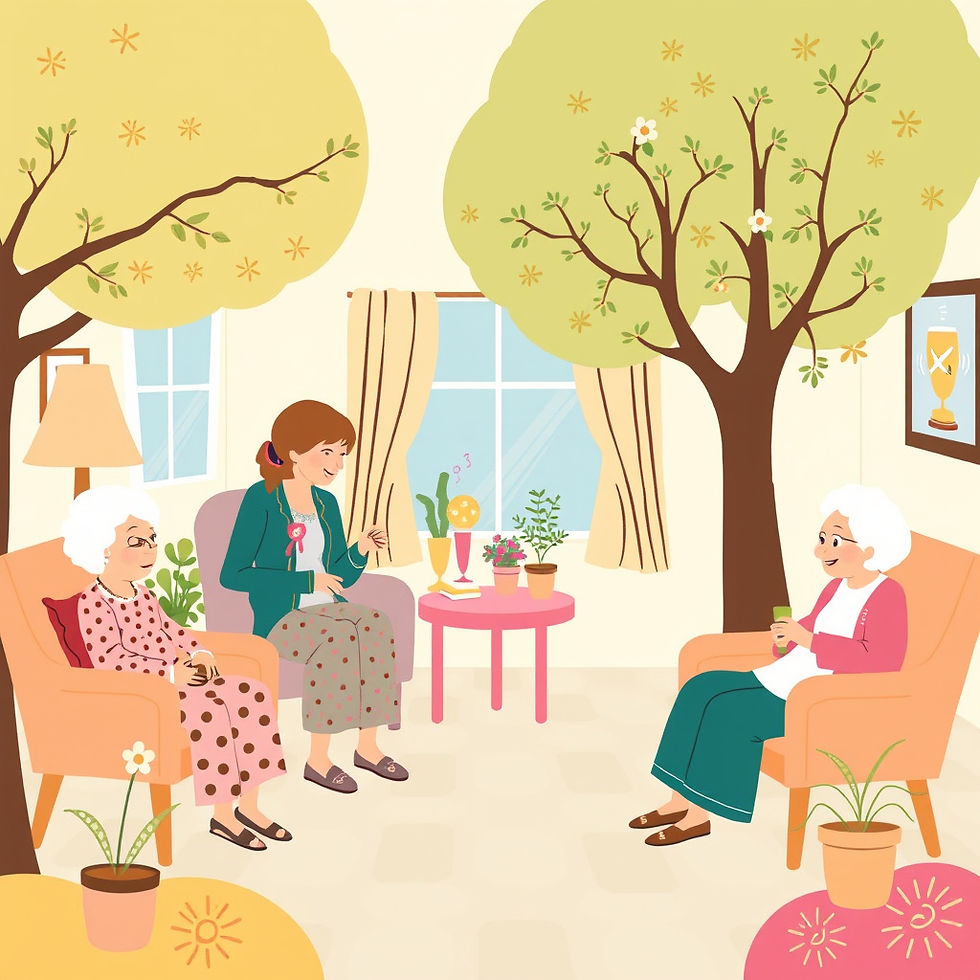
Care homes play a vital role in providing support and accommodation for individuals who require assistance with daily living. However, the term "care home" encompasses a wide variety of settings, each designed to meet different needs. Understanding the diversity of care homes is essential for making informed decisions about care options, whether for yourself or a loved one.
While care homes provide structured support in a residential setting, many families also explore alternatives such as live-in care at home, where individuals can remain in familiar surroundings while receiving one-to-one support tailored to their needs.
This article explores the unique aspects of care homes, highlighting the different types available, their services, and how to choose the right one.
Unique Aspects of Care Homes: Types and Services
Care homes vary significantly depending on the level of care they provide, the population they serve, and the environment they offer. Here are some common types of care homes and their unique features:
Residential Care Homes: These provide accommodation and personal care, such as help with washing, dressing, and medication. They are ideal for people who need some support but do not require nursing care.
Nursing Homes: These offer 24-hour nursing care by qualified nurses. They are suitable for individuals with complex medical needs or those recovering from surgery or illness.
Dementia Care Homes: Specialised in supporting people with dementia, these homes have staff trained in dementia care and provide a safe, structured environment.
Respite Care Homes: Designed for short-term stays, respite care offers temporary relief for family carers or support during recovery periods.
Specialist Care Homes: These cater to specific needs such as physical disabilities, mental health conditions, or younger adults requiring care.
Each type of care home has unique aspects that influence the quality of life and wellbeing of residents. For example, dementia care homes often have secure gardens and sensory rooms to stimulate memory and reduce anxiety.
For some individuals, particularly those who value independence or wish to remain in their own home, options like live-in care in areas such as Crouch End can provide a flexible alternative to residential care while still offering consistent support.

Factors to Consider When Choosing a Care Home
For some families, remaining at home is a priority, which is why alternatives such as home-based care are increasingly considered alongside traditional care homes. Here are key considerations:
Level of Care Required
Assess the medical and personal care needs. For example, if nursing care is necessary, a nursing home is more appropriate than a residential care home.
Location and Accessibility
Proximity to family and friends can impact emotional wellbeing. Consider transport links and visiting hours.
Facilities and Activities
Look for homes offering activities that promote social interaction and mental stimulation, such as arts and crafts, exercise classes, or outings.
Staff Qualifications and Ratios
Qualified and compassionate staff are crucial. Check staff-to-resident ratios and training in specialised care areas.
Cost and Funding Options
Understand the fees involved and explore funding options, including local authority support or insurance.
Regulatory Ratings and Inspections
Review inspection reports from regulatory bodies to gauge the quality and safety standards.
Taking time to visit multiple care homes, asking questions, and observing the atmosphere can provide valuable insights.
The Role of Environment in Care Homes
The physical environment of a care home significantly affects residents' comfort and wellbeing. Unique aspects of care homes include the design and layout tailored to specific needs:
Accessibility Features: Wide corridors, ramps, and adapted bathrooms ensure mobility for wheelchair users or those with limited movement.
Homely Atmosphere: Many care homes strive to create a warm, welcoming environment with personalised rooms and communal spaces.
Safety Measures: Secure entrances, emergency call systems, and non-slip flooring help prevent accidents.
Outdoor Spaces: Gardens and patios provide opportunities for fresh air and relaxation, which are important for mental health.
For example, dementia care homes often use colour-coded doors and clear signage to help residents navigate independently.

Supporting Independence and Wellbeing in Care Homes
A key goal of care homes is to support residents' independence while ensuring their safety. This balance is achieved through:
Personalised Care Plans: Tailored to individual preferences and needs, these plans promote autonomy in daily activities.
Encouraging Social Interaction: Group activities and communal dining foster friendships and reduce loneliness.
Health and Wellness Programs: Regular exercise, nutritious meals, and mental health support contribute to overall wellbeing.
Technology Integration: Some care homes use assistive technology, such as medication reminders and monitoring devices, to enhance independence.
Promoting independence helps maintain dignity and improves quality of life, making it a unique aspect of care homes that should not be overlooked.
For individuals who prioritise independence, options such as live-in care in Hampstead allow people to maintain their daily routines and environment while still receiving personalised support, offering a different approach compared to residential care settings.
Navigating the Care Home Selection Process
Choosing a care home can be overwhelming, but a structured approach can simplify the process:
Assess Needs Thoroughly
Consult healthcare professionals to understand the level of care required.
Research Options
Use online directories, local authority resources, and recommendations to compile a list of potential homes.
Visit and Evaluate
Schedule visits to observe the environment, meet staff, and ask about routines and policies.
Involve the Person Needing Care
Whenever possible, include them in decision-making to respect their preferences.
Review Contracts Carefully
Understand terms, fees, and notice periods before committing.
Plan for Ongoing Review
Care needs may change, so regular reassessment ensures the chosen home remains suitable.
By following these steps, families can make informed choices that align with their loved ones' needs and values.
Embracing the Diversity of Care Homes for Better Outcomes
The diversity of care homes reflects the varied needs of individuals requiring support. Recognising the unique aspects of care homes helps families and professionals find the best fit, enhancing residents' quality of life. Whether it is a nursing home with specialised medical care or a residential home offering a homely environment, understanding these differences is crucial.
For more detailed guidance on care home options and support, visit the Care Quality Commission website.
Making an informed choice about care homes is a significant step towards ensuring comfort, dignity, and wellbeing for those who need it most.


