

Nutritious Meal Ideas for Elderly at Home: A Compassionate Guide to Senior Nutrition
- Daniel Johnson

- Jul 17
- 12 min read
Updated: Jul 24
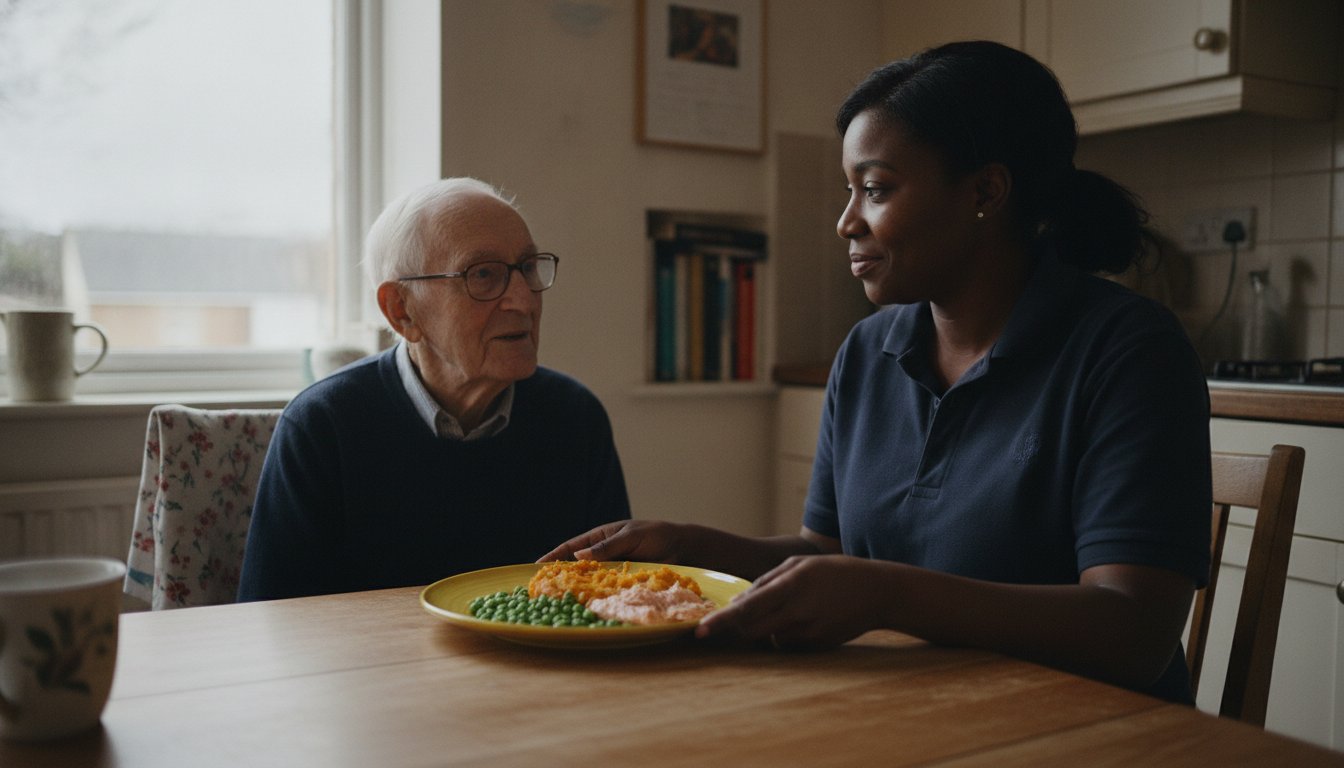
Imagine sitting down for a Sunday roast, only to watch your father quietly push his favourite plate away because he finds it too difficult to chew. It is a heart-breaking moment that many families experience. You want to provide the best care, yet when a loved one refuses to eat or struggles with swallowing, mealtimes often shift from a time of connection to a source of profound worry. With one in four older adults facing malnourishment, the pressure to get it right feels heavy. You deserve a partner in this journey.
We understand this delicate balance. You need nutritious meal ideas for elderly at home that are simple to prepare, easy to digest, and genuinely delicious. This guide offers a compassionate path forward, promising to help you restore your loved one's energy and your own peace of mind. We will explore soft-food recipes, protein-rich snacks, and practical strategies to manage dysphagia whilst keeping the joy of a home-cooked meal alive. From quick breakfast boosts to comforting dinners, you will find a list of go-to solutions designed to support health and personal dignity at every bite.
Table of Contents
Why Nutritional Needs Change: Understanding Senior Health at Home
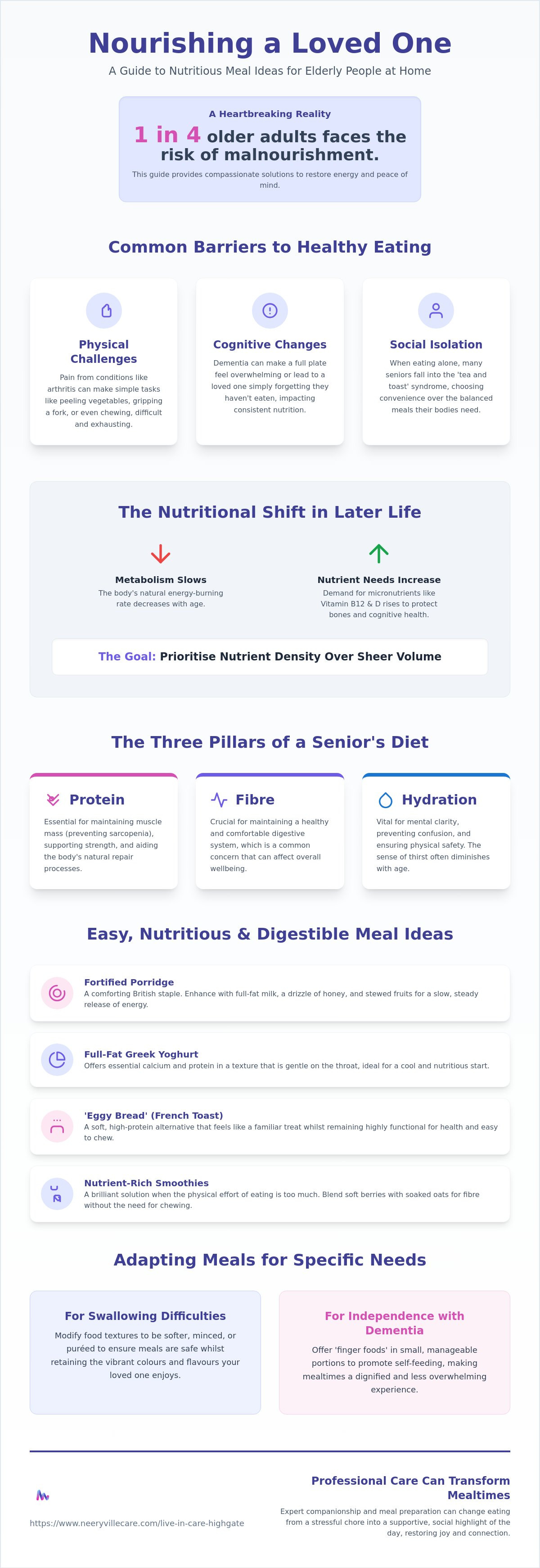
As the years pass, the way our bodies process food undergoes a quiet but significant shift. It's a biological paradox. Metabolism slows, yet the demand for specific micronutrients like Vitamin B12 and Vitamin D actually increases to protect bone density and cognitive health. This shift is a fundamental part of human nutrition in later life. In the context of senior care, 'nutritious' means prioritising nutrient density over sheer volume, ensuring every mouthful provides the maximum benefit for the body.
Many families notice a decline in appetite, often referred to as the 'anorexia of ageing'. It isn't just fussiness. It's a physiological change where the hormones that signal hunger begin to fade. You might spot this when a loved one starts leaving half their plate or loses interest in their favourite Sunday roast. Alongside this, the natural sense of thirst often diminishes. Dehydration can lead to confusion and fatigue, making it vital to offer fluids even when they don't feel thirsty.
Common Barriers to Healthy Eating in Highgate
Preparing a meal is a complex task. For those living with arthritis, the simple act of peeling a potato or gripping a fork becomes a source of pain. Cognitive challenges also play a role. Dementia can make a full dinner plate feel overwhelming, or lead to a loved one simply forgetting they haven't eaten. Social isolation is perhaps the most silent barrier. When eating alone, many seniors fall into 'tea and toast' syndrome, choosing convenience over the balanced meals they need. Our elderly care at home focuses on breaking these cycles through companionship and practical support.
The Role of a Balanced British Diet
A healthy diet for seniors follows the core principles of the NHS Eatwell Guide but with adjustments for lower activity levels. Protein is the cornerstone of muscle maintenance, helping to prevent sarcopenia, the age-related loss of muscle mass. Fibre is equally essential for digestive health, a common concern that can affect overall comfort and wellbeing. When looking for nutritious meal ideas for elderly at home, the goal is to balance these requirements whilst keeping the flavours familiar and comforting.
Protein: Essential for strength and repair.
Fibre: Crucial for maintaining a healthy digestive system.
Hydration: Necessary for mental clarity and physical safety.
Nutritious Breakfast and Lunch Ideas for Sustained Energy
Starting the day with a focused approach to nutritious meal ideas for elderly at home can significantly impact both mood and physical mobility. A warm bowl of porridge isn't just a comforting British staple; it's a versatile vehicle for vital nutrients. Fortifying oats with full-fat milk, a drizzle of honey, and stewed fruits provides a slow, steady release of energy throughout the morning. For those who prefer a cooler start, full-fat Greek yoghurt offers essential calcium and protein in a texture that's gentle on the throat. If chewing has become a challenge, "Eggy Bread" or French Toast serves as a soft, high-protein alternative that feels like a familiar treat whilst remaining highly functional for health.
Morning Starters: Easy to Prepare and Digest
Some mornings, the physical effort of eating feels too much for a loved one. Smoothies are a brilliant solution in these moments. Blending soft berries with a handful of soaked oats provides necessary fibre without the need for intense chewing. For a savoury option, scrambled eggs whisked with a knob of butter offer healthy fats and high-quality protein in a consistency that's easy to manage. We often encourage families to source ingredients from local Highgate markets. Fresh, seasonal produce ensures that even the simplest breakfast is packed with the natural flavour and vitamins needed to spark a flagging appetite.
Effective nutrition often relies on a blend of consistency and variety. Following established guidance on Healthy Meal Planning: Tips for Older Adults can help you stay organised and ensure no vital food group is overlooked during the weekly shop. Planning ahead reduces the stress of the "what's for lunch" question that so often leads to choosing less nutritious options.
Lunch should be a moment of restoration rather than a struggle. Hearty, blended options like a traditional pea and ham soup or a mild lentil dahl are perfect for those with swallowing difficulties. These dishes are naturally thick, satisfying, and rich in plant-based proteins. Jacket potatoes also remain a versatile favourite for many. By scooping out the potato and mixing it with soft, moisture-rich fillings like tuna mayonnaise or mashed avocado and egg, you create a meal that is both calorie-dense and remarkably easy to swallow.
Light Lunches That Pack a Punch
If a full lunch plate feels daunting, consider the benefit of "mini-meals" spread throughout the day. A small omelette with finely chopped spinach and melted cheese provides a vital Vitamin K boost for bone health. Alternatively, sardines on wholemeal toast offer a significant punch of Omega-3, which is crucial for maintaining cognitive function and heart health. These smaller portions often feel less overwhelming for those experiencing a decline in appetite. If you find that preparing these varied meals is becoming a daily struggle, our team is always here to discuss how we can help with specialist meal preparation and consistent support at home.
Adapting Textures: Finger Foods and Soft Meal Solutions
Maintaining independence at the dinner table is about more than just calories; it's about dignity. When tremors or cognitive decline make using a knife and fork a source of frustration, the focus often shifts. We see families struggle with this transition. Introducing finger foods is a simple yet powerful way to return control to your loved one. These nutritious meal ideas for elderly at home allow them to eat at their own pace without the anxiety of spills or struggle. Understanding the changing nutritional needs of older adults helps us realise that even small, frequent hand-held snacks can meet daily requirements effectively.
Modifying textures shouldn't mean sacrificing the 'colour' or 'flavour' of a meal. Food should always look like food. If a dish needs to be pureed, it must not lose its identity. Using moulds or simply keeping ingredients separate on the plate preserves the visual appeal. A bright orange carrot mash served alongside a rich, brown minced lamb maintains the visual cues of a traditional meal, which is vital for stimulating a fading appetite. Our specialist home help in Highgate can manage these specific dietary preparations, ensuring your loved one enjoys meals that are both safe and appetising.
Finger Food Ideas for Independence
Savoury muffins or mini crustless quiches are perfect for those living with dementia. They are easy to hold, require no cutlery, and are packed with protein. High-quality fish fingers or home-baked chicken goujons offer a nostalgic, simple option that feels familiar. Pairing these with steamed vegetable batons and a nutritious hummus dip ensures a balanced intake of fibre and healthy fats without the overwhelm of a large, complex plate.
Soft and Pureed Options That Taste Great
Soft meals don't have to be bland. A traditional Shepherd’s Pie, made with finely minced lamb and topped with extra-creamy mash, provides a comforting, familiar texture. Slow-cooking is another excellent technique; it allows meat to literally fall off the bone whilst keeping vegetables fork-tender. Adding plenty of gravy or a silky cheese sauce is a practical safety measure. It adds essential moisture to prevent choking hazards and makes the meal much easier to swallow. These nutritious meal ideas for elderly at home focus on making every mouthful as effortless as possible.
Mini Quiches: Crustless versions are easier to chew and hold.
Slow-Cooked Stews: Naturally soft textures with deep, developed flavours.
Moisture is Key: Always use extra sauce or gravy to aid swallowing.
Evening Meals and Healthy Snacks: Ending the Day Well
Ending the day should be a gentle, restorative experience for both the body and the mind. As evening approaches, the focus shifts toward ease of digestion and preparing the system for a restful night. Finding nutritious meal ideas for elderly at home that don't feel like a chore is essential for maintaining consistent health. A poached salmon fillet served with silky mashed sweet potato and wilted greens is an ideal choice. It provides essential Omega-3 fatty acids and Vitamin A in a texture that's remarkably kind to the palate and easy to swallow.
For many of our clients in Highgate, the traditional British Roast remains a non-negotiable highlight of the week. This doesn't have to change simply because nutritional needs have shifted. We recommend offering smaller portions and an abundance of extra gravy to ensure the meat is moist and manageable. Soft-roasted root vegetables, cooked until they're almost melting, provide the familiar comfort of a home-cooked meal without the physical effort of traditional roasting. It's about preserving the joy of the plate whilst adapting to the body's new rhythm.
Wholesome Suppers for Better Sleep
What your loved one eats in the evening directly impacts their sleep quality and morning energy levels. Complex carbohydrates, such as those found in sweet potatoes or soft wholemeal grains, help regulate sleep patterns by supporting natural serotonin production. It's often best to avoid heavy, spicy, or acidic foods late at night. These are frequent triggers for acid reflux and indigestion, which can lead to a restless night. A warm, milk-based drink like cocoa offers a boost of calcium and a sense of routine comfort that signals the body it's time to rest.
High-Calorie Snacks for Weight Maintenance
Weight loss is a significant concern for many families, often occurring so gradually it's hard to spot. When appetite is low, we must make every mouthful count. We often suggest 'fortifying' snacks by adding a teaspoon of double cream, a knob of butter, or a spoonful of milk powder to soups and puddings. Simple snacks like cheese cubes, full-fat yoghurt, or a small handful of soft walnuts are excellent for grazing. Nut butters spread on soft banana slices also provide a quick, dense boost of protein and potassium. Our elderly care at home supports families by managing these evening routines and ensuring nutrition remains a priority even after the sun sets.
Establishing a consistent wind-down routine helps prevent the discomfort of indigestion and ensures your loved one feels secure as the day ends. This might include a light snack followed by a quiet period of companionship. If you're finding it difficult to manage these evening hours alone, professional support can provide the peace of mind you need.
How Professional Care Supports Better Nutrition in Highgate
Providing the right food is only half the battle. For many families, the real challenge lies in the daily implementation of these nutritious meal ideas for elderly at home. A live-in carer in Highgate transforms the nutritional landscape by ensuring consistency that's often impossible for busy relatives to maintain. They don't just prepare food; they create an environment where eating is encouraged and celebrated. This constant presence means that missing a meal or slipping into 'tea and toast' habits becomes a thing of the past.
Beyond professional care, the layout of the home itself can be adapted to better support independence; neilnortondesign.com provides expert consultation for residential interior projects that focus on creating safe and accessible living environments.
Bespoke Meal Planning with NeeryVille Care
Our approach to companionship care prioritises the mental wellbeing of our clients. We believe that food is deeply personal. Our carers work closely with families to incorporate favourite family recipes into a healthy, adapted plan. Whether it's a specific way of seasoning a stew or a particular Sunday tradition, we ensure these memories remain part of the menu. We also take great care to respect and meet all cultural and religious dietary requirements with the utmost dignity and precision. Every meal is an opportunity for comfort.
Peace of Mind for Highgate Families
Choosing professional support is often the kindest thing a family can do for themselves and their loved one. It takes the heavy burden of care off your shoulders. Instead of spending your visits doing chores or worrying about the state of the fridge, you can enjoy quality time together. As a CQC-regulated provider, our standards ensure that every aspect of support is safe, high-quality, and reliable. We are here to act as your steady guide through the complexities of senior nutrition. Contact NeeryVille Care today for a friendly chat about how we can help with meal preparation and more.
Restoring the Joy of the Dinner Table
Supporting a loved one through changing nutritional needs is a journey of patience and deep care. We have explored how adapting textures and introducing finger foods can return a sense of independence to those living with dementia or tremors. By focusing on nutrient-dense ingredients like fortified porridge or poached salmon, you can ensure every bite contributes to their physical strength. Implementing these nutritious meal ideas for elderly at home doesn't have to be a source of daily stress when you have the right strategies in place.
NeeryVille Care stands as a steady guide for families in Highgate N6. As a CQC-regulated provider, we offer specialist dementia and post-stroke support that prioritises personal dignity. Our carers don't just prepare meals; they provide the companionship that makes eating a social pleasure once again. We are here to lift the burden of worry so you can focus on the relationship that matters most.
You are doing an incredible job navigating these complex worries. With small, methodical changes and the right professional partnership, you can restore the health and happiness of your loved one. Better days start with the right support at the table.
Frequently Asked Questions
What are the best soft foods for elderly people with no teeth?
Pureed stews, mashed root vegetables, scrambled eggs, and full-fat Greek yoghurt are excellent options for those with no teeth. These foods provide essential nutrients without the need for chewing. You can also offer smooth smoothies fortified with protein powder or oats to ensure they receive a balanced intake. Texture is key; ensure everything is silky smooth to prevent any irritation to the gums whilst maintaining a high nutritional value.
How can I encourage an elderly person with a small appetite to eat more?
Offering smaller, more frequent meals throughout the day is often more effective than serving three large ones. A small, nutrient-dense snack every few hours feels less overwhelming for someone with a declining appetite. Adding high-calorie "fortifiers" like butter, cream, or cheese to their favourite dishes can also increase calorie intake without increasing volume. Companionship makes a significant difference; eating with a loved one or carer can naturally encourage them to take a few more bites.
Are frozen 'ready meals' healthy for the elderly?
High-quality frozen ready meals can be a safe and convenient option when time is limited. Look for meals that prioritise whole ingredients and have controlled levels of salt and sugar. Many modern ranges are specifically designed with senior nutrition in mind, offering balanced portions of protein and vegetables. They should ideally be supplemented with fresh fruit or a side of steamed greens to ensure your loved one receives a wider range of essential vitamins.
What are the signs of malnutrition in seniors living at home?
Common signs of malnutrition include loose-fitting clothing, persistent fatigue, and skin that takes a long time to heal from minor bruises. You might also notice a loss of muscle mass in the arms or legs, or a general lack of interest in food. Monitoring weight is essential; even a small, steady decline can be a warning sign. If you observe these changes, it's vital to consult a GP or a professional carer to assess their specific dietary needs.
How much water should an elderly person drink a day?
The NHS recommends that older adults aim for 6 to 8 glasses of fluid every day. This doesn't have to be just water; tea, coffee, soup, and even water-rich fruits like melon contribute to hydration. Since the natural sense of thirst often fades with age, it's better to offer small sips regularly rather than waiting for them to feel thirsty. Keeping a colourful jug of water nearby can serve as a gentle visual reminder throughout the day.
Can a home carer help with grocery shopping and meal planning in Highgate?
Yes, a professional carer can manage the entire process of grocery shopping and meal planning. They can source fresh ingredients from local Highgate markets and ensure the kitchen is always stocked with healthy choices. This support extends to preparing nutritious meal ideas for elderly at home, ensuring your loved one receives consistent, high-quality nutrition. It takes the pressure off family members, allowing you to focus on spending quality time together rather than just doing chores.
What are some high-protein snacks for seniors who don't like meat?
Cheese cubes, full-fat Greek yoghurt, and nut butters on soft fruit are brilliant meat-free protein sources. Hard-boiled eggs or a small bowl of cottage cheese also provide high-quality protein in a texture that's easy to manage. These snacks are perfect for maintaining muscle mass without the need for complex preparation. For those who enjoy a warm snack, a small portion of lentil dahl or a cheesy omelette offers a satisfying and soft boost of energy.
How do I manage meal times for a loved one with advanced dementia?
Managing mealtimes for someone with advanced dementia involves simplifying the environment and using finger foods to maintain their independence. Removing distractions and using plain, contrasting plates helps them focus on the food. If they struggle with cutlery, offering nutritious meal ideas for elderly at home in hand-held form, such as savoury muffins, can reduce frustration. Patience is vital; allow them plenty of time to eat at their own pace in a quiet, reassuring setting.


