

Home Care in Islington: A Compassionate Guide to Independent Living at Home
- Daniel Johnson

- Jul 21
- 12 min read
Updated: Jul 31
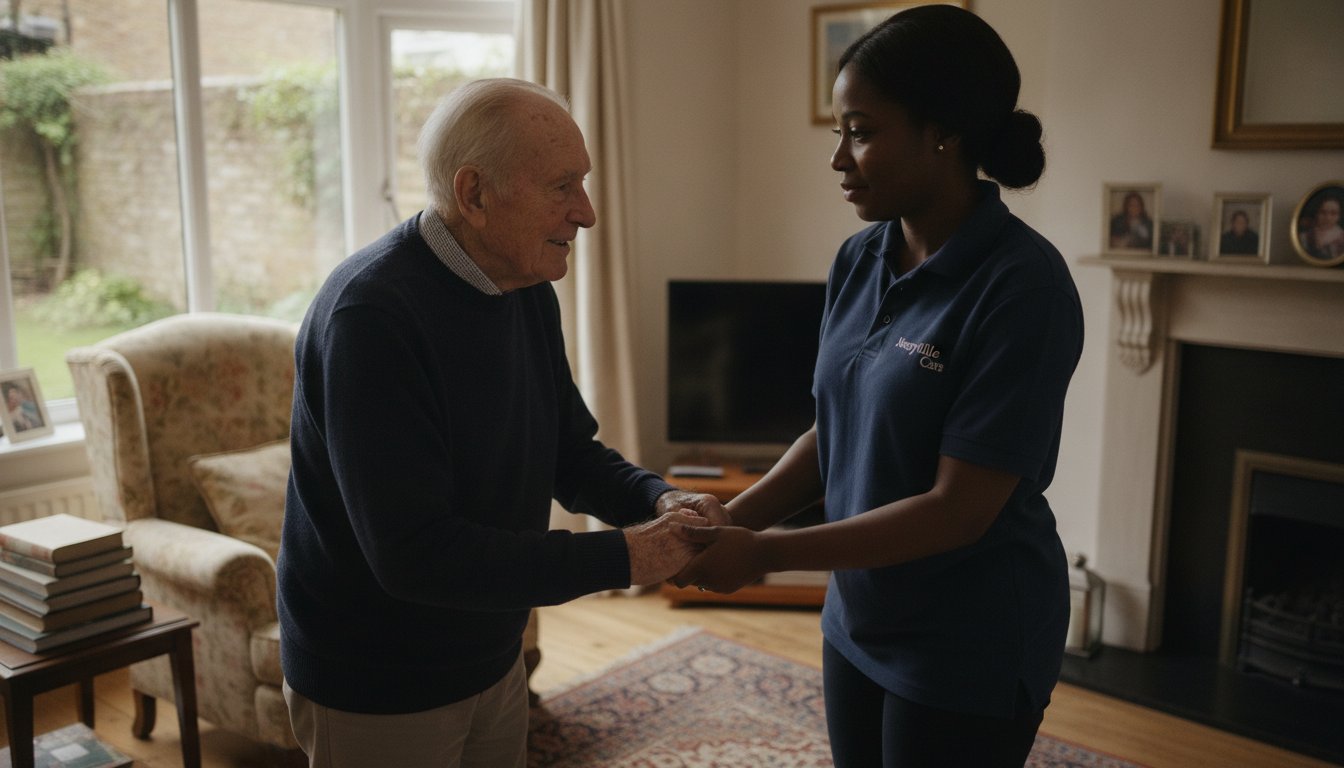
Imagine your father sitting in his favourite armchair in Highbury, looking out at the garden he has tended for decades, yet feeling a quiet, growing worry about how he will manage the stairs tomorrow. It is a delicate balance to strike. You want him to remain in the heart of the community he loves, but the constant anxiety about his safety whilst living alone is becoming overwhelming. Searching for home care in Islington often brings more questions than answers, leaving you buried under regulatory jargon and inspection reports when all you really need is a helping hand.
We understand that the decision to bring support into a private home is deeply personal. You likely feel a mix of relief and guilt, wanting the best for your parent while worrying about their potential loss of independence. This guide is here to offer a clear, compassionate path forward. We will explore how bespoke care plans provide more than just safety; they offer a way to maintain dignity and local connections. From understanding CQC standards to choosing the right level of daily assistance, you will discover how professional support can feel like an extension of your own family.
Table of Contents
Understanding Home Care in Islington: Support That Respects Independence
Home is more than just a roof over one's head. It is a living archive of a person's life. For many families, the prospect of moving a loved one into a residential facility feels like a quiet surrender of that history. This is why home care Islington residents choose is increasingly focused on flexibility. It is a professional service that brings clinical expertise and domestic support directly into the familiar environment where memories were made. Understanding Home Care in the UK involves recognising that support should bend to fit the individual, rather than forcing the individual to fit a rigid institutional schedule.
In a vibrant borough like Islington, staying at home means more than just remaining indoors. It's about maintaining a lifelong connection to the community. Whether it's a slow afternoon walk near Highbury Fields or a familiar trip to a favourite shop on Upper Street, these local touchpoints are vital for emotional health. Professional support ensures these routines continue safely. It bridges the gap between needing help and maintaining a sense of self. It is about preserving the small, daily joys that make life meaningful.
The Emotional Benefits of Staying at Home
The psychological comfort of one's own four walls cannot be overstated. For those living with memory-related conditions, the layout of a kitchen or the specific creak of a floorboard provides a sense of grounding that no modern care home can replicate. Remaining at home effectively prevents "transfer trauma", which is the acute physical and emotional stress often triggered by a sudden change in environment. This stability is the foundation of a dignified life. Person-centred care is a bespoke approach that prioritises an individual's unique history, daily habits, and personal preferences above a rigid medical schedule.
Home Care vs. Care Homes: A London Perspective
When comparing options in North London, the most striking difference is the level of individual attention. In a residential setting, staff must divide their time amongst many residents, often leading to a task-based approach to care. Conversely, visiting care or live-in care provides dedicated one-to-one support. This focused presence means that changes in health or mood are noticed instantly, not eventually. It also offers a vital solution for couples. Often, partners have different care needs, but home care allows them to stay together in the home they've shared for decades, ensuring their bond remains unbroken even as their health requirements evolve.
Types of Home Care Available in the Borough of Islington
Choosing the right level of support starts with understanding how a service fits into the unique layout of a North London home. Whether your loved one resides in a Victorian terrace in Tufnell Park or a modern apartment in Holloway, the type of home care Islington families select must be practical. It should account for everything from the steepness of a staircase to the proximity of local amenities in Archway. Every home is different. Every care plan must be too.
While domestic care focuses on the individual, maintaining the standard of the property itself is equally important. For those who require expert assistance with high-end residences or holiday homes abroad, you can discover Neatly Homes Property Care LLC for hotel-standard property care. This attention to detail ensures that every aspect of the home environment is handled with professional expertise.
Before deciding on a specific service, it is often helpful to consult the NHS guide to care needs assessments. This foundational step helps clarify exactly how much support is required to maintain safety and dignity. Once needs are identified, the focus shifts to whether visiting support or a more permanent presence is the best fit.
Visiting Care: Flexible Support for Daily Life
For many, a few hours of help a day is all that is needed to maintain independence. Visiting care in Highgate and the surrounding Islington areas offers a flexible way to manage morning routines, meal preparation, and medication. These visits provide a rhythmic structure to the day. They can scale up as needs evolve, ensuring that support is always proportionate. It is a simple solution for those who are largely independent but require a professional hand with specific tasks.
Live-in Care: The Gold Standard for Continuous Support
When safety concerns become a constant worry, live-in care in Highgate N6 provides the ultimate peace of mind. A dedicated carer resides in the home, offering 24/7 assistance. This is the gold standard for those with advanced dementia or complex mobility issues. It eliminates the anxiety of a parent being alone at night. It ensures that help is always just a few steps away, providing a level of security that visiting care cannot match.
Beyond physical assistance, specialist support is vital for recovery and emotional health. Post-stroke care and dementia-specific strategies are designed to stimulate the mind and aid physical rehabilitation. In an urban environment like North London, companionship care is equally important. It combats the isolation that can often settle in amongst the elderly, turning a professional relationship into a genuine friendship. If you are unsure which path is right for your family, you can speak with our local team for a friendly, no-obligation conversation.
Assessing Quality: What to Look for in an Islington Care Agency
Selecting the right home care Islington families deserve means prioritising transparency and local knowledge. Finding a provider is easy; finding a partner who understands the rhythm of life in North London is more complex. You need a team that knows the quickest routes to the Whittington Hospital and the location of every community pharmacy in N1. The Islington Council social care and health portal offers a foundational overview of local resources, but the specific quality of a private agency requires a deeper look into their clinical and emotional standards.
Quality begins with a meticulous initial assessment. This is the most critical hour of the care journey. It is not a mere formality. It is a deep dive into the client's home safety, medical history, and personal likes. A professional assessor will examine the height of a bed, the lighting in a hallway, and even the preferred brand of tea. This level of detail ensures the care plan is proactive, not reactive. It transforms a standard service into a safe, familiar routine that respects the individual's dignity.
The Importance of CQC Regulation
The Care Quality Commission (CQC) is the independent regulator of health and social care in England. They monitor, inspect, and rate services to ensure they meet essential standards of safety. NeeryVille Care is a CQC-regulated provider. This status means our clinical protocols and safety measures are held to account by a national body. We encourage families to read the latest inspection reports on the official CQC website to verify any agency's claims. Regulation provides a legal framework for safety, whilst empathy provides the heart of care.
Key Questions to Ask Potential Providers
Before committing to a care plan, it is vital to have a transparent conversation about logistics and values. A high-quality provider will welcome your questions. Consider this checklist:
Carer Matching: How do you ensure the carer's personality and experience suit my loved one's history?
Emergency Response: What is the protocol if a carer is unwell or if an incident occurs during the night?
Medication Management: How are doses logged and monitored to ensure total accuracy and safety?
Fee Transparency: Is there a clear fee structure with no hidden costs for travel or weekend support?
A clear, upfront pricing model is essential for peace of mind. It prevents the added stress of financial surprises during an already difficult time. Finally, look for an emphasis on companionship care. Support should never be purely clinical. It must include the emotional warmth and consistent presence that turns a professional service into a genuine relationship.

Navigating the Transition: How to Organise Care in Islington
Moving from complete independence to accepting support is a significant emotional milestone. It shouldn't feel like a sudden loss of control. Instead, organising home care Islington families can rely on involves a series of gentle, methodical steps. The goal is to lift the burden from your shoulders. We ensure your loved one remains the primary author of their own daily life. This process isn't just about clinical tasks; it's about building a partnership that respects the history of the person being cared for.
Recognising the Signs Your Loved One Needs Help
The need for extra support often reveals itself through small, domestic changes. You might notice an unsteadiness on their feet during a walk to the local shops. Perhaps the kitchen is less tidy than it used to be. For many, forgetting medication or a sudden social withdrawal are the clearest indicators that the status quo is no longer safe. We encourage families to have "the conversation" as early as possible. Discussing options whilst your parent can still actively participate in decision-making preserves their dignity. It reduces future anxiety. Our guide to elderly care at home provides further detail on identifying these subtle shifts in behaviour.
Once the need is acknowledged, the next steps follow a logical path:
Professional Care Assessment: A specialist visits the home to identify specific physical needs and environmental safety requirements.
Bespoke Care Planning: We create a roadmap that integrates seamlessly with existing routines, ensuring life carries on as normally as possible.
The Matching Process: We find a carer whose personality and interests align with the client, fostering a genuine human connection.
Ongoing Reviews: Care is never static. We regularly adjust the plan to ensure it remains effective as health or circumstances evolve.
The Role of the Islington Community in Care
Effective care doesn't happen in a vacuum. It happens within the streets of N1 and N7. A local carer can facilitate vital trips to community hubs, libraries, or a refreshing afternoon at Finsbury Park. Maintaining these connections prevents the isolation that often accompanies age. A local agency understands the logistics of coordinating with Islington Council social services. They ensure that GP appointments or pharmacy visits within the borough are managed efficiently. This local expertise ensures that your loved one stays woven into the fabric of the community they love. It provides a sense of stability during a time of change.
NeeryVille Care: Compassionate Support for Islington Families
NeeryVille Care stands as a steady guide for families in North London. We are the bridge between clinical excellence and domestic comfort. Our base in Highgate N6 allows us to provide highly responsive home care Islington residents can depend on, especially when circumstances change suddenly. We don't believe in one-size-fits-all solutions. We believe in care that respects the person behind the patient. It is a partnership built on trust, safety, and a shared desire to keep your loved one exactly where they want to be. Our approach prioritises emotional well-being alongside physical safety, ensuring that every visit feels like a supportive conversation rather than a clinical transaction.
Choosing a care provider is an act of profound trust. We honour that trust by ensuring our services are as organised as they are caring. By balancing regulatory compliance with a warm, person-centred philosophy, we help families move from a place of anxiety to one of calm reliability. You are not just hiring a service; you are gaining a dedicated partner who understands the domestic challenges of life in Islington.
Specialist Support: Dementia and Stroke Care
Conditions like dementia or the aftermath of a stroke require more than just a helping hand. They require a deep understanding of neurology and rehabilitation. Our dementia care at home focuses on maintaining cognitive function and emotional stability through familiar routines. This specialist support reduces the confusion often felt by those with memory loss. Similarly, our post-stroke care at home is designed to support physical recovery whilst managing the emotional toll of a long-term condition. We manage these complexities with a calm, professional authority. It allows your family to step back from the stress of caregiving and return to being sons, daughters, and spouses.
Our Promise to Islington Residents
Our philosophy is simple. We provide the care we would want for our own families. This is not just a slogan. It is the definitive promise that guides every decision we make. We understand that moments of worry can quickly turn into a crisis. Because of our local focus, we are often able to implement care plans within a very short timeframe. This responsiveness is vital when a parent is being discharged from hospital or when a sudden decline in health occurs. You no longer have to carry the burden alone. We are here to lift that weight, providing the professional support that allows your loved one to thrive at home.
We invite you to reach out for a no-obligation consultation to discuss your specific needs. Whether you require immediate assistance or are simply looking for a clear plan for the future, we will guide you at a pace that feels right for your family. Together, we can ensure your loved one remains a vibrant part of the Islington community they love.
A Clearer Path Forward for Your Family in Islington
Choosing the right support is a journey of reclaiming peace of mind for your entire family. It is about ensuring your loved one remains safely connected to the Islington streets they know whilst receiving the clinical safety they require. Whether you need specialist dementia support or gentle help with daily routines, the most effective care plans are those that adapt to the person, not the other way around. You are looking for a solution that respects a lifetime of independence.
Finding reliable home care Islington families can truly trust means seeking a blend of local North London expertise and CQC-regulated safety. As specialists in stroke recovery and dementia care, we provide the clinical authority needed for complex conditions alongside the domestic warmth that makes a house feel like home. The overwhelming feeling of being a sole caregiver can be replaced by a sense of calm reliability and partnership.
You don't have to navigate these complex decisions alone. We are ready to walk beside you at a pace that feels right, ensuring your loved one's dignity remains the priority at every single step. A safer, more supported future starts with a simple, supportive conversation.
Frequently Asked Questions
How much does home care in Islington typically cost?
The cost of support depends entirely on the level of assistance required and whether you choose visiting visits or full-time support. If your savings or income are above the Islington Council threshold of £23,250, you will typically be required to fund the care yourself. We recommend requesting a financial assessment from the local authority to see if you are eligible for any contribution toward your care costs.
Is NeeryVille Care regulated by the CQC?
Yes, NeeryVille Care is a fully regulated provider under the Care Quality Commission (CQC). This regulation ensures that we adhere to strict national standards regarding safety, effectiveness, and clinical leadership. It provides families with a vital layer of protection and the peace of mind that their loved one's care is being monitored by an independent, professional body.
Can I get home care in Islington for just a few hours a week?
Yes, you can certainly arrange home care Islington residents often use for shorter durations to help with specific daily tasks. This type of visiting care is highly flexible and can assist with medication management, meal preparation, or morning routines. It is a gentle way to introduce support into a loved one's life whilst allowing them to maintain their cherished independence.
What areas of Islington do you cover?
We provide professional support across the entire borough, including Highbury, Holloway, Tufnell Park, and Archway. Our base in Highgate N6 is ideally situated to serve the wider North London community with speed and reliability. Because our carers are local to the area, they understand the logistics of the borough and can easily facilitate trips to local community centres or parks.
How do you choose the right carer for my parent?
We use a careful matching process that prioritises both clinical expertise and personality alignment. It's important that a carer and client share a similar temperament or common interests to ensure the relationship feels natural and supportive. We take the time to understand your parent's history and preferences before introducing a professional who we believe will be a perfect fit for their home.
What is the difference between home care and live-in care?
The main difference lies in the level of presence required within the home. Home care, often called visiting care, involves a professional visiting at set times to help with specific needs. Live-in care involves a dedicated carer residing in the home to provide constant, 24/7 support. This is often the safest choice for those with advanced dementia or complex mobility requirements.
How quickly can home care be started in an emergency?
We understand that care needs can escalate rapidly, especially following a hospital discharge or a sudden health change. Because we are a local, responsive agency, we can often implement a bespoke care plan within a very short timeframe. Our goal is to act as a primary burden-lifter for the family, ensuring safety and professional support are in place exactly when they are needed most.
Can home care help with specific conditions like dementia or Parkinson’s?
Yes, specialist home care Islington providers like NeeryVille Care are specifically trained to manage complex neurological conditions. We offer specialist dementia care and support for Parkinson's or post-stroke recovery. These plans are designed to manage specific symptoms whilst focusing on cognitive stimulation and physical safety, helping your loved one to live a dignified life in familiar surroundings.


