

A Compassionate Guide to End of Life Care at Home in Highgate
- Daniel Johnson

- 3 days ago
- 13 min read
Updated: 18 hours ago
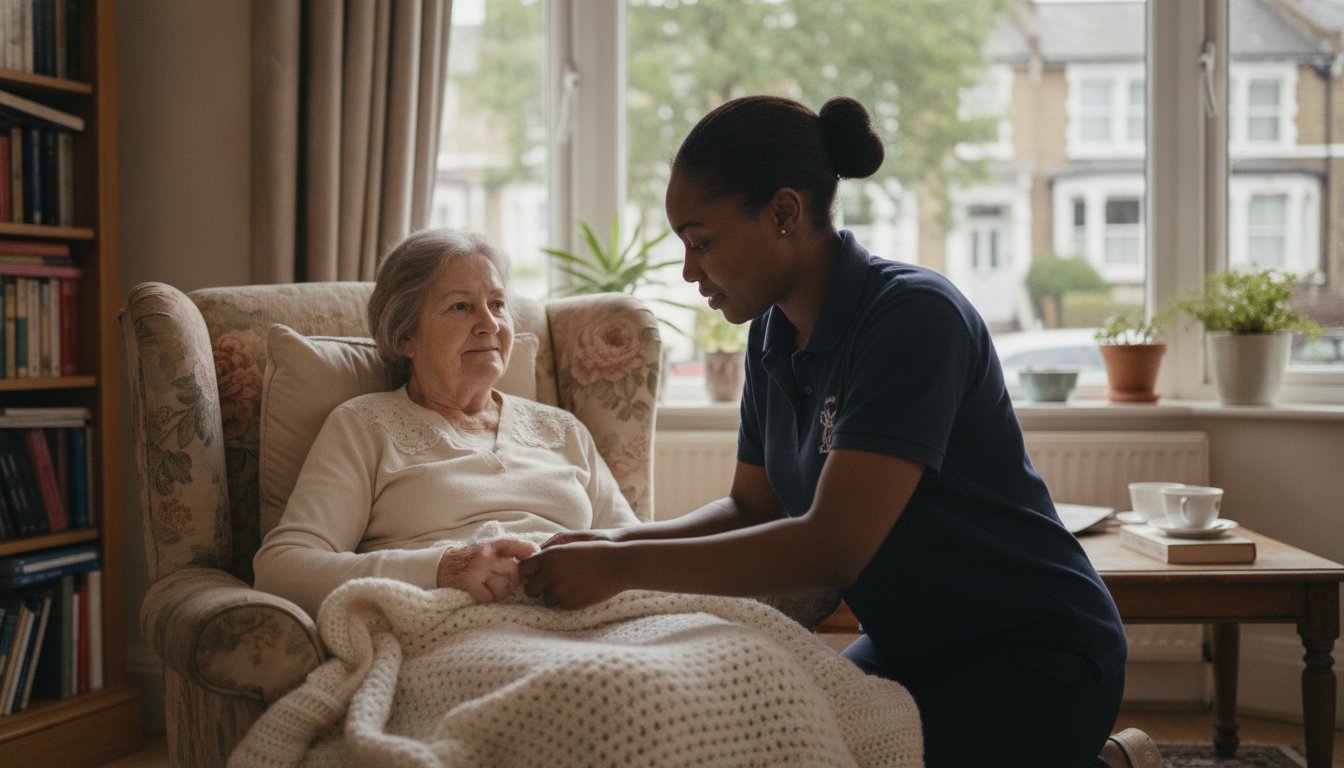
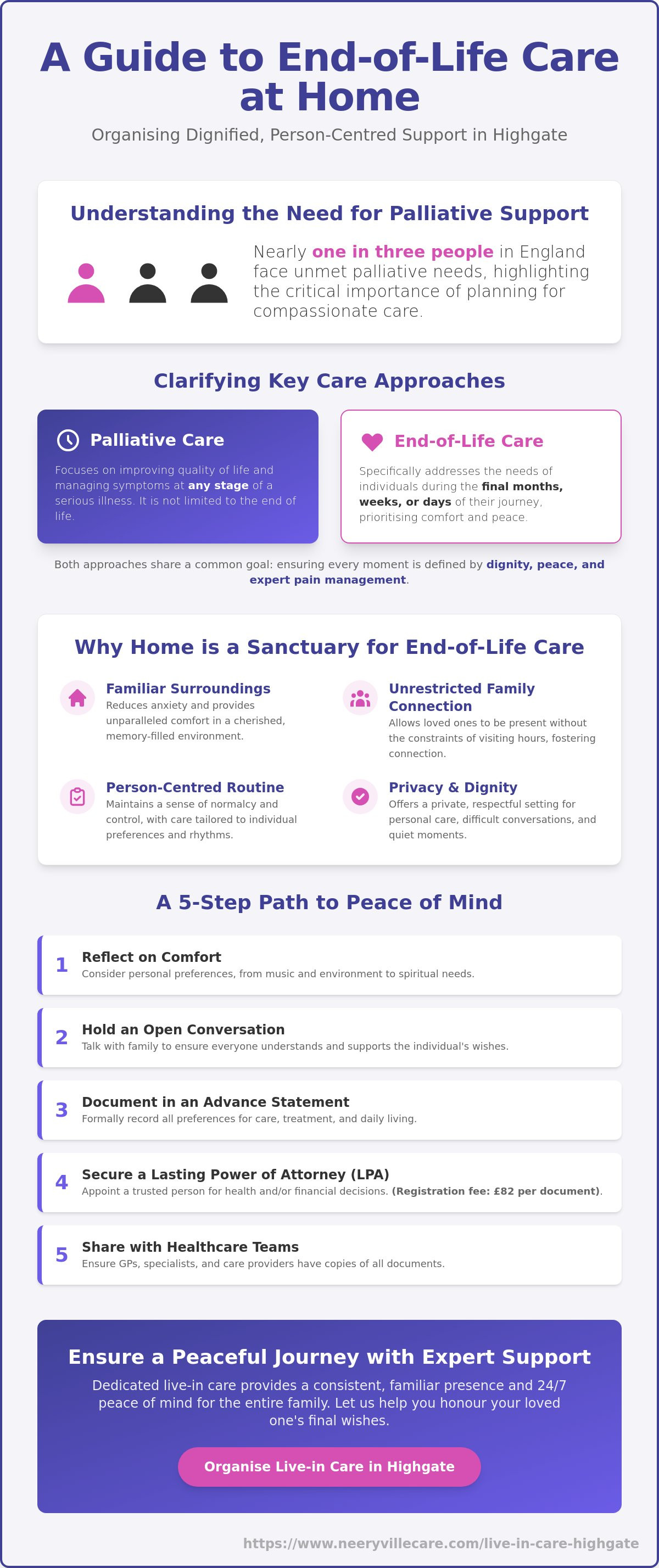
What if the most difficult season of life could be transformed into a period of profound peace and connection within the four walls of your own home? Choosing end of life care is perhaps the most selfless and daunting decision a family in Highgate will ever face. You likely feel a heavy weight of guilt for not being able to provide constant support yourself; you might also feel overwhelmed by the complexity of the London healthcare system. It's completely natural to feel lost when the path ahead seems so uncertain, especially as nearly one in three people in England currently face unmet palliative needs.
We're here to help you organise dignified, person-centred support that prioritises comfort and keeps your loved one in the familiar surroundings they cherish. This guide provides a clear roadmap for the final months. You'll discover how to navigate local resources, ensure expert pain management, and find a partner who understands the emotional weight of this journey. By the end, you'll have the clarity needed to replace confusion with a sense of calm reliability and professional partnership.
Key Takeaways
Understand the essential distinction between palliative support and end of life care to ensure the most appropriate level of comfort for your loved one.
Learn how to document final wishes using an Advance Statement, creating a clear and empathetic roadmap that honours personal preferences.
Discover practical steps for transforming a Highgate home into a peaceful sanctuary, prioritising dignity and professional medication management.
Identify strategies to prevent caregiver burnout by accessing companionship and specialist emotional support for the entire family.
Explore why dedicated live-in care is often the premier choice for families seeking a consistent, familiar presence and 24/7 peace of mind.
Table of Contents
Understanding End of Life Care: A Compassionate Path Forward in Highgate
Planning for the Future: How to Organise Final Wishes and Legal Safeguards
Creating a Sanctuary of Comfort: Practical Steps for Managing Care at Home
Nurturing the Spirit: Emotional and Practical Support for Families in London
Choosing Dedicated Live-in Care: Why Home is the Best Place for Peace
Understanding End of Life Care: A Compassionate Path Forward in Highgate
Facing the reality of a terminal diagnosis is one of life's most profound challenges. It's a time often filled with a quiet, heavy worry that can feel isolating. You might be feeling a mix of exhaustion and deep love, wondering how to balance your own life with the needs of someone you care for so deeply. That's a valid place to be. We understand that you're looking for more than just medical assistance; you're looking for a way to honour a life lived. End of life care is the dedicated support provided to individuals during the final stages of their journey. It's about ensuring every moment is defined by dignity, peace, and the absence of pain.
Many people find themselves confused by the terminology used by healthcare professionals. It's helpful to clarify that while palliative care focuses on managing symptoms and improving quality of life at any stage of a serious illness, end of life care specifically addresses the final months or weeks. For those seeking a comprehensive overview of end-of-life care, it's clear that this support must be holistic. It must touch upon physical needs, emotional wellbeing, and the spiritual comfort of the individual and their family alike.
In Highgate, we see an increasing number of families choosing the home over a clinical ward. There's a unique comfort in the leafy streets of North London that a hospital simply cannot replicate. Staying at home allows for a sense of normalcy amongst the upheaval. It's a choice that prioritises the person over the process.
When does end of life care typically begin?
Identifying this phase is rarely a single, clear-cut moment. The NHS and the Care Quality Commission (CQC) typically use a "last year of life" framework to guide clinicians. They look for signs such as a decline in physical health or treatments becoming less effective. It's never too early to start these conversations. Early planning ensures that your loved one’s wishes remain the foundation of every future decision.
The benefits of staying at home in North London
Home is a sanctuary where memories are etched into the walls. For many in Highgate, the security of their own environment is the greatest gift. Familiar surroundings and a well-loved garden view can significantly reduce anxiety. Home-based care offers unrestricted family connection, a truly person-centred routine, and the privacy to maintain one's dignity. Choosing live-in care in Highgate ensures this bespoke support remains constant and reliable.
Planning for the Future: How to Organise Final Wishes and Legal Safeguards
Organising the practicalities of the future is an act of profound love. It isn't just about legal forms. It's about ensuring your voice, or the voice of your loved one, remains the guiding force in every care decision. When families take the time to organise final wishes and legal safeguards, they often find a surprising sense of relief. The unknown becomes a shared plan. This clarity is essential for high-quality end of life care, as it allows everyone to focus on comfort rather than second-guessing.
To begin this journey with empathy, we recommend a simple five-step approach. First, reflect on what brings comfort, whether that's a specific view or a certain piece of music. Second, hold an open conversation amongst family members. Third, document these preferences in an Advance Statement. Fourth, secure legal standing through a Lasting Power of Attorney (LPA). Finally, ensure these documents are shared with your local healthcare team in London. Peace of mind is a gift. It's a gift you give yourself and your family.
Legal safeguards provide the necessary framework for reliability. As of March 2026, the registration fee for an LPA with the Office of the Public Guardian is £92 per document. Most families choose to register both Health and Welfare and Property and Financial Affairs, bringing the total to £184. This ensures that if a time comes when decisions cannot be made independently, a trusted person is already in place to advocate for the individual's wishes. Highgate solicitors near the Village or community groups on Highgate Hill can often provide the professional oversight needed to finalise these documents with confidence.
Securing your legacy is a universal priority; if you are looking for expert perspectives on managing assets and probate, you may wish to discover Natalie Green, P.C. for further insights into comprehensive estate planning.
Starting the conversation with your loved one
Broaching the topic of the future requires a gentle touch. You might start by saying, "I want to make sure I can support you exactly how you'd like." Focus on what matters most to them. Is it staying in their favourite chair? Is it having the garden door open in summer? Listen more than you talk. These moments are about validating their feelings and capturing the small details that define their personal dignity. If you're unsure how to begin, you can always speak with our team for guidance on navigating these sensitive talks.
Advance Decisions vs. Advance Statements
It's vital to understand the difference between these two records. An Advance Decision, often called a Living Will, is a legally binding refusal of specific medical treatments. In contrast, an Advance Statement is a broader, non-binding record of personal preferences. It might include favourite foods, religious beliefs, or specific daily routines. Together, these documents provide a complete picture for care providers, ensuring that end of life care remains deeply personal and respectful of the individual's history and identity.
Creating a Sanctuary of Comfort: Practical Steps for Managing Care at Home
Transforming a family home into a space that supports clinical needs whilst remaining a sanctuary of peace is a delicate balance. In Highgate, where many houses feature traditional layouts and multiple floors, practical planning is essential for effective end of life care. It's about creating an environment where medical support is present but never intrusive, allowing the individual’s comfort to remain the primary focus. This transition requires a blend of clinical organisation and domestic warmth.
Setting up the care environment
Choosing the right room is the first practical hurdle. A ground-floor space often provides the best accessibility for equipment and keeps the individual connected to the hum of the household. You might need to organise a hospital bed or a pressure-relieving mattress; these are vital tools for preventing discomfort and maintaining skin integrity. Soft lighting, familiar photographs, and a clear view of a garden or a favourite tree help ensure the room feels like a personal retreat rather than a clinical ward. The aim is to surround your loved one with the things they love most.
Collaborating with the wider healthcare team
Quality care relies on a multidisciplinary team approach. This typically involves your local Highgate GP, district nurses, and specialist palliative teams working in harmony. District nurses play a critical role in clinical procedures and medication oversight, ensuring symptoms are managed proactively. A dedicated home carer serves as the essential eyes and ears for this team. They notice the subtle shifts in comfort or behaviour that medical professionals might miss during short visits. This partnership ensures that the care plan evolves in real-time as needs change.
Maintaining dignity through personal care
Dignity is often preserved in the smallest details of daily life. Gentle assistance with washing, hair care, and dressing ensures a person continues to feel like themselves, even as their physical abilities change. Managing diet and fluids requires a soft touch, respecting a changing appetite whilst prioritising hydration. Person-centred personal care is the foundation of dignity, ensuring every action respects the individual's history and preferences. Many families find that visiting care in Highgate provides the professional support needed to manage these delicate tasks with the respect they deserve.
Effective medication management is the final pillar of home-based support. By January 2026, the Palliative and End of Life Care Standard, managed by NHS England, emphasizes consistent and personalised pain relief. Coordinating with your pharmacy and GP ensures that comfort is never compromised. When pain and symptoms are held at bay, the family is free to focus on what truly matters: spending meaningful time together in the surroundings of home.
Nurturing the Spirit: Emotional and Practical Support for Families in London
The emotional landscape of end of life care is often as complex as the medical requirements. In the quiet, leafy pockets of Highgate, families navigate a journey that is both deeply private and immensely demanding. It's common to feel a heavy sense of responsibility. You're balancing the practicalities of care with the weight of impending loss. This constant vigilance can lead to caregiver burnout, a state of profound exhaustion that affects both mind and body. Accessing specialist psychological support, such as the clinical services at London Hypnotherapy & NLP, can help families navigate these complex feelings. Exhaustion is not a sign of failure. It's a sign of your deep devotion.
Managing a Highgate home during this time requires a gentle, protective approach. It's vital to maintain a calm atmosphere, perhaps by limiting the number of visitors at any one time to prevent the environment from becoming overwhelming. This ensures the home remains a sanctuary. Spiritual care also plays a vital role. Whether this involves religious traditions or personal reflections, finding moments of peace is essential. It's about honouring the individual's spirit and ensuring their final journey is marked by tranquillity. London life moves quickly. Your home should move slowly.
Supporting the family: You are not alone
Grief often begins long before the final moment. Families in North London experience a complex mix of emotions, including sadness, relief, and guilt. Recognising these feelings is the first step toward healing. Local support groups, such as those offered by Age UK or London-based carer networks, provide a vital space to share these burdens. With UK hospices providing care to around 310,000 people each year, it's clear that many families rely on these external pillars of support. We encourage you to accept practical help, such as light housekeeping, so you can focus entirely on being present with your loved one.
The power of companionship and presence
Simply 'being there' is often the most valuable gift you can offer. Presence doesn't always require words. It can be found in the quiet hum of a favourite piece of music or the rhythmic reading of a cherished book. Professional carers provide emotional stability whilst handling the clinical and domestic tasks. This allows you to step back into your role as a daughter, son, or spouse. This stability is a cornerstone of high-quality end of life care, ensuring the individual never feels isolated. If you are feeling the weight of these responsibilities, please know that you don't have to carry this alone. You can reach out to our compassionate team to discuss how we can partner with your family during this time.
Choosing Dedicated Live-in Care: Why Home is the Best Place for Peace
For many families, the ultimate goal is to ensure their loved one remains in the place they love most. Whilst residential settings offer support, they often struggle to match the intimacy and tailored attention of a home environment. Live-in care has emerged as the premier solution for families seeking 24/7 end of life care that prioritises peace over process. It offers the security of professional oversight with the comfort of a familiar pillow and a well-known view. With demand for palliative support expected to rise by up to 47% by 2040, securing a reliable, home-based solution is a vital step in future-proofing a loved one's dignity.
One of the most significant benefits of this approach is the presence of a consistent, familiar face. Unlike a revolving door of agency staff, a dedicated live-in carer stays in the home, learning the subtle preferences and quiet needs of the individual. This continuity reduces anxiety and builds a deep sense of trust. NeeryVille Care’s CQC-regulated live-in care in Highgate provides this essential safety and clinical oversight, ensuring that every care plan is managed with professional precision and domestic warmth.
When selecting a provider in London, it's helpful to use a clear set of criteria to ensure your family receives the highest standard of support:
Regulatory Compliance: Is the provider fully regulated by the Care Quality Commission (CQC)?
Carer Matching: Do they prioritise the personality and interests of the individual when selecting a carer?
Responsiveness: Can they adjust care levels quickly as symptoms or needs change?
Communication: How effectively do they coordinate with Highgate GPs and district nurses?
Specialist Training: Does the staff have specific expertise in managing complex end-of-life symptoms?
The NeeryVille approach to end of life care
Our philosophy centres on the belief that the relationship between the carer and the client is just as vital as the practical assistance provided. We employ a person-centred matching process, ensuring that the carer who enters your home is someone who shares common interests and understands the emotional weight of this period. This commitment to emotional well-being creates a sense of partnership rather than a clinical transaction. Many families begin their journey with visiting care, finding that the ease of transition to full-time live-in support provides a stable foundation as needs naturally increase.
Taking the next step with confidence
Professional support is not just for the individual; it's a lifeline for the entire family. By handing over the clinical and domestic responsibilities, you are free to return to your role as a child, a spouse, or a dear friend. This allows you to focus on making memories and sharing quiet moments of connection without the exhaustion of 24/7 caregiving duties. We invite you to contact us for a compassionate consultation to discuss how we can guide your family through this transition with grace and reliability. NeeryVille Care can implement support within 48 hours for urgent situations.
Embracing Peace and Dignity in Your Highgate Home
Organising support for a loved one is a journey of deep love and profound responsibility. You've discovered that documenting final wishes through an Advance Statement provides a vital roadmap for the future. You also know that transforming a familiar Highgate room into a clinical sanctuary doesn't mean losing the warmth of home. Choosing end of life care that prioritises person-centred support allows your family to focus on connection rather than coordination.
As a CQC-regulated care provider, we bring specialist end of life trained carers directly to your doorstep. Our local Highgate expertise and commitment to rapid response mean you never have to navigate these complexities alone. We're here to lift the burden, providing the safety and clinical oversight your loved one deserves whilst allowing you to simply be present as a family member again. We're committed to a partnership built on trust and calm reliability.
If you're ready to find a partner who values dignity as much as you do, please Request a Compassionate Consultation for End of Life Care. We'll guide you through every step at a pace that feels right for your family. You've done so much already; let us help you carry the rest with the expert support you deserve.
Frequently Asked Questions
What is the main difference between palliative care and end of life care?
Palliative care focuses on managing symptoms and improving quality of life at any stage of a serious illness, whereas end of life care specifically supports those in their final months or weeks. While palliative care can continue for years alongside curative treatments, the latter prioritises comfort and dignity as life draws to a close. Both approaches aim to reduce physical pain and provide emotional stability for the individual and their family.
Can I really keep my loved one at home until the very end?
Yes, most people can remain at home until the very end with the right professional support and equipment. Home is the preferred place of death for many in Highgate, offering a sense of security that hospitals cannot match. By introducing live-in care, you ensure a constant presence is available to manage symptoms and provide reassurance, making a peaceful home death a safe and viable reality.
How do I pay for end of life care at home in London?
Funding typically comes from personal savings, local authority support, or NHS Continuing Healthcare (CHC). If your loved one has a primary health need, the NHS may cover the full cost of their care. In 2026, the capital threshold for local authority funding in England remains £23,250. It's advisable to request a financial assessment from Camden or Haringey Council to explore your specific eligibility for state-funded support; to better understand how to protect your family's assets and navigate probate, you can check out Natalie Green, P.C. for professional estate planning guidance.
What happens if my loved one's needs become too complex for a home carer?
Home carers work in close partnership with district nurses and GPs to manage increasing complexity. Whilst carers don't perform clinical nursing procedures, they act as the eyes and ears for the medical team. If symptoms become more difficult to manage, the multidisciplinary team will adjust the care plan. This collaborative approach ensures that even complex needs are met with professional precision within the domestic environment.
Is end of life care available 24/7 in Highgate?
Yes, choosing live-in care provides a dedicated carer who resides in the home to offer round-the-clock support. This ensures that help is always at hand, whether it's for medication management, personal care, or emotional reassurance in the middle of the night. This 24/7 presence removes the burden of constant vigilance from family members, allowing them to focus on spending meaningful time together.
How do I talk to my GP about starting end of life care?
Request a dedicated appointment to discuss a holistic needs assessment and advance care planning. Be clear about your loved one's wish to remain at home in Highgate. Your GP can then coordinate with local district nursing teams and specialist palliative services to initiate the necessary support. It's a proactive step that ensures professional medical oversight is integrated into your home-based care plan from the beginning.
What support is available for the family after a loved one passes away?
Bereavement support is available through the NHS, local North London charities, and organisations like Cruse Bereavement Support. Emotional care doesn't end when the practical caregiving stops. Many families find comfort in local support groups or specialist counselling to help navigate the early stages of grief. Your GP can provide referrals to these services, ensuring you have a steady guide during the difficult weeks that follow. For those needing practical help with the physical aspects of settling an estate, Clear This Ltd offers a compassionate approach to house clearances, helping families manage these final transitions with peace of mind.
Does insurance or the NHS cover the cost of private home care?
The NHS may cover the costs through Continuing Healthcare (CHC) if the individual meets specific health-based eligibility criteria. This funding is not means-tested and can cover end of life care provided at home. Additionally, some private health insurance policies include palliative benefits. It's essential to check your policy details or request an NHS CHC assessment to understand which funding routes are available for your family; furthermore, for families looking at broader financial options to support care costs, I Need Cash provides resources on homeowner loans and achieving financial fluidity.


Comments